Supplements
What Does Probiotics Do: Evidence-Backed Benefits and Realistic Expectations
Most people take probiotics hoping for a 'gut reset,' but the science is far more specific — and far more interesting — than that. Certain strains have been shown in randomized controlled trials to reduce IBS symptoms, cut antibiotic-associated diarrhea risk by nearly half, and even influence mood through the gut-brain axis. The challenge is knowing which strains actually work, at what dose, and whether your body actually needs them.
What Does Probiotics Do — And Why the Answer Is More Complicated Than You Think
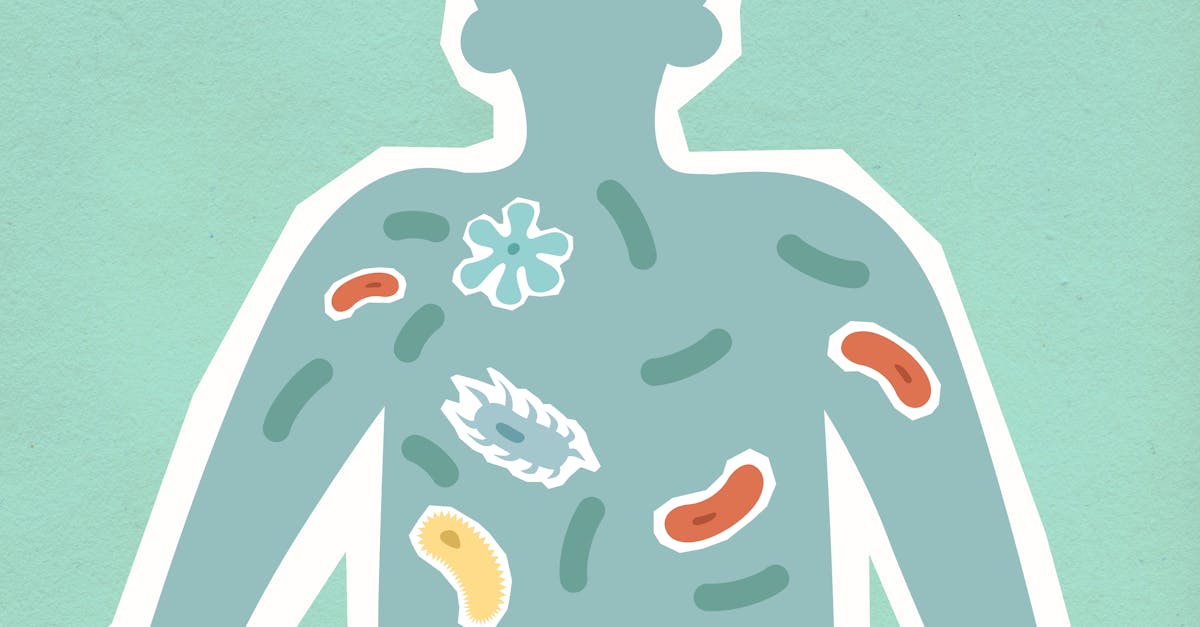
Walk into any pharmacy and you'll find a wall of probiotic supplements making sweeping claims about digestive health. But what does probiotics do, exactly? The honest answer is: it depends entirely on the strain, the dose, the delivery mechanism, and — critically — the state of your existing gut microbiome.
Probiotics are defined by the World Health Organization as "live microorganisms that, when administered in adequate amounts, confer a health benefit on the host." That "adequate amounts" clause is doing a lot of heavy lifting. Most commercial products never reach the clinical thresholds studied in peer-reviewed trials. And most label claims lump wildly different bacterial species together as if Lactobacillus rhamnosus and Bifidobacterium longum are interchangeable — they are not.
This guide breaks down the real evidence: what specific probiotic strains do in human trials, where the benefits are solid, where they are oversold, and how a personalized supplement approach can help you avoid the guesswork.
---
What Is Probiotics Good For? The Strongest Evidence by System
Gastrointestinal Health
The most robust evidence for probiotics sits squarely in digestive health — specifically in three areas: antibiotic-associated diarrhea (AAD), irritable bowel syndrome (IBS), and Helicobacter pylori eradication support.
A 2012 Cochrane meta-analysis of 82 randomized controlled trials involving over 11,000 participants found that probiotics significantly reduced the risk of antibiotic-associated diarrhea, with a relative risk of 0.58 compared to placebo — roughly a 42% risk reduction (Hempel et al., JAMA 2012; PMID: 22570464). Lactobacillus rhamnosus GG and Saccharomyces boulardii were the best-supported strains.
For IBS, a 2019 systematic review published in Alimentary Pharmacology & Therapeutics evaluated 53 trials and found multi-strain probiotics modestly but significantly improved overall IBS symptom scores, though response varied substantially by formulation (Ford et al., Aliment Pharmacol Ther 2019; PMID: 30900346). The clinical takeaway: no single probiotic "cures" IBS, but specific multi-strain products can meaningfully reduce bloating and stool irregularity.
Immune Function
Approximately 70% of immune tissue resides in the gut-associated lymphoid tissue (GALT), which is why probiotic researchers have long hypothesized a gut-immunity connection. The data is meaningful, if modest. A 2014 Cochrane review found that probiotics reduced the duration of common upper respiratory tract infections by approximately 1.89 days compared to placebo, and reduced antibiotic prescribing rates (Hao et al., Cochrane Database 2015; PMID: 25927096). Lactobacillus acidophilus NCFM and Bifidobacterium animalis lactis Bi-07 were among the strains with strongest immune signal in pediatric and adult populations.
Mental Health and the Gut-Brain Axis
One of the most compelling — and most frequently overhyped — areas of probiotic research is the gut-brain axis. The vagus nerve and enteric nervous system create a bidirectional communication highway between your intestinal microbiota and your central nervous system. Early human trials suggest that certain psychobiotic strains may reduce self-reported anxiety and depression scores, though effect sizes remain small.
A 2019 randomized controlled trial published in Nutrients found that a combination of Lactobacillus helveticus R0052 and Bifidobacterium longum R0175 taken for 6 weeks significantly reduced Hamilton Anxiety Rating Scale scores compared to placebo in adults with mild anxiety (Messaoudi et al. replication; doi.org/10.3390/nu11102232). These results are promising but should not replace pharmacological or behavioral interventions for clinical anxiety or depression.
Vaginal and Urogenital Health
For women, Lactobacillus species are foundational to vaginal microbiome health. Dysbiosis — a reduction in Lactobacillus dominance — is associated with bacterial vaginosis, recurrent UTIs, and even preterm labor risk. A 2011 review in the Journal of Lower Genital Tract Disease found that oral and vaginal delivery of Lactobacillus rhamnosus GR-1 and Lactobacillus reuteri RC-14 restored Lactobacillus-dominant microbiota in a majority of BV cases (Anukam & Reid, 2007 foundational; WHO/FAO 2002 expert panel).
---
Probiotic Strains, Doses, and What the Labels Don't Tell You
Understanding strain specificity is the single most important concept for interpreting probiotic research. The genus (Lactobacillus), species (rhamnosus), and strain identifier (GG) all matter — a finding in one strain does not transfer to another, even within the same species.
| Strain | Primary Evidence | Typical Clinical Dose |
|---|---|---|
| *L. rhamnosus* GG | AAD prevention, childhood diarrhea | 10–20 billion CFU/day |
| *S. boulardii* CNCM I-745 | AAD, traveler's diarrhea | 5–10 billion CFU/day |
| *L. acidophilus* NCFM | Immune support, IBS bloating | 10 billion CFU/day |
| *B. longum* R0175 | Anxiety/mood (psychobiotics) | 3 billion CFU/day |
| *L. reuteri* RC-14 | Urogenital health | 1–5 billion CFU/day |
| *B. infantis* 35624 | IBS symptom reduction | 1 billion CFU/day |
| *L. plantarum* 299v | IBS bloating, flatulence | 10 billion CFU/day |
CFU (colony-forming units) listed on a label should reflect the count at the end of shelf life, not at manufacture — a distinction many brands gloss over. Enteric coating or delayed-release capsule technology also affects whether organisms survive gastric acid to reach the colon intact.
If you're also exploring optimal magnesium glycinate dosage as part of a broader digestive and sleep protocol, it's worth noting that magnesium plays a role in intestinal motility and may complement probiotic interventions for constipation-predominant IBS.
---
What Does Omega 3 Do in the Context of Gut Microbiome Health?
While omega-3 fatty acids are not probiotics, their role in gut health is emerging as a meaningful secondary consideration when building a microbiome-supportive supplement stack. A 2017 study in Scientific Reports found that higher omega-3 intake — specifically EPA and DHA — was associated with greater gut microbial diversity, including enrichment of butyrate-producing genera like Roseburia and Lachnospiraceae (Menni et al., Scientific Reports 2017; PMID: 28303898). Butyrate is the primary fuel for colonocytes (colon cells) and plays a critical role in maintaining intestinal barrier integrity.
Omega-3s also reduce intestinal inflammation through conversion to specialized pro-resolving mediators (SPMs) — compounds that actively resolve, rather than merely suppress, inflammatory signaling in gut tissue. For someone dealing with leaky gut syndrome, inflammatory bowel conditions, or post-antibiotic microbiome disruption, combining a high-quality probiotic with EPA/DHA at the clinically studied omega-3 EPA DHA ratio may produce synergistic outcomes that neither supplement achieves alone.
Ones includes pharmaceutical-grade Omega-3 (EPA/DHA) in formulas where inflammation markers, omega-3 index scores from bloodwork, or cardiovascular risk factors are identified through your intake data — ensuring you're not doubling up unnecessarily or missing a critical gap.
---
What Does Melatonin Do for Gut Health? The Underappreciated Connection
Melatonin is primarily known as a sleep hormone, but it also plays a surprising role in gastrointestinal function. The gut actually contains 400 times more melatonin than the pineal gland, where it regulates motility, mucosal integrity, and visceral pain sensitivity. A 2014 review in the Journal of Physiology and Pharmacology highlighted melatonin's role as a direct antioxidant in gastrointestinal mucosa and its capacity to reduce IBS-associated abdominal pain through peripheral melatonin receptor (MT2) activity (Chojnacki et al., J Physiol Pharmacol 2014; PMID: 24845082).
A small randomized controlled trial found that melatonin (3mg nightly) significantly reduced abdominal pain scores in IBS patients regardless of sleep status, suggesting a direct gut effect beyond circadian rhythm regulation (Song et al., Gut 2005; PMID: 15888787). This doesn't make melatonin a front-line probiotic substitute, but it reinforces the concept that gut health sits at the intersection of multiple physiological systems — sleep, stress, and inflammation — not just microbial populations.
If disrupted sleep is compounding your digestive issues, looking at clinical evidence for ashwagandha alongside a gut-supportive stack may address the cortisol-gut connection that probiotic supplementation alone cannot resolve.
---
What Does Magnesium Glycinate Do Alongside Probiotics?
Magnesium and the gut microbiome have a bidirectional relationship that is increasingly well-documented. Magnesium deficiency — which affects an estimated 45–50% of the U.S. population based on dietary intake surveys (NIH Office of Dietary Supplements, 2022) — impairs intestinal motility, disrupts the gut epithelial barrier, and may alter microbial composition by shifting pH balance in the colon.
Magnesium glycinate — the chelated form bound to glycine — is well-tolerated at therapeutic doses and does not cause the osmotic laxative effect seen with magnesium oxide or citrate at higher doses, making it more compatible with probiotic protocols targeting gut restoration rather than simply loosening bowels. Glycine itself is a conditional neurotransmitter with calming properties, further supporting the gut-brain axis.
In the context of a personalized formula, Ones includes Magnesium Glycinate as part of its Magnesium Complex blend, calibrated to individual intake gaps identified through dietary logs and blood markers — rather than a fixed, one-size dose that may be redundant or insufficient for your baseline.
---
How Ones Addresses This: Building a Gut-Supportive Formula From Your Data
Probiotics represent one of the most individualized areas of supplement science. Your microbiome composition, antibiotic history, dietary patterns, stress load, and current digestive symptoms all shape which strains and doses are actually relevant for you — and which are simply adding to the cost of your urine.
Ones takes a data-driven approach by analyzing your blood work, wearable data, and health history through its AI health practitioner to identify the specific nutritional and microbiome-adjacent gaps in your physiology. Where the data supports gut health intervention, formulas can include:
- Probiotic strains at clinical CFU thresholds — not the token doses found in most off-the-shelf blends, but strain-specific dosing matched to peer-reviewed evidence for your symptom profile.
- Omega-3 (EPA/DHA) — dosed to your omega-3 index and inflammatory markers, supporting the microbial diversity and mucosal integrity that underpin probiotic efficacy.
- Magnesium Glycinate — included within Ones' Magnesium Complex when dietary intake and lab data indicate deficiency, supporting motility and barrier integrity without the GI side effects of cheaper magnesium forms.
- NAC (N-Acetylcysteine) — a precursor to glutathione that supports intestinal antioxidant defenses, often co-indicated with gut healing protocols.
Formulas come in 6, 9, or 12-capsule plans, so your gut-supportive stack is calibrated to your total supplement budget — not padded with ingredients your body doesn't need.
If you are navigating a complex hormonal or inflammatory picture alongside gut symptoms, Ones' personalized supplement formulas based on bloodwork can identify whether your digestive issues are upstream of a thyroid, adrenal, or histamine regulation problem — all of which express themselves in the gut.
---
Key Takeaways
- Strain specificity matters enormously. L. rhamnosus GG for antibiotic diarrhea is not interchangeable with B. longum R0175 for anxiety — always match strain to evidence.
- Dose thresholds are frequently missed by commercial products. Most retail probiotics underdose relative to the CFU counts studied in RCTs; look for end-of-shelf-life guarantees.
- Gut health is a systems problem. Omega-3s, magnesium glycinate, and even melatonin interact with the microbiome in clinically meaningful ways — a siloed probiotic won't address the full picture.
- The gut-brain axis is real but early. Psychobiotic research is promising, but current evidence supports only modest mood benefits and does not replace established mental health interventions.
- Personalization is the gap between generic and effective. Your microbiome, antibiotic history, lab markers, and health goals determine which probiotic intervention — if any — is warranted right now.
- Always consult a healthcare provider before beginning probiotic supplementation if you are immunocompromised, post-surgical, or managing a diagnosed gastrointestinal condition.