Supplements
What Is Probiotics Used for: Who Actually Benefits — and Who Should Skip It
Nearly 4 million American adults take probiotics every month, yet research shows outcomes vary dramatically by strain, dose, and individual microbiome composition. If you've ever wondered what probiotics are actually used for — or whether you're one of the people who shouldn't take them at all — the science offers some surprisingly clear answers. This guide breaks down the evidence, the caveats, and how to decide whether a probiotic belongs in your personalized formula.
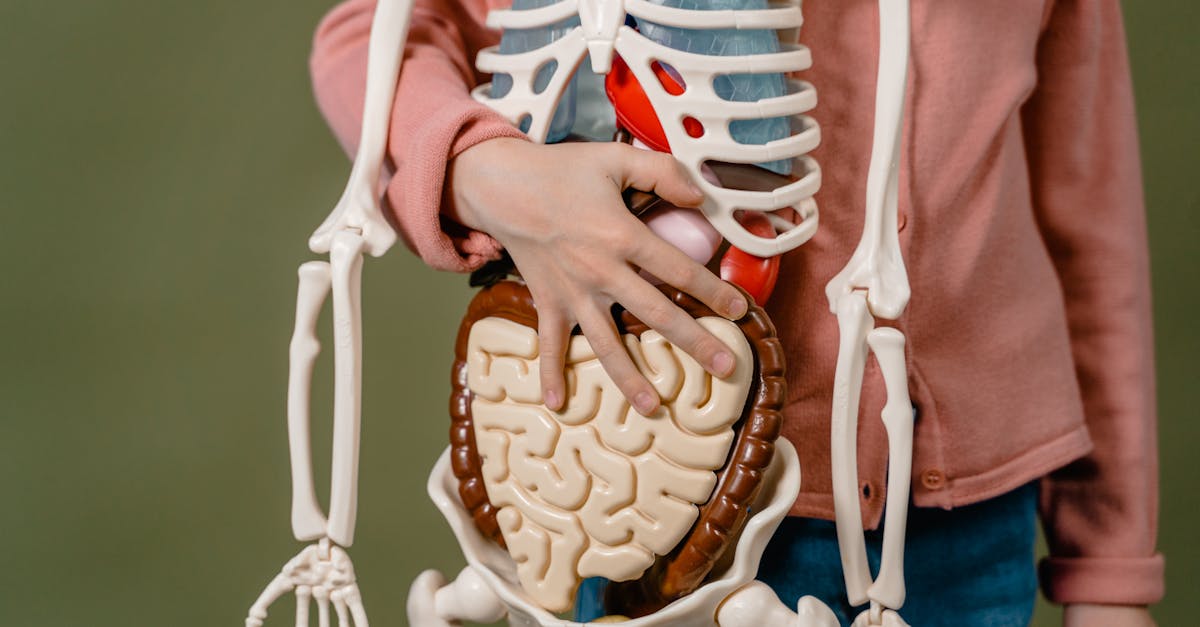
What Is Probiotics Used for: Who Actually Benefits — and Who Should Skip It
Probiotics are among the top-selling supplement categories in the United States, generating over $7 billion in annual retail sales. Yet a 2019 Cell paper by Zmora et al. found that many healthy individuals are "resister" phenotypes — meaning supplemental probiotic strains fail to colonize the gut mucosa at all, leaving consumers with an expensive and largely ineffective product (Zmora et al., Cell 2018; PMID: 30193112). That finding alone should prompt anyone stacking a daily probiotic to pause and ask the harder question: for whom do probiotics actually work, and what are they genuinely used for?
This article walks through the clinical evidence by health category, explains how timing and co-administration with prebiotics changes outcomes, and identifies the specific populations for whom probiotic supplementation may carry risk rather than benefit.
---
What Is Probiotics Used for? The Evidence by Health Category
The World Health Organization defines probiotics as "live microorganisms that, when administered in adequate amounts, confer a health benefit on the host." That definition hinges on two qualifiers most consumers ignore: adequate amounts and the host. The same strain at the same dose can produce strikingly different results depending on an individual's baseline microbiome, diet, and immune status.
Gastrointestinal Conditions
The strongest clinical evidence for probiotic use clusters around a handful of GI conditions:
- Antibiotic-associated diarrhea (AAD): A Cochrane systematic review of 82 randomized controlled trials (over 11,000 participants) found that probiotics reduced the incidence of AAD by approximately 37% compared to placebo, with Lactobacillus rhamnosus GG and Saccharomyces boulardii showing the most consistent effect (Goldenberg et al., Cochrane Database 2017; PMID: 28103638).
- Irritable bowel syndrome (IBS): Multi-strain formulas containing Lactobacillus acidophilus, Bifidobacterium longum, and Bifidobacterium lactis have demonstrated significant reductions in bloating and composite IBS symptom scores in several trials, though effect sizes are modest and strain-specificity matters enormously (Ford et al., American Journal of Gastroenterology 2014; PMID: 24445579).
- Clostridium difficile infection: Saccharomyces boulardii at 500–1,000 mg/day alongside standard antibiotic therapy reduced recurrence rates in a double-blind RCT by Surawicz et al. (Gastroenterology 2000; PMID: 10669892). This remains one of the more robust indications.
- Ulcerative colitis remission maintenance: E. coli Nissle 1917 has shown equivalence to mesalazine in maintaining remission in several European trials, though this strain is not widely available in U.S. consumer supplements (Kruis et al., Gut 2004; PMID: 15479682).
For general bloating or functional dyspepsia in otherwise healthy adults without a diagnosed GI condition, the evidence is considerably weaker.
Immune Function
Roughly 70% of the immune system is housed in gut-associated lymphoid tissue (GALT), which is why probiotic researchers have long investigated immune endpoints. A meta-analysis of 20 RCTs found that Lactobacillus and Bifidobacterium supplementation reduced the duration of upper respiratory tract infections by approximately one day and reduced the likelihood of experiencing at least one episode by 12% (Hao et al., Cochrane Database 2015; PMID: 25927096).
These benefits are most pronounced in populations with suboptimal baseline immunity: older adults, people under chronic psychological stress, and individuals who have recently completed a course of antibiotics.
Mental Health: The Gut-Brain Axis
Emerging data on the gut-brain axis suggests that specific probiotic strains — sometimes called "psychobiotics" — may modulate mood and stress markers via the vagus nerve and through production of short-chain fatty acids and neurotransmitter precursors. A 2019 RCT found that Lactobacillus rhamnosus JB-1 supplementation significantly reduced anxiety-related behavior and lowered fecal corticosterone compared to placebo in a preclinical model, but human trials remain early-stage (Bravo et al., PNAS 2011; PMID: 21876150).
If stress and adrenal function are part of your health picture, understanding how adaptogens like ashwagandha support the HPA axis alongside probiotic therapy may be relevant to a more comprehensive formula.
---
Best Probiotics for Skin: The Gut-Skin Axis
One of the most exciting — and most oversold — applications of probiotic supplementation is skin health. The gut-skin axis is a real and increasingly documented bidirectional relationship: dysbiosis in the gut microbiome correlates with flares in acne vulgaris, eczema (atopic dermatitis), rosacea, and psoriasis.
The mechanism involves intestinal permeability. When tight junctions in the gut epithelium degrade, lipopolysaccharides (LPS) from gram-negative bacteria translocate into circulation, triggering systemic low-grade inflammation that manifests — among other places — in the skin. Probiotic strains that reinforce gut barrier integrity may therefore indirectly reduce inflammatory skin conditions.
What the studies show:
| Condition | Strain | Trial Duration | Key Finding | Citation |
|---|---|---|---|---|
| Acne vulgaris | *L. rhamnosus* SP1 | 12 weeks | Reduced inflammatory lesion count vs. placebo | Fabbrocini et al., *Beneficial Microbes* 2016; [PMID: 26618545](https://pubmed.ncbi.nlm.nih.gov/26618545/) |
| Atopic dermatitis | *L. rhamnosus* GG | 4 weeks | Reduced SCORAD index in children | Kalliomäki et al., *Lancet* 2003; [PMID: 12583953](https://pubmed.ncbi.nlm.nih.gov/12583953/) |
| Skin hydration | *L. plantarum* HY7714 | 12 weeks | Improved skin water content and elasticity | Lee et al., *Journal of Microbiology and Biotechnology* 2015; [PMID: 26032886](https://pubmed.ncbi.nlm.nih.gov/26032886/) |
Important caveat: the best probiotics for skin are strain-specific. A generic "10 billion CFU" multi-strain capsule purchased at a drugstore is unlikely to contain the validated strains used in the trials above. Strain identity — not just CFU count — determines efficacy.
---
Can You Take Probiotics and Prebiotics Together?
The short answer is yes — and for most people, co-administration is superior to either alone. This combination is formally called a synbiotic.
Prebiotics are non-digestible fibers (primarily fructooligosaccharides, galactooligosaccharides, and inulin) that selectively feed beneficial bacteria already resident in the colon. When you take a probiotic alongside a prebiotic substrate, the incoming live organisms have a nutritional scaffold to support colonization — which directly addresses the "resister" phenotype problem identified in the Zmora Cell paper.
A 12-week RCT in older adults found that a synbiotic combining Bifidobacterium longum BB536 with fructooligosaccharides produced significantly greater increases in fecal Bifidobacterium counts and significantly greater reductions in constipation severity than the probiotic alone (Nishida et al., International Journal of Food Science and Nutrition 2016; doi.org/10.3109/09637486.2015.1134420).
Practical protocol for synbiotic use:
- Choose a prebiotic fiber (inulin, FOS, or partially hydrolyzed guar gum) at 3–5 g/day
- Take the prebiotic and probiotic simultaneously or within the same meal window
- Begin with a lower prebiotic dose and ramp up over 2 weeks to minimize gas and bloating
- Maintain for at least 8 weeks before assessing GI or immune endpoints
If you're also interested in optimizing magnesium intake for gut motility and sleep, magnesium glycinate pairs well in a formula alongside synbiotic support without interfering with probiotic viability.
---
Probiotics with Food or Without: Timing Matters More Than Most Labels Admit
Probiotic stability during gastric transit is the critical bottleneck most consumers overlook. Stomach acid (gastric pH 1.5–3.5 in a fasted state) can destroy a substantial proportion of unprotected bacterial cells before they reach the small intestine and colon.
A 2011 study by Tompkins et al. using Lactobacillus rhamnosus R0011 and L. helveticus R0052 found that survival rates through simulated gastric transit were significantly higher when probiotics were administered with a meal — particularly a meal containing fat — compared to fasting conditions or water alone (Beneficial Microbes 2011; PMID: 21831780).
Timing guidelines by scenario:
| Scenario | Recommendation | Reason |
|---|---|---|
| Standard dairy-free capsule | With a small meal containing fat | Raises gastric pH, buffers acid, slows transit |
| Enteric-coated capsule | More flexible; can take fasted | Coating protects against gastric acid |
| *S. boulardii* (yeast-based) | With or without food | Naturally acid-stable |
| High-CFU therapeutic dose | With morning or evening meal | Consistency improves adherence |
One nuance worth noting: if you're taking antibiotics concurrently, space probiotics at least 2 hours from the antibiotic dose to prevent the antibiotic from killing the supplemental organisms before they colonize.
---
Who Should Skip Probiotics — or Proceed with Caution
Probiotics are widely regarded as safe for healthy adults, but there are populations for whom supplementation carries a real risk signal:
- Severely immunocompromised individuals: People receiving chemotherapy, organ transplant recipients on immunosuppressants, or those with HIV/AIDS and very low CD4 counts have documented — though rare — cases of probiotic-derived bacteremia and fungemia (Boyle et al., Archives of Disease in Childhood 2006; PMID: 16714693). Avoid without specialist guidance.
- Patients with short bowel syndrome or active intestinal perforation: Probiotic organisms can translocate through compromised gut mucosa in these conditions.
- Premature neonates: While some NICU protocols use specific strains to reduce necrotizing enterocolitis risk, administration requires clinical supervision.
- Individuals on antifungal therapy: Saccharomyces boulardii is contraindicated with antifungals, as the medication will eliminate the probiotic organism.
- SIBO (small intestinal bacterial overgrowth): Counterintuitively, certain probiotic strains can worsen SIBO symptoms. A 2018 case series from the University of Augusta found that patients with SIBO who were taking probiotics experienced significantly higher rates of brain fog and bloating compared to SIBO patients not taking them (Rao et al., Clinical and Translational Gastroenterology 2018; PMID: 30166605).
Always consult your healthcare provider before beginning probiotic supplementation if you fall into any of the above categories.
---
What This Means for Your Formula
At Ones, personalized formulas are built from lab results, wearable data, and health history — which means probiotic-adjacent support can be calibrated based on actual biomarkers rather than generic recommendations. A few ingredients in the Ones catalog are particularly relevant to gut health and the conditions probiotics target:
1. Ones Liver Support Blend
The liver and gut are metabolically intertwined via the portal circulation. Dysbiosis-derived LPS is processed hepatically, and supporting liver detoxification pathways can reduce the systemic inflammatory burden associated with gut permeability issues. Ones includes a proprietary Liver Support System Blend in formulas where biomarkers suggest elevated hepatic load.
2. Zinc (as Zinc Bisglycinate)
Zinc is required for intestinal tight junction integrity — the same junctions that probiotic-derived short-chain fatty acids help maintain. Clinical studies demonstrate that zinc supplementation at 25–40 mg/day significantly reduces intestinal permeability in patients with Crohn's disease (Sturniolo et al., Alimentary Pharmacology & Therapeutics 2001; PMID: 11531535). Ones formulas include zinc at clinically relevant doses calibrated to serum zinc levels from your bloodwork.
3. Magnesium Complex
Magnesium glycinate at 200–400 mg/day supports gut motility and has been shown to reduce constipation frequency, which is an important co-variable in probiotic colonization research. Ones includes a Magnesium Complex in formulas where wearable sleep data or HRV patterns suggest magnesium insufficiency.
For those interested in understanding vitamin D3 and K2 synergy — vitamin D receptors are expressed throughout the gut epithelium, and vitamin D deficiency is independently associated with dysbiosis — Ones formulas can include D3 + K2 (MK-7) where serum 25-OH-D levels warrant it.
If you're curious about how omega-3 fatty acids interact with the gut microbiome — EPA and DHA have been shown to shift microbiome composition toward Bifidobacterium species — the omega-3 EPA DHA ratio guide covers the clinical evidence in detail.
---
Key Takeaways
- Probiotics are not universally effective. A significant portion of healthy adults are "resisters" who don't sustain mucosal colonization from supplemental strains — making personalized assessment more valuable than generic supplementation.
- Strain identity, not CFU count, determines what a probiotic can do. L. rhamnosus GG and S. boulardii have the strongest RCT track records across GI and immune endpoints.
- Taking probiotics with a fat-containing meal significantly improves gastric survival compared to fasting, especially for non-enteric-coated capsules.
- Synbiotics (probiotics + prebiotics taken together) outperform probiotics alone in colonization studies, particularly in older adults and post-antibiotic contexts.
- Best probiotics for skin are strain-specific: L. rhamnosus SP1 for acne and L. plantarum HY7714 for skin hydration have the strongest clinical backing — not generic multi-strain blends.
- Immunocompromised individuals, SIBO patients, and those on antifungals should avoid probiotics or seek specialist guidance before use. The risk/benefit calculus is meaningfully different in these populations.