Women's Health
What Is a Normal DHEA-S Level with PCOS?
DHEA-S is elevated in up to 65% of women with PCOS, yet most lab reports flag only the broadest population reference ranges — leaving many women confused about what their number actually means. Understanding your DHEA-S in the context of PCOS is one of the most clinically useful steps you can take toward managing androgens, stress reactivity, and metabolic symptoms.
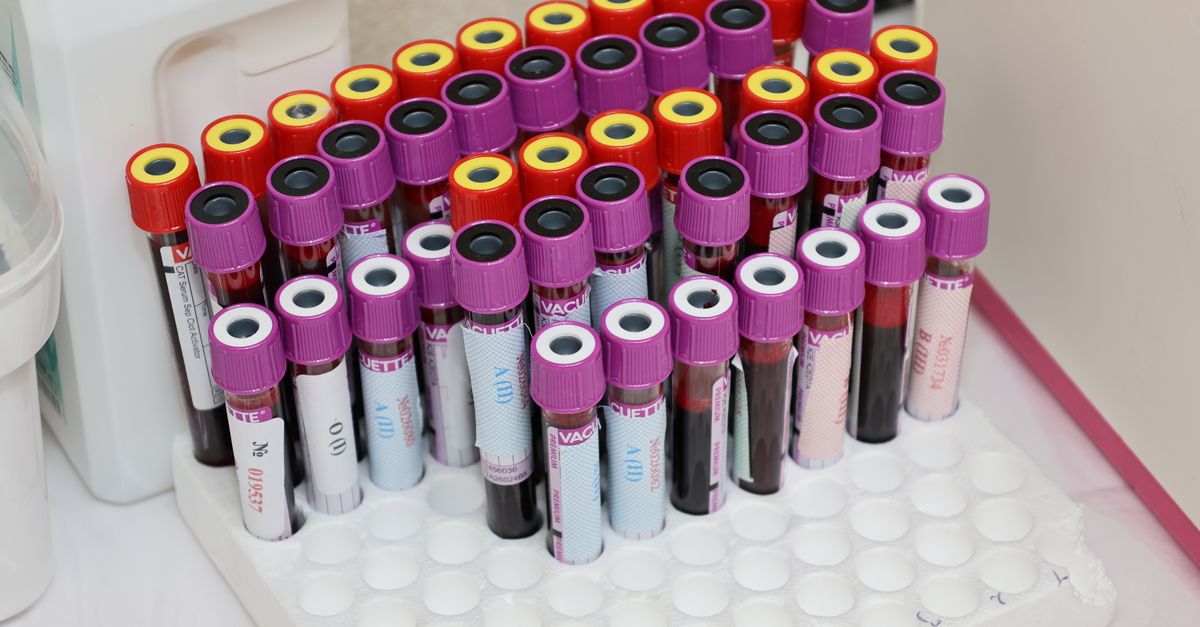
What Is a Normal DHEA-S Level with PCOS?
For most women with PCOS, a "normal" DHEA-S sits between 35–430 µg/dL depending on age, but PCOS-specific elevation above 200–300 µg/dL is common and clinically meaningful even when a lab flags it as "within range." The main caveat: DHEA-S alone doesn't diagnose androgen excess — it must be read alongside free testosterone, SHBG, and cortisol. The exception is women whose DHEA-S exceeds 700 µg/dL, which typically warrants imaging to rule out an adrenal tumor before attributing it to PCOS.
---
What Is DHEA-S and Why Does It Matter in PCOS?
Dehydroepiandrosterone sulfate (DHEA-S) is the sulfated, storage form of DHEA, produced almost exclusively by the adrenal glands. Unlike DHEA, which fluctuates throughout the day, DHEA-S is relatively stable in serum — making it the preferred clinical marker for adrenal androgen activity.
In polycystic ovary syndrome, androgen excess can originate from two sources: the ovaries and the adrenal glands. Roughly 20–30% of women with PCOS show purely ovarian androgen excess (elevated total or free testosterone with normal DHEA-S), but approximately 50–65% demonstrate some degree of adrenal contribution, reflected in elevated DHEA-S (Azziz et al., Journal of Clinical Endocrinology & Metabolism 2004; PMID: 15579788).
This distinction matters because the downstream management differs. Ovarian androgen excess responds well to interventions targeting insulin resistance and LH pulsatility, while adrenal excess is strongly driven by HPA axis dysregulation — in plain terms, chronic stress, poor sleep, and cortisol imbalance.
---
DHEA-S Reference Ranges: What Labs Show vs. What PCOS Research Says
Standard laboratory reference ranges for DHEA-S in adult women (ages 18–50) typically span 35–430 µg/dL, but these ranges pool healthy women and those with subclinical hormonal dysfunction together. PCOS-focused endocrinology research uses tighter, age-stratified benchmarks:
| Age Group | Population Average (µg/dL) | PCOS-Elevated Threshold (µg/dL) | Concern Level |
|---|---|---|---|
| 18–24 | 130–350 | > 350 | Moderate |
| 25–34 | 100–300 | > 280 | Moderate |
| 35–44 | 70–240 | > 220 | Mild-Moderate |
| 45–50 | 40–190 | > 180 | Mild |
| > 50 | 20–150 | > 150 | Evaluate other causes |
A DHEA-S above 700 µg/dL at any reproductive age is a red flag that goes beyond typical PCOS physiology. Current Endocrine Society guidelines recommend adrenal imaging (CT or MRI) when DHEA-S exceeds 700 µg/dL to exclude adrenocortical carcinoma or adenoma (Speiser et al., Journal of Clinical Endocrinology & Metabolism 2010; PMID: 20823466).
For understanding where your other PCOS hormone markers fall, it helps to look at the full picture — including what is a normal free testosterone level with PCOS and what is a normal SHBG level with PCOS, since these interact directly with adrenal androgens.
---
Why Stress Is a Major Driver of Elevated DHEA-S in PCOS
If you've noticed your PCOS symptoms flare during high-stress periods — acne breakouts, increased hair shedding, worsening irregular cycles — you're not imagining a connection. Cortisol and DHEA-S are co-products of adrenal activation. When the hypothalamic-pituitary-adrenal (HPA) axis is chronically stimulated by psychological, physiological, or inflammatory stress, ACTH (adrenocorticotropic hormone) rises and drives both cortisol and adrenal androgen secretion upward.
A landmark study by Rosenfield and Ehrmann found that women with PCOS show exaggerated adrenal responses to ACTH stimulation, secreting more DHEA-S per unit of ACTH compared to control women — suggesting the adrenal glands in PCOS are intrinsically more reactive, not just more stimulated (Rosenfield & Ehrmann, Endocrine Reviews 2016; PMID: 27159876).
This hyperreactivity means that everyday stressors — poor sleep, under-eating, over-training, or sustained anxiety — can meaningfully push DHEA-S upward in ways that don't happen in women without PCOS. Stress management is therefore not a lifestyle luxury for PCOS; it is a hormonal intervention.
Practical approaches that have clinical support for reducing HPA hyperactivity in PCOS:
- Sleep prioritization — Even one week of sleep restriction raises morning cortisol by 15–20% in healthy adults; the effect is amplified in insulin-resistant women.
- Resistance training over chronic cardio — High-volume endurance training raises cortisol acutely; resistance training improves insulin sensitivity without the same cortisol burden.
- Adaptogenic herbs — Ashwagandha (KSM-66 extract, 600 mg/day) reduced serum cortisol by 27.9% in a randomized controlled trial over 60 days (Chandrasekhar et al., Indian Journal of Psychological Medicine 2012; PMID: 23439798). Supporting HPA axis tone is a direct lever on adrenal androgen output.
- Diaphragmatic breathing and mind-body practices — Structured breathwork lowers salivary cortisol acutely and chronically in anxious populations.
- Reducing inflammatory dietary patterns — Ultra-processed foods and high glycemic load worsen insulin resistance, which further stimulates adrenal ACTH sensitivity.
---
The Psychological Weight of Living with Chronic PCOS Symptoms
Elevated DHEA-S doesn't exist in isolation — it exists inside a person who may have spent months or years cycling through symptoms, lab confusion, dismissal from clinicians, and the slow erosion of confidence in their own body. That psychological burden is real and measurable.
Studies consistently show that women with PCOS have significantly higher rates of depression (up to 3× the population rate), anxiety, and disordered eating compared to age-matched controls (Cooney et al., Human Reproduction 2017; PMID: 28333286). The reciprocal relationship is clinically important: psychological distress raises cortisol, cortisol stimulates ACTH, ACTH drives adrenal androgen production — and elevated DHEA-S feeds back into symptoms like acne and hair changes that themselves worsen self-esteem and mood.
For women navigating the long recovery arc — especially those who spent 12–18+ months working through overlapping symptoms — understanding that psychological healing is part of hormonal healing is not a soft claim. It is mechanistically grounded.
If you're tracking hormonal recovery alongside emotional recovery, following related markers helps provide objective benchmarks. Resources like what is a normal FSH level with PCOS and what is a normal LH level with PCOS can help you understand whether your pituitary-ovarian axis is also stabilizing as stress load decreases.
---
DHEA Supplementation and Weight: What the Research Actually Shows
DHEA is widely marketed as a weight loss supplement, and the question of whether it helps with body composition in PCOS is legitimate — but the answer is more nuanced than most marketing suggests.
In postmenopausal women and older men, exogenous DHEA supplementation (typically 25–50 mg/day) modestly improves lean mass and reduces visceral fat, partly by converting to estradiol or testosterone peripherally (Villareal & Holloszy, Journal of Clinical Endocrinology & Metabolism 2004; PMID: 15472201). However, women with PCOS — who already have elevated endogenous DHEA-S — present a fundamentally different clinical picture.
Adding exogenous DHEA when your adrenals are already overproducing can:
- Further elevate free testosterone (worsening acne and hirsutism)
- Suppress SHBG via hepatic pathways, increasing androgen bioavailability
- Potentially worsen insulin resistance at higher doses
For women with PCOS and low DHEA-S (which occurs in a subset, particularly those with HPA burnout or long-term stress-driven adrenal suppression), targeted low-dose DHEA under clinical supervision may be appropriate. But self-supplementing without testing is not advisable.
The weight management focus in PCOS is better directed at the upstream drivers: insulin resistance, cortisol dysregulation, and inflammatory load — rather than at DHEA directly. Interventions targeting insulin sensitivity (inositol, berberine, dietary carbohydrate management) have a far more robust evidence base for PCOS-related body composition than exogenous DHEA.
---
DHEA-S and Male Physiology: Why This Marker Shows Up in Men's Health Too
Although this article focuses on PCOS, it's worth clarifying that DHEA-S is an important androgen precursor in male physiology as well. Men produce DHEA-S from the adrenal glands (roughly 30–40% of overall androgen precursor pool in young men), and levels decline by approximately 10% per decade after age 30.
In men, low DHEA-S is associated with reduced libido, increased cardiovascular risk, and sarcopenia. Some clinicians assess DHEA-S as part of a functional men's health panel, particularly when total testosterone is in the lower-normal range and fatigue or mood symptoms are present.
For PCOS-specific purposes, the relevance of male DHEA physiology is context: understanding that DHEA-S is an adrenal androgen precursor shared across sexes helps explain why adrenal health interventions — stress reduction, sleep, adaptogenic support — benefit hormonal balance regardless of sex.
---
What Causes DHEA-S to Be Low in Some PCOS Cases?
Less commonly discussed is the subtype of PCOS where DHEA-S is below normal range. This pattern can emerge in women who have:
- Experienced prolonged HPA axis exhaustion from chronic stress or illness
- Used glucocorticoid medications (which suppress ACTH and adrenal output)
- Undergone significant caloric restriction or overtraining
- PCOS predominantly driven by hyperinsulinemia rather than adrenal androgens
In this subtype, progesterone levels may also be persistently low, adding to anovulatory dysfunction. Understanding the full hormonal picture — including what is a normal progesterone level in PCOS — helps distinguish whether the root driver is adrenal, ovarian, or metabolic.
Low DHEA-S with PCOS may also overlap with thyroid dysfunction, since hypothyroidism reduces adrenal enzyme activity. Checking TSH alongside DHEA-S is standard practice in a comprehensive PCOS workup.
---
How Ones Addresses Adrenal Androgen Balance in PCOS
Ones is an AI-driven personalized supplement platform that analyzes your lab results — including DHEA-S, cortisol patterns from wearables, and hormonal history — to build a custom capsule formula calibrated to your specific findings. Rather than offering a one-size-fits-all women's hormone blend, Ones selects from a catalog of clinically validated ingredients based on what your data actually shows.
For women with PCOS and elevated DHEA-S, several Ones ingredients are directly relevant:
Ashwagandha (KSM-66, 600 mg) — The most clinically validated adaptogen for HPA axis regulation. The Chandrasekhar 2012 RCT showed a 27.9% reduction in serum cortisol over 60 days at this dose, which mechanistically reduces the ACTH signal driving adrenal androgen secretion (PMID: 23439798). Ones uses the KSM-66 standardized extract at the full clinical dose.
Adrenal Support (System Blend) — Ones' proprietary Adrenal Support blend is formulated to modulate cortisol rhythm and reduce HPA hyperreactivity, directly relevant to the adrenal androgen overproduction pattern common in PCOS.
Magnesium Complex — Magnesium deficiency impairs HPA axis regulation and worsens insulin-driven androgen excess. PCOS is associated with lower intracellular magnesium, and supplementation has been shown to reduce fasting insulin and improve menstrual regularity in preliminary trials.
Because Ones formulas are built from your actual lab values and health history — not from self-reported symptoms alone — women with PCOS get a formula that distinguishes between adrenal-dominant, ovarian-dominant, and metabolic-dominant patterns rather than treating all PCOS the same way.
---
Key Takeaways
- A "normal" DHEA-S in PCOS is generally 35–430 µg/dL by population standards, but PCOS-relevant elevation often starts at 200–300 µg/dL depending on age — the broad reference range can mask clinically significant adrenal androgen excess.
- DHEA-S above 700 µg/dL warrants adrenal imaging to exclude a tumor before attributing the elevation to PCOS; this is a hard clinical threshold, not a soft guideline.
- Approximately 50–65% of women with PCOS have some degree of adrenal androgen contribution, making DHEA-S one of the most informative markers in the PCOS hormone panel.
- Chronic stress directly raises DHEA-S via ACTH-driven adrenal stimulation — stress management is not optional in PCOS management, it is hormonal medicine.
- Exogenous DHEA supplementation is not recommended for most women with PCOS who already have elevated DHEA-S; it can worsen testosterone levels, reduce SHBG, and amplify androgen symptoms.
- The psychological burden of PCOS is mechanistically linked to hormonal dysregulation — treating HPA reactivity through sleep, adaptogens, and stress reduction improves both emotional wellbeing and adrenal androgen markers.
---
Always consult a qualified healthcare provider before making changes to supplementation or treatment based on lab results. DHEA-S interpretation should be individualized and considered alongside the full hormonal and metabolic context of your health history.