Vitamins
What Is a Normal Folate Level?
Most labs flag folate deficiency below 2–3 ng/mL, but research suggests optimal function starts closer to 5–7 ng/mL. If your level sits in the low-normal gray zone, you may still experience fatigue, mood changes, or elevated homocysteine — the standard reference range doesn't tell the whole story.
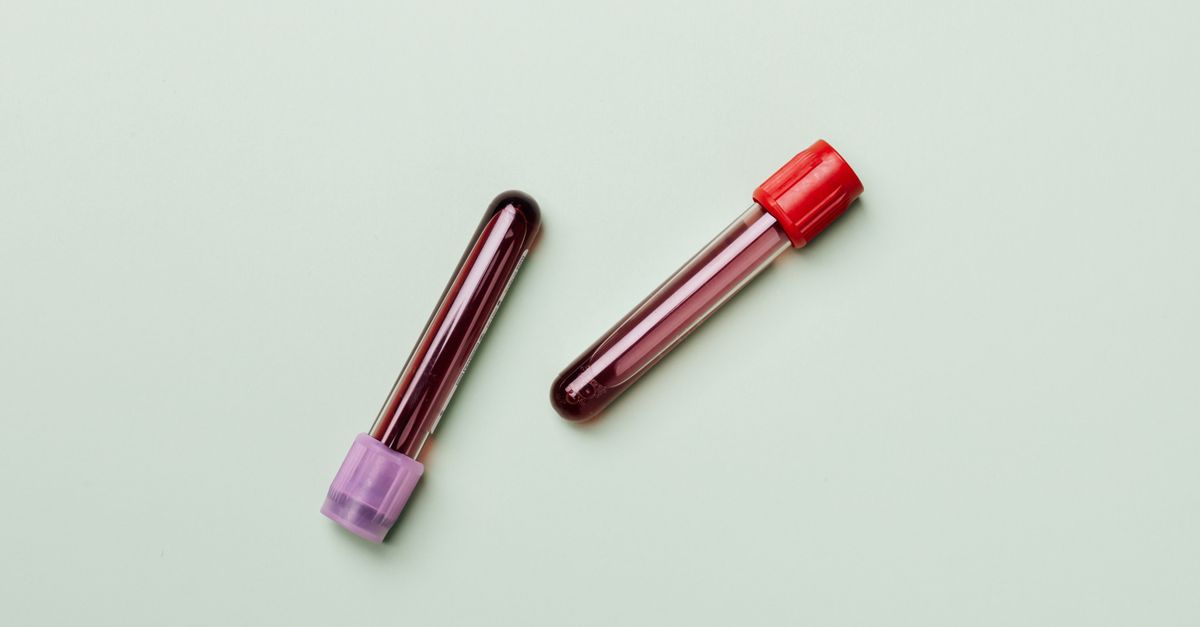
What Is a Normal Folate Level?
For most adults, a serum folate level of 3–17 ng/mL falls within the standard laboratory reference range, but emerging evidence places the functional optimum closer to 5–17 ng/mL. Below 2 ng/mL is frank deficiency; above 20 ng/mL warrants investigation, particularly to rule out B12 deficiency masking. Pregnant individuals need higher targets, and certain conditions — including PCOS and postpartum recovery — shift what's considered adequate.
---
Understanding Folate: What the Lab Is Actually Measuring
Folate is the umbrella term for a family of water-soluble B9 vitamins found naturally in food. The body converts dietary folate and supplemental folic acid into the active coenzyme form 5-methyltetrahydrofolate (5-MTHF), which is essential for DNA synthesis, red blood cell production, and the methylation cycle that regulates homocysteine levels.
Labs typically measure either serum folate (a snapshot of recent dietary intake over the past few weeks) or red blood cell (RBC) folate (a longer-term marker of folate status over roughly 90–120 days). These two tests answer different questions:
| Test | What It Reflects | Reference Range (Adults) |
|---|---|---|
| Serum folate | Recent intake (2–4 weeks) | 3–17 ng/mL (6.8–38.6 nmol/L) |
| RBC folate | Long-term status (3–4 months) | 140–628 ng/mL (317–1422 nmol/L) |
| Plasma folate | Similar to serum; used in research | 7–36 nmol/L |
Serum folate fluctuates more with day-to-day diet, which is why a single high-folate meal the night before a blood draw can nudge results upward. RBC folate is more stable and many clinicians consider it the more reliable indicator of true tissue-level folate status (Bailey et al., Journal of Nutrition 2010; PMID: 20200114).
If you're unsure which test to request or how to interpret your results, our guide on how to test your folate level explains both methods in detail.
---
What the Reference Range Actually Means — and Where It Falls Short
Standard lab ranges are designed to detect clinical deficiency and frank toxicity, not to identify the level at which your body performs optimally. This distinction matters enormously for folate.
A large cross-sectional analysis using NHANES data found that serum folate levels above 5–6 ng/mL were associated with lower homocysteine concentrations — a key cardiovascular and neurological risk marker — even among individuals who were technically "within range" at 3–5 ng/mL (Pfeiffer et al., American Journal of Clinical Nutrition 2012; PMID: 22492369). In other words, the low end of normal may not be normal enough for optimal metabolic function.
Similarly, the World Health Organization defines population-level folate adequacy using an RBC folate cutoff of >340 nmol/L (approximately 150 ng/mL) to minimize neural tube defect risk, a threshold higher than many labs' lower limits (WHO Technical Report 2015).
This is why results in the 3–5 ng/mL serum range — technically not deficient — can still produce symptoms like fatigue, low mood, or difficulty concentrating, especially in people with the MTHFR gene variant that reduces conversion efficiency. If your folate reads normal but you still feel off, understanding why folate-normal can still mean functionally low is an important next step.
---
Optimal vs. Reference: A Practical Target Guide
Below is a practical breakdown of how to interpret your serum folate result across the spectrum:
| Serum Folate (ng/mL) | Interpretation | Likely Action |
|---|---|---|
| < 2.0 | Frank deficiency | Aggressive repletion; check B12 |
| 2.0 – 4.9 | Low-normal / functional gray zone | Dietary optimization; consider 5-MTHF |
| 5.0 – 17.0 | Clinically adequate; optimal range | Maintain with diet/supplementation |
| 17.1 – 20.0 | High-normal | Review supplement doses |
| > 20.0 | Elevated; potentially masking B12 deficiency | Full B12 workup; check methylmalonic acid |
Note that these serum thresholds don't directly translate to RBC folate values — always compare to your lab's specific reference intervals.
---
What Causes Low Folate Levels?
Folate depletion is more common than many people realize. The body stores only about 5–10 mg of folate, and with a daily turnover requirement of roughly 400 mcg in non-pregnant adults, stores can drop within weeks of inadequate intake (NIH Office of Dietary Supplements, Folate Fact Sheet 2023).
Dietary causes are the most straightforward: folate is heat-sensitive and concentrated in leafy greens, legumes, and fortified grains. Cooking destroys 50–90% of food folate. Restricted diets, food insecurity, or low vegetable intake rapidly translate to lower serum levels.
Genetic factors play a significant role. The MTHFR C677T polymorphism, carried by approximately 10–15% of the global population in homozygous form, reduces enzymatic efficiency by up to 70%, meaning these individuals need higher folate intake to maintain adequate 5-MTHF for cellular processes (Frosst et al., Nature Genetics 1995; PMID: 7647779).
Medication interactions are frequently overlooked. Methotrexate, metformin, oral contraceptives, antiepileptics (phenytoin, carbamazepine), and proton pump inhibitors all interfere with folate absorption or metabolism to varying degrees.
Alcohol impairs folate absorption in the gut, increases urinary excretion, and disrupts hepatic folate storage — heavy alcohol use is one of the leading causes of macrocytic anemia driven by folate depletion.
Pregnancy and lactation dramatically increase demand. Requirements jump from 400 mcg DFE/day to 600–800 mcg DFE/day during pregnancy, and folate stores can be depleted rapidly if supplementation is inadequate. For more on what levels to target during this period, see our article on normal folate levels in pregnancy.
To understand the broader health consequences when folate drops, what a low folate level means for your health covers the downstream effects on red blood cells, homocysteine, and neurological function.
---
What Causes High Folate Levels?
Elevated serum folate — particularly above 20 ng/mL — most commonly results from high-dose supplementation, fortified food consumption, or recent dietary changes. In isolation, it's usually benign, but it carries one significant clinical concern: masking vitamin B12 deficiency.
High folate corrects the megaloblastic anemia that B12 deficiency causes, allowing that blood marker to normalize — while the neurological damage from B12 depletion continues unchecked. This is why any serum folate above 20 ng/mL should prompt a full B12 panel including methylmalonic acid (MMA) and homocysteine.
There is also evolving research around very high unmetabolized folic acid (UMFA) in the blood from synthetic supplement overuse, with some studies raising questions about immune function, though the clinical significance remains debated (Troen et al., Journal of Nutrition 2006; PMID: 16614415).
For a comprehensive look at what happens when folate runs high, see what a high folate level means.
---
Folate Needs Across Different Life Stages and Conditions
There is no single "normal" that applies universally. Folate requirements shift substantially across the lifespan and in specific health contexts:
Pregnancy
The neural tube closes between days 21–28 of embryonic development, often before pregnancy is confirmed. Adequate folate before conception is critical. The recommended intake is 400–800 mcg DFE/day preconception and 600–800 mcg DFE/day during pregnancy. Serum targets of 10–25 ng/mL are commonly used in prenatal monitoring.
Postpartum
Folate stores drop significantly during pregnancy. Breastfeeding demands 500 mcg DFE/day — higher than the non-pregnant adult RDA — and postpartum folate levels that fall below 5 ng/mL have been associated with postpartum mood dysregulation in some observational studies. Our guide on normal folate levels postpartum covers this in depth.
PCOS
Women with polycystic ovary syndrome often present with elevated homocysteine driven partly by folate insufficiency and MTHFR variants. Some research suggests that targeting higher serum folate — above 7–10 ng/mL — may support homocysteine normalization in this population (Murri et al., Clinical Endocrinology 2013). Our article on normal folate levels in PCOS details the clinical nuances.
Older Adults
Absorption efficiency declines with age, and atrophic gastritis reduces intrinsic factor availability, further complicating B12/folate interplay. Adults over 65 are more likely to have elevated UMFA due to decreased enzymatic processing, even with modest supplement doses.
---
Folate, Homocysteine, and Why the Number Isn't the Whole Story
Folate's most critical biochemical role is as a methyl donor in the conversion of homocysteine to methionine. When folate (or B12 or B6) is insufficient, homocysteine accumulates in the blood. Elevated homocysteine is an independent risk factor for cardiovascular disease, cognitive decline, and adverse pregnancy outcomes.
A landmark meta-analysis of randomized trials found that folic acid supplementation reduced plasma homocysteine by approximately 25% on average — a clinically meaningful reduction given that each 5 µmol/L increase in homocysteine is associated with a 20–30% increase in coronary artery disease risk (Homocysteine Lowering Trialists' Collaboration, BMJ 1998; PMID: 9566906).
This means that someone with a serum folate of 4.5 ng/mL — technically in-range — but a homocysteine of 15 µmol/L has a functional folate problem that the folate number alone wouldn't reveal. Measuring both markers together gives a far more actionable picture.
For context, hs-CRP is another inflammatory marker often tested alongside homocysteine in cardiovascular risk assessment; our explainer on what a normal hs-CRP level means is a useful companion read.
---
How to Increase Folate Levels Effectively
Dietary Sources
Folate is abundant in:
- Dark leafy greens: spinach (~263 mcg/cup cooked), romaine, arugula
- Legumes: lentils (~358 mcg/cup cooked), black beans, chickpeas
- Fortified grains: enriched bread, pasta, cereals (mandated in the US since 1998)
- Liver and organ meats: among the highest natural sources (~215 mcg per 3 oz)
- Avocado: approximately 90 mcg per fruit
- Asparagus: ~89 mcg per 4 spears cooked
Supplementation Forms
Not all supplement forms are equally effective:
| Form | Bioavailability | Best For |
|---|---|---|
| Folic acid (synthetic) | High, but requires conversion | General population; well-studied |
| 5-MTHF (methylfolate) | Directly active; no conversion needed | MTHFR variants; malabsorption |
| Folinic acid (5-formyl-THF) | Active; different metabolic path | Those who don't tolerate methylfolate |
For individuals with MTHFR variants, 5-MTHF (methylfolate) bypasses the conversion bottleneck entirely and is increasingly preferred in clinical settings for repletion.
---
What This Means for Your Formula
Folate is one of the nutrients where the gap between "within lab range" and "actually optimal" is widest — especially for people with genetic variants, absorption issues, or increased physiological demand. A personalized approach that considers your actual lab values, MTHFR status, and health context is meaningfully different from a one-size-fits-all multivitamin.
Ones uses your blood work and health history to assess not just whether your folate is technically in range, but whether your homocysteine, B12, and other methyl-cycle markers suggest a functional need. Where warranted, formulas can include methylfolate (5-MTHF) at doses calibrated to your results — not a default 400 mcg across the board. For individuals with elevated homocysteine driven by folate or B12 insufficiency, Ones may also incorporate methylcobalamin (B12) and pyridoxal-5-phosphate (active B6), the three coenzymes that work in concert to drive homocysteine back down to safe levels.
This kind of coordinated micronutrient approach — grounded in actual lab data rather than population averages — is the difference between correcting a number and addressing the underlying metabolic pathway.
---
Key Takeaways
- Standard serum folate reference range is 3–17 ng/mL, but functional optimization likely begins closer to 5 ng/mL, based on homocysteine response data.
- RBC folate (target >150 ng/mL / 340 nmol/L) is a better long-term marker than serum folate, which fluctuates with recent intake.
- Low folate can be driven by poor diet, the MTHFR gene variant, alcohol use, medications like metformin or oral contraceptives, or increased demand during pregnancy and lactation.
- High folate (>20 ng/mL) is usually from supplementation and is benign on its own, but requires ruling out B12 deficiency masking.
- Folate level alone doesn't tell the whole story — homocysteine is the functional downstream marker that reveals whether your folate and B12 methylation cycle is actually working.
- Requirements vary significantly by life stage and condition; pregnant, postpartum, and PCOS populations have distinct targets that differ from general adult recommendations.