Lab Results
What Is a Normal HbA1c Level in Postpartum?
After delivery, your blood sugar landscape shifts dramatically — especially if you had gestational diabetes. Knowing what counts as a normal HbA1c postpartum versus a warning sign can determine whether you catch prediabetes early or miss a five-year window to reverse it. The ranges aren't identical to standard adult references, and the timeline matters more than most clinicians explain.
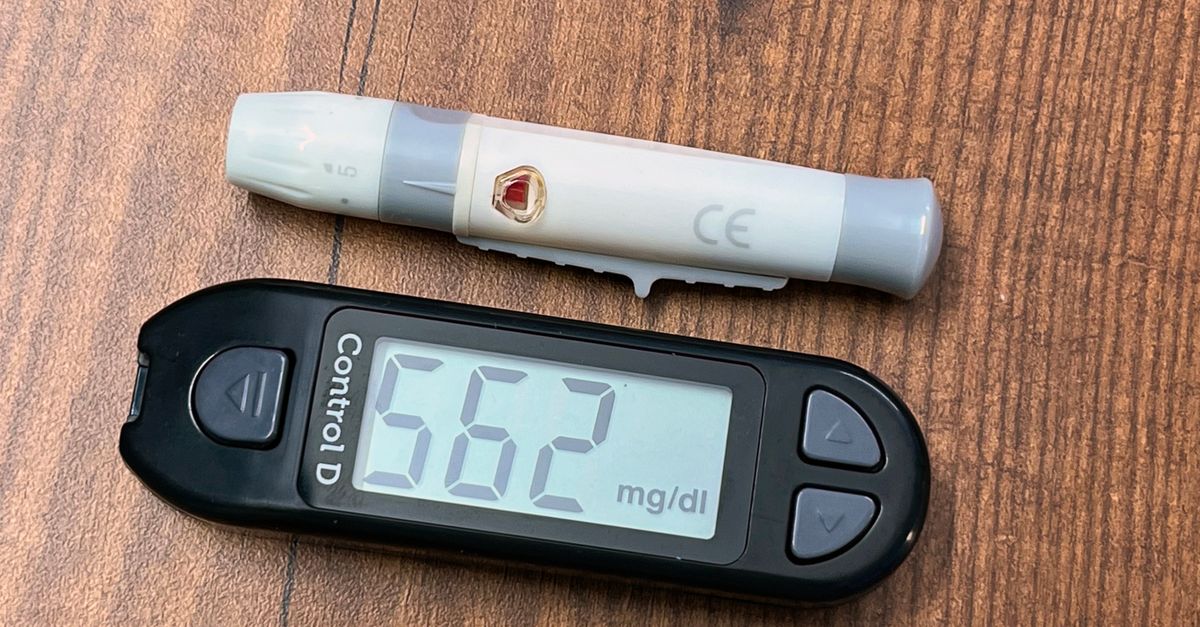
What Is a Normal HbA1c Level in Postpartum?
For most postpartum women, a normal HbA1c falls between 4.8% and 5.6% (29–38 mmol/mol). If you had gestational diabetes mellitus (GDM), anything at or above 5.7% signals prediabetes territory and warrants follow-up. The critical exception: breastfeeding can modestly lower fasting glucose and improve insulin sensitivity, so exclusively nursing mothers may run slightly lower numbers in the first few months.
---
Why Postpartum HbA1c Is Different from a Standard Reading
HbA1c measures the percentage of hemoglobin coated with glucose over roughly 90 days — your red blood cells' average lifespan. That sounds straightforward, but the postpartum period disrupts this calculation in at least three ways that clinicians don't always communicate clearly.
1. Red blood cell turnover is accelerated after delivery. Blood loss during childbirth triggers a compensatory surge in erythropoiesis (new red blood cell production). Younger red blood cells carry proportionally less glycated hemoglobin than older ones, which means your HbA1c can read artificially lower than your actual glucose control would suggest in the first 6–8 weeks postpartum. A fasting plasma glucose or oral glucose tolerance test (OGTT) is generally more accurate in this window (American Diabetes Association Standards of Care, 2023).
2. Pregnancy itself inflates red blood cell volume. Plasma volume expands by up to 50% during pregnancy, diluting red blood cell concentration. After delivery, this resolves over weeks to months, changing the denominator that HbA1c is calculated from. Both hemodilution and hemoconcentration effects can shift HbA1c by 0.1–0.3 percentage points — small enough to seem trivial, large enough to move a value across a diagnostic cutoff.
3. Iron-deficiency anemia artificially elevates HbA1c. Postpartum iron deficiency is extremely common — prevalence estimates range from 14% to 27% of women in the first three months after birth (Milman, Acta Obstetricia et Gynecologica Scandinavica, 2011; PMID: 21241260). Iron deficiency reduces red blood cell lifespan and increases the proportion of older, more heavily glycated cells, which pushes HbA1c upward even when glucose is well controlled. If your HbA1c comes back unexpectedly elevated and you also have low ferritin, get both interpreted together before making clinical decisions.
---
HbA1c Reference Ranges in the Postpartum Period
The following table reflects current ADA, WHO, and ACOG guidance adapted to the postpartum context:
| HbA1c (%) | mmol/mol | Interpretation | Action |
|---|---|---|---|
| < 4.8 | < 29 | Below normal — possible hemolytic anemia or iron supplementation artifact | Investigate with CBC and reticulocyte count |
| 4.8 – 5.6 | 29 – 38 | Normal range | Routine follow-up |
| 5.7 – 6.4 | 39 – 46 | Prediabetes / high risk, especially post-GDM | Lifestyle intervention; retest in 6–12 months |
| ≥ 6.5 | ≥ 48 | Diagnostic of type 2 diabetes (if confirmed on repeat) | Immediate clinical management |
For women with no history of GDM, a value in the 4.8–5.6% band is entirely reassuring and requires no further glucose testing beyond standard annual screens. For women who did have GDM, the threshold that demands action shifts — guidelines from the American College of Obstetricians and Gynecologists (ACOG) recommend testing at 4–12 weeks postpartum with a 75 g OGTT (preferred over HbA1c in that early window for the reasons above), and then annually thereafter using HbA1c or fasting glucose.
---
Gestational Diabetes and Your Postpartum Risk Window
GDM affects roughly 6–9% of pregnancies in the United States, and the trajectory after delivery is alarming if unmonitored: women with GDM have a 7-fold higher lifetime risk of developing type 2 diabetes compared to women without GDM, and up to 50% progress to T2D within 5–10 years (Kim et al., Diabetes Care, 2002; PMID: 11815495).
The postpartum period is not a reset. It is a prognostic window. A 2020 meta-analysis pooling data from 20 cohort studies found that women with a postpartum HbA1c ≥ 5.7% had more than twice the risk of T2D conversion within 3 years compared to those with values below 5.5% (Vounzoulaki et al., BMJ, 2020; PMID: 32546521). The same analysis found that fewer than 50% of women with GDM receive the recommended postpartum glucose screening at all — meaning the majority enter their highest-risk window without a baseline measurement.
If you are reading this and you had GDM but have not yet tested at 4–12 weeks postpartum, schedule it now. The window is not indefinite: HbA1c taken earlier than 6 weeks postpartum can underestimate true glucose burden due to the red blood cell turnover effects described above. Between 8 and 12 weeks is an optimal balance between timing accuracy and not missing the early risk signal.
---
How Breastfeeding Affects HbA1c Postpartum
Exclusive breastfeeding has a measurable, favorable effect on postpartum glucose metabolism — and understanding its mechanism matters if you're interpreting your numbers. Lactation increases glucose demand in the mammary gland, draws down maternal glycogen stores, and enhances peripheral insulin sensitivity through mechanisms that include increased GLUT4 transporter expression in muscle tissue.
A prospective study in women with prior GDM found that those who breastfed exclusively for at least 10 weeks had significantly lower fasting glucose and 2-hour OGTT values at 3 months postpartum compared to non-breastfeeding controls (Gunderson et al., Obstetrics & Gynecology, 2012; PMID: 23168763). HbA1c was also modestly lower in the breastfeeding group, though the difference was attenuated by the red blood cell turnover artifact in early postpartum. The practical upshot: if you are exclusively breastfeeding and your HbA1c reads in the high-normal range (5.4–5.6%), that value may actually be more concerning than it looks once breastfeeding's protective effect is accounted for — meaning your underlying glucose dysregulation may be slightly worse than the number suggests.
Conversely, once breastfeeding stops, some women experience a transient worsening of insulin sensitivity. This is a normal hormonal transition, not a failure, but it is worth tracking with a retest 3–6 months after weaning if you had GDM.
---
Postpartum Hormones, Cortisol, and Blood Sugar Dysregulation
The postpartum period involves a dramatic hormonal recalibration that directly affects blood glucose regulation, independent of what happened during pregnancy. Estrogen and progesterone fall sharply after delivery. These hormones had been sensitizing peripheral tissues to insulin during pregnancy; their sudden withdrawal can transiently worsen insulin resistance in some women.
Cortisol is arguably the larger factor. The postpartum period is one of the most physiologically stressful transitions a body undergoes. Sleep deprivation alone — a near-universal feature of new parenthood — is well established as a driver of insulin resistance. A controlled study in healthy adults found that just 6 nights of sleep restriction (4 hours per night) reduced insulin sensitivity by 25% and elevated fasting glucose by an average of 6 mg/dL (Spiegel et al., Sleep, 1999; PMID: 10607161). In postpartum women who are also navigating hormonal flux, immune reactivation, and thyroid changes (postpartum thyroiditis affects up to 10% of women), the compounding effect on glucose can be substantial.
If you want to understand how your cortisol patterns are affecting your metabolic markers, the article What Is a Normal Cortisol Level Postpartum? walks through the reference ranges and what dysregulation looks like in this period. Separately, because thyroid dysfunction can mimic or amplify metabolic symptoms, knowing What Is a Normal Thyroid Level Postpartum? is equally relevant context.
---
Nutrients That Directly Influence HbA1c Postpartum
Postpartum nutritional depletion is real and underappreciated. Pregnancy draws heavily on maternal stores of iron, magnesium, zinc, choline, and vitamin D — and most of these nutrients play direct or indirect roles in glucose regulation. Recovery of these stores postpartum is not automatic; it depends on diet quality, supplementation, and how quickly gut absorption normalizes after the physiological changes of pregnancy.
Magnesium and insulin signaling. Magnesium is a cofactor for over 300 enzymatic reactions, including multiple steps in the insulin-signaling cascade. Low intracellular magnesium impairs insulin receptor tyrosine kinase activity and reduces GLUT4 translocation. A 2013 randomized controlled trial in adults with prediabetes and hypomagnesemia found that oral magnesium supplementation (382 mg/day elemental magnesium as magnesium chloride) for 4 months reduced HbA1c from 6.1% to 5.8% compared to placebo (Guerrero-Romero et al., Diabetes & Metabolism, 2015; PMID: 25529127). Postpartum women are at disproportionate risk of magnesium insufficiency due to the demands of lactation.
Vitamin D and beta-cell function. Vitamin D receptors are expressed on pancreatic beta cells, and vitamin D deficiency impairs insulin secretion in response to glucose load. Postpartum vitamin D deficiency is extremely prevalent — one study found that nearly 70% of new mothers had 25(OH)D levels below 30 ng/mL at 6 weeks postpartum. For context on what a healthy vitamin D level looks like after delivery, see What Is a Normal Vitamin D Level Postpartum?. Supplementing to replete deficiency is unlikely to dramatically shift HbA1c in isolation, but it addresses a permissive factor in beta-cell dysfunction.
Chromium and glucose metabolism. Chromium potentiates insulin action by facilitating the binding of insulin to its receptor. Deficiency is associated with impaired glucose tolerance. Pregnancy and lactation increase chromium excretion, and dietary intakes in most postpartum women fall below the adequate intake level. Chromium supplementation is not a standalone HbA1c intervention, but as part of a broader metabolic support strategy, it addresses a genuine nutritional gap in this population.
For women also navigating menopause or hormonal transition alongside postpartum recovery (for example, after a later-in-life pregnancy), the parallel article on What Is a Normal HbA1c Level in Menopause? provides additional context on how hormonal shifts compound glucose dysregulation.
---
When to Retest and What Protocol to Follow
The testing timeline after pregnancy is not one-size-fits-all. The following framework is based on ACOG and ADA guidance with practical modifications for the issues outlined above:
- 4–12 weeks postpartum: Preferred test is a 75 g OGTT with fasting and 2-hour glucose. HbA1c is less reliable in this window due to red blood cell turnover. If OGTT is not feasible, HbA1c is acceptable but interpret cautiously.
- 3–6 months postpartum: HbA1c is now more accurate. This is a good time for a combined panel: HbA1c, fasting insulin, fasting glucose, ferritin (to rule out anemia artifact), and 25(OH)D.
- 6–12 months postpartum: Annual glucose screening should be established. If HbA1c was in the 5.5–5.6% range at 3 months, retest at 12 months. Values that are stable are reassuring; values that are trending upward warrant lifestyle intervention.
- After weaning: Retest 3 months after breastfeeding stops if you had GDM, as the protective metabolic effect of lactation will no longer be present.
- If symptomatic: Symptoms of hyperglycemia — excessive thirst, frequent urination, fatigue, blurred vision — warrant immediate testing regardless of timeline.
Lifestyle factors with the strongest HbA1c-lowering evidence in postpartum and high-risk populations include: resistance training (which increases GLUT4 expression in skeletal muscle), dietary patterns that emphasize low-glycemic whole foods and adequate protein, and sleep optimization where possible. A 2006 landmark trial found that lifestyle intervention (diet + 150 minutes of moderate exercise weekly) reduced T2D progression in high-risk individuals by 58% over 3 years — a larger effect than metformin alone (Knowler et al., NEJM, 2002; PMID: 11832527).
---
What This Means for Your Formula
If your postpartum HbA1c is trending toward the high-normal or prediabetes range, supplementation is most effective when it's matched to your actual deficiencies — not a generic multivitamin guess. Ones uses your uploaded lab results (including HbA1c, fasting insulin, ferritin, and 25(OH)D) to build a personalized capsule formula calibrated to your findings.
For postpartum metabolic support, three ingredients are most relevant:
- Magnesium Glycinate — Ones includes magnesium in a highly bioavailable glycinate form. The glycinate chelate bypasses the GI tolerability issues common with oxide and citrate forms, which matters during postpartum when GI motility is already variable. Clinical trials supporting HbA1c reduction used doses in the 300–400 mg elemental magnesium range, which is reflected in Ones' formulation.
- Vitamin D3 + K2 (MK-7) — Ones pairs D3 with MK-7 (the most bioavailable vitamin K2 form) to support both calcium partitioning and the D3 absorption pathway. For postpartum women with documented D3 deficiency and borderline glucose markers, repleting D3 to the 40–60 ng/mL functional range addresses the beta-cell permissive factor discussed above.
- Omega-3 (EPA/DHA) — Omega-3 fatty acids reduce postpartum inflammation and have a modest but consistent effect on insulin sensitivity in RCT data. They also support mood stabilization during the hormonal recalibration phase — relevant because postpartum anxiety and depression are independent drivers of cortisol elevation and insulin resistance.
Ones does not prescribe a fixed plan — the AI practitioner determines your capsule count (6 or 9 daily) based on the totality of your lab findings and health history, ensuring your formula is proportionate to your actual needs.
---
Key Takeaways
- A normal postpartum HbA1c is 4.8–5.6% for most women; the 5.7–6.4% range signals prediabetes risk and warrants follow-up, especially after GDM.
- HbA1c can be artificially low in the first 6–8 weeks postpartum due to accelerated red blood cell turnover; the 75 g OGTT is more reliable in that early window.
- Iron-deficiency anemia — extremely common postpartum — can artificially elevate HbA1c; always interpret the two markers together.
- Women with GDM face a 7-fold higher lifetime T2D risk; postpartum screening is the single highest-leverage intervention to catch progression early.
- Breastfeeding provides a measurable metabolic benefit that may slightly mask underlying glucose dysregulation; retest 3–6 months after weaning.
- Targeted repletion of magnesium, vitamin D, and omega-3 addresses the nutrient gaps most directly linked to postpartum glucose dysregulation — but dosing should follow your actual lab values, not population averages.
---
This article is for educational purposes only and does not constitute medical advice. Consult your healthcare provider before making changes to your supplementation or treatment plan.