Lab Results
What Happens to HbA1c in the Postpartum Period?
HbA1c doesn't snap back to a single 'normal' number after delivery — and for women who had gestational diabetes, that number over the next 12 months is one of the strongest predictors of lifetime type 2 diabetes risk. Understanding what's driving the shift, and what optimal actually looks like postpartum, can change the trajectory of your metabolic health for decades.
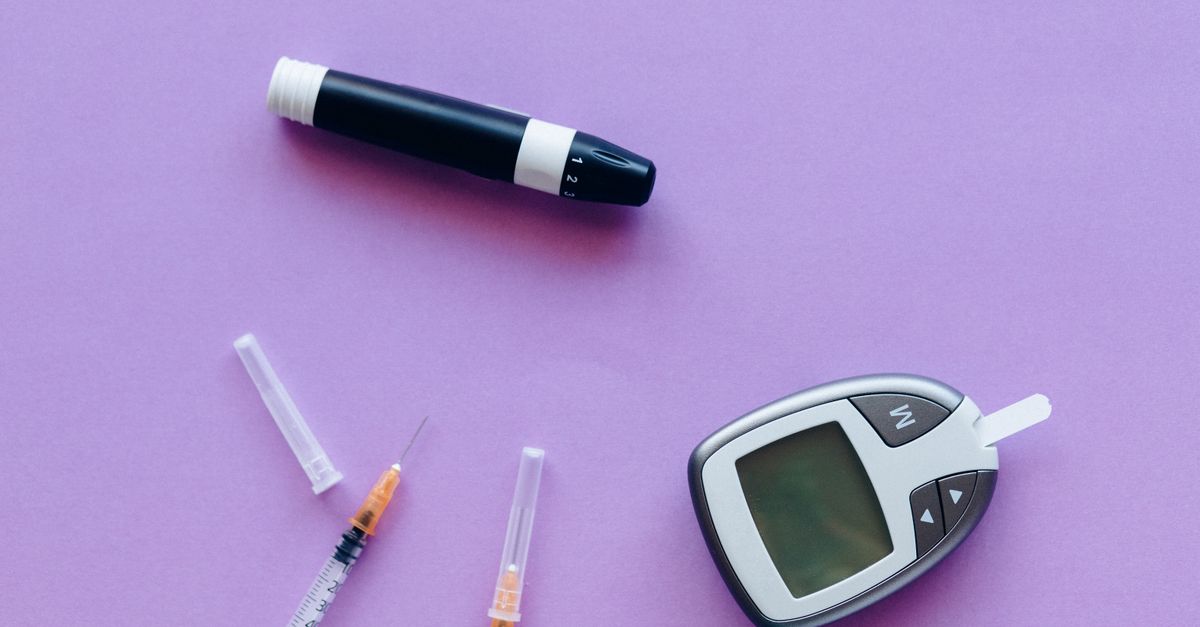
What Happens to HbA1c in the Postpartum Period?
For most new mothers without gestational diabetes, HbA1c normalizes within 6–12 weeks postpartum as placental hormones clear. The important caveat: women who had gestational diabetes (GDM) face a 10-year cumulative risk of developing type 2 diabetes approaching 50%, and their HbA1c trajectory in the first year postpartum is one of the strongest early signals of that risk. If your levels were elevated during pregnancy, the postpartum window is one of the highest-leverage times to act.
---
Why Pregnancy Scrambles Blood Sugar Markers
During pregnancy, the placenta secretes human placental lactogen (hPL), progesterone, estrogen, and cortisol — all of which progressively blunt insulin sensitivity in the mother. This is intentional physiology: it ensures a steady glucose supply crosses to the fetus. But the effect is powerful enough that insulin resistance in the third trimester is roughly equivalent to the resistance seen in early type 2 diabetes (Catalano et al., Diabetes Care 2003; PMID: 12941733).
HbA1c itself measures the percentage of hemoglobin glycated over approximately 90 days. During pregnancy, however, two factors compress its reliability:
- Increased red blood cell (RBC) turnover. The plasma volume expansion of pregnancy (up to 50%) dilutes RBCs and shortens their lifespan, which artificially lowers HbA1c relative to actual glucose exposure.
- Iron deficiency anemia. Common in pregnancy and the postpartum period, iron deficiency raises HbA1c by extending RBC survival, sometimes masking normal glucose control or exaggerating it.
This means a postpartum HbA1c of 5.4% could reflect genuinely excellent glucose control — or it could be a slightly compressed reading from iron deficiency. Context, including ferritin and a full blood count, matters.
Once the placenta is delivered, hPL drops within hours and progesterone falls over days. For women without GDM, insulin sensitivity largely rebounds within 4–8 weeks. For women with GDM, the rebound is partial: beta-cell secretory capacity that was already borderline during pregnancy remains impaired, and peripheral insulin resistance persists longer than it does in matched controls (Buchanan & Xiang, Journal of Clinical Investigation 2005; PMID: 15765129).
---
What the Optimal HbA1c Range Looks Like Postpartum
Standard laboratory reference ranges call HbA1c below 5.7% "normal," 5.7–6.4% "prediabetes," and 6.5%+ "diabetes." But functional-medicine practitioners typically interpret the postpartum context differently, and for good reason.
| HbA1c Value | Conventional Label | Functional/Postpartum Interpretation |
|---|---|---|
| < 5.0% | Normal | Optimal — low long-term risk |
| 5.0–5.4% | Normal | Excellent, especially if no GDM history |
| 5.5–5.6% | Normal (borderline) | Monitor; check fasting insulin and HOMA-IR |
| 5.7–6.0% | Prediabetes | Clinically significant postpartum; warrants dietary intervention |
| 6.1–6.4% | Prediabetes | High conversion risk; lifestyle + possible pharmacotherapy |
| ≥ 6.5% | Diabetes | Postpartum diabetes diagnosis |
For women with prior GDM, the American Diabetes Association recommends retesting with a 75 g oral glucose tolerance test (OGTT) at 4–12 weeks postpartum — not HbA1c alone — because HbA1c can still be suppressed by the hematologic changes of late pregnancy (American Diabetes Association, Diabetes Care 2023; Standards of Medical Care in Diabetes). After 12 weeks, HbA1c becomes a more reliable longitudinal marker.
Fasting insulin and HOMA-IR add critical nuance that HbA1c alone misses. A woman can have an HbA1c of 5.3% alongside fasting insulin of 18 µIU/mL — indicating meaningful insulin resistance that HbA1c hasn't yet captured. If you want to understand the full picture of your postpartum metabolic status, pairing HbA1c with fasting insulin interpretation is far more informative than either marker in isolation.
---
The GDM-to-Type-2 Diabetes Pipeline: What the Data Actually Show
The progression from GDM to type 2 diabetes is not inevitable, but it is strikingly common. A landmark meta-analysis of 20 studies found a roughly 7-fold higher relative risk of type 2 diabetes in women with prior GDM compared to those with normal glucose tolerance in pregnancy (Bellamy et al., The Lancet 2009; PMID: 19465232). The absolute 10-year conversion risk ranged from 15% to 50% depending on ethnicity, BMI, and whether lifestyle changes were made.
The postpartum HbA1c value at 6–12 weeks is particularly predictive. In the SWIFT cohort study of 959 women with GDM, each 0.1% increase in postpartum HbA1c was associated with a measurable increase in 2-year type 2 diabetes incidence (Gunderson et al., American Journal of Obstetrics & Gynecology 2015; PMID: 25557209). Women who breastfed had significantly lower postpartum glucose levels than those who formula-fed, independent of diet — an effect attributed to the caloric and glucose draw of lactation, as well as improvements in insulin sensitivity mediated by prolactin.
Breastfeeding is one of the most underappreciated metabolic interventions in the postpartum period. Exclusively breastfeeding mothers burn approximately 500 extra kcal per day and show meaningful improvements in beta-cell function relative to non-breastfeeding mothers at equivalent time points postpartum. This doesn't make breastfeeding a medical prescription, but it contextualizes why HbA1c trajectories diverge between feeding groups.
---
Optimal HbA1c Range: Why "In Range" Isn't Always Optimal
A recurring theme in functional lab interpretation is that reference ranges are built from population distributions, not from outcome data. An HbA1c of 5.6% is technically "normal" by every laboratory's cutoff — but population-level data from the ARIC study showed that cardiovascular event rates begin rising meaningfully at HbA1c values above 5.0–5.5%, well below the prediabetes threshold (Selvin et al., New England Journal of Medicine 2010; PMID: 20393178).
For postpartum women specifically, the goal isn't just "below 5.7%." A functional target of 4.8–5.3% reflects genuine glucose stability, preserved beta-cell reserve, and low glycation burden. Getting there requires understanding the levers: diet composition, sleep quality, movement timing, stress load, and targeted nutritional support.
If you're also tracking triglycerides or LDL — both of which shift in the postpartum period along with glucose metabolism — understanding what causes triglycerides to be out of range can help you connect the metabolic dots. Dyslipidemia and dysglycemia often travel together, especially in the context of postpartum insulin resistance.
---
Stress, Cortisol, and the HbA1c Connection Postpartum
New parenthood is one of the most sustained high-cortisol states a human body goes through outside of clinical illness. Sleep fragmentation, physical recovery from birth, identity transition, and social isolation all activate the hypothalamic-pituitary-adrenal (HPA) axis. And cortisol directly raises blood glucose by stimulating hepatic gluconeogenesis, suppressing GLUT-4 translocation in muscle, and increasing glucagon secretion.
Chronically elevated cortisol doesn't just raise fasting glucose acutely — it contributes to beta-cell apoptosis over time. Animal models show that sustained glucocorticoid exposure reduces pancreatic beta-cell mass, and human cross-sectional data link elevated cortisol-to-DHEA ratios with worsening HbA1c in people without diabetes.
This means that stress management is not a soft, optional add-on to postpartum metabolic health — it is a direct mechanism affecting HbA1c. The postpartum period is also associated with elevated inflammatory markers including ESR and CRP. Inflammation itself worsens insulin signaling at the receptor level. If you're seeing elevated inflammatory markers alongside a creeping HbA1c, understanding what causes ESR to be out of range is a useful parallel investigation.
Practical stress reduction strategies that have clinical evidence behind them in the context of glucose control include:
- Ashwagandha (KSM-66): A randomized controlled trial in chronically stressed adults found that 600 mg/day KSM-66 reduced cortisol by 27.9% versus 7.9% in placebo at 60 days (Chandrasekhar et al., Indian Journal of Psychological Medicine 2012; PMID: 23439798). Lower cortisol reduces hepatic glucose output and may modestly improve HbA1c in stress-driven dysglycemia.
- Mindfulness-based stress reduction (MBSR): Meta-analyses in type 2 diabetes populations show HbA1c reductions of approximately 0.3–0.6% with MBSR programs, likely mediated by cortisol and improved sleep quality.
- Sleep consolidation: Even in the context of infant wake-ups, maximizing slow-wave sleep through earlier bedtimes, dark environments, and minimizing evening light exposure improves GH/cortisol ratios overnight.
The postpartum period can also bring insomnia driven by mechanisms that go beyond infant wake-ups — hormonal shifts, anxiety, and hyperarousal all fragment sleep independently, and sleep quality is one of the underappreciated drivers of glucose variability.
---
Nutritional and Supplement Levers for Postpartum HbA1c
Diet composition has the largest modifiable effect on postpartum HbA1c. The key mechanisms:
Reducing postprandial glucose spikes. Each meal that drives a large glucose excursion (>140 mg/dL at 1 hour) contributes to glycation burden. A Mediterranean-style diet with high fiber, moderate healthy fats, and low refined carbohydrates reduces postprandial glucose area-under-the-curve (AUC) by 20–30% compared to standard Western diets in insulin-resistant individuals.
Protein timing. Consuming protein before carbohydrates at a meal reduces postprandial glucose by slowing gastric emptying and stimulating insulin-independent GLP-1 secretion. A crossover study found that protein-first meal sequencing reduced peak glucose by 28.6% and 2-hour glucose by 37% compared to carbohydrate-first (Shukla et al., Diabetes Care 2015; PMID: 26106234).
Magnesium. Magnesium is a cofactor in over 300 enzymatic reactions, including those governing glucose transporter expression and insulin receptor phosphorylation. Postpartum women are frequently deficient (pregnancy depletes magnesium stores, and breastfeeding continues to draw on them). A meta-analysis of 18 randomized trials found that magnesium supplementation significantly reduced fasting glucose and HbA1c in people with prediabetes and type 2 diabetes, with the largest effects in those who were deficient at baseline (Guerrero-Romero et al., Nutrients 2016).
Omega-3 fatty acids. EPA and DHA reduce hepatic fat accumulation (a key driver of insulin resistance), lower triglycerides, and modestly improve insulin sensitivity. Postpartum women are frequently depleted in DHA, particularly if they breastfed through their third trimester without supplementing.
Inositol (myo-inositol). Though not directly in Ones' catalog, myo-inositol is worth mentioning as a mechanism-level nutrient: it is an insulin second messenger, and GDM and PCOS populations show improved insulin sensitivity with 2–4 g/day. The HbA1c and PCOS connection is explored in more depth in what happens to HbA1c when you have PCOS, which shares significant mechanistic overlap with postpartum insulin resistance.
---
What This Means for Your Formula
If postpartum metabolic health is a concern — whether because of a GDM history, a creeping HbA1c, or simply wanting to optimize glucose trajectory before it becomes a problem — Ones builds formulas that address the underlying biology rather than defaulting to a generic women's multi.
Specifically relevant ingredients Ones includes:
- Ashwagandha (KSM-66, 600 mg): At this exact dose, the clinical data show meaningful reductions in cortisol, fasting blood glucose, and HbA1c in people with stress-driven dysglycemia. The mechanism is dual: HPA axis regulation reduces gluconeogenesis, and KSM-66 shows direct glycogen synthase activation in muscle tissue in preclinical models.
- Omega-3 (EPA + DHA): Ones' formula includes clinically dosed omega-3 targeting the EPA/DHA ratio shown in trials to reduce triglycerides and improve insulin receptor sensitivity. Postpartum DHA depletion is near-universal in women who breastfed without supplementing through the third trimester.
- Magnesium Glycinate (as part of Ones' Magnesium Complex): Glycinate is the form with the best gastrointestinal tolerability and evidence for tissue repletion. Given that magnesium deficiency independently worsens glucose metabolism, repleting it is a foundational step for any postpartum woman whose labs show low-normal or below-range magnesium — which Ones' AI flags when serum or RBC magnesium data are uploaded.
Ones' AI practitioner interprets your blood work in context — meaning it accounts for postpartum hematologic confounders when reading HbA1c, flags adjacent markers like fasting insulin and triglycerides, and calibrates your formula to your actual lab findings rather than a demographic average.
---
Key Takeaways
- HbA1c normalizes within 6–12 weeks postpartum for most women without GDM, but can still be artificially suppressed by iron deficiency or elevated by hemolysis — always interpret it with ferritin and a CBC.
- Women with prior GDM should use an OGTT, not HbA1c alone, at the 4–12 week postpartum visit — HbA1c becomes a reliable longitudinal marker after 12 weeks.
- The functional optimal HbA1c target is 4.8–5.3% — a value of 5.5% is "normal" by labs but warrants investigation of fasting insulin and HOMA-IR.
- GDM carries a 7-fold elevated lifetime risk of type 2 diabetes; the postpartum year is the highest-leverage window to modify that trajectory through diet, movement, sleep, and targeted supplementation.
- Cortisol is a direct driver of postpartum HbA1c elevation — stress management, adequate sleep, and adaptogens like KSM-66 ashwagandha address a mechanism that standard dietary advice ignores.
- Pair HbA1c with fasting insulin, triglycerides, and magnesium for a complete metabolic picture — no single marker tells the whole story postpartum.