Lab Results
What Is a Normal HDL Level?: Optimal Ranges, Warning Signs, and Targeted Support
Most people are told their HDL is 'fine' if it clears 40 mg/dL — but research suggests that optimal cardiovascular protection doesn't really kick in until you're closer to 60 mg/dL or above. HDL isn't just a single number; it's a window into your metabolic health, inflammation status, and long-term heart disease risk. Understanding what a normal HDL level actually looks like — and which companion biomarkers matter just as much — can change how you interpret your next lab panel.
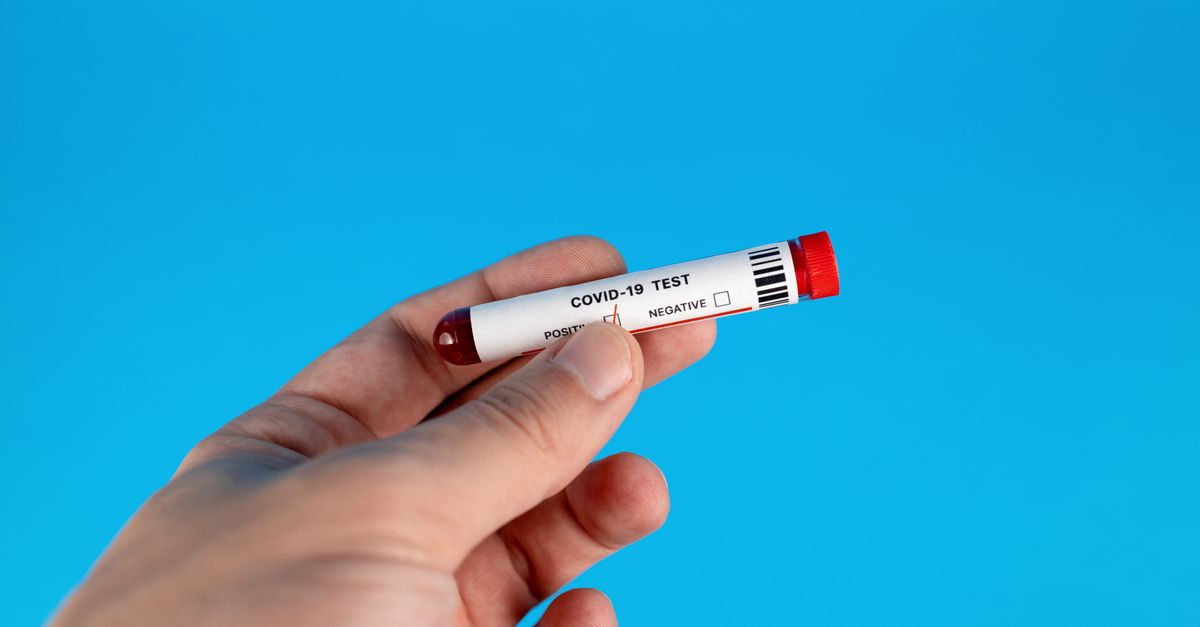
What Is a Normal HDL Level? Optimal Ranges, Warning Signs, and Targeted Support
If your doctor has ever handed you a lab report and circled your HDL cholesterol number, you've likely been told that higher is better. That's true — but incomplete. HDL (high-density lipoprotein) is one of the most nuanced biomarkers in cardiovascular medicine, and the difference between a reference range and a genuinely optimal range can be clinically significant.
This article walks through what a normal HDL level looks like across different populations, which warning-sign thresholds deserve attention, and how HDL fits into a broader picture of cardiovascular biomarkers — including homocysteine, fibrinogen, and blood sugar control.
---
Understanding HDL: What the Number Actually Represents
HDL cholesterol is often called "good cholesterol" because it facilitates reverse cholesterol transport — pulling excess LDL cholesterol from artery walls and shuttling it back to the liver for excretion. But HDL is more than a cleanup crew; it also has anti-inflammatory, antioxidant, and endothelial-protective functions (Barter et al., NEJM 2007; PMID: 17984165).
A standard lipid panel reports HDL in milligrams per deciliter (mg/dL). Here's how the conventional reference ranges break down:
| Category | HDL Level (mg/dL) | Risk Implication |
|---|---|---|
| Low (high risk) | < 40 (men) / < 50 (women) | Significantly elevated CVD risk |
| Borderline | 40–59 | Moderate risk; room for improvement |
| Optimal (reference) | ≥ 60 | Associated with reduced CVD risk |
| Very high | > 100 | May paradoxically increase risk in some individuals |
The American Heart Association defines low HDL as below 40 mg/dL for men and below 50 mg/dL for women — but a growing body of evidence suggests that a target closer to 60–70 mg/dL is where cardioprotective effects become most reliable (AHA/ACC Guidelines, 2019). Epidemiological studies consistently show that each 1 mg/dL increase in HDL is associated with roughly a 2–3% reduction in cardiovascular disease risk (Gordon et al., American Journal of Medicine 1989; PMID: 2649101).
Importantly, HDL quality matters as much as HDL quantity. Dysfunctional HDL — often found in people with chronic inflammation, metabolic syndrome, or autoimmune conditions — can lose its reverse cholesterol transport capacity and even become pro-inflammatory. This is why no single number tells the complete story.
---
What Drives Low HDL? Key Metabolic Culprits
Low HDL rarely exists in isolation. It's often a downstream signal of other metabolic disruptions:
- Insulin resistance and high blood sugar: Elevated fasting glucose and chronically high triglycerides suppress HDL synthesis and accelerate HDL catabolism.
- Sedentary lifestyle: Aerobic exercise is one of the most reliable HDL-raising interventions, increasing HDL by 3–9% in controlled trials (Kodama et al., Archives of Internal Medicine 2007; PMID: 17353497).
- Smoking: Cigarette smoking depresses HDL by roughly 4–6 mg/dL on average.
- Diet high in refined carbohydrates and trans fats: These impair lipoprotein lipase activity and shift the LDL particle profile toward small, dense particles.
- Obesity: Visceral adipose tissue secretes inflammatory cytokines that interfere with HDL metabolism.
- Hypothyroidism: Thyroid hormone regulates hepatic lipase activity; untreated hypothyroidism is a common, underrecognized cause of low HDL and elevated total cholesterol.
Understanding the upstream driver of a low HDL reading is essential for targeted intervention — which is exactly the kind of pattern recognition that a platform like Ones applies when analyzing your blood work alongside other data points.
---
What Is a Normal Homocysteine Level?
When evaluating cardiovascular risk, HDL doesn't stand alone. Homocysteine is an amino acid produced during the metabolism of methionine, and elevated levels are an independent risk factor for atherosclerosis, blood clots, and cognitive decline.
| Homocysteine Level (µmol/L) | Classification |
|---|---|
| < 10 | Optimal |
| 10–15 | Borderline elevated |
| 15–30 | Moderate hyperhomocysteinemia |
| > 30 | Severe; urgent intervention warranted |
A large meta-analysis found that a 25% reduction in homocysteine levels — achievable with B-vitamin supplementation — was associated with an 11% reduction in ischemic heart disease risk and a 19% reduction in stroke risk (Homocysteine Studies Collaboration, JAMA 2002; PMID: 11926893).
Homocysteine is elevated by B12 deficiency, folate deficiency, B6 deficiency, poor methylation (particularly the MTHFR C677T polymorphism), kidney impairment, and excessive methionine intake without adequate cofactors. If your HDL is low and your homocysteine is high, that combination significantly amplifies cardiovascular risk beyond either marker alone.
For individuals with elevated homocysteine, targeted B-vitamin support — particularly methylated folate, methylcobalamin (B12), and pyridoxal-5-phosphate (B6) — is the primary evidence-based intervention. These nutrients are available as individual actives in personalized formulas when blood work indicates the need.
---
What Is a Normal Fibrinogen Level?
Fibrinogen is a clotting protein produced by the liver. While it's essential for wound healing, chronically elevated fibrinogen is a marker of systemic inflammation and a direct risk factor for thrombotic events.
| Fibrinogen Level (mg/dL) | Classification |
|---|---|
| < 200 | Low-normal |
| 200–400 | Normal reference range |
| 400–600 | Elevated; increased clot risk |
| > 600 | High; associated with significantly elevated CVD and stroke risk |
Fibrinogen is an acute-phase reactant, meaning it rises with inflammation. People with low HDL frequently also have elevated fibrinogen — both are driven by the same inflammatory and metabolic milieu. A systematic review confirmed that elevated fibrinogen is an independent predictor of coronary heart disease, with hazard ratios comparable to those of LDL cholesterol (Kaptoge et al., The Lancet 2012; PMID: 22682985).
Supportive strategies for fibrinogen reduction overlap substantially with HDL-raising strategies: reducing systemic inflammation, optimizing omega-3 fatty acid intake, losing visceral fat, and addressing insulin resistance. Omega-3s (EPA and DHA) in particular have demonstrated fibrinogen-lowering effects in randomized trials, with doses of 2–4 g/day showing clinically relevant reductions in inflammatory markers.
---
What Is a Normal HbA1c Level? (And What Is a Normal A1C Level?)
HbA1c — glycated hemoglobin — is your three-month average blood glucose snapshot. It's one of the most important biomarkers to interpret alongside HDL because insulin resistance, high blood sugar, and low HDL form a deeply intertwined triad.
| HbA1c / A1C | Classification |
|---|---|
| < 5.0% | Optimal metabolic health |
| 5.0–5.6% | Normal |
| 5.7–6.4% | Prediabetes |
| ≥ 6.5% | Diabetes (confirmed with repeat testing) |
The conventional "normal" A1C is anything below 5.7%, but research in metabolic health increasingly emphasizes that the optimal range for cardiovascular protection sits below 5.4%. As A1C climbs from 5.0% toward 6.4%, HDL tends to fall in parallel — reflecting worsening insulin sensitivity and increasing hepatic fat accumulation.
A large prospective study found that individuals with A1C levels in the prediabetic range had significantly higher rates of cardiovascular events even in the absence of a formal diabetes diagnosis (Selvin et al., New England Journal of Medicine 2010; PMID: 20581422). This makes A1C a critical companion biomarker whenever HDL is suboptimal.
Knowing what is a normal A1C level in the context of your full lipid panel and inflammatory markers transforms a routine glucose check into actionable metabolic intelligence. If A1C is trending upward and HDL is trending downward simultaneously, that convergence warrants more than a "watch and wait" response.
---
HDL in the Context of a Full Cardiovascular Biomarker Panel
Looking at these four biomarkers together — HDL, homocysteine, fibrinogen, and HbA1c — gives a substantially richer picture of cardiovascular risk than any single number in isolation:
| Biomarker | Optimal Target | High-Risk Threshold |
|---|---|---|
| HDL cholesterol | ≥ 60 mg/dL | < 40 mg/dL (men) / < 50 mg/dL (women) |
| Homocysteine | < 10 µmol/L | > 15 µmol/L |
| Fibrinogen | 200–350 mg/dL | > 450 mg/dL |
| HbA1c / A1C | < 5.4% | ≥ 5.7% (prediabetes range) |
The convergence of low HDL + high homocysteine + high fibrinogen + rising A1C is a pattern associated with metabolic syndrome — a cluster of risk factors that dramatically elevates the probability of cardiovascular disease, type 2 diabetes, and non-alcoholic fatty liver disease. Identifying this pattern early, before any single marker crosses a diagnostic threshold, is where precision lab analysis provides the most value.
For a deeper look at how lipid biomarkers interact with thyroid function and metabolic health, see our guide on understanding thyroid lab results and cardiovascular risk and our breakdown of how to read a lipid panel.
---
What This Means for Your Formula
At Ones, the AI health practitioner doesn't just flag a low HDL number — it maps the full pattern across your lab results, wearable data, and health history before building your custom capsule formula. Here are specific ingredients that become relevant when HDL is low and companion cardiovascular biomarkers are outside optimal ranges:
Omega-3 (EPA/DHA): At clinical doses (typically 2–4 g/day of combined EPA+DHA), omega-3 fatty acids have demonstrated consistent evidence for raising HDL, lowering triglycerides, reducing fibrinogen, and dampening systemic inflammation. The mechanisms include upregulation of peroxisome proliferator-activated receptor alpha (PPARα), which promotes hepatic HDL synthesis and fatty acid oxidation. Ones sources pharmaceutical-grade EPA/DHA standardized for oxidative stability — because rancid fish oil is a common supplement-quality failure point.
Heart Support (System Blend): Ones' proprietary Heart Support blend is formulated around clinically validated cardiovascular actives, including CoQ10/Ubiquinol at 200 mg — a dose consistent with trials demonstrating improvements in endothelial function and reduction in oxidative LDL modification. CoQ10 depletion is particularly relevant for individuals on statin therapy, who are often the same patients managing suboptimal HDL alongside managed LDL.
B-Complex actives (methylated B12, B6, folate): For individuals whose homocysteine is elevated, Ones can include methylcobalamin and pyridoxal-5-phosphate at doses matched to the clinical evidence — supporting the methylation cycle and reducing the endothelial damage associated with high homocysteine. This is especially relevant for individuals who carry the MTHFR variant and don't efficiently convert synthetic folic acid.
Because Ones formulas come in calibrated 6 or 9-capsule daily plans selected by the AI based on your specific findings and capsule budget, the formula is prioritized around your highest-leverage interventions — not a generic heart health stack.
You can learn more about how omega-3 dosing and cardiovascular biomarkers interact, and how Ones interprets triglyceride-to-HDL ratios as a proxy for insulin resistance.
---
Key Takeaways
- Optimal HDL is ≥ 60 mg/dL for both men and women; the conventional "normal" threshold of 40 mg/dL is a risk floor, not a health target.
- HDL doesn't exist in isolation — homocysteine, fibrinogen, and HbA1c/A1C are critical companion biomarkers that amplify or contextualize cardiovascular risk when combined with a low HDL reading.
- Normal homocysteine is below 10 µmol/L; levels above 15 µmol/L are independently associated with ischemic heart disease and stroke risk, often correctable with methylated B vitamins.
- Normal fibrinogen is 200–400 mg/dL; levels above 450 mg/dL signal systemic inflammation and thrombotic risk that often tracks alongside metabolic syndrome.
- Optimal A1C is below 5.4%; prediabetic A1C (5.7–6.4%) frequently co-occurs with low HDL and signals worsening insulin sensitivity well before a diabetes diagnosis.
- Targeted supplementation with EPA/DHA omega-3s, CoQ10, and methylated B vitamins — dosed to clinical ranges and matched to your biomarker pattern — offers evidence-based support for the metabolic drivers of low HDL.
This article is for informational purposes only and does not constitute medical advice. Always consult a qualified healthcare provider before making changes to your supplement regimen or interpreting lab results.