Women's Health
What Is a Normal HDL Level in PCOS?
Women with PCOS are significantly more likely to have low HDL cholesterol — the so-called 'good' cholesterol that clears arterial plaque. Understanding where your HDL should fall, why PCOS disrupts it, and what you can do about it is one of the most under-discussed parts of managing the condition long-term.
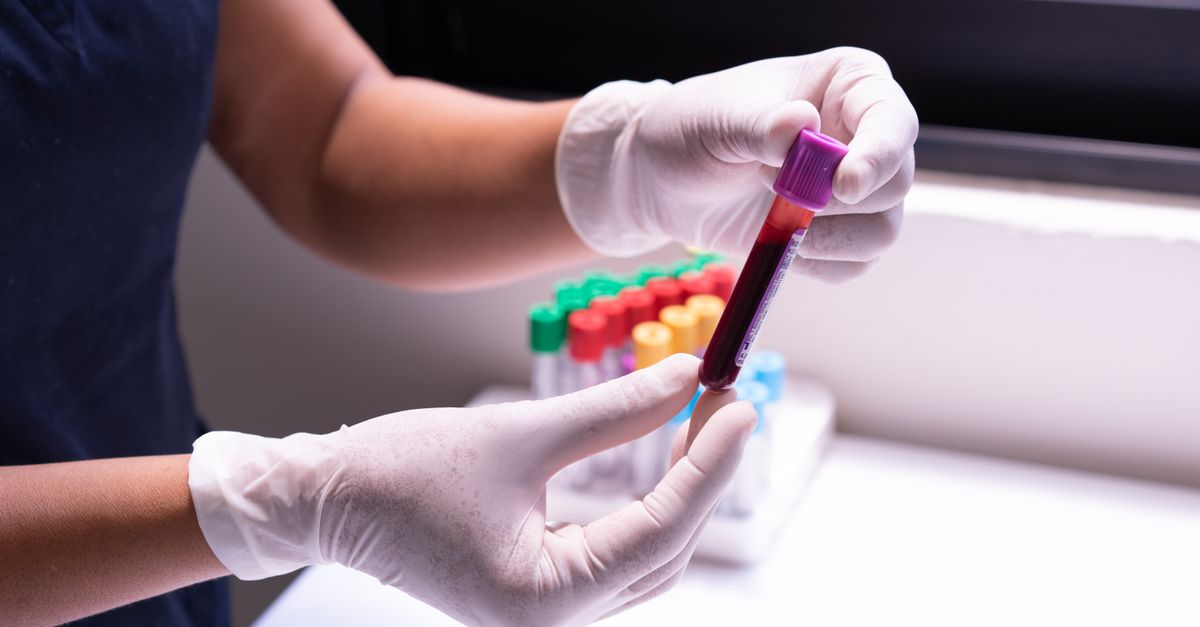
What Is a Normal HDL Level in PCOS?
For most women with PCOS, a healthy HDL target is ≥ 50 mg/dL, with optimal cardiovascular protection generally considered ≥ 55–60 mg/dL. The main caveat: PCOS itself — through insulin resistance and androgen excess — independently suppresses HDL, so many women test below 50 mg/dL even without dietary causes. Women who have both PCOS and metabolic syndrome are the highest-risk group and often need targeted intervention beyond lifestyle changes alone.
---
Why HDL Matters More Than Most PCOS Patients Realize
HDL (high-density lipoprotein) is not just a number on a lipid panel — it is a functional particle that performs reverse cholesterol transport, ferrying excess cholesterol from peripheral tissues back to the liver for excretion. Low HDL is one of the five diagnostic criteria for metabolic syndrome, and women with PCOS meet that criterion far more often than the general population.
A large meta-analysis of 30 studies found that women with PCOS had significantly lower HDL cholesterol compared to healthy controls, with mean differences exceeding 5 mg/dL across multiple ethnic groups (Escobar-Morreale et al., Human Reproduction Update 2011; PMID: 21427159). That gap may seem modest in isolation, but in the context of already elevated triglycerides and small dense LDL particles — also common in PCOS — the combined cardiovascular risk compounds quickly.
Beyond heart disease, low HDL in PCOS correlates with:
- Greater severity of insulin resistance (HOMA-IR)
- Higher circulating androgens, especially free testosterone
- More pronounced menstrual irregularity
- Worse reproductive outcomes in IVF cycles
If you have been tracking your SHBG levels with PCOS, note that low SHBG and low HDL often travel together — both are downstream signals of the same insulin-resistance cascade.
---
What Reference Ranges Actually Mean in PCOS
Standard lab reference ranges for HDL are not always PCOS-specific. Here is how to interpret the common cutoffs in the context of your condition:
| HDL Level (mg/dL) | Standard Interpretation | PCOS-Specific Context |
|---|---|---|
| < 40 | Very low (major cardiovascular risk) | High risk; associated with frank metabolic syndrome in PCOS |
| 40–49 | Low | Common in PCOS; warrants intervention |
| 50–59 | Borderline acceptable | Minimum acceptable target for most PCOS women |
| 60–69 | Optimal | Protective range; associated with reduced cardiovascular and inflammatory risk |
| ≥ 70 | High-optimal | Seen in women with lean PCOS or those with strong aerobic fitness |
The American Heart Association considers < 50 mg/dL low for women (compared to < 40 mg/dL for men), reflecting the sex-specific cardioprotective role of estrogen — which is already dysregulated in PCOS. Clinical endocrinologists often set a more conservative target of ≥ 55 mg/dL for women with PCOS who also carry insulin resistance.
---
How PCOS Suppresses HDL: The Mechanisms
Understanding why HDL falls in PCOS helps clarify which interventions actually move the needle.
1. Insulin Resistance Reduces Hepatic ApoA-I Synthesis
The primary protein in HDL particles, apolipoprotein A-I (ApoA-I), is synthesized in the liver. Chronic hyperinsulinemia downregulates ApoA-I production and upregulates hepatic lipase, an enzyme that degrades HDL particles prematurely. The result is fewer, smaller, and more dysfunctional HDL particles — even when the raw HDL-C number looks only mildly low.
2. Androgen Excess Accelerates HDL Catabolism
Elevated androgens — including the excess testosterone common in PCOS — increase hepatic lipase activity independently of insulin. This is why lean women with PCOS who have normal insulin sensitivity still often have suboptimal HDL. If your free testosterone level with PCOS is elevated, expect your HDL to reflect it.
3. Chronic Low-Grade Inflammation Oxidizes HDL Particles
HDL that is oxidized by inflammatory mediators (especially myeloperoxidase) becomes dysfunctional — it can no longer perform reverse cholesterol transport and may even promote atherosclerosis. Women with PCOS have measurably higher levels of oxidized HDL than age-matched controls, independent of total HDL-C levels (Pirillo et al., Trends in Pharmacological Sciences 2013; PMID: 23375698).
4. Gut Microbiome Dysbiosis
Emerging research links gut dysbiosis — which is prevalent in PCOS — to impaired bile acid recycling and reduced HDL synthesis. Specific microbial genera that produce short-chain fatty acids (SCFAs) are inversely associated with HDL levels. This adds a GI dimension to the HDL puzzle that dietary fiber and probiotic interventions are beginning to address.
---
The PCOS Symptom Cluster That Accompanies Low HDL
Low HDL rarely travels alone. For many women with PCOS, it appears as part of a broader metabolic and hormonal pattern that includes symptoms often described as overwhelming and hard to attribute to a single cause.
Common co-occurring findings when HDL falls below 50 mg/dL in PCOS include:
- Fatigue and brain fog — driven partly by the same insulin resistance suppressing HDL
- Nausea and dizziness — which can reflect blood sugar dysregulation, adrenal reactivity, or autonomic imbalance common in metabolic PCOS. These symptoms are frequently dismissed but may represent genuine cardiovascular autonomic dysfunction when HDL and triglycerides are both abnormal
- Irregular bowel function, including constipation — the same gut dysbiosis that impairs HDL synthesis alters GI motility. Magnesium depletion, which is widespread in PCOS, compounds this further by reducing smooth muscle contractility in the colon
- Mood dysregulation and anxiety — HDL carries not just cholesterol but protective anti-inflammatory molecules; its deficit has been independently linked to depressive symptoms in women (Ancelin et al., Translational Psychiatry 2020; PMID: 32029742)
- Worsening acne and hair thinning — signs of unchecked androgen activity, the same androgens that suppress HDL
If you have been experiencing this cluster of symptoms for months without a clear answer, tracking HDL alongside androgens and insulin markers often reveals the connecting thread. Some women also discover that co-existing conditions — including adrenal tumors, prolactin-secreting adenomas, or thyroid dysfunction — are amplifying their PCOS metabolic picture. Checking your prolactin level with PCOS is worthwhile if your lipid profile is not responding to lifestyle changes, because hyperprolactinemia independently impairs lipid metabolism.
---
Evidence-Based Strategies to Raise HDL in PCOS
The following strategies have clinical trial evidence specifically in PCOS or in populations with overlapping metabolic features:
Aerobic Exercise — The Most Reliable HDL Raiser
High-intensity interval training (HIIT) and moderate-intensity continuous aerobic exercise both raise HDL in PCOS. A 12-week RCT of women with PCOS found that aerobic exercise increased HDL-C by a mean of 6.3 mg/dL while simultaneously reducing testosterone and improving HOMA-IR (Greenwood et al., Clinical Endocrinology 2016; PMID: 27009909). Even three 30-minute sessions per week show measurable benefit within 8–12 weeks.
Omega-3 Fatty Acids
EPA and DHA from marine omega-3s raise HDL by reducing triglycerides and modulating hepatic lipase activity. A meta-analysis of omega-3 supplementation in PCOS found significant reductions in triglycerides and modest but consistent HDL increases, particularly in women with higher baseline triglyceride levels (Vargas-Ramos et al., Reproductive Biology and Endocrinology 2021). Clinically effective doses are typically 2–4 g/day of combined EPA+DHA.
Reducing Refined Carbohydrates and Trans Fats
Low-glycemic diets reduce the hyperinsulinemia that suppresses HDL. Even without weight loss, substituting refined carbohydrates with fiber-rich whole foods improves the HDL-to-triglyceride ratio within 4–8 weeks. The Mediterranean dietary pattern has the strongest evidence base for HDL improvement in PCOS specifically.
Magnesium Repletion
Women with PCOS have a high prevalence of subclinical magnesium deficiency, and low magnesium is independently associated with lower HDL and higher fasting glucose. Magnesium supplementation at 250–400 mg/day (as glycinate or malate for bioavailability) has been shown to improve insulin sensitivity and lipid profiles in insulin-resistant populations (Guerrero-Romero et al., European Journal of Clinical Nutrition 2004; PMID: 15483384).
Inositol (Myo- and D-chiro-Inositol)
Inositols are among the most studied supplements specific to PCOS. By improving insulin signaling at the cellular level, they indirectly raise HDL and lower triglycerides. A 2020 Cochrane-reviewed body of evidence supports their use for metabolic parameters in PCOS, though HDL effects are secondary to their primary insulin-sensitizing action.
---
The Psychological Weight of Watching Your Labs
There is something uniquely exhausting about monitoring a condition like PCOS — checking labs every few months, waiting to see if that number finally moved, wondering whether the fatigue is cortisol, insulin, thyroid, or just the mental load of managing all of it. For many women, the HDL number becomes a proxy for how well they are "managing" their PCOS, and a persistently low result after months of effort can feel like a personal failure.
It is worth naming clearly: PCOS is a structural hormonal and metabolic disorder, not a discipline problem. HDL responds slowly — typical timelines for meaningful change are 3–6 months of consistent intervention, and individual genetic variation in ApoA-I expression means some women will always run lower than population averages regardless of lifestyle. Progress is real even when numbers move by only 5–8 mg/dL; that shift carries meaningful cardiovascular benefit.
Tracking related markers — like HbA1c levels in PCOS alongside HDL — gives a more complete picture than either number in isolation and can reveal trajectory even when HDL feels stuck.
---
What This Means for Your Formula
Ones analyzes your blood work — including your full lipid panel and insulin markers — alongside your health history to identify which drivers of low HDL are most active in your specific case. Rather than recommending a generic supplement stack, the platform calibrates your formula based on your actual lab findings.
For women with PCOS whose HDL is suppressed by insulin resistance and dyslipidemia, three ingredients are particularly relevant:
Omega-3 (EPA/DHA): Ones sources pharmaceutical-grade concentrated fish oil delivering clinically relevant EPA+DHA doses aligned with what meta-analyses show moves lipid panels — particularly the triglyceride-to-HDL ratio. Given that elevated triglycerides and low HDL are almost always coupled in PCOS, this is one of the most impactful single-ingredient choices for cardiovascular metabolic health in this population.
Magnesium Complex: Ones includes a bioavailable magnesium blend in its formula catalog, addressing the dual problem of insulin sensitivity and smooth muscle function — relevant both for HDL metabolism and for the constipation and GI symptoms that frequently accompany low-HDL PCOS presentations.
Endocrine Support (System Blend): Ones' proprietary Endocrine Support blend is designed to address the hormonal dysregulation — including androgen excess — that sits upstream of HDL suppression. Supporting the endocrine axis rather than just treating the downstream lipid number is consistent with how PCOS metabolic dysfunction actually works mechanistically.
If your HDL result is part of a broader lab picture, Ones' AI practitioner will integrate it with your testosterone, insulin, and inflammatory markers to identify the root-cause pattern before building your capsule formula.
---
Key Takeaways
- Target ≥ 50–55 mg/dL for HDL in PCOS; values below 50 mg/dL are common but clinically significant and warrant active management.
- PCOS suppresses HDL through multiple pathways: insulin resistance, androgen excess, chronic inflammation, and gut dysbiosis — often acting simultaneously.
- Symptoms like nausea, dizziness, constipation, and mood changes that accompany low HDL are part of the same metabolic and hormonal cascade, not coincidental complaints.
- Aerobic exercise and omega-3 supplementation have the strongest evidence base for raising HDL in PCOS; combining both produces additive effects.
- Timeframe matters: expect 3–6 months of consistent intervention before HDL responds meaningfully; progress by even 5–8 mg/dL is clinically valuable.
- Always assess HDL in context: triglycerides, SHBG, free testosterone, HbA1c, and prolactin all interact with HDL metabolism in PCOS and should be reviewed together.
---
Always consult a qualified healthcare provider before making changes to your supplement regimen or interpreting laboratory results. This article is for educational purposes only and does not constitute medical advice.