Women's Health
What Is a Normal Fasting Glucose Level in PCOS?
Up to 70% of women with PCOS have insulin resistance, yet their fasting glucose can sit comfortably in the 'normal' range — leaving the root driver completely undetected. Understanding where your number should actually fall, and which companion tests reveal what glucose alone misses, changes what you do next.
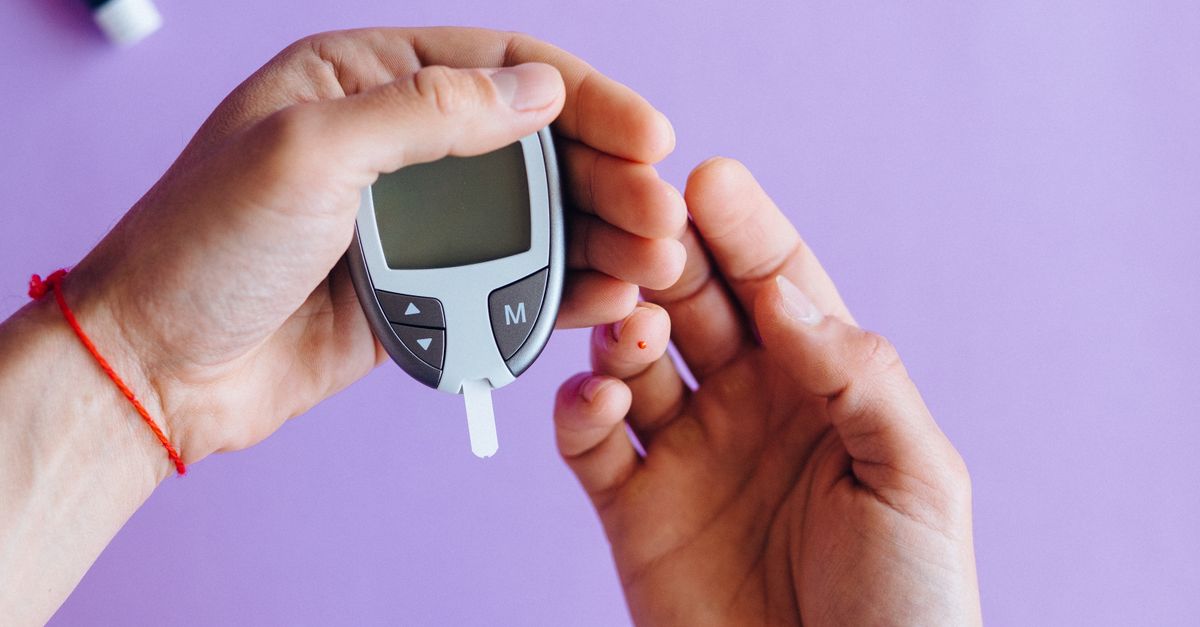
What Is a Normal Fasting Glucose Level in PCOS?
For most women with PCOS, a fasting glucose below 100 mg/dL is considered normal by standard lab reference ranges — but that cutoff was not designed with PCOS in mind. The more meaningful target is under 90 mg/dL, because insulin resistance in PCOS can be severe while glucose still reads in the low-to-mid 90s. The real exception: if your fasting insulin is also elevated, even an 85 mg/dL glucose reading warrants further investigation.
---
Why Standard Glucose Ranges Miss the PCOS Picture
Conventional lab reference ranges define normal fasting glucose as 70–99 mg/dL, prediabetes as 100–125 mg/dL, and diabetes at 126 mg/dL or above (American Diabetes Association, 2023). These thresholds were established in large population studies that were not stratified by PCOS status, hormonal profile, or degree of insulin resistance.
PCOS changes the math. In a landmark meta-analysis of 35 studies involving more than 3,000 women, PCOS was independently associated with a roughly 4-fold increased risk of type 2 diabetes compared to matched controls — even after adjusting for BMI (Moran et al., Human Reproduction Update 2010; PMID: 19910321). The mechanism is a post-receptor defect in insulin signaling in skeletal muscle and adipose tissue, meaning the pancreas compensates by secreting more insulin before glucose ever rises abnormally. Fasting glucose, in other words, is the last domino to fall.
Functional medicine practitioners and reproductive endocrinologists increasingly use a fasting glucose target of 85 mg/dL or below for women with PCOS, combined with a fasting insulin below 8–10 µIU/mL. A HOMA-IR score (Homeostatic Model Assessment of Insulin Resistance) above 2.0 flags insulin resistance even when glucose is technically normal. Studies in PCOS cohorts suggest that up to 75% of lean women with PCOS have measurable insulin resistance by HOMA-IR despite normal fasting glucose (Stepto et al., Journal of Clinical Endocrinology & Metabolism 2013; PMID: 23393184).
If you want to understand the broader context of what fasting glucose is actually communicating inside your body, the article on what fasting glucose tells you about your hormones explains the insulin-androgen feedback loop in detail.
---
Reference Ranges: Standard vs. PCOS-Optimized
| Measurement | Standard Lab Normal | PCOS Functional Target |
|---|---|---|
| Fasting glucose | 70–99 mg/dL | ≤85 mg/dL |
| Fasting insulin | 2–25 µIU/mL (lab-wide) | ≤8–10 µIU/mL |
| HOMA-IR | <2.5 | <2.0 |
| HbA1c | <5.7% | <5.4% |
| 2-hr glucose (OGTT) | <140 mg/dL | <120 mg/dL |
These tighter targets are not arbitrary. An HbA1c of 5.5% is associated with roughly double the 10-year risk of diabetes compared to 5.0%, even within the "normal" band (Zhang et al., Annals of Internal Medicine 2010; PMID: 20194233). For a woman with PCOS whose pancreatic beta-cell reserve may already be stressed, that gradient matters.
---
How PCOS Insulin Resistance Shows Up Before Glucose Rises
The sequence typically goes: elevated fasting insulin → compensatory hyperandrogenism (high testosterone, low SHBG) → anovulation → then, years later, rising fasting glucose. By the time fasting glucose crosses 95 mg/dL in a woman with PCOS, beta-cell function may already be compromised.
This is why the standard fasting glucose test, taken alone, answers only part of the question. Clinicians familiar with PCOS routinely add:
- Fasting insulin — to calculate HOMA-IR
- 2-hour glucose and insulin during a 75g oral glucose tolerance test (OGTT) — the single most sensitive screen for impaired glucose regulation in PCOS
- HbA1c — for medium-term glucose trend
- SHBG — low SHBG is a sensitive proxy for insulin resistance in women
For context on what normal SHBG looks like in PCOS and why it matters alongside glucose, see what is a normal SHBG level with PCOS.
In a prospective study of 254 women with PCOS, 41% had impaired glucose tolerance on OGTT despite a fasting glucose under 100 mg/dL — nearly all of them would have been cleared as metabolically healthy on a fasting-glucose-only screen (Legro et al., Journal of Clinical Endocrinology & Metabolism 1999; PMID: 10022416). That study is older but remains foundational because it established the OGTT as the standard of care for PCOS glucose screening.
---
Why You Can Feel Awful Even with a Normal Fasting Glucose
Many women with PCOS describe a cluster of symptoms — fatigue after meals, brain fog in the late afternoon, sugar cravings, nausea, and dizziness — that are classic hallmarks of reactive hypoglycemia or post-meal insulin spikes, none of which show up on a fasting glucose test.
Postprandial (after-meal) glucose dysregulation is common in PCOS. The 2-hour post-meal glucose spike can be disproportionately high relative to fasting glucose, and the compensatory insulin response can then overshoot, causing blood sugar to dip into the low-to-mid 70s two to four hours after eating. This dip produces shakiness, lightheadedness, and intense carbohydrate craving — symptoms that are often labeled anxiety or poor sleep hygiene rather than metabolic in origin.
Nausea and dizziness in the context of PCOS are frequently related to this postprandial blood sugar roller coaster, compounded by elevated androgens that affect gut motility. Elevated androgens slow gastric emptying, which alters the timing of glucose absorption and makes insulin responses less predictable. If this symptom cluster sounds familiar, the first diagnostic step is a 5-point glucose curve (fasting, then at 30, 60, 90, and 120 minutes after a standardized glucose load) rather than a single fasting number.
For a deeper look at why your fasting glucose can be normal while you still feel metabolically off, this explanation of why normal fasting glucose doesn't always mean you feel well covers the gap between lab values and lived experience.
---
The Psychological Weight of Living in Metabolic Limbo
Being told your fasting glucose is "fine" while continuing to experience fatigue, weight gain that won't budge, irregular cycles, and cognitive fog is deeply disorienting. For many women with PCOS, this mismatch between what labs show and what their body communicates creates a specific kind of health anxiety: the sense that they are not sick enough to be taken seriously but not well enough to feel functional.
This experience is not imaginary, and it is not rare. Women with PCOS have significantly higher rates of anxiety and depression than the general population — a relationship that appears to be both hormonal (driven by androgen fluctuation and cortisol dysregulation) and psychosocial (driven by diagnostic delay, symptom dismissal, and the burden of managing a chronic, poorly understood condition) (Cooney et al., Human Reproduction 2017; PMID: 28333218).
The metabolic uncertainty compounds this. When androgen levels fluctuate or insulin resistance worsens, mood, energy, and cognitive clarity follow — and because fasting glucose continues to read normal, there is no clean lab marker to point to. Advocating for OGTT testing, fasting insulin, and HOMA-IR calculation is not just a metabolic exercise; it is the step that gives women with PCOS language and evidence for what they are experiencing.
Understanding how hormones like DHEA-S interact with this picture can also be clarifying. See what is a normal DHEA-S level with PCOS for reference ranges and their downstream effects on metabolism and mood.
---
Can an Underlying Condition Be Worsening Your PCOS Metabolic Profile?
Occasionally, a woman with PCOS discovers that a second, undiagnosed condition has been driving her insulin resistance or androgen excess harder than the PCOS alone would account for. Adrenal tumors, ovarian tumors, non-classical congenital adrenal hyperplasia (NCAH), and Cushing's syndrome can all mimic or amplify PCOS, and they can cause fasting glucose to drift upward more rapidly than typical PCOS would predict.
Red flags that suggest something beyond classic PCOS include:
- Fasting glucose rising faster than your lifestyle changes or treatment would predict
- DHEA-S levels well above 400 µg/dL (may indicate adrenal source rather than ovarian)
- Cortisol that is elevated on 24-hour urine or late-night salivary testing
- Rapid or progressive virilization (deepening voice, clitoral enlargement)
- LH/FSH ratios that don't fit classic PCOS patterns
If any of these apply, additional imaging and endocrine workup beyond fasting glucose is warranted. For reference on what a normal LH level looks like in PCOS versus other conditions, see what is a normal LH level with PCOS.
---
What Moves Fasting Glucose in PCOS: Evidence-Based Interventions
Fasting glucose in PCOS responds to a fairly consistent set of interventions, with the strongest evidence behind:
Diet and Meal Timing
Low-glycemic and Mediterranean-pattern diets consistently reduce fasting glucose and HOMA-IR in PCOS. A 2013 Cochrane review found that combined dietary and exercise interventions reduced fasting insulin by approximately 2.3 µIU/mL in women with PCOS — a clinically meaningful reduction given the narrow functional target ranges (Moran et al., Cochrane Database of Systematic Reviews 2011; PMID: 21975738).
Time-restricted eating (eating within a 8–10 hour window) has emerging evidence in PCOS specifically, primarily via improvements in fasting insulin rather than fasting glucose directly.
Resistance Training
Skeletal muscle is the primary site of insulin-mediated glucose uptake. Resistance training increases GLUT4 transporter expression and improves post-receptor insulin signaling — exactly the defect that is pathological in PCOS. Three sessions per week of progressive resistance training over 12–16 weeks consistently lowers HOMA-IR in insulin-resistant women.
Targeted Supplementation
Inositol (specifically myo-inositol at 4g/day combined with D-chiro-inositol in a 40:1 ratio) has the strongest evidence base for improving insulin sensitivity in PCOS, with multiple randomized controlled trials showing reductions in fasting insulin, testosterone, and LH within 3–6 months (Unfer et al., Frontiers in Endocrinology 2017; PMID: 28232820).
Berberine (1,000–1,500 mg/day) has been shown in head-to-head trials to match metformin's effect on fasting glucose and HOMA-IR in PCOS populations, with a favorable side-effect profile for most women.
Magnesium deficiency independently worsens insulin resistance; supplementation in deficient individuals improves fasting glucose and insulin sensitivity markers across multiple meta-analyses.
---
What This Means for Your Formula
Ones analyzes your lab data — including fasting glucose, fasting insulin, HOMA-IR, and hormone panels — alongside wearable data and your symptom history to build a personalized capsule formula calibrated to what your results actually show, not a generic PCOS protocol.
For women whose data points to insulin resistance driving their PCOS, a Ones formula may include:
- Berberine at clinically active doses, which in head-to-head trials has demonstrated equivalent efficacy to metformin for lowering fasting glucose and improving menstrual regularity in PCOS (Wei et al., Clinical Endocrinology 2012; PMID: 22352860)
- Magnesium Glycinate (from Ones' Magnesium Complex) — addressing the high prevalence of magnesium insufficiency in insulin-resistant states, where low magnesium independently impairs insulin receptor function
- Zinc at individually calibrated doses, since low zinc status correlates with higher HOMA-IR and lower SHBG in PCOS, and zinc supplementation has been shown to improve androgen markers as well as glycemic indices in several randomized trials
Because Ones works from your actual numbers rather than population averages, the formula adjusts around what your fasting glucose, insulin, and hormonal pattern look like together — not just what any one marker says in isolation. Plans come in 6 or 9-capsule daily formats, calibrated by the AI based on findings, not self-selected by the user.
---
Key Takeaways
- Standard normal fasting glucose (70–99 mg/dL) is too broad for PCOS. A functional target of ≤85 mg/dL, combined with fasting insulin under 10 µIU/mL and HOMA-IR under 2.0, captures insulin resistance far earlier.
- Fasting glucose alone misses most of the problem in PCOS. Up to 41% of women with PCOS have impaired glucose tolerance on OGTT despite normal fasting glucose.
- Postprandial glucose dysregulation explains many PCOS symptoms — nausea, dizziness, fatigue, and brain fog — that a standard fasting glucose test will never detect.
- Psychological distress in PCOS is not separate from metabolic dysfunction. Hormonal and insulin fluctuations drive mood instability, and being dismissed as "metabolically normal" compounds the burden.
- An underlying condition (adrenal tumor, NCAH, Cushing's) should be ruled out if fasting glucose is rising faster than expected or androgen markers are unusually high.
- Evidence-based interventions — low-GI diet, resistance training, inositol, berberine, and magnesium — move fasting glucose and insulin sensitivity in PCOS within 8–16 weeks in most studies.
---
Always consult a qualified healthcare provider before interpreting lab results or starting any supplement regimen. The information in this article is educational and does not constitute medical advice.