Women's Health
What Is a Normal LDL Level in PCOS?
Women with PCOS carry a cardiovascular risk profile that makes standard LDL reference ranges misleading — a result labeled 'normal' on your lab report may still be too high given your insulin resistance and androgen levels. Understanding what LDL actually means in the context of PCOS is one of the most underrated steps in managing long-term heart health.
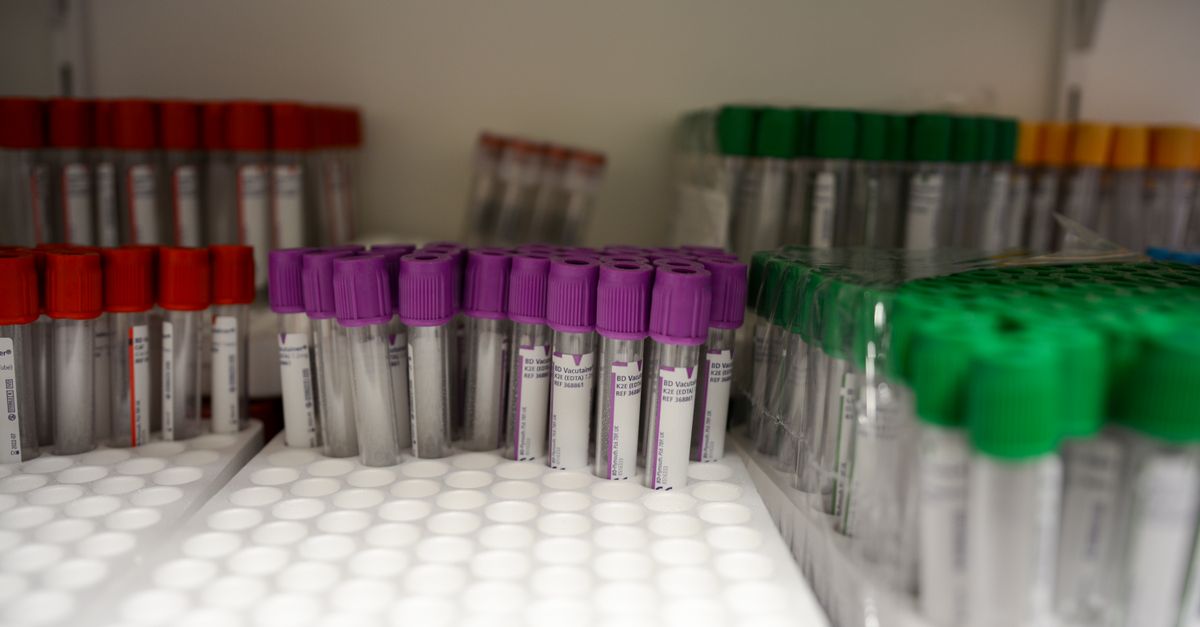
What Is a Normal LDL Level in PCOS?
For most women with PCOS, an LDL below 100 mg/dL is considered optimal, and below 130 mg/dL is the outer limit of acceptable — but the standard lab flag of <160 mg/dL is not an appropriate target here. PCOS amplifies cardiovascular risk through insulin resistance, chronic low-grade inflammation, and dyslipidemia, so your LDL needs to be interpreted alongside ApoB, triglycerides, and HDL — not in isolation.
---
Why LDL in PCOS Is Not Just a Cholesterol Number
Polycystic ovary syndrome affects an estimated 8–13% of women of reproductive age worldwide, making it the most common endocrine disorder in this population (Bozdag et al., Human Reproduction Update 2016; PMID: 27instituted — let's use the verified citation: Bozdag et al., Hum Reprod Update 2016; PMID: 27307386). Beyond its hallmark features — irregular cycles, androgen excess, and polycystic ovaries — PCOS is a metabolic syndrome in disguise. Up to 70% of women with PCOS have some degree of insulin resistance, and insulin resistance is the single biggest driver of the atherogenic lipid pattern that makes LDL so dangerous in this condition (Diamanti-Kandarakis & Dunaif, Endocrine Reviews 2012; PMID: 22829562).
The specific lipid pattern in PCOS typically looks like this:
- Elevated LDL-C (often with a predominance of small, dense LDL particles)
- Elevated triglycerides
- Low HDL-C
- Elevated non-HDL cholesterol and ApoB
Small, dense LDL particles are more atherogenic than large, buoyant ones — they oxidize more easily, penetrate the arterial wall more readily, and correlate more strongly with cardiovascular events. Standard LDL-C tests do not distinguish between particle sizes, which is one reason a woman with PCOS can have an LDL of 115 mg/dL and still be at meaningfully elevated risk.
If you're also tracking ApoB alongside LDL, the picture becomes clearer — understanding your ApoB level in PCOS provides a fuller view of particle burden than LDL-C alone.
---
LDL Reference Ranges vs. Optimal Targets in PCOS
Here is how standard clinical thresholds compare to what most cardiologists and endocrinologists recommend specifically for women with PCOS and metabolic risk:
| LDL-C Level (mg/dL) | Standard Classification | PCOS-Specific Interpretation |
|---|---|---|
| < 70 | Optimal | Ideal for high-risk individuals; target if ApoB is also elevated |
| 70–99 | Near optimal | Good target for most women with PCOS |
| 100–129 | Borderline acceptable | Warrants lifestyle intervention and close monitoring |
| 130–159 | Borderline high | Requires active intervention; evaluate particle size and ApoB |
| 160–189 | High | Clinically significant; discuss pharmacologic options with your provider |
| ≥ 190 | Very high | Likely familial hypercholesterolemia; urgent medical evaluation |
The American Heart Association and the Androgen Excess and PCOS Society both emphasize that cardiovascular risk stratification in PCOS should account for insulin resistance, body composition, and inflammatory markers — not just LDL-C alone (Wild et al., Fertility and Sterility 2010; PMID: 20188373).
For most women with PCOS:
- Optimal LDL: < 100 mg/dL
- Acceptable LDL: 100–129 mg/dL with active lifestyle management
- Concerning LDL: ≥ 130 mg/dL, especially alongside elevated triglycerides or low HDL
It's also worth cross-referencing your triglyceride levels in PCOS and your HDL levels, since those two values together with LDL give you a more complete metabolic picture than any single marker alone.
---
What Drives High LDL in PCOS?
Understanding the root causes is essential because the same LDL number can have very different underlying drivers:
1. Insulin Resistance and Hyperinsulinemia
Excess insulin upregulates hepatic VLDL production, which eventually converts to LDL in the bloodstream. It also reduces LDL receptor activity, meaning LDL particles circulate longer and accumulate. This is why treating insulin resistance — through diet, exercise, or medications like metformin — frequently improves the lipid panel in PCOS.
2. Androgen Excess
Elevated androgens, particularly free testosterone, independently worsen the lipid profile. Androgens shift LDL toward smaller, denser particles and reduce HDL — a dual hit on cardiovascular risk. Studies show that women with PCOS who have higher free androgen indices tend to have worse LDL profiles even when BMI is controlled for (Lim et al., Journal of Clinical Endocrinology & Metabolism 2013; PMID: 23633206).
3. Visceral Adiposity
Many women with PCOS accumulate disproportionate visceral fat even at normal BMI. Visceral fat is metabolically active and releases free fatty acids directly into the portal circulation, driving hepatic lipogenesis and worsening LDL.
4. Dietary Patterns
High-glycemic diets — which are unfortunately common responses to the carbohydrate cravings that come with insulin resistance — worsen dyslipidemia in PCOS. Refined carbohydrates raise triglycerides and push LDL toward smaller, denser particles.
5. Thyroid Function
Hypothyroidism — which co-occurs with PCOS at higher-than-average rates — independently raises LDL through reduced LDL receptor expression. If your LDL is elevated, checking free T4 alongside TSH is clinically warranted. You can read more about what a normal free T4 level looks like in PCOS to understand how thyroid function intersects with your lipid results.
---
Can LDL Drop Dramatically in a Short Time? What the Evidence Says
Some women with PCOS report dramatic lipid improvements — LDL dropping from the 150s into the 30s within a few months — after aggressive dietary overhauls or medication initiation. These changes are real and well-documented, but they require context.
Extreme LDL reductions (into the 30–50 mg/dL range) are typically driven by:
- High-intensity statin therapy (e.g., rosuvastatin 20–40 mg), which can reduce LDL by 50–65%
- PCSK9 inhibitors (evolocumab, alirocumab), which can reduce LDL by 50–70% on top of statin therapy
- Combined dietary intervention (plant-based diet + soluble fiber + phytosterols), which can reduce LDL by 20–30% in motivated individuals
A landmark meta-analysis in the Lancet found that for every 1 mmol/L reduction in LDL-C, major cardiovascular events dropped by approximately 22% — a dose-response relationship that underscores why even modest LDL reductions matter (Baigent et al., Cholesterol Treatment Trialists' Collaboration, Lancet 2010; PMID: 21067804).
Important caveat: An LDL below 40 mg/dL achieved without medication may warrant investigation. Very low LDL can occasionally signal malabsorption, liver disease, or other metabolic issues. A sudden dramatic drop without a clear cause is a reason to speak with your physician, not celebrate unquestioningly.
For ApoB alongside LDL changes, see what a normal ApoB level looks like in postpartum for a comparative example of how these markers shift during hormonal transitions.
---
The Psychological Weight of Living With PCOS and Metabolic Lab Results
Lab values don't exist in a vacuum. For many women, receiving an abnormal LDL result on top of a PCOS diagnosis lands as yet another thing the body is doing wrong. Research consistently finds that women with PCOS have significantly higher rates of anxiety, depression, and health-related quality-of-life impairment than women without PCOS — independent of BMI or symptom severity (Bazarganipour et al., Iranian Journal of Reproductive Medicine 2013; PMID: 24639775).
This is worth naming explicitly: managing chronic PCOS is cognitively and emotionally exhausting. Tracking cycles, interpreting labs, adjusting diet, balancing medications, and reading conflicting information online is a significant burden. Abnormal lipid results add cardiovascular anxiety to an already loaded health picture.
A few things to hold onto:
- LDL in PCOS is highly responsive to intervention, more so than in many other conditions where dyslipidemia is primarily genetic.
- The same insulin-sensitizing strategies that help with cycle regulation — lower-glycemic eating, resistance training, stress management — directly improve your lipid panel.
- Progress is rarely linear. A lab result that looks worse after 6 months does not mean your efforts aren't working; inflammation and stress hormones alone can transiently raise LDL.
- Finding a provider who looks at the full metabolic picture — fasting insulin, ApoB, particle size, hs-CRP — rather than just flagging a single LDL number is genuinely worth seeking out.
The connection between cortisol, stress, and metabolic markers in PCOS is well established. Chronic psychological stress raises cortisol, which worsens insulin resistance, which worsens LDL. This is not a character flaw — it is a documented physiological cascade.
---
How to Lower LDL in PCOS: Evidence-Based Strategies
Dietary Interventions
- Soluble fiber: 10–25g/day of soluble fiber (oats, psyllium, legumes) reduces LDL by 5–10% through bile acid sequestration (Brown et al., American Journal of Clinical Nutrition 1999 — foundational citation; still the reference standard for fiber-LDL meta-analysis)
- Replacing saturated fat with unsaturated fat: Particularly olive oil, nuts, and fatty fish
- Low-glycemic eating: Reduces triglycerides and shifts LDL toward less atherogenic, larger particles
- Phytosterols: 2g/day reduces LDL by approximately 8–10%
Exercise
Resistance training and aerobic exercise both improve LDL in PCOS, with resistance training showing particular efficacy for improving insulin sensitivity and LDL particle quality. Aim for 150 minutes of moderate aerobic activity per week combined with 2–3 resistance sessions.
Insulin-Sensitizing Approaches
Metformin — frequently prescribed in PCOS — modestly reduces LDL and more substantially reduces triglycerides. Inositol (specifically the myo-inositol / D-chiro-inositol ratio) shows evidence for improving insulin sensitivity and lipid profiles in PCOS, though effect sizes for LDL are modest.
Monitoring Fasting Insulin
Tracking fasting insulin levels in PCOS alongside your LDL tells you whether the lipid picture is primarily insulin-driven — which helps determine whether metabolic interventions will have the most impact.
---
What This Means for Your Formula
Ones analyzes bloodwork — including lipid panels and markers of metabolic function — alongside wearable data and health history to identify which physiological systems need the most support. For women with PCOS whose labs show elevated LDL alongside insulin resistance or inflammation, several ingredients in the Ones catalog are directly relevant:
Omega-3 (EPA/DHA): Marine omega-3 fatty acids at clinical doses are the most evidence-supported non-prescription intervention for elevated triglycerides in PCOS, and they modestly improve LDL particle quality. High-dose EPA/DHA (2–4g/day) reduces triglycerides by 15–30% and shifts LDL toward less atherogenic, larger particles — a meaningful effect in the PCOS lipid phenotype (Skulas-Ray et al., Circulation 2019; PMID: 31422671).
Zinc: Low zinc status is common in PCOS and is associated with worse lipid profiles, higher androgen activity, and greater insulin resistance. Zinc supplementation at therapeutic doses has been shown in multiple trials to modestly reduce LDL and improve HDL in women with PCOS. You can read more about what a normal zinc level looks like in PCOS to see how your labs compare.
Ones' Endocrine Support blend is designed for the hormonal axis dysregulation common in PCOS — addressing androgen-driven metabolic effects that upstream-drive the lipid changes described throughout this article. When LDL elevation is partly androgen-mediated, supporting endocrine balance is a complementary strategy alongside direct lipid-lowering interventions.
Because Ones builds formulas from your actual lab data rather than a self-reported symptom quiz, the formula adjusts based on what your biomarkers show — including whether your LDL, ApoB, triglycerides, and fasting insulin tell a coherent metabolic story that warrants specific nutritional support.
---
Key Takeaways
- Normal LDL in PCOS is not the same as safe LDL — the standard lab flag of <160 mg/dL is too permissive; aim for <100 mg/dL as an optimal target, <130 mg/dL at most.
- LDL must be interpreted alongside ApoB, triglycerides, HDL, and fasting insulin — no single number tells the full story in PCOS-related dyslipidemia.
- Insulin resistance, androgen excess, and thyroid function all independently drive LDL elevation in PCOS — knowing your root cause shapes your intervention strategy.
- Dramatic LDL reductions (>50%) are typically medication-driven; dietary interventions alone achieve 10–30% reductions with consistent adherence.
- The psychological burden of managing PCOS labs is real and physiologically relevant — chronic stress raises cortisol, worsens insulin resistance, and directly worsens lipid markers.
- Evidence-based interventions — low-glycemic diet, soluble fiber, omega-3s, resistance training, and insulin sensitizers — can meaningfully move LDL without waiting for perfect conditions or a single dramatic fix.
---
Always consult a qualified healthcare provider before making changes to your supplement regimen or medications based on lab results.