Women's Health
What Is a Normal SHBG Level in PCOS?
SHBG is one of the most underread numbers on a hormone panel — yet in PCOS it may explain more about your symptoms than testosterone alone. When SHBG drops, free androgens surge, insulin resistance worsens, and the cycle becomes self-reinforcing. Understanding your number and what drives it is the first step to breaking that loop.
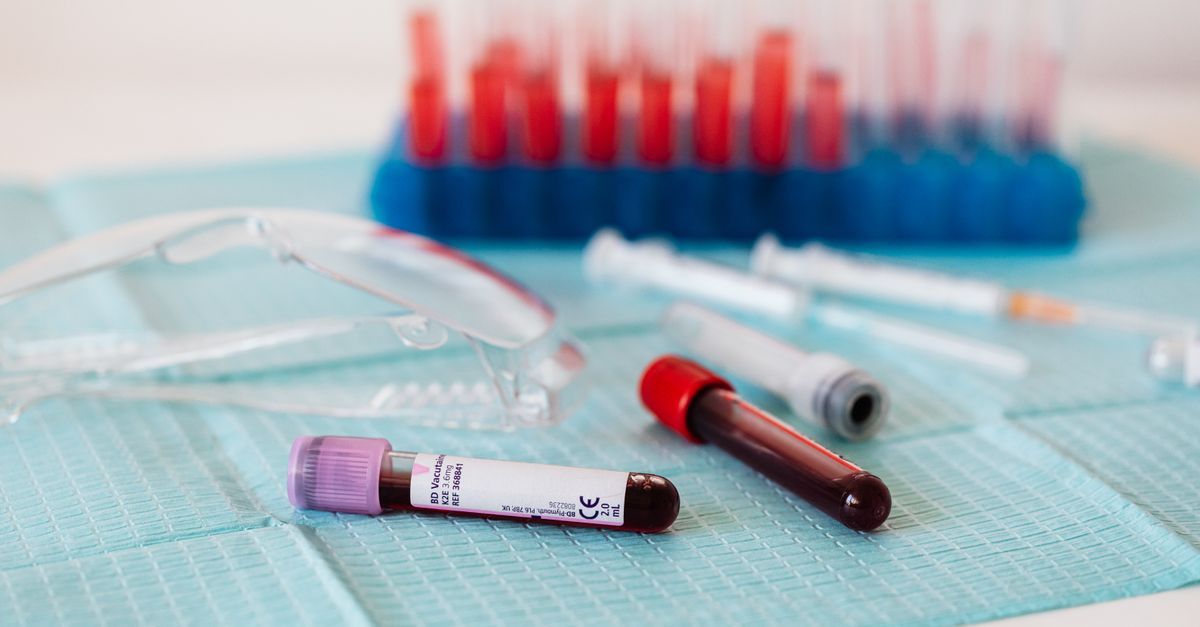
What Is a Normal SHBG Level in PCOS?
For most women with PCOS, a "normal" SHBG falls somewhere between 20 and 120 nmol/L on standard lab ranges — but the functional sweet spot is closer to 40–80 nmol/L. Below 40 nmol/L, free androgen levels tend to climb even when total testosterone looks unremarkable. The key caveat: SHBG is suppressed by insulin, so it's really a proxy for metabolic health, not just a sex hormone marker.
---
Why SHBG Matters More Than Total Testosterone in PCOS
Sex hormone-binding globulin (SHBG) is a glycoprotein produced primarily by the liver. Its job is to bind sex hormones — testosterone, dihydrotestosterone (DHT), and estradiol — and carry them through the bloodstream in a biologically inactive form. Only the fraction not bound to SHBG (and albumin) is "free" and able to activate androgen receptors in tissue.
This is why two women with identical total testosterone readings can have completely different symptom burdens. If one has SHBG of 65 nmol/L and the other has SHBG of 22 nmol/L, the second woman has dramatically more free testosterone driving acne, hair thinning, and irregular cycles — even though the lab report flags both total T values as "normal."
A landmark epidemiological study found that low SHBG was independently associated with higher risk of type 2 diabetes in women, stronger than many traditional metabolic markers (Ding et al., Diabetes 2009; PMID: 19875611). In PCOS specifically, suppressed SHBG is both a consequence of hyperinsulinemia and a driver of androgen excess — a bidirectional problem that makes it central to the condition's pathophysiology.
---
The Reference Range vs. the Functional Range: What Labs Won't Tell You
Standard laboratory reference ranges for SHBG in adult women typically span 18–144 nmol/L — a range so wide it's nearly clinically useless for someone trying to optimize hormonal health. Here's how to think about the number in the PCOS context:
| SHBG Level (nmol/L) | Interpretation in PCOS Context |
|---|---|
| < 20 | Severely suppressed; strongly suggests hyperinsulinemia; high free androgen burden |
| 20–39 | Low-normal; androgen excess likely; insulin resistance probable |
| 40–80 | Functional range; adequate binding capacity for most women |
| 80–120 | High-normal; often seen post-ovulation or with estrogen therapy |
| > 120 | Elevated; can indicate hyperthyroidism, liver disease, or high estrogen states |
Many integrative clinicians aim for at least 40 nmol/L in women with PCOS as a threshold below which androgen symptoms become symptomatic. This aligns with data showing that SHBG below 40 nmol/L predicts metabolic syndrome with reasonable sensitivity in reproductive-age women (Burger, Journal of Clinical Endocrinology & Metabolism 2002; PMID: 12107214).
If you're also navigating questions about what is a normal estradiol level in PCOS, it's worth noting that estradiol and SHBG move in tandem — higher estradiol tends to upregulate SHBG production, while androgens suppress it.
---
What Lowers SHBG in PCOS?
Several overlapping factors converge to drive SHBG down in women with PCOS:
1. Hyperinsulinemia
This is the primary driver. Insulin directly inhibits SHBG gene transcription in hepatocytes. Even modest elevations in fasting insulin — say, 10–15 μIU/mL versus the optimal range of 2–8 μIU/mL — meaningfully suppress SHBG. If you're wondering what causes fasting insulin to be out of range, the mechanisms overlap almost completely with what's driving your SHBG down.
2. Excess Androgens
Testosterone and DHT suppress SHBG production, creating a self-reinforcing cycle: low SHBG → more free testosterone → more androgen signaling → further SHBG suppression.
3. Elevated Body Weight and Visceral Adiposity
Adipose tissue, particularly visceral fat, secretes inflammatory cytokines and contributes to hyperinsulinemia. A cross-sectional analysis confirmed that BMI and waist circumference are inversely correlated with SHBG in women with PCOS, independent of total testosterone (Cupisti et al., European Journal of Endocrinology 2003; PMID: 12641622).
4. Low-Grade Inflammation
Chronic low-grade inflammation — common in PCOS — impairs liver function and alters hepatic protein synthesis, including SHBG production. This is one reason cortisol dysregulation also matters; if you're curious how stress hormones factor in, the article on what is a normal cortisol level in PCOS covers that intersection in detail.
5. Thyroid Dysfunction
Hypothyroidism reduces SHBG. Thyroid hormones — particularly T3 — upregulate SHBG gene expression. Many women with PCOS have subclinical hypothyroidism, so checking thyroid panel alongside SHBG is standard practice.
---
What Raises SHBG — and What the Evidence Actually Says
Raising SHBG in PCOS is primarily a metabolic intervention, not a supplement strategy. Here's what has real evidence:
1. Reducing Refined Carbohydrates and Added Sugar
Low-glycemic dietary patterns consistently raise SHBG. A randomized crossover trial found that a low-glycemic-index diet increased SHBG by roughly 7–10% compared to a conventional high-fiber diet over 28 days in healthy subjects — an effect attributed primarily to reduced insulin secretion (Jenkins et al., American Journal of Clinical Nutrition 2008; PMID: 18469261).
2. Weight Loss
Even modest weight reduction of 5–10% body weight can raise SHBG meaningfully in women with PCOS. The mechanism is largely insulin-mediated — less adiposity means lower fasting insulin, which relieves suppression of SHBG gene expression. For evidence-based PCOS weight management strategies, the PCOS weight loss advice guide provides useful framing on why abdominal fat behaves differently in this condition.
3. Exercise
Resistance training and aerobic exercise both improve insulin sensitivity and thereby raise SHBG over time. The effect is modest (5–15% increases in most trials) but clinically meaningful when combined with dietary change.
4. Certain Micronutrients
Several nutrients influence insulin sensitivity and SHBG indirectly:
- Magnesium: Low magnesium is associated with insulin resistance; correcting deficiency improves insulin signaling (Mooren et al., Pharmaceutical Research 2011; PMID: 21199787).
- Vitamin D: Deficiency is extremely common in PCOS and correlates with lower SHBG. Supplementation trials show variable SHBG effects, likely depending on baseline deficiency depth. See what is a normal vitamin D level in PCOS for the full picture.
- Inositol (Myo-inositol + D-chiro-inositol): Probably the most studied PCOS-specific intervention for SHBG. Myo-inositol is an insulin sensitizer that acts as a second messenger in the insulin signaling cascade. Multiple trials show increases in SHBG of 15–30% with 4g/day myo-inositol over 12–16 weeks in women with PCOS.
---
SHBG, Cholesterol, and Cardiometabolic Risk in PCOS
SHBG is not just a reproductive marker. Low SHBG is tightly linked to dyslipidemia — particularly elevated triglycerides and low HDL — which are common co-occurrences in PCOS. Women with PCOS and SHBG below 30 nmol/L are at significantly elevated cardiometabolic risk compared to those with SHBG above 50 nmol/L, independent of BMI.
This makes SHBG a useful integrated marker: a single number that tells you something about insulin resistance, androgen excess, and cardiovascular risk simultaneously. If you're tracking lipids alongside SHBG, the article on what is a normal cholesterol level in PCOS covers how these values interact.
---
The Psychological Weight of a Chronic Hormonal Condition
There's a dimension to PCOS that lab values don't capture. Many women spend months — sometimes more than a year — experiencing 50 or more symptoms: fatigue, hair loss, acne, weight changes, mood instability, irregular cycles, and more, before getting a diagnosis or understanding what's driving the cascade. The experience of having a chronic, cyclical condition that's not well-understood by most clinicians can be profoundly isolating and psychologically taxing.
Low SHBG is part of why PCOS can feel so all-encompassing. When SHBG is suppressed, free testosterone rises, and androgen excess doesn't just cause physical symptoms — research links elevated free androgens to increased anxiety and depressive symptoms in women with PCOS (Jedel et al., Psychoneuroendocrinology 2011). The hormone-mood connection is bidirectional: chronic stress raises cortisol, which worsens insulin resistance, which further suppresses SHBG. Managing stress physiologically — not just psychologically — is a meaningful part of SHBG support.
Strategies that have evidence in this context include:
- Adaptogenic herbs: Ashwagandha (KSM-66 form) has demonstrated meaningful reductions in serum cortisol and perceived stress scores in randomized trials, with Chandrasekhar et al. showing a 27.9% reduction in cortisol over 60 days (Chandrasekhar et al., Indian Journal of Psychological Medicine 2012; PMID: 23439798).
- Sleep optimization: Poor sleep raises cortisol and worsens insulin resistance — both SHBG suppressors.
- Mindfulness-based stress reduction (MBSR): Evidence from PCOS cohorts suggests MBSR reduces self-reported androgen symptom burden, likely through cortisol modulation.
- Blood sugar stability: Avoiding blood sugar swings reduces cortisol reactivity, creating a calmer hormonal background.
---
What This Means for Your Formula
Ones evaluates SHBG alongside fasting insulin, free testosterone, and thyroid markers when building personalized supplement formulas. Because SHBG is suppressed upstream by insulin and inflammation, the most targeted ingredients Ones incorporates for SHBG support aren't SHBG-specific — they address the drivers:
Myo-Inositol (as part of targeted metabolic support): At 4g/day, myo-inositol is the most evidence-backed single intervention for raising SHBG in PCOS by improving insulin sensitivity directly at the receptor level. Multiple Italian RCTs have demonstrated this effect in both lean and overweight PCOS populations.
Ashwagandha KSM-66 (600mg): Ones includes ashwagandha at the 600mg clinically studied dose. Beyond its cortisol-lowering effect, KSM-66 has been shown in preliminary research to support insulin sensitivity markers, which feeds back into SHBG. This is particularly relevant for women whose PCOS has a significant stress-driven component.
Vitamin D3 + K2 (MK-7): Ones pairs D3 with MK-7, the most bioavailable K2 form, at clinically relevant doses. Correcting vitamin D deficiency — present in an estimated 67–85% of women with PCOS — supports both insulin sensitivity and the hepatic environment in which SHBG is produced.
The AI behind Ones reads your actual lab values — including SHBG, insulin, and relevant androgens — rather than applying a generic hormone-support template. If your SHBG is at 18 nmol/L with a fasting insulin of 22, that shapes a very different formula than SHBG of 55 with normal insulin.
---
Key Takeaways
- The functional SHBG target in PCOS is 40–80 nmol/L — standard lab ranges (18–144 nmol/L) are too wide to be clinically useful for most women.
- Low SHBG is primarily driven by hyperinsulinemia, not androgen excess alone; treating insulin resistance is the most effective lever for raising it.
- Free testosterone, not total testosterone, reflects your true androgen burden — which is why SHBG context is essential for interpreting a hormone panel.
- Diet, weight loss, and exercise move SHBG more reliably than any single supplement, but myo-inositol, vitamin D, and magnesium have meaningful supporting evidence.
- SHBG is a cardiometabolic marker as well as a reproductive one — low levels predict dyslipidemia and metabolic syndrome risk independent of BMI.
- Chronic stress suppresses SHBG indirectly through cortisol-driven insulin resistance; adaptogenic support and sleep quality are legitimate parts of a SHBG optimization strategy.
---
This article is for informational purposes only and does not constitute medical advice. Consult a qualified healthcare provider before making changes to your supplement regimen or interpreting your lab results.