Minerals
What Is a Normal Zinc Level in Postmenopause?
Most labs won't flag a postmenopausal woman's zinc as low until it drops below 60–65 µg/dL — but research shows symptoms of deficiency appear well above that cutoff. Estrogen withdrawal disrupts zinc transporter activity in the gut, bone, and immune tissue, creating a distinct physiological vulnerability that standard reference ranges were never designed to catch.
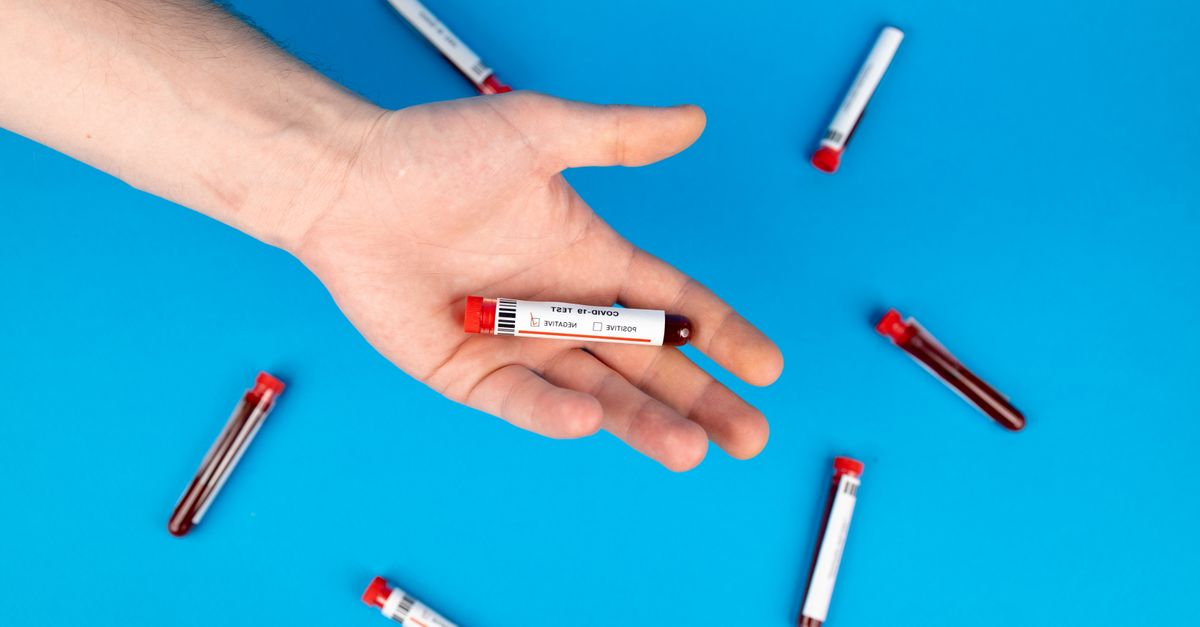
What Is a Normal Zinc Level in Postmenopause?
For most postmenopausal women, a serum zinc level between 70–120 µg/dL (11–18 µmol/L) is considered within the normal functional range, with optimal sitting closer to 90–110 µg/dL. The main caveat: standard lab reference ranges vary by lab and often flag deficiency only below 60–65 µg/dL, so many women with low-normal zinc still experience fatigue, immune dysfunction, and poor wound healing. Estrogen withdrawal accelerates zinc redistribution in tissues, making postmenopause a distinct physiological category.
---
Why Postmenopause Changes Your Zinc Status
Estrogen plays a surprisingly active role in zinc homeostasis. During the reproductive years, estrogen upregulates zinc transporter proteins (particularly ZIP7 and ZnT5) in several tissues, keeping intracellular zinc available for enzymatic activity. After menopause — defined clinically as 12 consecutive months without a menstrual cycle — circulating estradiol drops by roughly 85–90%, and this regulatory effect diminishes (Liuzzi & Cousins, Annu Rev Nutr 2004; PMID: 15189126).
The downstream effects include:
- Reduced intestinal zinc absorption, partly mediated by lower estrogen signaling on enterocyte zinc transporters
- Increased urinary zinc excretion, observed in several cross-sectional studies of postmenopausal women
- Altered zinc–bone metabolism, since zinc is a cofactor for alkaline phosphatase and osteocalcin production — both critical to maintaining bone mineral density in the absence of estrogen
- Blunted immune regulation, because zinc-dependent thymulin (a thymic hormone) activity declines with age and low zinc synergistically
A 2020 study published in Nutrients found that postmenopausal women had significantly lower serum zinc compared to age-matched premenopausal controls, even after adjusting for dietary intake (PMID: 32824562). This suggests the hormonal shift itself — not just dietary differences — contributes to lower zinc status post-menopause.
The Zinc–Estrogen Feedback Loop
The relationship is not unidirectional. Zinc itself modulates aromatase activity — the enzyme responsible for converting androgens to estrogen in peripheral fat tissue after menopause. Animal studies have shown that severe zinc depletion suppresses aromatase expression, further reducing the already diminished estradiol pool available to postmenopausal women who depend on peripheral conversion rather than ovarian production (MacDonald et al., J Nutr 2001; PMID: 11395601). In practical terms, this means that uncorrected zinc deficiency could compound the hormonal imbalance of menopause itself, not merely follow from it.
Additionally, zinc finger proteins — a structural class of transcription factors that require zinc ions for their three-dimensional shape — include the estrogen receptor alpha (ERα). When intracellular zinc is insufficient, ERα loses its DNA-binding capacity. This matters clinically because residual estrogen receptor signaling (even at low estradiol concentrations) continues to influence bone, cardiovascular, and cognitive tissue in postmenopausal women. Structural destabilization of ERα due to zinc insufficiency could reduce tissue responsiveness to whatever estrogen remains.
---
Understanding Lab Reference Ranges vs. Optimal Ranges
This distinction matters enormously for a lab explainer, so it's worth spending time here.
| Range Type | Serum Zinc (µg/dL) | What It Means |
|---|---|---|
| Deficiency (clinical) | < 60 | Likely symptomatic; immune and growth impairment probable |
| Low-normal | 60–75 | May still experience subclinical symptoms; monitor closely |
| Adequate (standard ref) | 70–120 | Lab flags as normal; still wide range |
| Optimal (functional) | 90–110 | Associated with best enzymatic activity and immune response |
| High / Risk of toxicity | > 150 | Can suppress copper; associated with excess supplementation |
Most commercial labs set their lower cutoff between 60–70 µg/dL, which means a postmenopausal woman at 72 µg/dL is technically "within range" but potentially experiencing meaningful subclinical deficiency. The IOM's Recommended Dietary Allowance (RDA) for adult women is 8 mg/day, rising to 11 mg/day for therapeutic repletion — but these values were largely derived from populations that included younger women with intact hormonal regulation.
Serum Zinc vs. RBC Zinc vs. Plasma Zinc: Which to Use?
Serum zinc is the most widely ordered test, but it reflects only about 0.1% of total body zinc. Roughly 85–90% of body zinc is intracellular, primarily in muscle and bone. Serum zinc is also diurnally variable — levels are roughly 15–20% higher in the morning before food and can drop acutely with infection, stress, or even a recent high-carbohydrate meal, all of which cause zinc to redistribute intracellularly.
RBC (red blood cell) zinc provides a longer-term view of zinc status, comparable to how HbA1c reflects average glucose rather than a single fasting measurement. For postmenopausal women in whom low-normal serum results are ambiguous, requesting both serum and RBC magnesium testing alongside zinc gives a more complete picture of intracellular mineral status, since magnesium and zinc share several cofactor roles in bone and immune metabolism.
Functional markers that can supplement lab results include:
- Alkaline phosphatase (ALP): A zinc-dependent enzyme; ALP below 50 U/L in a postmenopausal woman with borderline serum zinc is a soft indicator of zinc insufficiency at the tissue level
- Plasma metallothionein: More research-grade but increasingly available; metallothionein rises with zinc adequacy as a storage protein
- Taste acuity (gustin/carbonic anhydrase VI): Gustin is a zinc-dependent salivary protein; impaired taste in postmenopause is sometimes a first clinical signal of zinc insufficiency
---
Symptoms of Low Zinc in Postmenopausal Women
Because zinc participates in over 300 enzymatic reactions and more than 2,000 transcription factor binding sites, deficiency symptoms span multiple organ systems. In the postmenopausal context, several symptoms overlap with what is often attributed entirely to estrogen loss:
- Immune dysregulation: Recurrent infections, slow wound healing, and reduced natural killer cell activity all correlate with zinc insufficiency in older adults. A Cochrane-style meta-analysis of zinc supplementation in elderly populations found significant improvements in infection frequency and immune markers at doses of 15–45 mg/day elemental zinc (Barnett et al., Am J Clin Nutr 2010; PMID: 20200256).
- Bone loss acceleration: Zinc is required for osteoblast differentiation and for the zinc-dependent matrix metalloproteinases that remodel collagen in trabecular bone. Cross-sectional data consistently show that women with osteoporosis have lower serum and urinary zinc than age-matched women with normal bone density.
- Hair thinning and skin changes: The postmenopausal shift from androgenic to low-estrogen skin often coincides with zinc-dependent keratinocyte slowing. Hair thinning attributed to hormonal change may have a zinc component that is addressable independently of estrogen therapy.
- Cognitive and mood symptoms: Zinc modulates NMDA receptor activity and brain-derived neurotrophic factor (BDNF) expression. Low zinc has been associated with depressive symptoms in older women in several observational studies, though randomized trial evidence remains limited.
- Dysgeusia and appetite loss: Because postmenopausal women are already at risk for under-eating due to appetite regulation changes, zinc-driven taste impairment can become a compounding factor reducing overall nutrient density.
If several of these overlap with symptoms you've attributed solely to menopause, testing serum zinc (and ideally RBC zinc) becomes a clinically worthwhile step rather than optional.
---
Foods High in Zinc Carnosine
Zinc carnosine (also written as zinc-L-carnosine or polaprezinc) is a chelated compound in which one zinc ion is bound to one molecule of the dipeptide beta-alanyl-L-histidine (carnosine). It was originally developed in Japan as a gastroprotective agent but has gained significant attention for its role in mucosal healing, gut barrier integrity, and even sustained zinc bioavailability.
Foods do not naturally contain preformed zinc carnosine — this compound is synthesized and found only in supplements. However, understanding which foods contribute both zinc and carnosine precursors (beta-alanine and histidine) together is useful for anyone trying to approximate its effect through diet:
| Food | Zinc Content (per 100g) | Carnosine/Precursors |
|---|---|---|
| Oysters | 78 mg | Negligible carnosine |
| Beef (lean chuck) | 6–8 mg | High carnosine (~250–400 mg/100g) |
| Lamb | 4–6 mg | Moderate carnosine |
| Chicken breast | 1–2 mg | Low-moderate carnosine |
| Pork loin | 2–3 mg | Moderate carnosine |
| Turkey | 2–3 mg | Low-moderate carnosine |
For postmenopausal women with gastrointestinal symptoms, zinc carnosine supplementation has specific mechanistic appeal. A 2006 randomized controlled trial found that zinc-L-carnosine at 75 mg twice daily accelerated gastric mucosal healing and significantly reduced symptoms of gastritis compared to placebo (Handa et al., J Gastroenterol Hepatol 2006; PMID: 16704553). Gut barrier dysfunction — sometimes called "leaky gut" — is increasingly recognized as a contributor to systemic inflammation in menopause, and zinc carnosine at the clinically studied dose (150 mg/day total) addresses both the zinc repletion and mucosal repair dimensions simultaneously.
For dietary zinc in general, the absorption hierarchy in foods matters for postmenopausal women who may have reduced gastric acid production: shellfish > red meat > poultry > legumes. Phytate-containing foods (whole grains, legumes, seeds) substantially reduce zinc bioavailability — a postmenopausal woman eating a predominantly plant-based diet may need 50% higher dietary zinc intake to achieve the same absorbed amount as someone eating omnivore sources.
---
Zinc or Vitamin C: Which Matters More for Postmenopausal Immunity?
This is not a purely academic question. Both zinc and vitamin C are frequently recommended for immune support, and both become more important after menopause — but through distinct mechanisms, and with different risk profiles at higher doses.
Zinc's Immune Role Post-Menopause
Zinc regulates the development, differentiation, and function of virtually every immune cell type. Specifically relevant to postmenopausal physiology:
- Thymulin production: Thymulin is a zinc-dependent nonapeptide secreted by thymic epithelial cells that promotes T-cell maturation. Thymulin activity declines sharply with age and with low zinc, and supplementation at 15–30 mg/day has been shown to partially restore thymulin activity in elderly adults (Fabris & Mocchegiani, J Nutr 2000).
- NF-κB modulation: Zinc functions as an anti-inflammatory signal by inhibiting NF-κB activation, reducing pro-inflammatory cytokine output (IL-6, TNF-α) that tends to chronically elevate in menopause — a state sometimes called "inflammaging."
- Antioxidant enzyme function: Zinc is a structural component of copper-zinc superoxide dismutase (CuZnSOD), one of the primary intracellular antioxidant enzymes.
Vitamin C's Immune Role Post-Menopause
Vitamin C (ascorbic acid) is a water-soluble antioxidant that also supports neutrophil migration, collagen synthesis (via hydroxylation of proline and lysine in procollagen), and regeneration of oxidized vitamin E. After menopause, the loss of estrogen's antioxidant-protective effects increases oxidative stress burden in vascular and connective tissue, making vitamin C's role more pronounced.
A meta-analysis of vitamin C supplementation found that at doses of 200 mg/day or higher, duration of cold episodes was reduced by approximately 8% in adults, with somewhat larger effects in people under heavy physical stress (Hemilä & Chalker, Cochrane Database 2013; PMID: 23440782).
Zinc or Vitamin C: The Practical Answer
For most postmenopausal women, the answer is both — but sequenced correctly. Zinc should be prioritized if lab testing reveals low-normal or deficient status, since its deficiency directly compromises the thymic immune architecture that vitamin C alone cannot restore. Vitamin C, meanwhile, provides antioxidant and collagen-related support that is relevant regardless of zinc status.
The critical interaction to know: high-dose vitamin C (above ~1,000 mg/day) in the presence of supplemental zinc can mildly increase zinc absorption due to its chelation behavior — a potentially useful synergy, though it also slightly increases the risk of zinc accumulating above the tolerable upper intake level (40 mg/day for adults) if supplemental zinc is already high.
To learn more about how vitamin C interacts with other micronutrient levels across hormonal transitions, see the coverage of vitamin D levels in perimenopause and how co-deficiencies in this window often cluster together.
---
Vitamin C or Zinc: What to Supplement and at What Dose
For clarity, here is a practical dosing framework based on current evidence:
| Nutrient | Maintenance Dose | Repletion Dose | Upper Tolerable Limit | Key Form |
|---|---|---|---|---|
| Zinc | 8–11 mg/day (dietary equivalent) | 15–30 mg/day elemental | 40 mg/day | Zinc glycinate, zinc picolinate, zinc bisglycinate |
| Vitamin C | 75–200 mg/day | 500–1,000 mg/day | 2,000 mg/day | Ascorbic acid, calcium ascorbate |
| Zinc-L-Carnosine | — | 75 mg twice daily (150 mg/day total) | Not firmly established | Chelated compound |
Zinc form matters considerably. Zinc oxide — the cheapest form found in mass-market multivitamins — has absorption rates as low as 10–15%. Zinc glycinate and zinc picolinate demonstrate significantly higher bioavailability, with head-to-head studies showing zinc picolinate achieving meaningfully higher serum zinc response than oxide or gluconate forms at equivalent elemental doses (Barrie et al., Agents Actions 1987; PMID: 3630857). For a postmenopausal woman already dealing with reduced gastric acid (common with aging), form selection is not trivial.
One practical caution on long-term zinc supplementation: doses above 25–30 mg/day elemental zinc consumed chronically can deplete copper, since zinc and copper compete for intestinal absorption via the same transporter (metallothionein induction). A copper-to-zinc ratio in serum of roughly 0.7–1.0 is generally considered healthy. Women supplementing zinc long-term should consider including 1–2 mg copper alongside their zinc dose, or at minimum monitoring serum copper annually.
For comparison, understanding how zinc interacts with other minerals in hormonal contexts is explored in depth in the article on zinc levels in PCOS, which covers a different hormonal profile but shares overlapping lab interpretation challenges. Similarly, postpartum zinc demands are covered in zinc levels postpartum, where the depletion dynamics differ but the testing logic is similar.
---
What This Means for Your Formula
Personalized supplementation for postmenopausal zinc status requires more than adding a standard zinc tablet. The form, dose, timing, and cofactors all determine whether lab levels actually move.
Ones addresses postmenopausal zinc needs by including zinc in highly bioavailable chelated forms, dosed to close the gap between low-normal and optimal ranges rather than simply meeting the RDA. Specifically:
- Zinc (as zinc glycinate/picolinate): Dosed at the clinically relevant repletion range, not the RDA floor, based on what the user's blood work shows. If a lab result reveals serum zinc in the 65–75 µg/dL range, the AI-generated formula would reflect a targeted repletion dose rather than a maintenance one.
- Vitamin C (as ascorbic acid): Included in Ones' C Boost and Immune-C System Blends at doses that work synergistically with zinc for immune and connective tissue support, particularly relevant to postmenopausal collagen turnover and mucosal integrity.
- Magnesium Complex: While not a direct zinc replacement, magnesium supports the same alkaline phosphatase pathway and bone metabolism infrastructure that zinc is critical to — and postmenopausal women are frequently depleted in both simultaneously. Ones' Magnesium Complex uses a glycinate-based form for the same bioavailability rationale applied to zinc.
Because Ones analyzes blood work alongside health history, it can distinguish between a woman who is mid-range on serum zinc but showing ALP below threshold (suggesting functional insufficiency) versus one who is genuinely replete — and calibrate the formula accordingly rather than defaulting to a one-size multi.
If you're also investigating related postmenopausal lab markers, the deep-dive on normal calcium levels in postmenopause covers the zinc–calcium–bone axis from the calcium side, while vitamin D levels in menopause addresses the third leg of the bone metabolism triangle.
---
Key Takeaways
- Optimal serum zinc in postmenopause is 90–110 µg/dL, not just "within the lab's reference range" — most standard lab cutoffs are too low to catch functionally significant deficiency in this population.
- Estrogen withdrawal directly reduces zinc absorption and alters zinc transporter expression, making postmenopause a physiologically distinct category for zinc status evaluation, independent of dietary differences.
- Zinc form matters: Zinc glycinate and picolinate have meaningfully higher bioavailability than zinc oxide; for women with reduced gastric acid, form selection is a meaningful clinical variable.
- Zinc and vitamin C work through complementary mechanisms — zinc restores thymic immune architecture and reduces inflammaging; vitamin C supports antioxidant defense and collagen synthesis. Both matter post-menopause, and they can be safely combined at standard supplemental doses.
- Long-term zinc supplementation above 25 mg/day requires copper monitoring — the competitive absorption relationship between these two minerals means isolated zinc repletion without copper awareness can create a secondary deficiency.
- Testing serum zinc (and ideally RBC zinc) alongside ALP provides a more complete picture of zinc status than any single marker alone, especially when symptoms like hair thinning, slow wound healing, or recurrent infections are already present.
Always consult a qualified healthcare provider before beginning mineral supplementation, particularly if you are taking medications that interact with zinc (including tetracyclines, quinolone antibiotics, or thiazide diuretics).