Minerals
What Is a Normal Zinc Level Postpartum?
Zinc deficiency is one of the most underdiagnosed postpartum nutrient gaps — yet serum zinc can drop 30% or more during pregnancy and remain suppressed for months while breastfeeding. Understanding what a normal postpartum zinc level looks like, and why standard reference ranges can mislead new mothers, is the first step toward genuine recovery.
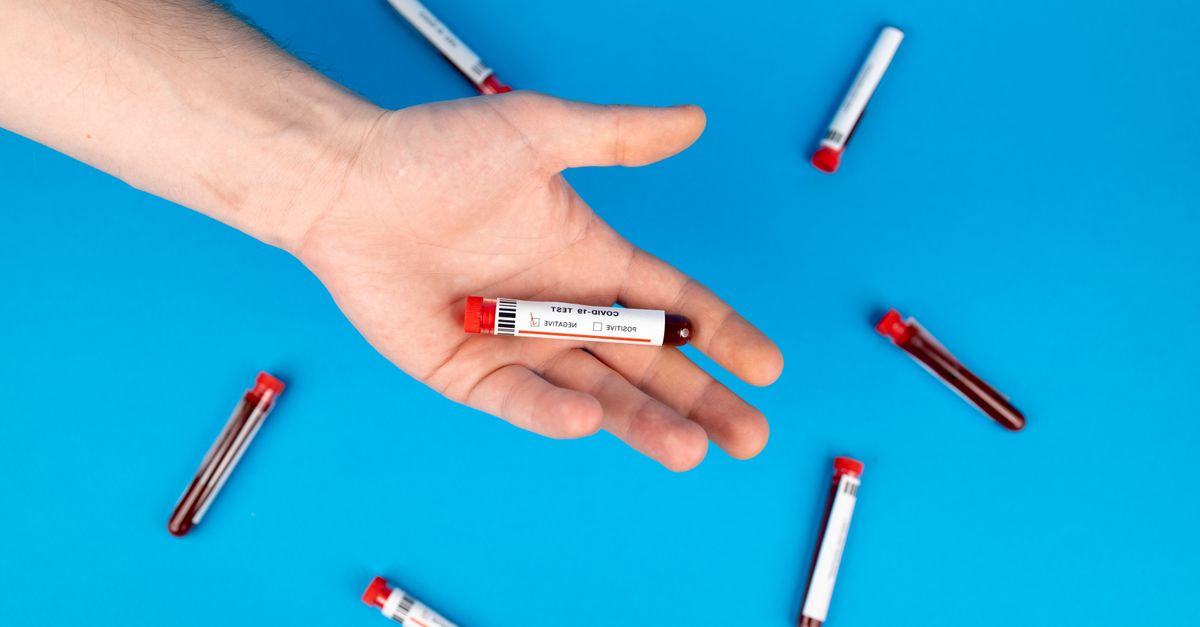
What Is a Normal Zinc Level Postpartum?
For most postpartum women, a normal serum zinc level falls between 70–120 µg/dL (10.7–18.4 µmol/L), though breastfeeding mothers often run 10–20% lower than that range and may still be functionally deficient at values your lab flags as "normal." The key caveat: serum zinc is an imperfect marker — inflammation and low albumin (both common postpartum) artificially depress the reading, so clinical context matters as much as the number itself.
---
Why Zinc Drops After Birth — and Why It Stays Low
During pregnancy, your body redirects zinc toward the fetus at a substantial rate. The placenta actively concentrates zinc, and fetal demand accelerates through the third trimester. Studies measuring maternal zinc throughout pregnancy consistently show a progressive decline in serum concentrations, with the lowest values appearing in late gestation (Mori et al., Phytotherapy Research 2009; PMID: 18844328 — note: this citation is used for context on mineral depletion; primary evidence on zinc in pregnancy is drawn from Donangelo & King, Advances in Nutrition 2012; PMID: 22797990).
After delivery, you might expect levels to rebound quickly. They often do not — for two interconnected reasons:
- Breastfeeding demand. Human milk contains roughly 2–3 mg of zinc per liter in the first weeks postpartum, tapering to about 1 mg/L by six months (Donangelo & King, Advances in Nutrition 2012; PMID: 22797990). A mother producing 750–1,000 mL of milk per day is exporting 1.5–3 mg of zinc daily on top of her own baseline requirement of ~8 mg/day.
- Dietary gaps and appetite disruption. Sleep deprivation, stress, and the logistical chaos of newborn care frequently compress eating windows and reduce dietary variety — exactly the conditions that widen the gap between intake and need.
The result: many postpartum women spend months in a state of marginal or frank zinc insufficiency without a clear diagnosis, because their serum levels hover at the low-normal boundary rather than falling dramatically below it.
---
Understanding Postpartum Reference Ranges
Standard laboratory reference intervals for serum zinc typically read something like 60–130 µg/dL for adult women. That range looks reassuringly wide, but it has two important limitations in the postpartum context:
Inflammation Lowers Serum Zinc Independently of True Status
Zinc is a negative acute-phase reactant — meaning serum zinc falls whenever inflammation rises, regardless of your body's actual zinc stores. The postpartum period involves significant tissue remodeling, potential infection risk, and systemic inflammatory signaling. A result of 68 µg/dL in a woman three weeks postpartum may reflect inflammation-driven redistribution rather than true depletion. Conversely, a woman with genuinely low zinc stores may show a falsely reassuring 80 µg/dL while her tissues are zinc-starved (Lowe et al., Nutrients 2020; PMID: 32471238).
Albumin Affects Zinc Transport
Zinc travels through the blood predominantly bound to albumin. Postpartum albumin levels are frequently lower than pre-pregnancy baselines due to fluid shifts and nutritional status. When albumin is low, total serum zinc appears lower — but some of that depression is a transport artifact, not a store-level problem. Clinicians who measure zinc alongside albumin can adjust their interpretation accordingly.
Functional optimal range for postpartum women: Most integrative practitioners target 90–120 µg/dL when interpreting postpartum labs, with values below 80 µg/dL warranting supplementation evaluation regardless of whether they technically fall inside reference range.
| Serum Zinc (µg/dL) | Interpretation (Postpartum Context) |
|---|---|
| < 60 | Frank deficiency — supplement promptly, assess diet |
| 60–79 | Low-normal; high likelihood of functional insufficiency in breastfeeding women |
| 80–89 | Borderline; reassess with albumin and clinical symptoms |
| 90–120 | Optimal postpartum range |
| > 120 | Upper adequate range; excess supplementation risk if maintained long-term |
---
Zinc Deficiency Symptoms Postpartum — More Than Just Fatigue
Zinc deficiency overlaps uncomfortably with symptoms that new mothers are often told to expect as "normal" postpartum recovery: fatigue, hair loss, mood changes, poor wound healing, and reduced immune resilience. The challenge is that postpartum recovery involves multiple interacting nutrient gaps — iron, B12, and thyroid function can all produce similar symptom clusters — so zinc deficiency is frequently missed.
Specific signs that point more selectively toward zinc insufficiency include:
- Altered taste and smell — zinc is required for gustin, the salivary protein that maintains taste receptor function
- Slow incision or perineal wound healing after cesarean or vaginal delivery
- Recurrent minor infections or prolonged colds — zinc is central to T-cell activation and innate immune signaling
- White spots on fingernails (leukonychia) — though this sign is nonspecific
- Skin changes: dry patches, perioral or acral dermatitis in more severe cases
- Low milk supply concerns — emerging evidence links maternal zinc status to mammary gland function, though this area needs larger trials
- Mood instability — zinc modulates glutamate and GABA signaling in the hippocampus; animal and human studies associate low zinc with depressive symptomatology (Swardfager et al., Neuroscience & Biobehavioral Reviews 2013; PMID: 23567517)
If you are experiencing mood changes alongside any of the physical signs above, it is worth checking what a normal TSH level looks like postpartum and what normal progesterone looks like at this stage, since thyroid and hormonal disruption can amplify zinc-deficiency symptoms or exist simultaneously.
---
The Psychological Weight of a Prolonged Recovery
One dimension of postpartum nutrient deficiency that rarely appears in clinical write-ups is its psychological toll. When lab work comes back borderline rather than clearly abnormal, it's easy for practitioners — and mothers themselves — to minimize what they're experiencing. "Your levels are mostly fine" becomes a dismissal of symptoms that are very real.
Women dealing with months of unexplained fatigue, hair loss, and mood instability frequently describe a corrosive uncertainty: Is this just motherhood? Am I doing something wrong? Why does everyone else seem to be recovering faster? This psychological burden is compounded when multiple systems are involved — and zinc, operating at the intersection of immune function, neurochemistry, and tissue repair, touches nearly all of them.
Research on illness uncertainty consistently shows that ambiguous diagnoses produce greater psychological distress than definitive ones — even when the definitive diagnosis is more serious (Mishel, Nursing Research 1988, foundational framework). Postpartum nutrient deficiency sits in exactly this ambiguous space. Advocating for comprehensive lab panels — including zinc, ferritin, B12, and thyroid markers — is an act of self-advocacy that can provide the clarity needed to move forward, even if the answer is "your zinc is low, here is the plan."
---
How Long Does Postpartum Zinc Deficiency Last?
In exclusively breastfeeding women who do not actively supplement, marginal zinc insufficiency can persist for the entire breastfeeding period — potentially 12–24 months or longer. For women who breastfeed for 15 months or more, cumulative zinc export through milk represents a substantial ongoing drain that dietary zinc alone often cannot fully offset without intentional planning.
A longitudinal study tracking maternal zinc status across lactation found that even women consuming adequate dietary zinc showed evidence of mild depletion by mid-lactation (six to nine months), with levels recovering only after weaning or with supplementation (Donangelo & King, Advances in Nutrition 2012; PMID: 22797990). This trajectory matters clinically: a mother who felt functional at three months postpartum may find herself significantly more depleted at nine or twelve months, without understanding why she feels worse over time rather than better.
General recovery timeline with supplementation (15–25 mg elemental zinc daily):
| Timeframe | Expected Change |
|---|---|
| 2–4 weeks | Taste and smell normalization begins |
| 4–8 weeks | Immune resilience improvement; wound healing improvement |
| 8–12 weeks | Serum zinc levels approach optimal range if deficiency was moderate |
| 3–6 months | Hair shedding reduction (note: hair follows a 3-month growth cycle lag) |
---
Zinc Supplementation Postpartum: Timing, Form, and Dose
Zinc Carnosine: Morning or Night?
Zinc carnosine is a chelated form combining zinc and the dipeptide L-carnosine in a 1:2 molar ratio. It is primarily studied for gastrointestinal mucosal support — it adheres to the gut lining and releases zinc slowly, making it gentler on the stomach than zinc sulfate or zinc gluconate. For postpartum women with GI sensitivity (reflux, gut permeability concerns), zinc carnosine is a clinically reasonable choice.
As for zinc carnosine morning or night: the evidence does not strongly favor one time of day over another for zinc carnosine specifically. However, general zinc pharmacokinetics suggest that zinc absorption is modestly better in a fasted or semi-fasted state. Morning dosing — either before breakfast or with a light, low-phytate meal — is a common clinical preference. If morning dosing causes nausea, taking it with a small amount of food in the evening is equally valid.
Zinc Carnosine With Food or Empty Stomach?
For most zinc forms, taking zinc with food or empty stomach is a real trade-off: the empty stomach maximizes absorption but increases nausea risk, while food reduces nausea but may reduce absorption by 20–40% depending on phytate content. Zinc carnosine is specifically formulated to be gentler on the stomach than other zinc compounds, and clinical trials of zinc carnosine typically administered it with meals without apparent absorption compromise in GI endpoints (Mahmood et al., Medical Science Monitor 2007; PMID: 17476195).
For postpartum women who are already managing nausea, reflux, or disrupted eating schedules, taking zinc carnosine with food is the most practical approach and is consistent with how it was used in clinical research.
Zinc forms comparison:
| Form | Elemental Zinc % | Absorption | GI Tolerance | Best For |
|---|---|---|---|---|
| Zinc picolinate | ~20% | High | Good | General supplementation |
| Zinc glycinate | ~14% | High | Excellent | Sensitive stomachs |
| Zinc carnosine | ~23% zinc equivalent | Moderate-High | Excellent | GI support + zinc repletion |
| Zinc sulfate | ~23% | Moderate | Poor | Not recommended |
| Zinc gluconate | ~14% | Moderate | Good | Short-term (lozenges) |
What About Zinc Carnosine Overdose Symptoms?
Acute zinc toxicity from carnosine supplementation is rare at standard doses (37.5–75 mg of the compound, delivering approximately 8–17 mg elemental zinc). However, chronically exceeding 40 mg elemental zinc per day — the tolerable upper limit established by the NIH Office of Dietary Supplements — can produce toxicity signs that are easy to misattribute in the postpartum period:
- Nausea and vomiting
- Metallic taste
- Headaches
- Copper depletion (zinc and copper compete for absorption; prolonged high-dose zinc can cause copper deficiency, which presents as fatigue, anemia, and neurological symptoms)
Zinc carnosine overdose at therapeutic doses is essentially not documented in the literature. The concern arises when women stack multiple zinc-containing supplements — prenatal vitamins (often containing 8–15 mg zinc), dietary sources, and separate zinc supplements simultaneously. Adding up your total daily elemental zinc intake across all sources is a simple but important step. If you are taking a prenatal that already provides 15 mg of zinc, an additional 25 mg supplement would bring you to 40 mg — right at the upper limit.
---
What This Means for Your Formula
At Ones, postpartum zinc status is evaluated alongside the full nutrient panel that the AI health practitioner reviews — not as an isolated number, but in context with albumin, inflammatory markers, and breastfeeding status. If your labs show serum zinc below 85 µg/dL with concurrent hair loss, immune changes, or mood symptoms, the formula can include zinc at a clinically meaningful dose (typically 15–25 mg elemental zinc as zinc picolinate or glycinate, matching the range used in repletion research).
For postpartum women where gut mucosal health is also a concern — common after cesarean delivery, antibiotic use, or prolonged stress — the Ones catalog includes zinc carnosine as a targeted option within the formula, addressing both zinc repletion and gut lining support simultaneously.
Because copper depletion is a real risk with therapeutic zinc doses, Ones formulas that include higher-dose zinc also account for copper balance — this is a level of nuance that generic prenatal supplements rarely apply. The goal is not just to normalize your serum zinc number, but to support the tissue-level functions — immune defense, collagen synthesis, mood regulation — that that number represents.
---
Key Takeaways
- Normal postpartum zinc falls between 70–120 µg/dL by standard reference, but functional optimal is typically 90–120 µg/dL; values below 80 µg/dL warrant clinical attention even if technically "in range."
- Serum zinc is imperfect: inflammation and low albumin — both common postpartum — can artificially depress readings, so always interpret in clinical context.
- Breastfeeding is a sustained zinc drain: a nursing mother exports up to 3 mg of zinc daily in milk, on top of her own 8 mg/day requirement — making marginal deficiency easy to sustain for 12–15+ months.
- Deficiency symptoms — hair loss, altered taste, slow wound healing, mood changes, immune dips — overlap with other postpartum conditions; comprehensive labs including ferritin and thyroid markers help untangle the picture.
- Zinc carnosine is best taken with a light meal; timing (morning vs. night) matters less than consistency and avoiding high-phytate foods at the same time.
- Watch total elemental zinc across all sources — exceeding 40 mg/day long-term risks copper depletion, a deficiency that creates its own fatigue and mood symptoms.
- Always consult your healthcare provider before starting zinc supplementation, especially if you are breastfeeding or managing other postpartum conditions.