Lab Results
What Is a Normal Ferritin Level in Postpartum?
Postpartum ferritin deficiency affects an estimated 50–80% of new mothers, yet routine newborn checks rarely include a maternal iron panel. Many women are told their hemoglobin looks fine while their ferritin is critically low — and that gap explains months of crushing fatigue, hair loss, and brain fog that gets chalked up to 'new mom life.'
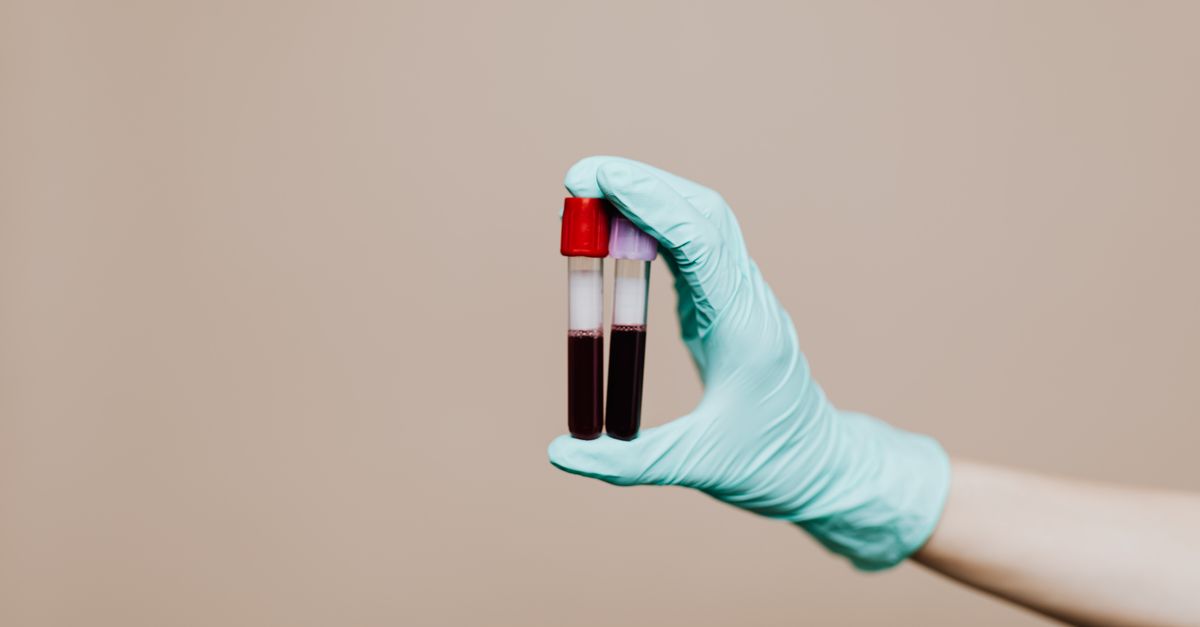
What Is a Normal Ferritin Level in Postpartum?
For most postpartum women, a ferritin level between 50–100 ng/mL is considered optimal for energy and hair retention, though standard lab reference ranges often flag anything above 12–15 ng/mL as "normal." The critical caveat: those lower reference thresholds reflect the absence of frank anemia, not functional iron sufficiency. The exception is women with hemochromatosis or active inflammatory illness — for them, higher ferritin can reflect iron overload or acute-phase response rather than true iron stores.
---
Why Postpartum Ferritin Depletes So Dramatically
Pregnancy is one of the most iron-demanding physiological states a human body can experience. The fetus draws iron preferentially — even when maternal stores are low — to build hemoglobin and support neurological development. Add blood loss at delivery (average 250–500 mL for vaginal birth, 750–1,000 mL for cesarean), and you have a near-perfect formula for iron store depletion.
A 2017 systematic review published in Nutrients analyzed over 1,400 postpartum women and found that ferritin levels below 30 ng/mL were present in 50–60% of participants at 6–8 weeks postpartum, even in women who had supplemented with prenatal iron throughout pregnancy (Milman et al., Nutrients 2017; PMID: 28264491).
Breastfeeding extends this drain further. Lactation requires approximately 0.3 mg of iron per day in milk transfer. While exclusive breastfeeding temporarily suppresses menstruation (and thus avoids a monthly iron loss), it does not offset the deficits already established by delivery. Women who resume menstruation at 6–8 weeks while still breastfeeding face compounded losses.
Key contributing factors to postpartum ferritin depletion:
- Third-trimester fetal iron transfer draws preferentially from maternal stores
- Delivery blood loss — the single largest acute depletion event
- Poor dietary iron absorption postpartum (fatigue and GI sensitivity reduce dietary variety)
- Inadequate postpartum supplementation (most prenatal protocols end at delivery)
- Early return of menses, especially in non-breastfeeding or mixed-feeding mothers
---
What Lab Reference Ranges Don't Tell You
Standard hospital reference ranges for ferritin typically define "normal" as 12–150 ng/mL for women of reproductive age. At 12 ng/mL, bone marrow iron stores are essentially exhausted. The World Health Organization defines iron deficiency (without anemia) as ferritin below 15 ng/mL, and iron deficiency anemia as ferritin below 12 ng/mL combined with low hemoglobin.
But clinical research draws a sharp line between "not anemic" and "functioning optimally." A landmark study in The Lancet demonstrated that women with ferritin below 50 ng/mL showed measurable fatigue and reduced exercise capacity even with normal hemoglobin — and that iron supplementation in that group improved fatigue scores significantly (Vaucher et al., The Lancet 2012; PMID: 22424812).
A more clinically useful tiered framework:
| Ferritin Level | Interpretation | Common Symptoms |
|---|---|---|
| Below 12 ng/mL | Iron deficiency anemia (likely) | Severe fatigue, pallor, palpitations, shortness of breath |
| 12–30 ng/mL | Iron deficient, no anemia | Fatigue, brain fog, hair shedding, poor exercise tolerance |
| 30–50 ng/mL | Suboptimal — functional deficiency possible | Persistent tiredness, mood changes, reduced recovery |
| 50–100 ng/mL | Optimal functional range | Energy, hair, and mood generally well-supported |
| Above 150 ng/mL | Investigate for inflammation, hemochromatosis | May be elevated from acute-phase response, not true iron excess |
For postpartum women specifically, most integrative practitioners and hematologists specializing in women's health target ferritin at or above 50 ng/mL before declaring iron status replete — a bar the standard lab range does not set.
---
Postpartum Hair Loss, Fatigue, and the Ferritin Connection
Postpartum telogen effluvium — the wave of hair shedding that typically peaks at 3–4 months after delivery — is one of the most distressing symptoms new mothers report. While hormonal shifts (the dramatic drop in estrogen after delivery) are the primary driver, iron status is a critical cofactor.
A 2013 review in the Journal of the American Academy of Dermatology concluded that ferritin below 30 ng/mL was consistently associated with diffuse hair loss in premenopausal women, and that correction of iron status was associated with hair regrowth over 3–6 months (Rushton, JAAD 2013; PMID: 23988010). Women in the postpartum period who enter this hormonal transition already iron-depleted experience more severe and prolonged hair shedding.
Fatigue is even more universal. Postpartum fatigue has multiple overlapping causes — sleep deprivation, thyroid dysregulation, vitamin D deficiency, and postpartum cortisol fluctuations — but low ferritin is one of the few causes that is directly, measurably correctable. Iron is required for mitochondrial energy production and dopamine synthesis; tissue-level iron deficiency reduces both cellular ATP output and the neurotransmitter support that underlies motivation and mood.
---
How to Test and What to Ask Your Provider
A standard CBC (complete blood count) will identify frank anemia (low hemoglobin) but will not tell you your ferritin level. You must specifically request:
- Serum ferritin — the primary measure of iron stores
- Transferrin saturation — reflects iron available for transport; below 20% suggests functional deficiency even at borderline ferritin
- TIBC (Total Iron Binding Capacity) — elevated TIBC indicates the body is upregulating iron transport proteins in response to low stores
- Serum iron — less reliable alone but useful in combination with the above
- CRP or ESR — because ferritin is an acute-phase reactant, inflammation artificially inflates the number; checking CRP helps confirm whether a ferritin of, say, 45 ng/mL reflects actual stores or masked deficiency
If you've also been tracking postpartum thyroid status or postpartum vitamin D levels, request those panels at the same blood draw — iron, thyroid, and vitamin D deficiencies frequently co-occur postpartum, each compounding the fatigue burden.
---
Optimal Postpartum Ferritin Targets by Timeline
Recovery of iron stores postpartum is not rapid even with supplementation. Hemoglobin normalizes within 6–8 weeks, but ferritin repletion to optimal levels (50+ ng/mL) typically takes 3–6 months of consistent oral supplementation in the setting of mild-to-moderate deficiency, and may require IV iron in severe cases or in women who cannot tolerate oral iron due to gastrointestinal side effects.
| Postpartum Timepoint | Target Ferritin | Notes |
|---|---|---|
| 6 weeks | Above 20 ng/mL | Minimum threshold; below this, supplement urgently |
| 3 months | Above 30 ng/mL | Hair loss risk elevated below this level |
| 6 months | Above 50 ng/mL | Optimal functional threshold |
| 12 months | 50–100 ng/mL | Sustained recovery goal, especially if breastfeeding continues |
Women who experienced significant hemorrhage at delivery may have ferritin in single digits at 6 weeks postpartum. These cases often warrant IV iron infusion (ferric carboxymaltose or iron sucrose) rather than oral supplementation, as oral iron cannot absorb quickly enough to meet tissue needs, and GI side effects make adherence difficult.
---
Dietary Iron in the Postpartum Period: Heme vs. Non-Heme
Iron from food comes in two forms with dramatically different absorption rates:
- Heme iron (from meat, poultry, fish): absorbed at 15–35% efficiency
- Non-heme iron (from plants, fortified foods): absorbed at 2–20%, highly dependent on co-consumed factors
Vitamin C consumed simultaneously with non-heme iron sources increases absorption by up to 3-fold by reducing ferric iron (Fe³⁺) to the more absorbable ferrous form (Fe²⁺). Conversely, calcium-rich foods, coffee, tea (tannins), and high-phytate foods (whole grains, legumes) consumed at the same meal can reduce non-heme iron absorption by 30–60%.
For postpartum women following a vegetarian or vegan diet, the gap between dietary iron intake and absorption-adjusted iron availability is substantial. These women are at significantly higher risk of sustained postpartum ferritin deficiency and typically require longer-duration supplementation at higher doses.
If you are also monitoring postpartum B12 status — another critical nutrient for plant-based mothers — coordinate your repletion strategy, as B12 deficiency and iron deficiency overlap in both symptoms and dietary risk factors.
---
Understanding Constipation from Iron Supplementation
One of the most common reasons women abandon iron supplementation is gastrointestinal intolerance — particularly constipation, nausea, and dark stools. This is almost exclusively a problem with ferrous sulfate, the cheapest and most commonly prescribed form of supplemental iron.
Ferrous sulfate has high free-iron content in the GI tract, which irritates the gut lining and slows motility. Alternatives with meaningfully better GI tolerability include:
- Ferrous bisglycinate chelate — iron chelated to glycine; absorbed efficiently at lower doses with significantly reduced constipation
- Ferric maltol (available by prescription in some markets) — absorbed via a different pathway entirely
- Liposomal iron — encapsulated form that bypasses much of the GI irritation
A randomized trial comparing ferrous bisglycinate to ferrous sulfate found equivalent hemoglobin improvement with a 40% lower incidence of GI adverse events in the bisglycinate group (Milman et al., Acta Obstetricia et Gynecologica Scandinavica 2014; PMID: 24118050). For postpartum women already managing the physical recovery of childbirth, choosing a better-tolerated iron form dramatically improves adherence.
Dosing iron on alternate days (every other day) rather than daily has also been shown in mechanistic research to improve total absorption by allowing hepcidin levels — the hormone that downregulates iron transport — to reset between doses (Moretti et al., Haematologica 2015; PMID: 25425678).
---
What This Means for Your Formula
One of the advantages of a personalized supplement approach is the ability to address iron status in context — alongside the other nutrient gaps that commonly co-occur postpartum — rather than prescribing a single-ingredient supplement and hoping for the best.
Ones uses your lab results, including ferritin, serum iron, and transferrin saturation where available, to calibrate your formula. A few specific ways this shows up:
- Vitamin D3 + K2 (MK-7): Vitamin D deficiency impairs iron absorption at the intestinal level. Ones includes Vitamin D3 paired with MK-7 to support both calcium regulation and immune function, which indirectly supports iron uptake efficiency. For context on postpartum vitamin D targets, D3 replenishment is often a parallel priority alongside ferritin restoration.
- Vitamin C (C Boost): Ones' C Boost system blend includes ascorbic acid at clinically relevant doses specifically to support non-heme iron conversion and immune function — a meaningful lever for postpartum women eating iron-rich but predominantly plant-based diets.
- Adrenal Support blend: Chronic postpartum stress and elevated cortisol reduce iron absorption and increase inflammatory markers that artificially elevate ferritin, masking true deficiency. Ones' proprietary Adrenal Support blend is designed to modulate the HPA axis response, which supports a more accurate iron status picture over time.
Ones does not include standalone iron capsules in its catalog — iron supplementation at therapeutic doses for diagnosed deficiency should be managed with a physician, particularly for postpartum dosing. However, Ones formulas are designed to support the surrounding biochemistry that makes iron repletion more effective: absorption cofactors, inflammatory modulation, and energy metabolism support.
---
Key Takeaways
- Standard lab reference ranges define "not anemic" — they do not define "functioning optimally." Postpartum women should target ferritin of 50–100 ng/mL, not just "above 12."
- Postpartum ferritin depletion affects the majority of new mothers due to fetal iron transfer, delivery blood loss, and continued losses from breastfeeding or early return of menses.
- Hair loss, fatigue, and brain fog postpartum are frequently driven or worsened by low ferritin, even when hemoglobin appears normal on a CBC.
- Always test serum ferritin (not just CBC), transferrin saturation, and CRP together — ferritin is an acute-phase reactant and can be falsely elevated during inflammation.
- Iron form matters: ferrous bisglycinate chelate and liposomal iron have meaningfully better GI tolerability than ferrous sulfate, with equivalent or better absorption.
- Repletion takes time — plan for 3–6 months of consistent supplementation to reach optimal ferritin levels from a depleted baseline, and retest before stopping.
---
This article is for informational purposes only and does not constitute medical advice. Consult your healthcare provider for personalized guidance on iron testing, supplementation dosing, and postpartum recovery.