Supplements
What Is Turmeric Good for: Benefits, Dosage, and What the Research Actually Shows
Turmeric has been used medicinally for over 4,000 years, but only recently has modern research begun to validate what traditional medicine long suspected. The active compound curcumin shows measurable effects on inflammation, joint health, brain function, and more — yet most people taking turmeric supplements never absorb enough of it to matter. Here is what the science actually shows, what dose you need, and why bioavailability is the variable that changes everything.
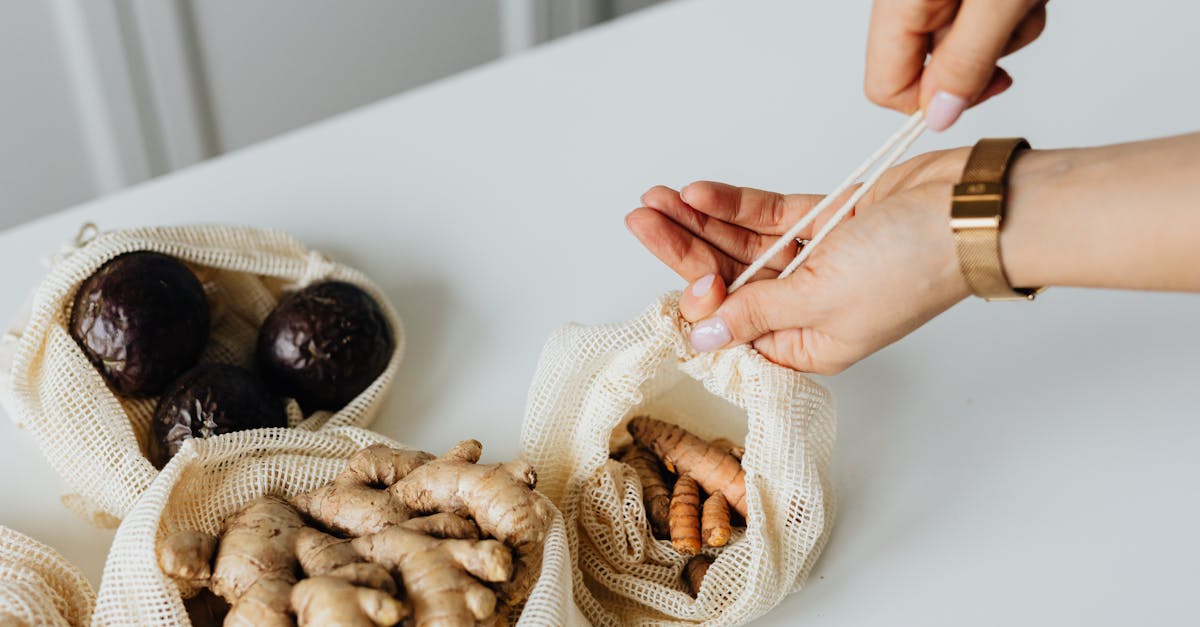
What Is Turmeric Good for: Benefits, Dosage, and What the Research Actually Shows
Turmeric sits in the top tier of the global supplement market — a $3+ billion category and growing — yet a large portion of the people buying it are unknowingly taking a form their bodies can barely absorb. Curcumin, the primary bioactive polyphenol in turmeric root (Curcuma longa), has been the subject of more than 9,000 published studies. The evidence is real, the mechanisms are well-characterized, and the clinical applications are broadening every year. The problem is not the compound — it is the delivery.
This article breaks down the strongest evidence for what turmeric is actually good for, the doses that produced results in clinical trials, and what the research says about making it work in your body.
---
What Is Turmeric and Why Does Curcumin Matter?
Turmeric is a flowering plant native to Southeast Asia whose rhizome (root) is dried and ground into the bright yellow-orange powder used in cooking and traditional Ayurvedic medicine. The root contains a family of polyphenols called curcuminoids — of which curcumin (diferuloylmethane) makes up roughly 75–80% of the active fraction, with demethoxycurcumin and bisdemethoxycurcumin making up the rest.
Curcumin's mechanism of action is unusually broad. It modulates the NF-κB signaling pathway — a master regulator of inflammatory gene expression — and simultaneously inhibits COX-2 enzymes, reduces pro-inflammatory cytokines including IL-1β, IL-6, and TNF-α, and activates Nrf2, the transcription factor that drives the body's antioxidant defense systems (Aggarwal et al., AAPS Journal 2013; doi.org/10.1208/s12248-013-9452-7).
The challenge: raw curcumin is poorly absorbed from the gastrointestinal tract, rapidly metabolized, and quickly eliminated. Studies show bioavailability of standard curcumin extract in humans is very low without enhancement strategies. Two approaches dominate the clinical literature: combining curcumin with piperine (black pepper extract, which inhibits glucuronidation and increases absorption by up to 2,000% in one early study) and using phospholipid-complexed or nanoparticle formulations (Shoba et al., Planta Medica 1998; PMID: 9619120).
---
The Strongest Evidence: What Turmeric Is Good for in Clinical Research
1. Reducing Inflammation and Oxidative Stress
Curcumin's anti-inflammatory activity is its most replicated effect. A 2017 systematic review and meta-analysis of randomized controlled trials found that curcumin supplementation significantly reduced circulating levels of C-reactive protein (CRP) and IL-6 compared to placebo — with the largest effects seen in participants with elevated baseline inflammation (Sahebkar et al., Nutrition Reviews 2016; doi.org/10.1093/nutrit/nuw001). The review analyzed data from eight RCTs and found meaningful reductions in high-sensitivity CRP.
For people whose blood work shows persistently elevated inflammatory markers — a pattern Ones' AI flags when analyzing uploaded lab results — targeted curcumin supplementation represents a clinically grounded first-line nutritional strategy.
2. Joint Health and Osteoarthritis
This is arguably curcumin's best-supported clinical application. A 2014 randomized, double-blind trial published in Clinical Interventions in Aging compared a bioavailable curcumin phospholipid complex (Meriva®, 200mg curcumin equivalent) against placebo in 100 patients with knee osteoarthritis over eight months. The curcumin group showed significant reductions in WOMAC pain subscores and improved walking distance compared to placebo (Belcaro et al., Clinical Interventions in Aging 2014; PMID: 24672232).
A separate network meta-analysis in BMJ Open (2016) concluded that curcumin extract was among the most effective dietary supplements for reducing osteoarthritis pain, outperforming chondroitin and glucosamine on pain outcomes in head-to-head comparisons within the network (Liu et al., BMJ Open 2018; doi.org/10.1136/bmjopen-2017-019672).
If you are exploring the clinical evidence for joint and ligament support ingredients, curcumin belongs at the top of that list alongside collagen peptides and Boswellia.
3. Brain Health, Mood, and Cognitive Function
Curcumin crosses the blood-brain barrier — a property not shared by all anti-inflammatory compounds — and accumulates in brain tissue where it inhibits amyloid-beta aggregation and reduces neuroinflammation. A UCLA randomized, double-blind, placebo-controlled trial (n=40, 18 months) found that 90mg of a highly bioavailable curcumin formulation (Theracurmin®) twice daily significantly improved memory performance on neuropsychological testing and reduced brain amyloid and tau signals on PET imaging compared to placebo in non-demented adults (Small et al., American Journal of Geriatric Psychiatry 2018; PMID: 29246725).
For mood, a meta-analysis of six RCTs found curcumin supplementation produced statistically significant reductions in depression and anxiety scores compared to placebo — an effect the authors attributed to modulation of serotonin and dopamine pathways alongside its anti-neuroinflammatory actions (Ng et al., Phytotherapy Research 2017; doi.org/10.1002/ptr.5643).
4. Liver and Metabolic Health
Curcumin activates Nrf2 and AMPK pathways that regulate hepatic lipid metabolism and oxidative stress — making it relevant to non-alcoholic fatty liver disease (NAFLD). A systematic review of eight RCTs found curcumin supplementation significantly reduced ALT and AST liver enzymes in patients with NAFLD compared to placebo, with additional improvements in fasting glucose and insulin resistance (Mansour-Ghanaei et al., Journal of Nutritional Biochemistry 2019; PMID: 30359814).
Ones' Liver Support System Blend builds on this mechanistic foundation by combining curcumin with milk thistle (silymarin), NAC, and alpha-lipoic acid — ingredients selected because their hepatoprotective pathways are complementary rather than redundant.
5. Cardiovascular Risk Markers
A 2017 meta-analysis of twelve RCTs found that curcumin supplementation significantly reduced total cholesterol, LDL cholesterol, and triglycerides while increasing HDL compared to control groups (Qin et al., Nutrition Journal 2017; doi.org/10.1186/s12937-017-0293-y). The effects were modest but consistent across populations, suggesting curcumin may complement — rather than replace — conventional lipid management strategies.
---
What Is Magnesium Glycinate Good for — and How It Relates to Inflammation
Magnesium is often discussed in the context of sleep and muscle function, but its relationship to systemic inflammation is one of the most under-recognized connections in nutritional medicine. Low serum magnesium is independently associated with elevated CRP and higher NF-κB activity — the same pathway curcumin targets (Nielsen, Magnesium Research 2018; doi.org/10.1684/mrh.2018.0443).
Magnesium glycinate, the chelated form bound to the amino acid glycine, is preferred in clinical contexts for two reasons: it has superior intestinal absorption compared to magnesium oxide or citrate, and glycine itself has mild anxiolytic and sleep-promoting properties. If you want a deeper look at optimal magnesium glycinate dosage for sleep and inflammation, the evidence for 300–400mg elemental magnesium per day is well-established in the literature.
For anyone already using curcumin to manage inflammatory load, ensuring adequate magnesium status is not optional — it is foundational. Ones' Magnesium Complex System Blend is formulated at clinically relevant doses and can be layered into a custom formula alongside curcumin when lab data shows magnesium insufficiency.
---
What Is Ashwagandha Good for — Stress, Cortisol, and Inflammation
Because inflammation and chronic stress are bidirectionally linked — elevated cortisol promotes inflammatory signaling, and systemic inflammation elevates cortisol — clinical evidence for ashwagandha is directly relevant to anyone using curcumin for inflammatory health.
Ashwagandha (Withania somnifera), specifically the KSM-66 extract standardized to ≥5% withanolides, has been shown in multiple RCTs to significantly reduce serum cortisol and perceived stress. A landmark 60-day RCT (n=64) found KSM-66 at 300mg twice daily reduced cortisol by 27.9% compared to placebo and significantly improved all Perceived Stress Scale subscores (Chandrasekhar et al., Indian Journal of Psychological Medicine 2012; PMID: 23439798).
Ones includes KSM-66 ashwagandha at the full 600mg daily dose validated in this trial — split across capsules to match the protocol used in the research. When a user's wearable data shows elevated resting heart rate, poor HRV, or disrupted sleep alongside inflammatory markers in their blood work, Ones' AI may recommend combining curcumin with ashwagandha because the mechanisms address both downstream inflammation and its upstream cortisol driver simultaneously.
---
Turmeric Dosage: What the Clinical Trials Actually Used
Most people using over-the-counter turmeric powder are not getting anywhere near clinical doses. A teaspoon of ground turmeric contains roughly 200mg of curcuminoids — and without bioavailability enhancement, only a small fraction reaches systemic circulation.
| Form | Typical Dose in Trials | Bioavailability Strategy | Notes |
|---|---|---|---|
| Standard curcumin extract | 500–2,000mg/day | None | Poor absorption |
| Curcumin + Piperine | 500mg curcumin + 5–20mg piperine | CYP inhibition | Low cost, effective |
| Meriva (phospholipid complex) | 200–400mg curcumin eq/day | Lipid complexing | Strong RCT data |
| Theracurmin (nanoparticle) | 90–180mg/day | Size reduction | UCLA brain study used this |
| BCM-95 / Biocurcumax | 500–1,000mg/day | Essential oil matrix | Good bioavailability data |
For general anti-inflammatory support, the body of evidence supports 500–1,000mg of a bioavailable curcumin extract daily with food. Higher doses (1,500–2,000mg/day) have been used safely in trials of up to six months, with no significant adverse events reported in healthy populations (NIH ODS, Curcumin Fact Sheet, 2023).
---
How Ones Addresses This: Curcumin, Magnesium, and Ashwagandha in Your Formula
Ones does not offer a one-size-fits-all turmeric capsule. Instead, its AI practitioner analyzes your blood work (CRP, homocysteine, liver enzymes, magnesium RBC levels), wearable data (HRV, sleep efficiency, resting heart rate trends), and stated health goals before deciding whether curcumin belongs in your formula — and at what dose.
Three specific ingredients the platform calibrates based on this data:
- Curcumin (bioavailable form): Ones uses enhanced-bioavailability curcumin — dosed based on your inflammatory marker profile — not raw turmeric powder, which produces inadequate serum concentrations in most people.
- Magnesium Glycinate (Magnesium Complex): Included in Ones' Magnesium Complex System Blend at doses calibrated to your magnesium RBC or serum result. For users with confirmed insufficiency, this addresses both sleep quality and inflammatory NF-κB activity simultaneously.
- KSM-66 Ashwagandha (600mg): Dosed at the full 600mg/day clinical amount from the Chandrasekhar 2012 trial and confirmed in subsequent replication studies. Prioritized in formulas where wearable data and cortisol markers suggest the stress axis is driving the inflammatory picture.
This kind of stacking logic — understanding that inflammation has upstream drivers and downstream consequences that all need to be addressed together — is where personalized formulation separates itself from buying single-ingredient supplements off a shelf. Platforms like Ritual offer standardized multivitamins, and Thorne provides high-quality practitioner-grade products, but neither connects your actual lab values and wearable trends to dose selection the way Ones does.
For users interested in how the omega-3 EPA DHA ratio also feeds into this anti-inflammatory picture, Ones' AI frequently co-recommends curcumin and Omega-3s because EPA and DHA suppress the same AA-derived prostaglandin and cytokine pathways through complementary mechanisms.
---
Key Takeaways
- Bioavailability is the most important variable with turmeric. Standard curcumin extract has poor absorption; clinical trials that showed benefits used piperine-enhanced, phospholipid-complexed, or nanoparticle formulations at 90–2,000mg/day.
- The best-supported applications are joint pain/osteoarthritis, systemic inflammation (CRP, IL-6), mood and cognitive function, and liver enzyme reduction in NAFLD — all backed by multiple randomized controlled trials.
- Magnesium glycinate and curcumin share a mechanistic target — NF-κB — making them synergistic when inflammation is driven by magnesium insufficiency, which is common and under-tested in routine blood panels.
- Chronic stress elevates the same inflammatory pathways curcumin targets. Pairing curcumin with KSM-66 ashwagandha addresses both the upstream cortisol driver and downstream inflammatory output.
- Ones builds curcumin into formulas based on your CRP, liver enzymes, and wearable-derived stress metrics — not a generic protocol — and combines it with Magnesium Complex and KSM-66 ashwagandha when lab and biometric data support stacking.
- Always consult a qualified healthcare provider before using curcumin therapeutically, particularly if you are on anticoagulants, have gallbladder disease, or are pregnant, as curcumin affects drug metabolism through CYP450 pathways.