Supplements
What the Research Actually Says About What Supplements Affect ESR?
An elevated erythrocyte sedimentation rate (ESR) is one of the oldest inflammation signals in clinical medicine — and one of the most overlooked in preventive health. While ESR rarely gets the spotlight that CRP or A1C receives, a persistently high result can quietly point to smoldering systemic inflammation, autoimmune activity, or metabolic dysfunction. Here's what the evidence actually says about which supplements move the needle.
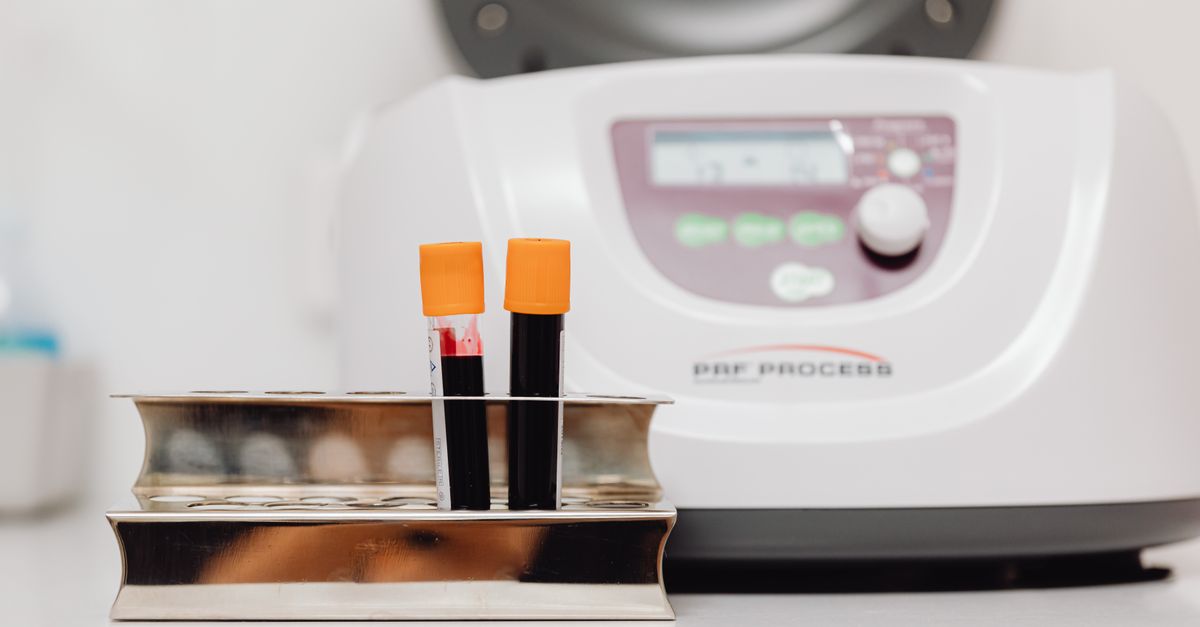
What Is ESR and Why Does It Matter?
Erythrocyte sedimentation rate (ESR) measures how quickly red blood cells settle to the bottom of a test tube over one hour, reported in mm/hr. Elevated ESR is a nonspecific marker: it rises when plasma proteins — particularly fibrinogen — increase in response to inflammation, infection, or tissue damage. Normal reference ranges are typically 0–20 mm/hr for men under 50 and 0–30 mm/hr for women under 50, though these thresholds drift upward with age.
What makes ESR clinically valuable is its sensitivity over time. A single elevated reading is rarely diagnostic on its own, but persistently elevated ESR — especially alongside elevated CRP, high LDL particle number, or borderline A1C — paints a picture of chronic low-grade inflammation that accelerates cardiovascular disease, metabolic dysfunction, and immune dysregulation. Understanding what supplements affect ESR is therefore not an academic question; it's a practical one with real implications for long-term health.
---
What Supplements Affect CRP?
C-reactive protein (CRP) and ESR are both acute-phase reactants, and supplements that lower CRP often reduce ESR in parallel — though the magnitude and timeline differ. CRP responds to inflammation within hours, while ESR lags by 24–48 hours and normalizes more slowly. That said, the research on CRP-lowering nutrients is richer and more granular, and the mechanisms overlap directly with ESR reduction.
Omega-3 fatty acids (EPA and DHA) are among the most studied anti-inflammatory supplements. A meta-analysis of 68 randomized controlled trials found that omega-3 supplementation significantly reduced CRP, IL-6, and TNF-α — the same cytokine cascade that drives fibrinogen production and elevates ESR (Calder et al., Annals of Nutrition & Metabolism 2017; PMID: 28490511). Doses in effective trials generally ranged from 1.8–3.6 g/day of combined EPA and DHA.
Curcumin (from turmeric) is another well-characterized CRP modulator. A meta-analysis of 15 RCTs found curcumin supplementation significantly reduced both CRP and ESR in participants with elevated baseline inflammation (Tabrizi et al., Phytotherapy Research 2019; PMID: 30402990). The bioavailability challenge with curcumin is well-established — standard curcumin extracts are poorly absorbed without piperine or phospholipid complexing. Effective doses in ESR-relevant trials were typically 500–1500 mg/day of a bioavailability-enhanced form.
Magnesium also deserves mention. Low serum magnesium is associated with elevated CRP and inflammatory cytokines, and supplementation has been shown to reduce hs-CRP in individuals with low baseline magnesium status (Simental-Mendía et al., Magnesium Research 2017; PMID: 29443836). Because magnesium is frequently depleted by stress, poor sleep, and processed diets, correcting deficiency can have downstream effects on ESR as well.
For individuals tracking both CRP and ESR on regular bloodwork, these anti-inflammatory nutrients often show correlated improvements — making them worthwhile anchors in any inflammation-reduction protocol.
---
What Supplements Affect LDL Particle Number?
LDL particle number (LDL-P) is a secondary keyword that sits at the intersection of cardiovascular and inflammatory biomarker management. High LDL-P — particularly small, dense LDL — drives endothelial oxidative stress, which in turn elevates fibrinogen and ESR. Addressing LDL-P isn't just a lipid strategy; it's also an inflammation strategy.
Berberine has emerged as one of the more compelling supplements for LDL particle composition. Clinical trials show berberine activates PCSK9 inhibition, increases LDL receptor expression, and reduces LDL-C by 15–25% in some populations (Kong et al., Metabolism 2008; PMID: 18068255). Though most ESR studies don't isolate LDL-P directly, the anti-inflammatory and lipid-lowering effects of berberine are mechanistically linked — reduced oxidized LDL means reduced endothelial inflammation and lower fibrinogen output.
Plant sterols (beta-sitosterol, campesterol) competitively inhibit cholesterol absorption in the gut, reducing LDL-C by 8–10% at 2 g/day doses, per a Cochrane review of randomized trials. Lower circulating oxidized LDL has been associated with lower fibrinogen levels and, consequently, lower ESR in metabolically at-risk populations.
Omega-3s, again, are relevant here. While EPA and DHA don't dramatically lower LDL-C, they do shift the LDL particle distribution toward larger, less atherogenic particles — reducing the oxidative burden on the endothelium. This is one mechanism by which consistent omega-3 use correlates with long-term reductions in ESR and other inflammatory markers.
For users whose Ones formula has been built around elevated inflammatory markers alongside lipid concerns, understanding this overlap explains why a single targeted ingredient can move multiple biomarkers simultaneously.
---
What Supplements Affect A1C?
Glycated hemoglobin (A1C) reflects average blood glucose over approximately three months — and chronic hyperglycemia is itself a driver of systemic inflammation. Advanced glycation end-products (AGEs) activate inflammatory pathways, increase fibrinogen synthesis, and elevate both CRP and ESR. Supplements that improve insulin sensitivity and reduce A1C therefore create a secondary anti-inflammatory benefit.
Berberine once again leads the evidence base. A landmark 2008 RCT compared berberine (500 mg three times daily) head-to-head with metformin in patients with type 2 diabetes and found comparable A1C reductions of approximately 2% over 13 weeks (Zhang et al., Metabolism 2008; PMID: 18068255). The anti-inflammatory overlap is notable: berberine also reduced inflammatory cytokines alongside glucose in several of these trials.
Alpha-lipoic acid (ALA) improves insulin-mediated glucose uptake through GLUT4 translocation and has been shown in meta-analyses to modestly reduce fasting glucose and A1C in insulin-resistant individuals. Separately, ALA is a potent antioxidant that quenches AGE-associated free radicals — directly addressing one of the inflammatory mechanisms that elevate ESR in diabetic populations.
Cinnamon extract (specifically Cinnamomum cassia or zeylanicum at 1–3 g/day) has shown A1C reductions of 0.2–0.8% in trials of type 2 diabetics, likely via improved insulin receptor signaling. While ESR was not the primary endpoint in most of these trials, reducing the glycemic inflammatory load is expected to contribute to ESR normalization over time.
Practically speaking: if your A1C is trending upward — even within "normal" range — and your ESR is simultaneously elevated, addressing glucose dysregulation is as important as targeting inflammation directly. These biomarkers frequently rise and fall together.
---
What Supplements Affect Lp(a)?
Lipoprotein(a) — or Lp(a) — is one of the most genetically determined cardiovascular risk factors in existence. Unlike LDL-C, Lp(a) is largely resistant to dietary and lifestyle changes, and only a small number of interventions have demonstrated meaningful reductions. The connection to ESR is indirect but real: elevated Lp(a) is associated with increased inflammatory activity, thrombosis risk, and endothelial damage — all of which can push ESR upward over time.
Niacin (nicotinic acid) remains one of the few supplements with demonstrated Lp(a)-lowering capacity. Extended-release niacin at doses of 1–3 g/day has been shown to reduce Lp(a) by 20–30% in clinical trials (Tsimikas et al., JACC 2018). However, tolerability issues (flushing, hepatotoxicity at high doses) limit its broad use without medical supervision. Flush-free niacin (inositol hexaniacinate) does not appear to replicate this effect.
Vitamin C has shown modest Lp(a)-lowering effects in some trials, particularly when Lp(a) is driven by subclinical ascorbate deficiency — a mechanism proposed by Linus Pauling and later partially validated in smaller intervention studies. While effect sizes are modest (10–15% in responsive individuals), vitamin C's role in collagen synthesis may reduce the arterial wall vulnerability that makes Lp(a) so dangerous.
Omega-3s have inconsistent data on Lp(a): some trials show small reductions, others show no change or marginal increases. The consensus is that omega-3s are not a primary Lp(a) intervention, but their broader anti-inflammatory effects can blunt the inflammatory consequences of elevated Lp(a) — which is ultimately where the ESR connection lies.
For individuals with genetically high Lp(a), supplement strategies are supportive, not curative. Medical management (PCSK9 inhibitors, emerging RNA therapies) is the primary intervention. That said, managing the inflammatory milieu through nutrition and supplementation remains a valuable adjunct.
---
The Supplement–ESR Evidence Summary
| Supplement | Typical Dose | ESR/Inflammation Effect | Quality of Evidence |
|---|---|---|---|
| Omega-3 (EPA+DHA) | 1.8–3.6 g/day | Reduces CRP, fibrinogen, ESR | High (multiple RCT meta-analyses) |
| Curcumin (enhanced bioavailability) | 500–1500 mg/day | Reduces CRP and ESR directly | Moderate (15+ RCTs) |
| Magnesium | 200–400 mg/day | Reduces CRP in deficient individuals | Moderate |
| Berberine | 500 mg 2–3×/day | Reduces glucose, LDL-C, inflammation | Moderate–High |
| Niacin | 1–3 g/day (Rx range) | Reduces Lp(a) by 20–30% | Moderate (requires medical supervision) |
| Vitamin C | 500–2000 mg/day | Modest Lp(a) reduction; antioxidant | Low–Moderate |
---
What This Means for Your Formula
For most people asking what supplements affect ESR, the underlying question is: how do I address chronic low-grade inflammation systematically, not just symptomatically? Ones approaches this by analyzing your actual bloodwork — including ESR, CRP, lipid fractions, and metabolic markers — rather than recommending generic "anti-inflammatory" stacks.
Three ingredients in the Ones catalog are particularly relevant to the ESR and inflammatory biomarker picture:
Omega-3 (EPA/DHA): Ones includes pharmaceutical-grade omega-3 at doses calibrated to your inflammatory burden — not a token amount. The evidence base for omega-3's effect on fibrinogen, CRP, and ESR is among the strongest in the supplement literature (Calder et al., Annals of Nutrition & Metabolism 2017; PMID: 28490511).
Magnesium Complex (Ones System Blend): Ones' proprietary Magnesium Complex addresses one of the most common micronutrient insufficiencies in adults. Because hypomagnesemia is independently associated with elevated CRP and inflammatory cytokine activity, correcting it is often a foundational step before adding more targeted anti-inflammatory actives.
Vitamin C (as part of Immune-C or C Boost blends): Beyond immune support, vitamin C's antioxidant properties support vascular integrity and, in some individuals, contribute to modest Lp(a) reduction. Ones' AI-driven analysis flags which users are likely to benefit from higher-dose C supplementation based on their inflammatory and cardiovascular markers.
If your ESR has been trending upward over multiple blood draws, a personalized formula that cross-references your lipid panel, glucose markers, and inflammatory indices is considerably more targeted than a general anti-inflammatory supplement stack. Learn more about how inflammation biomarkers connect to cardiovascular risk and explore how omega-3 dosing affects systemic inflammation.
For context on how other metabolic markers interact with inflammatory status, the overview on interpreting CRP and ESR together in functional labs is worth reviewing before your next panel.
---
Key Takeaways
- ESR is a lagging inflammation marker that reflects fibrinogen levels and systemic inflammatory load — elevated ESR alongside high CRP or A1C is a meaningful pattern, not noise.
- Omega-3 fatty acids (EPA + DHA) have the strongest and most consistent evidence for reducing ESR-relevant inflammatory pathways, including fibrinogen and CRP, at doses of 1.8–3.6 g/day.
- Curcumin with enhanced bioavailability has been shown in meta-analyses to directly reduce both CRP and ESR; standard turmeric without bioavailability enhancement is unlikely to achieve clinical effect.
- Berberine addresses multiple ESR-adjacent biomarkers — LDL particle number, A1C, and inflammatory cytokines — making it a high-leverage intervention for metabolically at-risk individuals.
- Lp(a) is largely genetically determined and minimally responsive to most supplements; niacin at therapeutic doses is the best-studied option but requires medical supervision.
- Personalized supplementation beats generic stacks: because ESR intersects with lipid, glycemic, and immune pathways, a formula calibrated to your actual labs will consistently outperform one-size-fits-all anti-inflammatory blends.
---
This article is for educational purposes only. Consult a qualified healthcare provider before starting or modifying any supplement regimen, particularly if you have a diagnosed inflammatory, autoimmune, or cardiovascular condition.