Supplements
What Should You Eat on Trulicity?
Eating the wrong foods on Trulicity can amplify nausea, slow your progress, and make each injection day miserable. Most side effects people blame on the drug are actually triggered by diet choices that clash with how GLP-1 agonists slow gastric emptying. Getting the food piece right changes the experience dramatically.
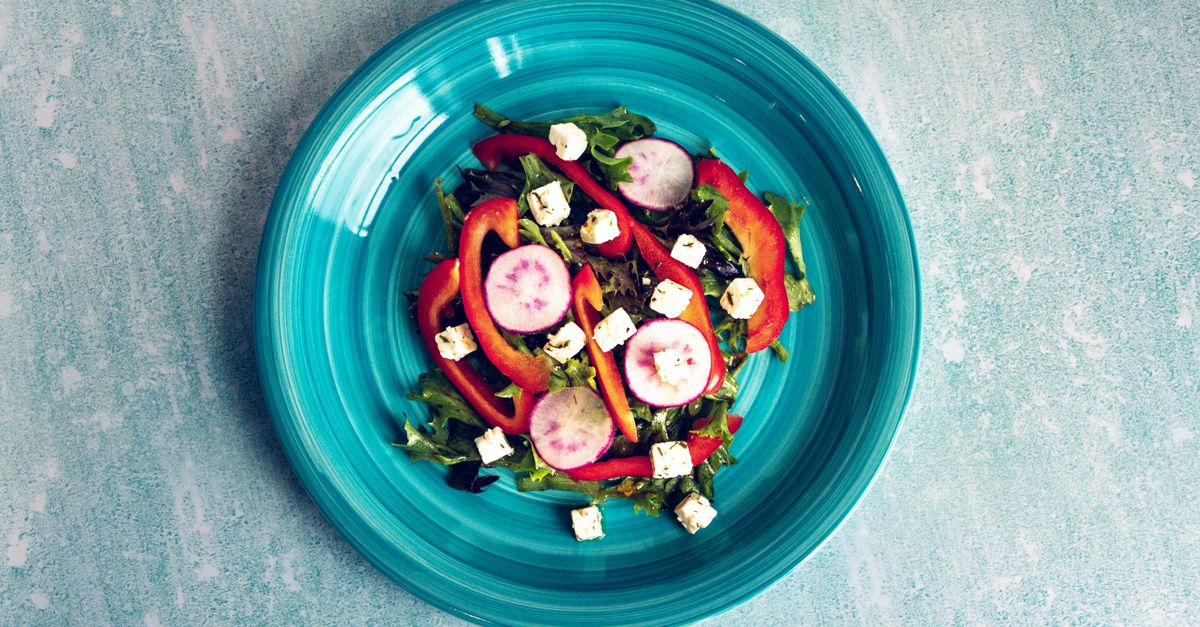
What Should You Eat on Trulicity?
Focus on small, low-fat, low-fiber meals eaten slowly — especially in the first weeks. Trulicity (dulaglutide) slows gastric emptying significantly, so large or fatty meals sit in your stomach longer and trigger nausea. High-protein, minimally processed foods tend to work best. The main exception is people with pre-existing gastroparesis, who need closer medical supervision of diet from day one.
---
How Trulicity Changes the Way Your Body Handles Food
Trulicity is a GLP-1 receptor agonist injected weekly for type 2 diabetes and cardiovascular risk reduction. It works by mimicking glucagon-like peptide-1, a gut hormone that:
- Stimulates insulin secretion in a glucose-dependent manner
- Suppresses glucagon release
- Slows gastric emptying by roughly 30–50% (Marathe et al., Gastroenterology 2011; PMID: 21762669)
- Signals satiety to the hypothalamus
This mechanism is why Trulicity reduces appetite and post-meal blood sugar spikes. It is also why meals that would have been fine before — a large steak, a greasy burger, a full bowl of pasta — suddenly cause intense nausea or vomiting. Food volume and fat content now matter far more than they did before you started the drug.
Understanding that the drug hasn't made your stomach weaker — it's made it smarter and slower — helps you work with it rather than against it.
---
Foods to Prioritize on Trulicity
Lean Proteins
Protein triggers the strongest satiety signal per calorie and has minimal effect on gastric distress when portions are controlled. Good choices include:
- Grilled or baked chicken breast and turkey
- White fish (tilapia, cod, halibut)
- Eggs (scrambled or poached rather than fried)
- Low-fat Greek yogurt (also adds probiotics)
- Cottage cheese
- Tofu and edamame
Aim for 25–35g of protein per meal. Studies show that protein intake at this level promotes muscle preservation during the caloric deficit that GLP-1 agonists tend to create (Leidy et al., American Journal of Clinical Nutrition 2015; PMID: 25926512).
Non-Starchy Vegetables
Leafy greens, zucchini, cucumber, bell peppers, and broccoli are low in fermentable fiber, easy on digestion in cooked form, and nutrient-dense. Steam or roast them rather than eating them raw in large quantities — raw cruciferous vegetables can increase gas and bloating when gastric emptying is already slowed.
Low-Glycemic Carbohydrates
If you are managing blood sugar alongside weight, the carbohydrate quality matters as much as quantity. Prioritize:
- Quinoa and oats (moderate portions)
- Sweet potato over white potato
- Legumes (lentils, chickpeas in small servings)
- Berries over tropical fruits
These foods raise blood glucose gradually, complementing Trulicity's glucose-lowering action without causing hypoglycemia in most non-insulin users.
Hydration
Sip water consistently throughout the day — 8–10 cups minimum. Nausea and reduced appetite can suppress the thirst drive, leaving people on GLP-1 therapy quietly dehydrated. Dehydration worsens nausea in a feedback loop. Electrolyte drinks with no added sugar can help on high-nausea days.
---
Trulicity Side Effects: How Diet Directly Influences Them
In the AWARD clinical trial series, the most common adverse effects of dulaglutide were gastrointestinal: nausea (12–21%), diarrhea (8–12%), vomiting (5–9%), and decreased appetite (10–13%) (Ludvik et al., Lancet Diabetes & Endocrinology 2016; PMID: 27595918). Most of these peaked in the first 4–8 weeks and declined as the body adapted.
Diet is the single most modifiable variable during this adaptation window. Specific triggers to avoid:
| Food Category | Why It's Problematic on Trulicity |
|---|---|
| Fried and fatty foods | Slow gastric emptying further; highest nausea risk |
| Spicy foods | Irritate a stomach that's already under motility stress |
| High-fiber raw vegetables | Ferment longer in a slow gut; gas and bloating |
| Carbonated drinks | Add gas volume to an already full stomach |
| Alcohol | Stimulates gastric acid; interacts with glucose regulation |
| Large meal portions | Volume alone slows emptying and triggers nausea |
| High-sugar foods/drinks | Rapid glucose spikes that impair Trulicity's glucose action |
For a broader look at which foods to avoid on GLP-1 and similar weight-loss medications, see foods to avoid on weight-loss medications.
Practical nausea-reduction protocol:
- Eat within a 30-minute window per meal — don't graze slowly over hours.
- Stop eating before you feel full, since the satiety signal arrives late.
- Avoid lying down for at least 90 minutes after eating.
- Schedule your weekly injection on a day when you can eat lightly (many users choose Friday or Saturday evening).
- Ginger tea or ginger chews have modest anti-nausea evidence in chemotherapy-induced nausea and are commonly used off-label for GLP-1 nausea (Ryan et al., Supportive Care in Cancer 2012; PMID: 22644919).
---
Trulicity for Weight Loss: What Your Diet Determines
In the AWARD-11 trial, the highest dose of dulaglutide (4.5 mg weekly) produced mean weight loss of approximately 10 kg (22 lbs) over 36 weeks — but there was enormous individual variability (Frias et al., New England Journal of Medicine 2021; PMID: 34370971). The drug creates the conditions for weight loss; your diet determines how much of that potential is realized.
The three dietary factors most predictive of outcomes on GLP-1 therapy:
1. Total caloric intake. Trulicity reduces appetite but does not make overeating impossible. Tracking intake for even 2–4 weeks creates awareness that most people lack when starting.
2. Protein adequacy. When you lose weight rapidly, roughly 25–30% of the loss can be lean muscle unless protein intake is high and resistance training is maintained. At 1.2–1.6g protein per kg of bodyweight, muscle loss is significantly attenuated.
3. Food quality over food volume. The drug reduces how much you want to eat. This is a narrow window to shift patterns toward nutrient-dense foods rather than just eating smaller amounts of the same processed options.
If you are also taking vitamin D3 for weight loss or exploring other evidence-based supplements alongside GLP-1 therapy, it's worth reading the evidence on what complements (and what doesn't).
---
Supplements to Take with Trulicity
Reduced caloric intake plus GI disruption creates real micronutrient risk. Many Trulicity users eat 30–50% fewer calories for months. Without deliberate supplementation, deficiencies in several key nutrients are predictable.
Vitamin D3 + K2
Vitamin D deficiency is independently associated with insulin resistance and poor glycemic control (Pittas et al., Journal of Clinical Endocrinology & Metabolism 2010; PMID: 20427173). People with type 2 diabetes are significantly more likely to be deficient. Pairing D3 with K2 (MK-7 form) ensures calcium is directed to bone rather than arterial walls — a relevant concern in anyone with cardiovascular comorbidities. Ones includes both in clinical doses in personalized formulas when blood work indicates deficiency.
Magnesium
Metformin (often co-prescribed with dulaglutide) depletes magnesium over time. Magnesium glycinate is well-tolerated with minimal laxative effect compared to oxide forms — important when Trulicity is already affecting GI motility. Magnesium also supports insulin sensitivity and sleep quality, both relevant during weight-loss therapy.
Omega-3 Fatty Acids (EPA/DHA)
Omega-3s reduce triglycerides, support cardiovascular health, and have anti-inflammatory effects relevant to metabolic disease. If dietary fat intake is being reduced on Trulicity (as recommended), EPA/DHA supplementation becomes more important to maintain anti-inflammatory status. Ones sources pharmaceutical-grade Omega-3 at evidence-matching EPA/DHA doses.
B12
If metformin is part of your regimen, B12 depletion is a documented risk. Metformin reduces ileal uptake of B12, with deficiency rates as high as 30% in long-term users. Fatigue and neuropathy attributed to diabetes are sometimes B12 deficiency in disguise.
What to Discuss with Your Doctor Before Adding Supplements
Some supplements interact with glucose-lowering agents or affect GI absorption. For example, some forms of calcium can compete with magnesium absorption, and very high-dose niacin can impair glycemic control. For more on supplement risks, who should not take niacin is a useful reference before self-prescribing.
---
Trulicity and Hair Loss: Does Diet Play a Role?
Hair loss (telogen effluvium) is an underreported side effect of rapid weight loss on GLP-1 therapy, not a direct drug toxicity. When caloric restriction is severe and protein intake is inadequate, hair follicles enter a resting phase 2–3 months later — which is why people often notice shedding after their weight loss has already begun to slow.
This is the same mechanism seen with Ozempic (semaglutide). If you want to understand the biology in more detail, Ozempic and hair loss covers the mechanisms and what can be done.
Diet strategies to reduce hair loss risk on Trulicity:
- Keep protein intake at or above 1.2g/kg/day even when appetite is suppressed
- Ensure adequate zinc (found in meat, shellfish, legumes) — zinc deficiency directly impairs hair follicle cycling
- Maintain iron sufficiency, especially in menstruating women; iron-deficiency anemia is a leading cause of telogen effluvium
- Consider biotin-containing B-complex if dietary intake is reduced, though evidence for biotin supplementation in non-deficient individuals is weak
---
What This Means for Your Formula
Personalized supplementation on Trulicity isn't about adding a pile of generic capsules. It's about identifying what your reduced caloric intake, GI changes, and metabolic profile are creating gaps in — and filling exactly those gaps.
Ones analyzes blood work (including vitamin D, magnesium RBC levels, B12, ferritin, omega-3 index where tested) alongside health history to build a custom daily formula. For someone on Trulicity, a Ones formula might include:
- Vitamin D3 + K2 (MK-7): At clinical doses matching the individual's lab result deficit, since D deficiency is prevalent in type 2 diabetes and worsens insulin resistance.
- Magnesium Glycinate: Particularly relevant if metformin is co-prescribed, since magnesium depletion is dose-dependent and directly impacts glucose metabolism.
- Omega-3 (EPA/DHA): When dietary fat quality is reduced alongside Trulicity, maintaining anti-inflammatory omega-3 status requires supplementation rather than food alone.
The formula is calibrated to a 6 or 9-capsule daily plan based on what the AI finds in the individual's data — not a one-size-fits-all stack.
---
Key Takeaways
- Eat small, lean, low-fat meals — Trulicity slows gastric emptying by 30–50%, making large or fatty meals the primary trigger for nausea and vomiting.
- Prioritize protein at 1.2–1.6g/kg/day to prevent muscle loss and reduce the risk of telogen effluvium (hair shedding) during rapid weight loss.
- Avoid fried foods, alcohol, carbonated drinks, and raw high-fiber vegetables in the first 4–8 weeks while your body adapts to the drug.
- Weight loss outcomes are heavily diet-dependent — in the AWARD-11 trial, mean weight loss was ~10 kg, but individual results ranged widely based on dietary adherence.
- Supplement strategically for nutrient gaps — reduced caloric intake and GI disruption create predictable deficits in vitamin D, magnesium, B12, and omega-3s.
- Hair loss on Trulicity is usually nutritional, not pharmacological — fix protein and zinc intake before attributing it to the drug itself.
---
Always consult your prescribing physician or a registered dietitian before making significant dietary changes or adding supplements while on Trulicity. This article is for informational purposes and does not constitute medical advice.