Supplements
What to Eat on Wegovy: A Practical Nutrition Guide
Wegovy suppresses appetite dramatically, but eating the wrong foods on a smaller calorie budget can accelerate muscle loss, worsen GI side effects, and leave critical nutrient gaps. What you put on your plate on semaglutide shapes how much of the weight you lose is actually fat — and how you feel doing it.
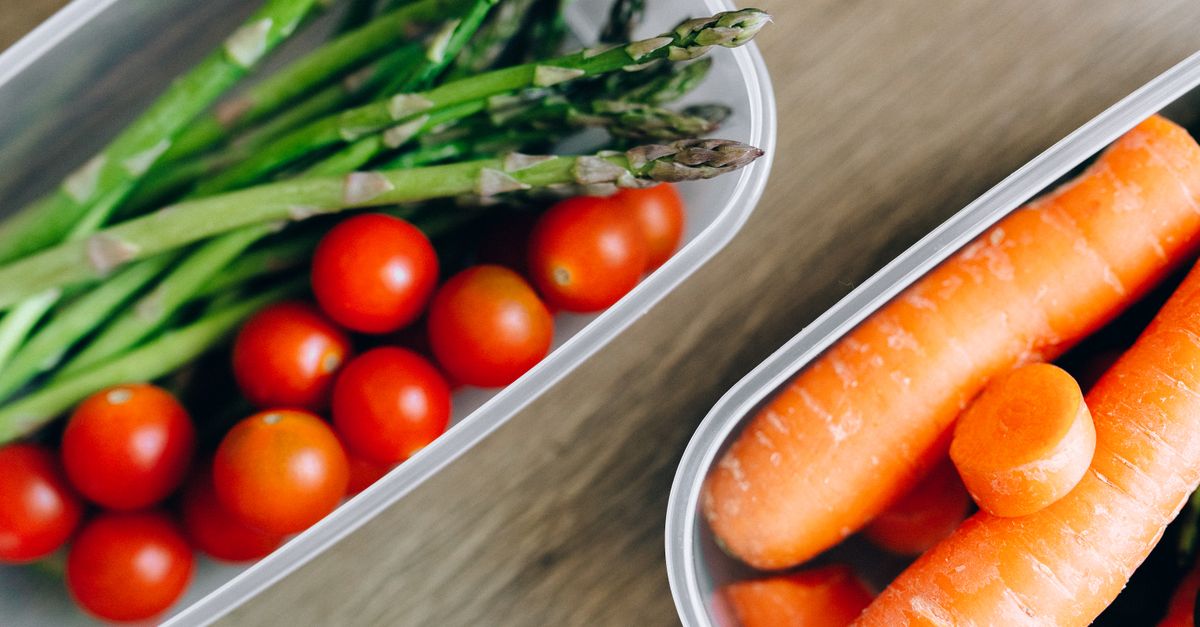
What to Eat on Wegovy: A Practical Nutrition Guide
Protein-rich, nutrient-dense whole foods eaten in smaller, more frequent portions give you the best results on Wegovy. The main caveat is that semaglutide cuts appetite so sharply that most people eat far too little protein and too few micronutrients — which accelerates the lean-muscle loss that accounts for roughly 25–40% of total weight lost on GLP-1 agonists. The exception is anyone with active nausea: they may need to prioritize calorie-dense, easy-to-digest foods temporarily before optimizing diet quality.
---
Why Food Quality Matters More on Wegovy Than a Standard Diet
Semaglutide, the active molecule in Wegovy, works by mimicking GLP-1 — a gut hormone that slows gastric emptying, reduces appetite signals in the hypothalamus, and increases feelings of satiety (Drucker, Endocrine Reviews 2006; PMID: 16467515). The result is that most users eat 30–40% fewer calories per day without feeling hungry. That's the mechanism behind the 15% average body-weight reduction seen in the STEP-1 trial — a 68-week randomized controlled trial of 1,961 adults that found semaglutide 2.4 mg weekly produced 14.9% weight loss versus 2.4% with placebo (Wilding et al., NEJM 2021; PMID: 33567185).
The clinical problem is straightforward: when you eat significantly less, every bite has to work harder. Calories that come from ultra-processed food, refined carbohydrates, or high-fat fast food do not deliver the protein, fiber, vitamins, or minerals your body needs to preserve muscle, support gut health, and prevent the micronutrient deficiencies that blunt your results. Research on bariatric patients — a useful analogy because the caloric restriction is similarly aggressive — consistently documents deficiencies in vitamin B12, vitamin D, iron, zinc, and calcium within months of sustained low intake (Mechanick et al., Obesity 2013; PMID: 23529939).
For a full picture of which nutrients tend to slip on GLP-1 therapy, see our guide on supplements to take on Ozempic, Wegovy, and Mounjaro.
---
Wegovy for Weight Loss: What the Research Says About Diet Composition
The STEP program trials did not prescribe a specific dietary pattern — participants received general counseling to maintain a 500-kcal daily deficit. This leaves a gap in the research, but parallel evidence from obesity medicine and GLP-1 pharmacology points strongly toward high-protein, moderate-carbohydrate diets as the optimal companion to semaglutide therapy.
Protein: The key target is 1.2–1.6 g of protein per kilogram of body weight per day. A landmark analysis of weight-loss interventions found that higher protein intake during caloric restriction significantly preserves fat-free mass compared to standard protein intake (Leidy et al., American Journal of Clinical Nutrition 2015; PMID: 25926512). On Wegovy, where appetite suppression makes hitting protein targets difficult, prioritizing protein at every meal is the single most important dietary strategy.
Fiber: Soluble fiber from vegetables, legumes, and whole grains slows gastric absorption, feeds beneficial gut bacteria, and compounds the satiety signal semaglutide already provides. Aim for 25–35 g of dietary fiber per day.
Fat: Healthy unsaturated fats — olive oil, avocado, fatty fish — support cardiovascular health (relevant because Wegovy is now FDA-approved for CV risk reduction in obese adults) and do not worsen nausea the way high-fat fried foods do.
Refined carbohydrates and sugar: These are the foods most likely to cause blood sugar spikes and crashes on a reduced calorie intake, and they crowd out protein and fiber. Minimize white bread, pastries, sweetened beverages, and alcohol.
| Food Category | Recommended | Limit or Avoid |
|---|---|---|
| Protein | Chicken breast, salmon, Greek yogurt, eggs, tofu, legumes | Processed deli meats, fried chicken |
| Carbohydrates | Oats, quinoa, sweet potato, lentils, berries | White bread, pasta, sugary cereals |
| Fats | Olive oil, avocado, walnuts, fatty fish | Fried foods, full-fat fast food |
| Vegetables | All non-starchy vegetables | Creamed or battered vegetables |
| Beverages | Water, herbal tea, black coffee | Alcohol, sodas, fruit juice |
---
Wegovy Side Effects: How Your Diet Can Help (or Hurt)
Nausea, vomiting, diarrhea, and constipation are the most common side effects of semaglutide, reported in up to 44% of participants in the STEP-1 trial during dose escalation. Diet has a significant impact on how severe these side effects become and how long they last.
Nausea triggers to avoid:
- Large meals (even one large meal can overwhelm a semaglutide-slowed stomach)
- High-fat, greasy foods — these delay gastric emptying further and reliably worsen nausea
- Spicy foods during the first 8–12 weeks of therapy
- Eating quickly or while distracted
Strategies that reduce GI side effects:
- Eat 4–5 small meals or snacks spread through the day rather than 2–3 large ones.
- Stop eating before you feel full — semaglutide delays the satiety signal, so eating slowly and stopping at 80% capacity prevents overeating and nausea.
- Keep portions of protein at 3–4 oz per sitting rather than a large serving.
- Stay well hydrated — 2–2.5 liters of water daily helps manage constipation, which is a frequent complaint as fiber intake changes on a smaller calorie budget.
- Ginger — in tea or supplement form — has evidence for reducing nausea independent of GLP-1 mechanisms (Ernst & Pittler, British Journal of Anaesthesia 2000; PMID: 10793599).
Constipation: Increase soluble fiber gradually (psyllium husk, oats, flaxseed) and ensure adequate magnesium intake, as magnesium draws water into the colon and supports motility.
---
Wegovy Dosage Schedule and Meal Timing
Wegovy follows a mandatory escalation protocol: 0.25 mg subcutaneously once weekly for 4 weeks, then 0.5 mg for 4 weeks, 1.0 mg for 4 weeks, 1.7 mg for 4 weeks, then the maintenance dose of 2.4 mg weekly. This ramp is designed to minimize GI side effects, not to improve efficacy — the therapeutic dose is 2.4 mg.
Timing your injection relative to meals: Wegovy can be injected at any time, with or without food. However, many users find that injecting on a day when they plan to eat lighter (or even taking it the evening before a rest day) reduces the acute nausea that some people experience in the 24–48 hours post-injection.
Meal timing principles on Wegovy:
- Do not skip breakfast in an effort to restrict calories further — skipping meals on semaglutide can lead to hypoglycemia-like symptoms and exacerbates muscle catabolism.
- Front-load protein early in the day. Appetite suppression intensifies as the day goes on, making it harder to hit protein targets at dinner.
- If nausea is worst in the morning after injection day, shift your larger protein meals to 48–72 hours post-injection when appetite partially returns.
For a detailed breakdown of the escalation schedule and what to expect at each dose, our Orlistat dosage schedule guide covers comparable titration principles for weight-loss medications.
---
Supplements to Take With Wegovy
Because Wegovy reduces total food intake significantly, supplementation isn't optional — it's a logical extension of a sound nutrition strategy. The micronutrients most at risk are those found in foods that become hard to eat consistently: lean red meat (iron, zinc, B12), dairy (calcium, vitamin D), and varied vegetables (magnesium, folate, vitamin K).
Core supplements to consider:
- Vitamin D3 + K2 (MK-7): Vitamin D deficiency is prevalent at baseline in overweight adults and worsens with restricted intake. K2 as MK-7 ensures calcium is directed to bone rather than arterial walls — particularly important during rapid weight loss.
- Omega-3 (EPA + DHA): The cardiovascular indication for Wegovy makes omega-3 supplementation especially relevant. High-dose EPA/DHA (2–4 g/day) has been shown to reduce triglycerides by 20–30% (Skulas-Ray et al., Circulation 2019; PMID: 31422671).
- Magnesium Glycinate: Addresses constipation, supports sleep quality, and replaces dietary magnesium commonly lost when vegetables and whole grains are under-eaten.
- Zinc: Supports immune function, wound healing, and taste perception — reduced taste sensation is a reported side effect of semaglutide and low zinc is a contributor.
- B-complex or B12: Especially important for anyone with reduced red meat and dairy intake.
For a broader look at which supplements are most evidence-backed regardless of medication status, see our guide to the most important supplements to take.
If you are also following an exercise protocol to preserve lean mass on Wegovy, creatine for weight loss has emerging evidence for preserving muscle during caloric restriction and may be worth discussing with your provider.
---
What This Means for Your Formula
Personalizing your supplement protocol around Wegovy use is exactly the kind of problem Ones was designed for. Rather than layering generic supplements onto a medication that already changes how your body processes food and absorbs nutrients, Ones analyzes your bloodwork and health history to identify what your specific gaps actually are — not what a population average would predict.
For most Wegovy users, three ingredients from the Ones catalog are directly relevant:
- Omega-3 (EPA + DHA): Ones includes pharmaceutical-grade omega-3 dosed to clinical ranges, supporting the cardiovascular benefit that is now a primary FDA indication for semaglutide. Given that GLP-1 users tend to reduce fatty fish consumption as appetite drops, this gap is almost universally present.
- Vitamin D3 + K2 (MK-7): Wegovy users losing weight rapidly are mobilizing fat stores that can release stored fat-soluble vitamins irregularly; at the same time, reduced food intake depresses dietary D intake. Ones calibrates D3 and K2 together because without adequate K2, the increased calcium absorption from D3 supplementation can misdirect to soft tissue.
- Magnesium Glycinate: Ones' Magnesium Complex uses highly bioavailable forms including glycinate to support GI motility, sleep, and metabolic function — all three of which are disrupted during active Wegovy dose escalation.
What you won't get from Ones is a generic stack. If your labs show adequate magnesium and normal vitamin D, those won't be included at full dose. The formula adapts to your findings, not to what a statistical average suggests you might need.
---
Key Takeaways
- Protein is non-negotiable: Target 1.2–1.6 g/kg/day to prevent the muscle loss that makes up 25–40% of total weight lost on GLP-1 therapy. Front-load it early in the day before appetite suppression peaks.
- Small, frequent meals reduce side effects: Four to five small meals beat two large ones for managing nausea, bloating, and the gastroparesis-like effects of semaglutide on gastric emptying.
- Avoid high-fat, fried, and spicy foods: These are the most reliable nausea triggers on Wegovy — especially during the first 12 weeks and immediately after each weekly injection.
- Supplementation is structurally necessary: A 30–40% reduction in calorie intake almost always creates micronutrient gaps. Vitamin D3+K2, omega-3, magnesium, zinc, and B12 are the most common deficiencies in this population.
- Wegovy's dosage escalation schedule should inform your meal strategy: Heavier meals are better tolerated 48–72 hours post-injection when the acute GLP-1 peak has passed.
- Personalized supplementation outperforms generic stacks: Because individual baseline nutrient status varies widely, analyzing bloodwork before choosing what to supplement prevents both under-supplementing deficiencies and over-supplementing nutrients that are already adequate.
---
This article is for informational purposes only and does not constitute medical advice. Always consult a qualified healthcare provider before starting, changing, or stopping any medication or supplement protocol.