Supplements
Why Is My A1C Borderline High?
A borderline A1C result sits in the prediabetes range of 5.7–6.4% and affects roughly 96 million American adults. It rarely causes symptoms, which is exactly what makes it dangerous. The good news: this window is one of the most actionable moments in metabolic health, and targeted lifestyle and supplement strategies can reverse the trajectory before it becomes type 2 diabetes.
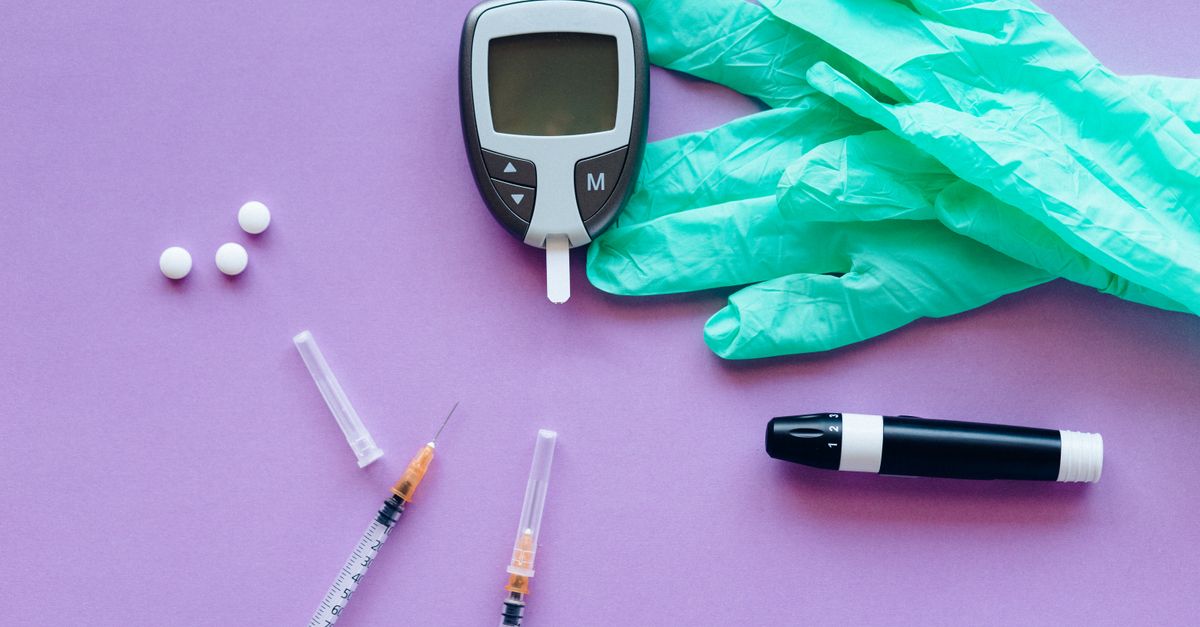
Why Is My A1C Borderline High?
A borderline A1C — meaning a result between 5.7% and 6.4% — places you in the prediabetes category defined by the American Diabetes Association. For most people this is fully reversible with dietary changes, movement, and targeted supplementation. The main caveat: the closer your number is to 6.4%, the narrower your window and the more aggressively you need to act. People who already have insulin resistance markers on a full metabolic panel tend to progress faster.
---
What A1C Actually Measures — and Why the Borderline Zone Matters
Hemoglobin A1C reflects the average percentage of hemoglobin molecules coated in glucose over the past 90 days. It's a retrospective snapshot of blood-sugar control, not a single-day reading like a fasting glucose test. A normal A1C is below 5.7%; 5.7–6.4% is prediabetes; 6.5% or above on two separate tests is the diagnostic threshold for type 2 diabetes.
Why does the borderline range deserve its own conversation? Because the risk curve is not linear. A large analysis of 2.6 million adults published in The Lancet found that cardiovascular risk begins rising meaningfully at A1C values above 5.5%, well before the diabetes diagnosis line (Emerging Risk Factors Collaboration, Lancet 2011; PMID: 21211596). Meanwhile, microvascular changes — early kidney stress, subtle nerve conduction slowing — have been documented in people whose A1C never exceeded 6.4%.
The borderline zone is also where lifestyle intervention has the strongest evidence. The landmark Diabetes Prevention Program trial showed that modest weight loss (7% of body weight) combined with 150 minutes of moderate activity per week reduced progression to type 2 diabetes by 58% over three years (Knowler et al., NEJM 2002; PMID: 11832527).
---
What Causes a Borderline A1C?
Several independent mechanisms can push A1C above 5.7% without you noticing any symptoms:
1. Insulin resistance in muscle and liver
When muscle cells become less sensitive to insulin, glucose stays in circulation longer after meals. The liver simultaneously overproduces glucose overnight, which elevates fasting readings. Both patterns elevate the 90-day average that A1C captures.
2. Dietary glycemic load
Frequent consumption of refined carbohydrates and sugar-sweetened beverages creates repeated post-meal glucose spikes. Even if fasting glucose appears normal, cumulative spike exposure drives A1C upward.
3. Sleep disruption
A single week of partial sleep restriction (5.5 hours per night) reduced insulin sensitivity by 20% in a controlled crossover trial (Buxton et al., Annals of Internal Medicine 2010; PMID: 20956702). Chronic poor sleep is one of the most underrecognized drivers of borderline A1C in otherwise healthy adults.
4. Visceral adiposity and low-grade inflammation
Fat stored around the abdominal organs secretes inflammatory cytokines — particularly TNF-α and IL-6 — that directly impair insulin receptor signaling. If your waist circumference is elevated even at normal body weight, this pathway may be active.
5. Micronutrient insufficiencies
Deficiencies in magnesium, chromium, and zinc are each independently linked to impaired glucose metabolism. Magnesium, for example, is a cofactor for the insulin receptor tyrosine kinase that initiates intracellular glucose uptake.
6. Hemoglobin variants and red blood cell lifespan
A1C is measured against hemoglobin — so conditions that shorten red blood cell lifespan (hemolytic anemia, iron deficiency) can artificially lower A1C, while conditions that lengthen lifespan (iron deficiency anemia without hemolysis, B12 deficiency) can artificially raise it. If your number seems inconsistent with your diet, request a fructosamine or continuous glucose monitoring check.
---
The Role of Diet, Fiber, and Gut Health in Blood Sugar Regulation
One of the most replicated findings in metabolic nutrition is that dietary fiber — particularly soluble fiber — meaningfully reduces post-meal glucose peaks. Soluble fiber forms a gel in the small intestine that slows glucose absorption, blunts the glycemic index of a meal, and feeds short-chain fatty acid (SCFA)-producing bacteria in the colon.
Those SCFAs — butyrate, propionate, acetate — do more than feed colonocytes. Propionate travels to the liver and suppresses hepatic glucose output. Butyrate improves intestinal barrier integrity, reducing the endotoxin translocation that contributes to low-grade inflammation and insulin resistance. This gut-to-liver-to-metabolism axis is one of the more compelling reasons to prioritize vegetables, legumes, and whole grains as part of a prediabetes reversal protocol. For a broader look at how gut microbial health intersects with systemic inflammation, the gut health and microbiome supplement guide covers the mechanistic details in depth.
A meta-analysis of 35 randomized trials found that soluble fiber supplementation (primarily psyllium and beta-glucan) reduced A1C by an average of 0.58% and fasting glucose by 9.97 mg/dL in people with type 2 diabetes and prediabetes (Jovanovski et al., Diabetes Care 2020; PMID: 32079581). That effect size is clinically meaningful — comparable to some first-line medications at early stages.
---
Key Supplements With Evidence for Blood Sugar Support
Not all supplements marketed for blood sugar are well-studied. The following have the strongest clinical evidence specifically in prediabetes and early metabolic dysfunction:
| Supplement | Mechanism | Evidence Highlight |
|---|---|---|
| Berberine (500mg 3x/day) | Activates AMPK; reduces hepatic glucose output | Meta-analysis: A1C reduction of ~0.7% vs. placebo (Liang et al., *Metabolism* 2019) |
| Magnesium glycinate (200–400mg) | Insulin receptor cofactor; reduces fasting glucose | High intake associated with 15% lower T2D risk (Fang et al., *Diabetes Care* 2016) |
| Chromium picolinate (200–1000mcg) | Potentiates insulin receptor binding | Cochrane review: modest FBG reduction in impaired glucose tolerance |
| Omega-3 EPA/DHA (2–4g/day) | Reduces hepatic fat; anti-inflammatory | Improves hepatic insulin sensitivity in NAFLD; reduces inflammatory drivers |
| Alpha-lipoic acid (600mg) | Antioxidant; improves glucose uptake in muscle | 600mg/day reduced fasting glucose in a 12-week RCT (Porasuphatana et al., *Asia Pac J Clin Nutr* 2012) |
| Vitamin D3 (2000–5000 IU) | Modulates pancreatic beta-cell function; anti-inflammatory | D3 deficiency independently predicts incident diabetes (Parker et al., *Maturitas* 2010; PMID: 19948382) |
Berberine is currently the most studied single compound in this space. Its mechanism — activation of AMP-activated protein kinase (AMPK) — is the same pathway targeted by metformin. This does not mean berberine replaces metformin, and anyone already on medication should discuss supplement additions with their prescriber.
---
Lifestyle Variables That Move A1C the Most
Supplements work best when they sit on top of a strong lifestyle foundation. The following factors have the largest independent effect sizes in prediabetes reversal:
- Resistance training 2–3x per week. Skeletal muscle is the primary glucose disposal organ. Increasing muscle mass directly increases the sink capacity for post-meal glucose.
- Zone 2 cardio (150+ min/week). Moderate-intensity aerobic exercise upregulates GLUT4 transporter expression, allowing muscle cells to absorb glucose without insulin for hours after exercise.
- Time-restricted eating (TRE). Aligning food intake with daylight hours reduces nocturnal insulin secretion and improves morning fasting glucose. A 10-hour eating window is the most studied protocol.
- Sleep extension. Prioritizing 7–9 hours consistently may contribute more to A1C reduction than many supplements — and it costs nothing.
- Stress management. Cortisol is gluconeogenic: it raises blood glucose directly. Chronically elevated cortisol from work stress, relationship conflict, or financial pressure can hold A1C elevated even in people eating well.
Because cortisol dysregulation and blood sugar control are so intertwined, addressing adrenal function is often an overlooked component of a borderline A1C protocol. Similarly, thyroid dysfunction — which slows glucose clearance — is worth ruling out. Patterns of thyroid hormone imbalance are explored in the context of what causes high free T3, and should women get homocysteine tested covers another cardiovascular marker that frequently co-elevates with blood sugar dysregulation.
---
Should You Worry About Cholesterol Too?
Borderline A1C rarely travels alone. Insulin resistance typically produces a cluster of findings: elevated triglycerides, low HDL, mildly elevated LDL (particularly small-dense LDL), rising blood pressure, and increasing visceral fat — collectively known as metabolic syndrome. If you've just received a borderline A1C result, it's worth asking your provider for a full lipid panel with particle breakdown, a fasting insulin level, and a HOMA-IR calculation. For guidance on lipid testing in practice, should women get cholesterol tested explains who needs what testing and at what frequency.
---
What This Means for Your Formula
When Ones reviews blood work showing a borderline A1C alongside other metabolic markers, the AI looks at the full clinical picture — fasting glucose, insulin, triglycerides, inflammatory markers, and wearable data on sleep and activity — before building a capsule formula. A few Ones ingredients are particularly relevant to the blood sugar support picture:
Magnesium Glycinate (Ones Magnesium Complex): Magnesium is a rate-limiting cofactor for insulin receptor signaling. Ones uses a magnesium glycinate-dominant form for superior absorption versus oxide, at doses calibrated to the individual's intake gaps based on dietary history and serum magnesium when available.
Omega-3 (EPA/DHA at clinical doses): Ones sources high-concentration EPA/DHA to support hepatic fat reduction and systemic inflammation control — two drivers that independently worsen insulin resistance. Omega-3 dosing in Ones formulas is set to match the ranges used in cardiometabolic trials rather than the low doses found in most commercial fish oil capsules.
Vitamin D3 + K2 (MK-7): Vitamin D deficiency is one of the most common and most correctable contributors to elevated A1C. Ones pairs D3 with K2 in the MK-7 form to direct calcium appropriately and maximize D3's benefit to pancreatic beta-cell function. The dose is set based on the user's actual D3 status rather than a one-size-fits-all approach.
If the AI identifies significant cortisol dysregulation alongside blood sugar findings, Adrenal Support — Ones' proprietary system blend — may also be incorporated to address the cortisol-gluconeogenesis link described above.
---
Key Takeaways
- A borderline A1C of 5.7–6.4% is the prediabetes range and is reversible in most people with targeted lifestyle and supplement intervention.
- Insulin resistance, dietary glycemic load, poor sleep, visceral fat, and micronutrient insufficiencies are the main modifiable drivers.
- Dietary fiber — particularly soluble fiber — reduces A1C by an average of 0.58% in trials; gut health plays a direct mechanistic role in blood sugar control.
- Berberine, magnesium, omega-3, vitamin D3, and alpha-lipoic acid have the strongest clinical evidence for prediabetes support.
- Lifestyle factors — resistance training, Zone 2 cardio, sleep, and stress management — have larger individual effect sizes than most single supplements.
- Borderline A1C frequently co-occurs with elevated triglycerides, low HDL, and rising blood pressure; a full metabolic panel gives you a clearer picture of total risk.
- Always discuss any supplement additions with your healthcare provider, especially if you are on glucose-lowering medications.
---
This article is for informational purposes only and does not constitute medical advice. Consult a qualified healthcare provider before making changes to your supplement regimen or diabetes management plan.