Supplements
Lab Tests for Erectile Dysfunction: Who Actually Benefits
Erectile dysfunction is rarely just a mechanical problem — it's often the first visible signal of cardiovascular disease, hormonal imbalance, or metabolic dysfunction. Studies show men with ED face a 44% higher risk of coronary artery disease, yet millions receive prescriptions without a single blood draw. This guide breaks down exactly which lab tests reveal the root cause, who genuinely benefits from each panel, and who can reasonably skip it.
Why Lab Tests for Erectile Dysfunction Matter More Than You Think
Erectile dysfunction is rarely just a mechanical problem. In clinical practice, ED is increasingly recognized as a sentinel marker for systemic disease — a canary in the coalmine for cardiovascular risk, metabolic dysfunction, and hormonal imbalance. Studies show that men with ED have a significantly elevated risk of major cardiovascular events, with a pooled analysis of 14 prospective cohort studies finding ED associated with a 44% increased risk of coronary artery disease and a 19% increased risk of all-cause mortality (Dong et al., European Heart Journal 2011; PMID: 21169615).
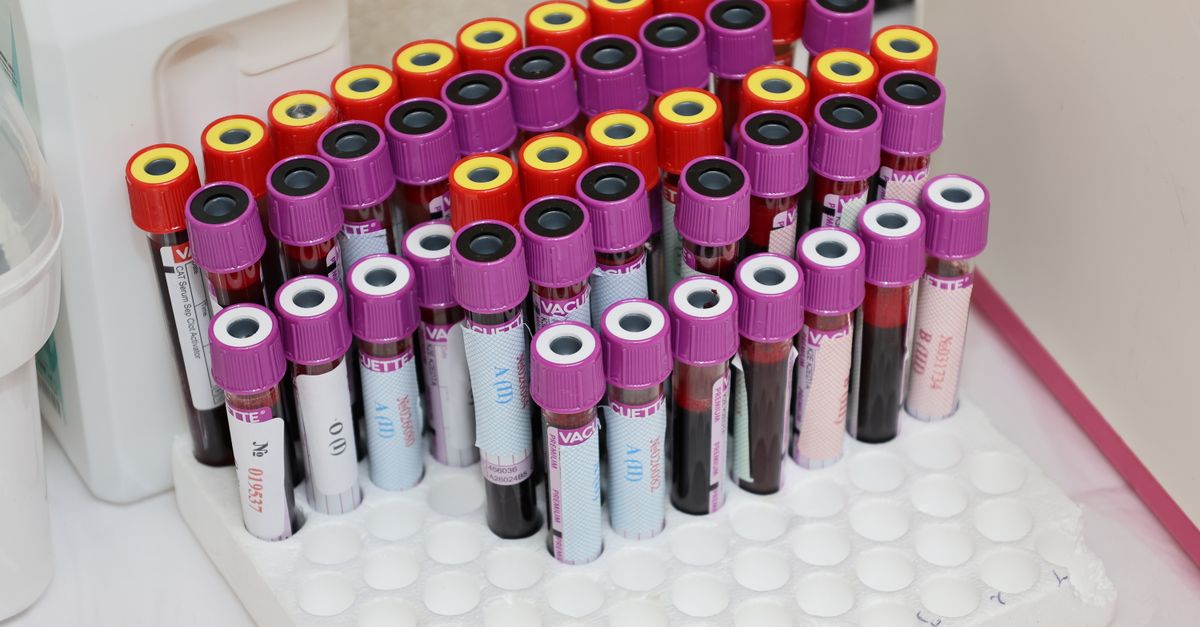
Despite this, many men receive a prescription without a blood draw. A comprehensive lab panel doesn't just identify a cause — it opens a window into overall metabolic health, cardiovascular risk, and hormonal status that would otherwise remain invisible. This guide breaks down which tests matter most, who benefits from each, and which individuals can reasonably skip certain panels.
---
Core Hormone Panel: Testosterone, LH, FSH, and Prolactin
The first-line workup for ED almost always includes total testosterone. Low testosterone (hypogonadism) is present in 10–40% of men with ED, depending on the population studied (Kalinchenko et al., Aging Male 2010; PMID: 20001654). Total testosterone alone, however, can be misleading — sex hormone-binding globulin (SHBG) binds testosterone and renders it biologically inactive, so free testosterone provides a more accurate picture of androgen availability.
What to test:
- Total testosterone (morning draw, ideally before 10 a.m.)
- Free testosterone (calculated or by equilibrium dialysis)
- SHBG
- LH (luteinizing hormone) and FSH — to distinguish primary vs. secondary hypogonadism
- Prolactin — elevated levels suppress gonadotropin release and can indicate a pituitary adenoma
Who benefits: Any man presenting with low libido, fatigue, reduced morning erections, or ED of unclear origin.
Who can skip: Men with confirmed normal testosterone levels within the past 6 months who present with vascular or psychological ED may not need repeat hormone testing immediately.
If your testosterone is borderline or low, it's also worth checking thyroid function (discussed below), since hypothyroidism elevates SHBG and can compound androgen deficiency. It's equally worth noting that even mid-range testosterone (e.g., 400–500 ng/dL) may be functionally insufficient if SHBG is elevated, leaving free testosterone below 9 ng/dL — the lower threshold associated with symptomatic androgen deficiency in several clinical guidelines. In this scenario, total testosterone provides false reassurance, while free testosterone or calculated bioavailable testosterone tells the real story.
---
Lab Tests for Metabolic Syndrome: Fasting Glucose, Insulin, and Lipids
Metabolic syndrome — a cluster of abdominal obesity, insulin resistance, dyslipidemia, and elevated blood pressure — is one of the most common and reversible contributors to ED. Research published in JAMA found that men with metabolic syndrome had a 2.6-fold higher prevalence of ED compared to metabolically healthy controls (Esposito et al., JAMA 2004; PMID: 15199035).
The mechanism is multifactorial: insulin resistance impairs endothelial nitric oxide synthesis, elevated triglycerides promote vascular inflammation, and low HDL is associated with reduced testosterone production. This means a lipid panel isn't just a heart health tool — it's a direct window into the biochemical environment that governs erectile function.
The endothelial nitric oxide connection deserves emphasis. Nitric oxide (NO) is the primary signaling molecule responsible for penile smooth muscle relaxation and vasodilation. Insulin resistance reduces eNOS (endothelial nitric oxide synthase) activity through multiple pathways: it blunts PI3K/Akt signaling, upregulates asymmetric dimethylarginine (ADMA — a natural eNOS inhibitor), and increases oxidative stress that degrades NO before it can act. This is why men with pre-diabetes frequently report ED years before a formal diabetes diagnosis — the endothelial impairment precedes detectable hyperglycemia.
Recommended metabolic tests:
| Test | Optimal Range | Why It Matters for ED |
|---|---|---|
| Fasting glucose | < 90 mg/dL | Elevated glucose damages vascular endothelium |
| Fasting insulin | < 8 μIU/mL | High insulin drives SHBG suppression and testosterone drop |
| HbA1c | < 5.5% | Reflects 3-month glucose load; predicts vascular ED risk |
| Total cholesterol | < 200 mg/dL | Substrate for testosterone synthesis; excess drives atherosclerosis |
| LDL-C | < 100 mg/dL | High LDL contributes to arterial plaque in penile vasculature |
| HDL-C | > 50 mg/dL | Low HDL correlates with testosterone deficiency |
| Triglycerides | < 100 mg/dL | Marker of insulin resistance and endothelial inflammation |
For a deeper look at how cholesterol panels relate to cardiovascular risk and ED, see our breakdown of what supplements affect ApoB and how long it takes to lower total cholesterol.
Who benefits: Men with abdominal weight gain, a sedentary lifestyle, a family history of diabetes or heart disease, or any man over 35 without recent metabolic bloodwork.
Who can skip: Men under 30 with no metabolic risk factors, a healthy BMI, and recent clean bloodwork may reasonably defer the full panel — though a basic glucose and lipid screen remains low-risk and high-value.
---
Lab Tests for High Blood Pressure: Renal Function and Vascular Markers
Hypertension is one of the most underappreciated contributors to ED. High blood pressure damages the endothelium — the thin inner lining of blood vessels — and reduces the vasodilatory response needed for erection. Worse, several antihypertensive medications (particularly thiazide diuretics and non-selective beta-blockers) are themselves associated with drug-induced ED.
Beyond blood pressure readings, lab tests that assess vascular and renal health can reveal subclinical damage:
- BMP or CMP (basic or comprehensive metabolic panel): Assesses kidney function (creatinine, BUN, eGFR), electrolytes, and liver enzymes. Kidney disease reduces testosterone clearance of binding proteins and elevates inflammatory cytokines.
- Uric acid: Elevated uric acid is independently associated with endothelial dysfunction and reduced nitric oxide bioavailability (Kuwabara et al., Circulation Journal 2010; PMID: 20956232).
- hs-CRP (high-sensitivity C-reactive protein): A sensitive marker of vascular inflammation. Men with elevated hs-CRP show significantly impaired endothelial function, which is mechanistically upstream of ED. A meta-analysis of 54 studies confirmed that elevated hs-CRP is a robust predictor of first cardiovascular events, with each doubling of hs-CRP associated with a 37% increase in risk (Emerging Risk Factors Collaboration, JAMA 2010).
- Homocysteine: Elevated homocysteine impairs methylation pathways and damages arterial walls. It's often elevated in men with B-vitamin insufficiency — specifically B6, B12, and folate, which are required for homocysteine remethylation.
One underutilized marker here is the omega-3 index — the percentage of EPA+DHA in red blood cell membranes. An omega-3 index below 4% is associated with significantly elevated cardiovascular mortality risk, while values above 8% correlate with improved endothelial function and reduced platelet aggregation. Because the penile arteries are among the smallest in the body, they are disproportionately affected by even mild vascular inflammation — making systemic anti-inflammatory status directly relevant to erectile function. You can read more about how omega-3 affects skin and vascular health for related context on how EPA and DHA support endothelial integrity.
Who benefits: Men with diagnosed or suspected hypertension, men on antihypertensive medications, or men with a history of kidney disease or cardiovascular events.
Who can skip: If a full CMP was run within 12 months and results were normal, and blood pressure is consistently well-controlled, repeat renal markers may not change clinical management.
---
Lab Tests for Chronic Fatigue: Thyroid and Nutrient Deficiency Panels
ED and chronic fatigue frequently co-occur, and they often share the same upstream driver: hypothyroidism or micronutrient insufficiency. The thyroid regulates nearly every metabolic process in the body, including sex hormone binding globulin synthesis, cardiovascular function, and penile smooth muscle tone.
Hypothyroidism is associated with reduced libido, ED, and delayed ejaculation in multiple clinical studies (Carani et al., Journal of Clinical Endocrinology & Metabolism 2005; PMID: 16204364). In that study, 79% of hypothyroid men reported some form of sexual dysfunction, and treatment with levothyroxine to restore euthyroid status resolved ED in the majority within 4 months — without any other intervention. This finding underscores why the thyroid panel is not optional when fatigue and ED co-present. TSH alone may miss subclinical dysfunction — a full thyroid panel is more informative:
- TSH (thyroid-stimulating hormone): Target < 2.5 mIU/L for optimal function
- Free T4 and Free T3: Active thyroid hormones; T3 is the metabolically active form
- TPO antibodies: Elevated in Hashimoto's thyroiditis, which causes progressive thyroid destruction
Nutrient panels to consider:
- Vitamin D (25-OH): Deficiency is associated with reduced testosterone and increased cardiovascular risk. Optimal levels are 50–80 ng/mL. A 2011 cross-sectional study of 2,299 men found that those with vitamin D deficiency had significantly lower testosterone levels and higher SHBG compared to replete controls (Wehr et al., Clinical Endocrinology 2010; PMID: 20050857). To understand timing and absorption nuances, see our guide on vitamin D3 absorption and who benefits most.
- Zinc: A cofactor for testosterone synthesis; zinc deficiency directly suppresses LH and reduces testosterone production. Even marginal zinc deficiency — common in men eating processed diets — can reduce serum testosterone by 25–30% within weeks.
- Magnesium (RBC, not serum): Magnesium deficiency impairs nitric oxide production and vascular relaxation. Serum magnesium is a poor indicator of true status — RBC magnesium is preferred because only about 0.3% of total body magnesium is in serum, and the body will drain bone and tissue stores to keep serum levels normal even when tissue stores are depleted.
- Ferritin: Low ferritin signals iron deficiency, which impairs mitochondrial energy production and can manifest as fatigue, reduced exercise tolerance, and libido decline. Understanding iron bioavailability and who benefits can help contextualize low ferritin results.
Who benefits: Men with concurrent fatigue, brain fog, cold intolerance, weight gain, or hair loss alongside ED. These symptoms point strongly toward thyroid or nutritional drivers.
Who can skip: Men with recently confirmed normal thyroid function and no fatigue symptoms may not need a repeat thyroid panel unless symptoms change.
---
Lab Tests for Adrenal Fatigue: Cortisol, DHEA-S, and Stress Biomarkers
The hypothalamic-pituitary-adrenal (HPA) axis and the HPG (gonadal) axis are in direct competition. Under chronic stress, elevated cortisol suppresses GnRH (gonadotropin-releasing hormone), reduces LH pulsatility, and drives testosterone downward — a pattern sometimes called "cortisol steal" in functional medicine circles, though more precisely described as HPA-HPG axis suppression. A systematic review confirmed that psychological stress and elevated cortisol are independently associated with decreased testosterone in men across multiple study designs (Whirledge & Cidlowski, Endocrinology 2010).
What to test:
- Morning serum cortisol: Should be 10–20 mcg/dL at 8 a.m. Values below 8 or above 25 warrant further investigation.
- 4-point salivary cortisol (or DUTCH test): Captures the diurnal cortisol curve — essential for identifying blunted morning awakening response (low resilience) vs. evening hypercortisolism (chronic stress pattern). Standard serum cortisol misses both.
- DHEA-S (dehydroepiandrosterone sulfate): The adrenal androgen precursor. DHEA-S declines naturally with age but is accelerated by HPA dysregulation. Low DHEA-S in a young man signals adrenal suppression; in older men it is part of andropause but still modifiable. Optimal DHEA-S for men is generally 250–450 mcg/dL, though age-adjusted ranges apply.
- ACTH stimulation test: Reserved for clinical suspicion of adrenal insufficiency — not a routine first-line test for ED, but relevant when morning cortisol is consistently below 10 mcg/dL.
Practical protocol: If DHEA-S is low and cortisol is blunted, the clinical picture suggests adrenal exhaustion from chronic overload rather than primary adrenal disease. This pattern often responds well to stress management interventions, sleep optimization (cortisol is heavily dependent on sleep architecture), and adaptogenic support.
Who benefits: Men with high-stress occupations, disrupted sleep, a history of overtraining, or those who score high on validated burnout instruments alongside ED. The combination of low libido, morning fatigue despite adequate sleep, and low-grade depression is a clinical fingerprint for HPA-HPG suppression.
Who can skip: Men with clearly psychological or vascular ED (e.g., situational ED with preserved morning erections) and no fatigue symptoms are less likely to yield actionable findings from adrenal testing in the first pass.
---
What This Means for Your Formula
Once lab results clarify the root mechanism of ED — whether it's vascular, hormonal, metabolic, or stress-driven — supplementation can be targeted rather than speculative. Ones uses blood work, wearable data, and health history to build a personalized capsule formula calibrated to the exact deficiencies and patterns your labs reveal.
For men whose panels show the HPA-HPG suppression pattern (elevated cortisol, low testosterone, low DHEA-S), Ones includes KSM-66 Ashwagandha at 600 mg — the dose used in a randomized, double-blind trial showing a 17% reduction in serum cortisol and a 15% increase in testosterone in chronically stressed men over 8 weeks (Wankhede et al., Journal of the International Society of Sports Nutrition 2015; PMID: 26609282).
For men with metabolic or vascular contributors — elevated triglycerides, low HDL, or a depressed omega-3 index — Ones incorporates Omega-3 (EPA/DHA) at clinically meaningful doses. EPA and DHA reduce triglycerides, lower ADMA levels (restoring eNOS activity), and directly improve endothelial vasodilation in randomized trials. These are not generic fish oil capsules — doses are calibrated to the user's lipid and inflammatory markers.
For men whose fatigue and ED panel reveals low vitamin D (below 30 ng/mL), Ones pairs Vitamin D3 with K2 (MK-7) — a combination that improves vitamin D utilization while directing calcium appropriately away from arterial walls, which matters specifically in men with vascular ED risk.
Ones also incorporates its proprietary Adrenal Support blend for users whose DUTCH or serum cortisol pattern indicates HPA dysregulation — a targeted system blend rather than a one-size-fits-all stack.
---
Key Takeaways
- ED is a systemic warning signal, not just a sexual health issue — it predicts cardiovascular events with statistically significant hazard ratios across large prospective cohort studies.
- A core lab panel should include: total and free testosterone, SHBG, LH, FSH, prolactin, fasting glucose, fasting insulin, HbA1c, full lipid panel, TSH, free T3/T4, vitamin D, zinc, RBC magnesium, and ferritin.
- Vascular markers like hs-CRP, homocysteine, uric acid, and the omega-3 index reveal endothelial dysfunction upstream of both ED and cardiovascular disease.
- Adrenal and cortisol testing — ideally via 4-point saliva or DUTCH — is underutilized but highly relevant in men presenting with concurrent fatigue, low libido, and burnout.
- Subclinical hypothyroidism is a frequently missed contributor to ED; a full thyroid panel (not just TSH) is essential when fatigue co-presents.
- Targeted supplementation based on lab findings — not generic stacks — is what separates corrective nutrition from guesswork. Platforms like Ones are built specifically to translate your lab data into a personalized capsule formula that addresses your actual deficiencies.