Supplements
What Does Low Fasting Glucose Mean?
A fasting glucose reading below 70 mg/dL is more than just a number — it can mean anything from excellent insulin sensitivity to a warning sign of adrenal insufficiency or reactive hypoglycemia. Understanding the context behind your result is what turns a single lab value into an actionable plan.
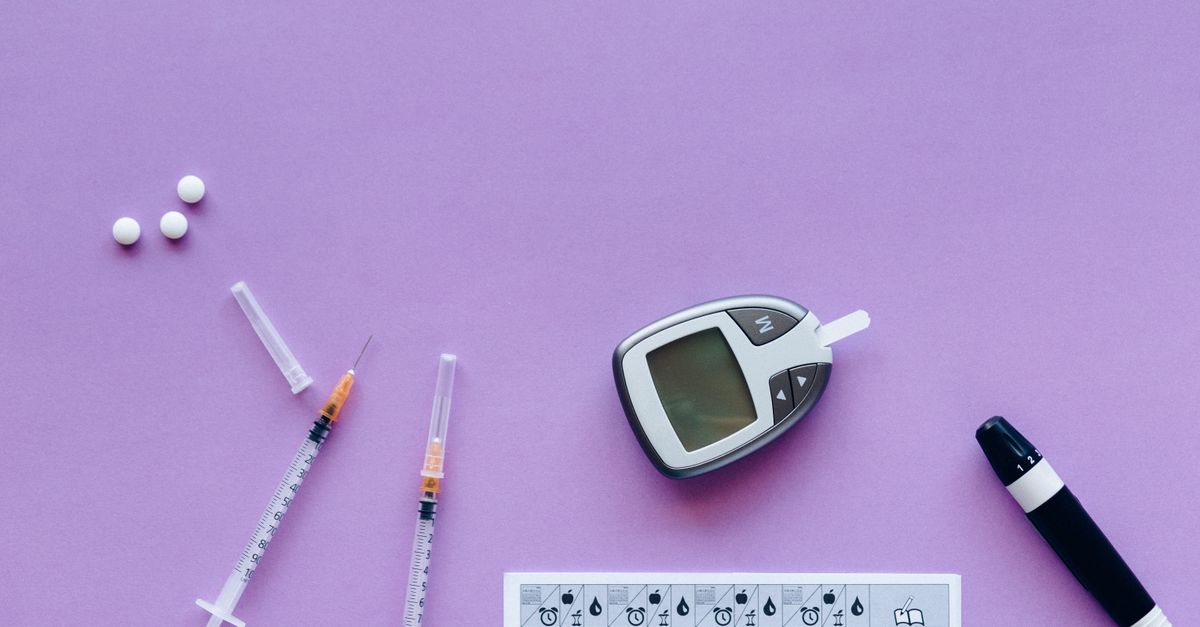
What Does Low Fasting Glucose Mean?
For most people, a fasting glucose below 70 mg/dL warrants attention, but it isn't automatically dangerous. Values in the 65–80 mg/dL range in lean, metabolically healthy adults often reflect exceptional insulin sensitivity. The real concern starts when readings drop below 60 mg/dL or when symptoms accompany any low reading — shakiness, cold sweats, brain fog, or heart palpitations — which point toward true hypoglycemia requiring clinical evaluation.
---
Understanding the Normal Fasting Glucose Range
The American Diabetes Association defines a normal fasting plasma glucose as 70–99 mg/dL. Prediabetes sits at 100–125 mg/dL, and diabetes is diagnosed at ≥126 mg/dL on two separate occasions. That leaves the lower end — anything under 70 mg/dL — in a zone that most reference ranges label as hypoglycemia, yet context matters enormously.
Consider the following benchmarks:
| Result (mg/dL) | Clinical Label | Common Interpretation |
|---|---|---|
| 80–99 | Optimal | Normal fasting glucose |
| 70–79 | Low-normal | Possible high insulin sensitivity |
| 60–69 | Borderline low | Investigate; check symptoms |
| <60 | Hypoglycemia | Requires clinical evaluation |
| <50 | Severe hypoglycemia | Urgent; seek care |
Fasting glucose is measured after at least 8 hours without caloric intake. Even a small snack, flavored coffee creamer, or a glucose-containing lozenge the night before can suppress the reading. Always confirm a low result with a repeat test under true fasting conditions before drawing conclusions.
---
What Causes Low Fasting Glucose?
Several mechanisms can drive fasting glucose into the sub-70 range. Not all of them are pathological.
1. High insulin sensitivity
In well-trained athletes and individuals who eat low-glycemic diets, cells clear glucose from the bloodstream so efficiently that fasting levels trend lower than average. This is a favorable metabolic state, not a disorder. A study published in Diabetes Care found that endurance-trained adults consistently had fasting glucose values 5–10 mg/dL lower than sedentary controls without any adverse outcomes (Koivisto et al., Diabetes Care 1986; PMID: 3519317).
2. Reactive hypoglycemia
This occurs when the pancreas over-secretes insulin in response to a carbohydrate load — typically 2–4 hours after a meal. By the next morning, glucose can sit unusually low. It's distinct from fasting hypoglycemia but often gets conflated with it. Checking a post-meal glucose curve (1-hour, 2-hour readings) alongside your fasting value helps distinguish the two.
3. Adrenal insufficiency or low cortisol
Cortisol is a counter-regulatory hormone that raises blood glucose through gluconeogenesis. When cortisol output is blunted — whether from adrenal fatigue, Addison's disease, or suppression from prolonged corticosteroid use — fasting glucose can trend low. If your low glucose result accompanies persistent fatigue, salt cravings, or low blood pressure, adrenal function is worth investigating. You may also find it helpful to read about why fasting glucose can feel normal yet still cause symptoms to understand how borderline values interact with cortisol rhythms.
4. Insulin-producing tumors (insulinomas)
Rare but clinically important: an insulinoma is a pancreatic tumor that secretes insulin autonomously. Whipple's Triad — symptomatic hypoglycemia with documented low glucose + relief after glucose administration — is the diagnostic framework. This is uncommon, but persistent fasting glucose below 55 mg/dL with symptoms should not be brushed off.
5. Certain medications
Sulfonylureas, insulin analogues, some antimalarials (quinine), and even high-dose salicylates can drive glucose down. Always review your medication list with a clinician when interpreting a low reading.
6. Extended fasting or very low-carbohydrate diets
Ketogenic diets and prolonged intermittent fasting reliably lower fasting glucose, sometimes into the high 50s or low 60s. This is typically benign in the absence of symptoms, but pairing it with a fasting insulin measurement gives a clearer metabolic picture.
---
Symptoms of Low Fasting Glucose You Shouldn't Ignore
The brain runs almost exclusively on glucose. When levels drop, neurological symptoms appear first:
- Shakiness or trembling on waking
- Cold sweats despite a normal room temperature
- Heart palpitations or a racing pulse
- Difficulty concentrating or word-finding problems in the morning
- Intense hunger immediately upon waking
- Blurry vision or lightheadedness when standing
If you experience more than two of these regularly, a continuous glucose monitor (CGM) worn for 2–4 weeks can reveal overnight dips that a single fasting lab test would miss entirely. Research from Stanford showed that CGM data in otherwise healthy adults uncovered significant nocturnal hypoglycemia that standard annual labs never captured (Hall et al., PLOS Biology 2018; PMID: 29425186).
For context on how normal-range biomarkers can still produce real symptoms, the piece on what it means when fasting insulin is normal but you still feel awful is a useful companion read — insulin and glucose are inseparable in practice.
---
Low Fasting Glucose vs. Low HbA1c: Are They Related?
Not necessarily. HbA1c reflects average glucose over approximately 90 days. A consistently low fasting glucose will usually correspond to a low-normal HbA1c (below 5.2%), but a low HbA1c can also result from increased red blood cell turnover (hemolytic anemia, recent blood loss) rather than genuine hypoglycemia. If your HbA1c is below 4.5%, it's worth understanding what low HbA1c actually means for your blood sugar — the two markers tell overlapping but distinct stories.
---
How to Raise Low Fasting Glucose Safely (When It's a Problem)
If clinical evaluation confirms that your low fasting glucose is causing symptoms or is related to a correctable mechanism, lifestyle and nutritional strategies are usually first-line before any pharmacological intervention. For a detailed walkthrough, there's a dedicated guide on how to raise low fasting glucose safely, but here are the core principles:
Dietary timing adjustments
- Eat a protein- and fat-rich evening snack (e.g., Greek yogurt with nuts) to slow overnight glucose consumption and blunt morning lows.
- Avoid high-GI carbohydrates before bed, which trigger an insulin surge and can paradoxically worsen morning hypoglycemia through reactive mechanisms.
Macronutrient balance
A diet delivering 25–35% of calories from protein supports gluconeogenesis throughout the overnight fast. A study in Nutrition & Metabolism found that higher dietary protein intake significantly attenuated overnight glucose nadirs compared to isocaloric high-carbohydrate diets (Layman et al., Journal of Nutrition 2003; PMID: 12612169).
Stress and cortisol support
If adrenal output is contributing, targeted adaptogen use and sleep hygiene improvements can modulate the cortisol awakening response, which is the primary driver of early-morning glucose normalization.
Exercise timing
High-intensity training in the evening without adequate refueling can deplete glycogen stores enough to cause morning lows. Moving intense sessions to morning or early afternoon, or consuming a small carbohydrate + protein meal post-workout, resolves this in many cases.
---
When Low Fasting Glucose Meets Hormonal Imbalance
Glucose regulation doesn't happen in isolation. Thyroid hormones, cortisol, growth hormone, and sex hormones all influence hepatic glucose output and peripheral insulin sensitivity. A low fasting glucose in someone with hypothyroidism, for instance, can reflect impaired gluconeogenesis because thyroid hormone is required to upregulate key gluconeogenic enzymes in the liver.
Similarly, women in the postpartum period experience significant shifts in insulin sensitivity and cortisol output that can push fasting glucose in either direction. If this applies to you, the article on what happens to fasting glucose in the postpartum period covers those dynamics in detail.
It's also worth noting that systemic inflammation can suppress gluconeogenesis — tracking hs-CRP alongside glucose gives a more complete metabolic picture. Low hs-CRP values carry their own implications that interact with glucose metabolism.
---
What This Means for Your Formula
If low fasting glucose is tied to a specific mechanism — adrenal output, insulin sensitivity, or overnight glucose regulation — targeted supplementation can play a supporting role. Ones analyzes blood work alongside wearable data to identify which mechanism is most likely driving your result, then builds a custom capsule formula calibrated to it.
For glucose and metabolic support, Ones draws from several clinically validated ingredients:
Chromium Picolinate (200–400 mcg)
Chromium enhances the action of insulin by potentiating insulin receptor signaling. For someone whose low fasting glucose reflects insulin hypersensitivity, chromium would typically not be included — but for individuals with reactive hypoglycemia driven by post-meal insulin surges, it helps modulate the spike-and-crash pattern. A meta-analysis in Diabetes Technology & Therapeutics (Tian et al. 2013; PMID: 23701561) confirmed chromium picolinate's role in reducing postprandial glucose variability.
Adrenal Support Blend
When adrenal insufficiency or blunted cortisol output is a contributing factor, Ones includes its proprietary Adrenal Support system blend — a combination formulated to sustain the HPA axis rhythm that governs the cortisol awakening response, which is directly responsible for morning glucose mobilization.
Omega-3 (EPA/DHA)
Long-chain omega-3 fatty acids improve hepatic glucose output regulation and reduce inflammatory interference in insulin signaling. A 12-week trial in adults showed that 2g/day EPA+DHA significantly improved fasting glucose stability compared to placebo (Mori et al., Arteriosclerosis Thrombosis and Vascular Biology 1999; PMID: 10591661). Ones includes pharmaceutical-grade EPA/DHA dosed in this clinical range.
Because Ones formulas are calibrated to your actual findings rather than symptom checklists, someone with exercise-induced low glucose gets a different formula than someone with adrenal-driven hypoglycemia — even if the fasting number on the lab report looks identical.
---
Key Takeaways
- A fasting glucose below 70 mg/dL is not automatically dangerous — context, symptoms, and contributing mechanisms determine whether it's a sign of excellent metabolic health or an issue requiring attention.
- True hypoglycemia (below 60 mg/dL) with symptoms warrants clinical evaluation to rule out insulinoma, adrenal insufficiency, or medication effects.
- Common benign causes include high insulin sensitivity from exercise or low-GI eating, ketogenic diets, or extended fasting windows.
- Cortisol, thyroid hormones, and sex hormones all influence fasting glucose — a single lab value without hormonal context tells an incomplete story.
- Lifestyle strategies (protein-forward evening meals, exercise timing, sleep quality) are first-line interventions before supplementation.
- Targeted ingredients like chromium picolinate, omega-3 fatty acids, and adrenal-focused adaptogens can support glucose stability when personalized to the right underlying mechanism.