Supplements
What Should You Eat on Liraglutide?
Most people starting liraglutide focus entirely on the medication and almost nothing on food quality — then wonder why nausea, fatigue, and muscle loss hit so hard. What you eat on liraglutide determines whether the drug works with your biology or against it. The right dietary framework can cut side effects significantly while protecting lean mass during rapid weight loss.
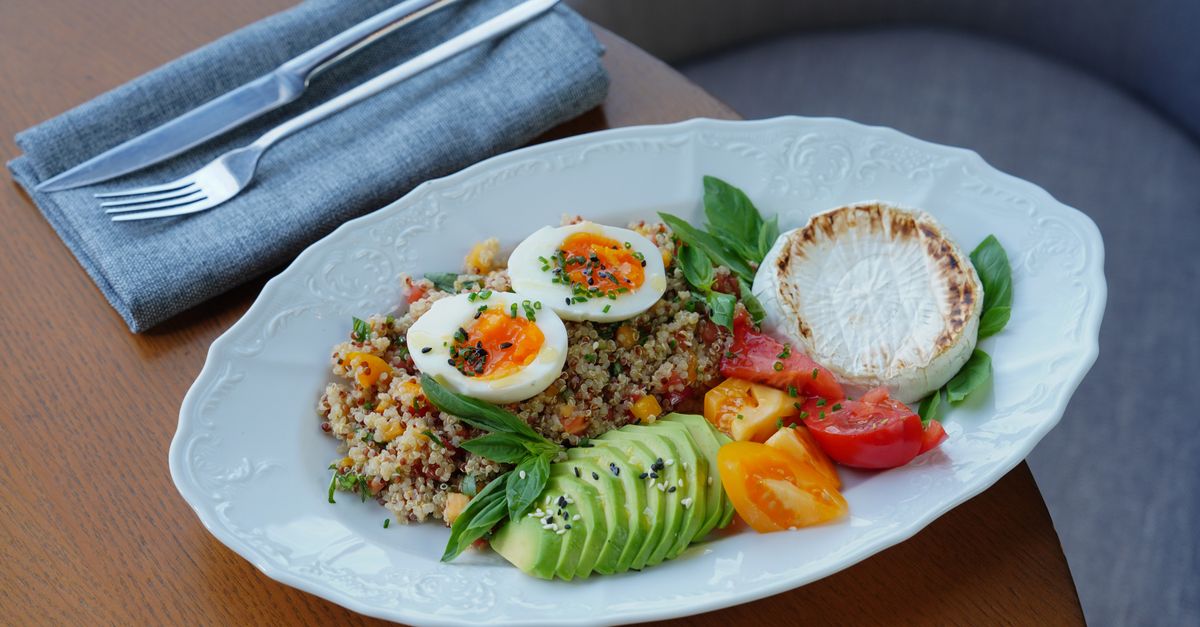
What Should You Eat on Liraglutide?
For most people: prioritize high-protein, low-fat, low-volume meals eaten slowly at regular intervals. Liraglutide slows gastric emptying dramatically, so fatty or large meals trigger intense nausea. The main caveat is that protein needs are higher than most expect — roughly 1.2–1.6 g/kg of body weight daily — to prevent the muscle loss that accompanies GLP-1-driven caloric restriction.
---
Why Food Choices Matter More on Liraglutide Than on a Standard Diet
Liraglutide (brand names Victoza and Saxenda) is a GLP-1 receptor agonist that mimics the action of the gut hormone glucagon-like peptide-1. It delays gastric emptying, reduces appetite via hypothalamic signaling, and increases insulin secretion in a glucose-dependent manner (Drucker et al., Cell Metabolism 2006; PMID: 17011499). The practical consequence: food stays in your stomach longer, your appetite signals are blunted, and your tolerance for volume, fat, and refined carbohydrates drops sharply.
This physiology creates both an opportunity and a risk. The opportunity is that you can achieve a meaningful caloric deficit with very little hunger. The risk is that if you eat the wrong foods — high-fat, high-fiber, or high-volume — the slowed motility amplifies discomfort and you may under-eat protein simply because you feel full after a few bites of whatever is closest.
A 2021 analysis of GLP-1 agonist trials found that participants who combined structured dietary guidance with medication lost significantly more fat mass and retained more lean mass than those relying on medication alone (Wilding et al., NEJM 2021; PMID: 33449399). The drug lowers the ceiling on calories; what you put inside that ceiling determines body composition outcomes.
---
The Core Eating Framework: What to Eat on Liraglutide
Protein First, Every Meal
Protein is the single most important macronutrient to prioritize. Because liraglutide suppresses appetite globally, many users inadvertently eat far too little protein while staying within calorie targets. This accelerates muscle catabolism, especially in adults over 40.
Target: 1.2–1.6 g of protein per kilogram of body weight per day. For a 180 lb (82 kg) adult, that is roughly 98–131 g of protein daily.
Best protein sources on liraglutide:
- Eggs (scrambled or soft — easier to tolerate than fried)
- Greek yogurt (full-fat tolerated better than non-fat, counterintuitively, due to slower protein release)
- Cottage cheese
- Canned fish (tuna, salmon, sardines — moderate fat, high protein, small portions)
- Chicken breast or turkey (steamed or baked, not fried)
- Whey or casein protein shakes when solid food causes nausea
A 2015 randomized trial found that higher dietary protein during caloric restriction preserved lean body mass significantly better than lower-protein controls, independent of total caloric intake (Pasiakos et al., FASEB Journal 2015; PMID: 25411276). This effect is amplified when rapid weight loss is pharmacologically driven.
Carbohydrates: Low-Glycemic, Small Portions
Liraglutide already improves postprandial glucose control, but this does not license unrestricted carbohydrate intake. Large carbohydrate loads — especially refined grains and sugars — spike blood glucose faster than the drug's insulin-secretion enhancement can buffer, particularly early in titration.
Preferred carbohydrates:
- Oats (rolled, not instant)
- Sweet potato (half a medium, not a full one)
- Brown rice or quinoa in 1/4 cup cooked portions
- Berries (low glycemic, high antioxidant density)
- Lentils and legumes (protein + fiber combination — start small to test tolerance)
Avoid: white bread, pastries, sugary drinks, and fruit juice. These provide calories with no satiety benefit while competing with protein for your limited stomach volume.
Fats: Quality Over Quantity
Fat is the macronutrient most likely to worsen nausea on liraglutide. Dietary fat slows gastric emptying independently of the drug — combining high-fat meals with a medication that already slows motility can result in prolonged nausea, reflux, and vomiting.
This does not mean fat-free eating. Omega-3 fatty acids from fatty fish, a small handful of walnuts, or a drizzle of olive oil provide anti-inflammatory benefit without triggering the same gastric stress as fried foods or heavy cream sauces.
Foods to minimize:
- Fried foods of any kind
- Full-fat cream sauces and cheese in large portions
- Fatty cuts of red meat (ribeye, pork belly)
- Butter in cooking (use olive oil spray instead)
Hydration: Non-Negotiable
Liraglutide reduces thirst signaling in some users. Dehydration worsens constipation — already a common side effect — and amplifies nausea. Aim for at least 2.0–2.5 liters of water daily, prioritizing intake between meals rather than with them (large fluid volumes during meals increase distension against an already-slowed stomach).
---
Liraglutide Nausea Remedies: Dietary Strategies That Actually Work
Nausea is the most commonly reported side effect of liraglutide, affecting up to 40% of users during dose titration (Davies et al., Lancet Diabetes & Endocrinology 2015; PMID: 25943725). Dietary adjustments can reduce it substantially without requiring dose reduction.
Evidence-based strategies:
- Eat cold or room-temperature foods. Hot foods produce more volatile aromatic compounds that trigger nausea in people with delayed gastric emptying.
- Eat upright and remain upright for 30–45 minutes after meals. Lying down after eating pushes partially digested food toward the esophagus.
- Portion down aggressively. Aim for 5–6 small meals (200–350 kcal each) rather than 2–3 large ones. The volume trigger for nausea is mechanical — smaller meals mean less distension.
- Ginger in food or tea. Ginger (Zingiber officinale) has demonstrated antiemetic efficacy in multiple trials; a 2014 Cochrane-adjacent systematic review found 1–1.5 g of ginger per day reduced nausea intensity in both post-operative and chemotherapy-induced nausea, providing a plausible mechanism for GLP-1-related nausea as well.
- Avoid trigger foods the morning of your injection. If you inject liraglutide in the morning, eat a light protein-first breakfast (e.g., two scrambled eggs) rather than a fatty or high-volume meal.
For a full clinical overview of managing GLP-1-related nausea, see how to manage nausea from weight loss medications.
---
Liraglutide Dosage Schedule and How It Should Shape Your Eating Pattern
Understanding the liraglutide dosage schedule helps you time meals strategically. Liraglutide is injected subcutaneously once daily at any consistent time; peak plasma concentration occurs approximately 8–12 hours post-injection.
| Injection Time | Peak Drug Effect Window | Practical Implication |
|---|---|---|
| Morning (7–9 AM) | Afternoon to early evening | Lightest meal at dinner; largest protein intake at lunch |
| Evening (7–9 PM) | Overnight into morning | Breakfast may feel hardest — keep it small and protein-dense |
| Midday (12–1 PM) | Late afternoon to late evening | Dinner is the highest-risk nausea window; keep it light |
During dose escalation (typically from 0.6 mg up to the target dose of 1.2 mg or 1.8 mg over weeks), the nausea window is most intense. This is exactly when dietary discipline matters most — users who eat impulsively during this window because they feel briefly hungry between nausea episodes often trigger a worse cycle.
Meal timing protocol during titration:
- Eat within 1–2 hours of waking, regardless of hunger.
- Space meals 3–4 hours apart — no grazing.
- Stop eating 2–3 hours before sleep.
- If solid food is intolerable, use a liquid protein source (whey shake, Greek yogurt thinned with water) rather than skipping meals.
---
Liraglutide Microdosing and Dietary Adjustments
Some clinicians and patients explore liraglutide microdosing — using doses below the standard 0.6 mg starting dose (e.g., 0.1–0.3 mg) to ease into treatment and minimize early side effects. While the formal clinical evidence base for microdosing GLP-1 agonists is still emerging, the dietary rationale is clear: at lower systemic drug levels, gastric emptying is less dramatically slowed, meaning slightly larger meals and a broader range of foods may be tolerated.
However, even at microdoses, the fundamental framework holds:
- Protein-first remains the priority because lean mass protection is dose-independent.
- Fatty foods still carry nausea risk — the threshold is simply higher.
- Hydration remains critical regardless of dose.
As dose escalates toward therapeutic range, the stricter dietary version of the framework described in this article should be progressively adopted. Think of microdosing dietary adjustment as a gradual on-ramp, not a permanent exception.
---
Liraglutide and Hair Loss: The Nutritional Connection
Hair loss during liraglutide treatment is increasingly reported and is mechanistically tied to rapid weight loss rather than the drug itself — a phenomenon called telogen effluvium, in which caloric deficit and micronutrient depletion push hair follicles prematurely into the resting phase (Headington, JAMA 1993; PMID: 8350179).
The nutritional factors most strongly associated with telogen effluvium during caloric restriction are:
- Iron (ferritin): Ferritin below 30–40 ng/mL is a recognized trigger. If you are eating a smaller volume of food on liraglutide, dietary iron intake drops proportionally.
- Zinc: Inadequate zinc impairs the hair follicle cell division cycle. Liraglutide-driven caloric restriction reduces zinc intake unless foods are carefully selected.
- Protein: Hair is almost entirely keratin — inadequate protein intake directly reduces the substrate available for follicle growth.
- Biotin and B-vitamins: Reduction in whole-grain and legume intake (common on liraglutide due to nausea) reduces B-vitamin intake.
For a detailed breakdown of this mechanism, see Ozempic hair loss: what causes it and the 4 nutrients that actually help — the same nutritional drivers apply across GLP-1 agonists.
To protect hair during liraglutide treatment, prioritize iron-rich proteins (red meat 2–3x weekly if tolerated, lentils, pumpkin seeds), maintain zinc through shellfish or a supplement, and consider targeted nutritional testing every 3–6 months. You can also review how specific nutrients interact with hair follicle biology at vitamin D3 for hair growth: who actually benefits.
---
What This Means for Your Formula
Liraglutide creates predictable nutritional gaps: reduced caloric intake compresses micronutrient intake, slowed gastric motility reduces absorption efficiency, and rapid fat loss accelerates mobilization of fat-soluble vitamins (D3, K2) from adipose tissue — which can paradoxically drop circulating levels even as body fat decreases.
At Ones, the AI health practitioner analyzes your lab results alongside your current medication list to identify these gaps precisely. For someone on liraglutide, the most clinically relevant personalized inclusions are typically:
- Vitamin D3 + K2 (MK-7): Adipose mobilization during weight loss can transiently lower D3 despite adequate sun exposure. Ones pairs D3 with MK-7 at therapeutic ratios to support both bone and cardiovascular endpoints simultaneously.
- Zinc: Ones includes chelated zinc dosed to clinical ranges — relevant for both immune function and the follicle-protection mechanism described above — calibrated to your serum zinc and dietary intake data.
- Omega-3 (EPA/DHA): Liraglutide's cardiovascular benefit is well-documented (Marso et al., NEJM 2016; PMID: 27295427), and Ones includes high-concentration EPA/DHA to synergize with that cardioprotective effect, particularly for users with elevated triglycerides at baseline. If your triglycerides are a concern, the analysis at should I worry about my triglycerides result provides useful clinical context.
Formulas are calibrated to a 6 or 9-capsule daily plan based on what your data shows — not a generic stack.
---
Key Takeaways
- Protein is the non-negotiable foundation: Target 1.2–1.6 g/kg/day to prevent muscle loss during liraglutide-driven caloric restriction.
- Fat and volume are the primary nausea triggers: Keep meals small (200–350 kcal), low-fat, and eaten slowly — 5–6 times per day during titration.
- Meal timing relative to injection time matters: Align your lightest meal with the peak drug effect window to reduce nausea episodes.
- Hair loss is nutritional, not pharmacological: Iron, zinc, and protein shortfalls from compressed caloric intake are the main drivers — and they are preventable.
- Liraglutide microdosing does not eliminate dietary rules: It widens the tolerance window but does not remove the protein-first, low-fat framework.
- Targeted lab testing every 3–6 months helps catch the micronutrient gaps that develop silently during sustained liraglutide treatment, and informs whether your supplement formula needs adjustment.