Supplements
Best Time to Take Black Seed Oil: Benefits, Dosage, and What the Research Actually Shows
Black seed oil has been used medicinally for over 2,000 years, yet most people taking it today have no idea when to take it, how much to take, or whether the research actually supports their goals. The timing and dose of Nigella sativa oil can meaningfully affect how well it works — and the science is more nuanced than most supplement labels suggest.
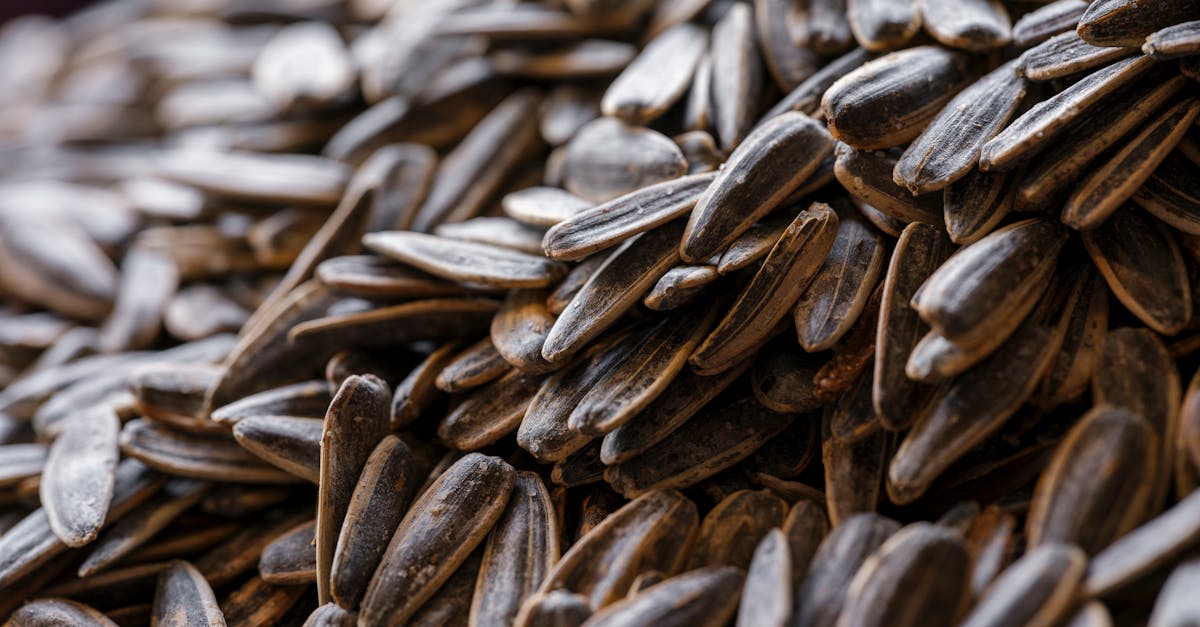
Best Time to Take Black Seed Oil: Benefits, Dosage, and What the Research Actually Shows
Black seed oil — pressed from Nigella sativa seeds — has moved from ancient apothecaries into modern supplement aisles with remarkable speed. With hundreds of clinical trials now on record, it's one of the more studied botanical oils in integrative medicine. Yet the questions most people type into search engines — when should I take black seed oil? How much? Does it actually work? — rarely get straight answers backed by real data.
This article cuts through the noise. We'll cover the best time to take black seed oil based on the available evidence, what conditions it's been clinically studied for, how dosing compares across trials, and how it stacks up against fish oil for specific health goals.
---
What Is Black Seed Oil Good For?
The bioactive core of Nigella sativa oil is thymoquinone (TQ), a fat-soluble phytochemical with antioxidant, anti-inflammatory, and immunomodulatory properties. Beyond TQ, the oil contains thymohydroquinone, thymol, carvacrol, and a range of unsaturated fatty acids including linoleic acid (omega-6) and oleic acid (omega-9).
Here's where clinical research has accumulated the most meaningful evidence:
Blood Sugar and Insulin Sensitivity
A meta-analysis of 23 randomized controlled trials (Dajani et al., International Journal of Molecular Sciences, 2016; doi.org/10.3390/ijms17040536) found that Nigella sativa supplementation significantly reduced fasting blood glucose, HbA1c, and fasting insulin in people with type 2 diabetes. Doses across these studies ranged from 1g to 3g of black seed oil daily, with the most consistent effects appearing at 2g/day over 8–12 weeks.
Blood Pressure
A systematic review and meta-analysis published in the Journal of Hypertension (Sahebkar et al., 2016; PMID: 27512971) analyzed 11 trials and found statistically significant reductions in both systolic and diastolic blood pressure with Nigella sativa supplementation — with mean reductions of approximately 3–4 mmHg systolic and 2–3 mmHg diastolic. These are modest but clinically relevant changes, particularly as part of a broader cardiovascular support strategy.
Lipid Profile
Black seed oil has demonstrated consistent effects on dyslipidemia. A meta-analysis covering 17 RCTs (Sahebkar et al., Pharmacological Research, 2016; PMID: 26875640) found it significantly lowered total cholesterol, LDL cholesterol, and triglycerides while modestly raising HDL. The effect was most pronounced with supplementation of 2–3g/day for at least 8 weeks.
Inflammation and Immune Modulation
Thymoquinone inhibits key pro-inflammatory pathways including NF-κB signaling and cyclooxygenase-2 (COX-2) activity, mechanisms well-documented in preclinical models (Majdalawieh & Fayyad, International Immunopharmacology, 2015; PMID: 25666635). Human trials are more limited here, but several studies in asthma and allergic rhinitis have shown reduced symptom burden and improved pulmonary function markers with 2g/day of black seed oil over 3 months (Gholamnezhad et al., Phytotherapy Research, 2016; PMID: 26383460).
Weight and Metabolic Health
A 2018 meta-analysis in the Journal of Diabetes & Metabolic Disorders (Namazi et al.; PMID: 30918858) found that Nigella sativa supplementation produced statistically significant reductions in body weight, BMI, and waist circumference compared to placebo — with the strongest effects seen at doses of 2–3g/day over 8+ weeks.
If you're interested in how botanical oils fit into broader metabolic support, the clinical evidence for ashwagandha and cortisol regulation provides useful context on how adaptogens and lipid-modulators can work synergistically in a personalized formula.
---
When to Take Black Seed Oil: Does Timing Actually Matter?
This is the question most supplement labels ignore entirely. Based on available pharmacokinetic data and clinical trial protocols, here's what we know:
With Food vs. on an Empty Stomach
Black seed oil is a fat-soluble preparation. Like other fat-soluble compounds (vitamins D, E, K, CoQ10), its absorption is enhanced when taken alongside dietary fat. Most published trials administered black seed oil with meals — typically breakfast and/or dinner when split dosing was used.
Taking black seed oil on an empty stomach is associated with increased reports of GI discomfort, including nausea, bloating, and reflux. This is particularly relevant at doses above 2g. For practical purposes: take black seed oil with food, ideally a meal containing some fat.
Morning vs. Evening
There is no high-quality clinical trial that has compared morning vs. evening dosing for black seed oil specifically. However, based on its primary mechanisms:
- For blood sugar management: taking half the dose before breakfast and half before dinner (as used in several diabetes trials) aligns with postprandial glucose control windows.
- For sleep and inflammation: some practitioners suggest an evening dose given thymoquinone's mild anxiolytic properties demonstrated in animal models, though human evidence for this specific effect is limited.
- For general immune and metabolic support: consistent daily timing matters more than the specific hour. Adherence drives outcomes in supplementation research.
Split Dosing vs. Single Daily Dose
For doses of 2g or more, split dosing (e.g., 1g twice daily) appears better tolerated and is the most common protocol in published trials. A single 3g dose on an empty stomach is a reliable way to experience GI side effects without added benefit.
| Goal | Suggested Dose | Timing Protocol | Evidence Level |
|---|---|---|---|
| Blood glucose support | 2g/day | 1g with breakfast, 1g with dinner | Strong (multiple RCTs) |
| Blood pressure | 2–3g/day | Split with meals | Moderate (meta-analysis) |
| Lipid management | 2–3g/day | Split with meals | Moderate-strong |
| Weight/metabolic | 2–3g/day | Split with meals | Moderate |
| Allergy/respiratory | 2g/day | Split with meals | Moderate (RCTs) |
---
Black Seed Oil vs. Fish Oil: How Do They Compare?
This is one of the most common comparisons people search — and the honest answer is that they work through different mechanisms and serve different primary purposes. Calling one "better" than the other misses the point.
Fish Oil vs. Black Seed Oil for Inflammation
Fish oil's primary actives are EPA and DHA — long-chain omega-3 fatty acids that directly resolve inflammation via specialized pro-resolving mediators (SPMs) and compete with arachidonic acid for COX and LOX enzyme activity. The evidence base for EPA/DHA in cardiovascular inflammation, triglyceride reduction, and joint health is among the most robust in all of nutritional medicine (NIH Office of Dietary Supplements, updated 2023).
Black seed oil works primarily through thymoquinone's antioxidant and NF-κB inhibitory effects — a different molecular pathway. It does contain linoleic acid, but this is an omega-6, not an omega-3, and does not confer the same anti-inflammatory benefits as EPA/DHA.
For omega-3 EPA DHA cardiovascular and inflammatory support, the evidence base is deeper and longer-established. For someone with elevated triglycerides, fish oil at clinically relevant doses (2–4g EPA+DHA/day) has stronger backing than black seed oil as a primary intervention.
Where Black Seed Oil Has an Edge
Black seed oil's thymoquinone content gives it biological activity that fish oil doesn't replicate: immunomodulatory properties relevant to allergic conditions, more direct effects on fasting blood glucose and insulin sensitivity, and potentially broader antioxidant activity via Nrf2 pathway activation. For someone managing metabolic syndrome markers or allergic respiratory issues, black seed oil may be the more targeted choice.
Head-to-Head: Black Seed Oil vs. Fish Oil
| Parameter | Black Seed Oil | Fish Oil (EPA/DHA) |
|---|---|---|
| Primary active | Thymoquinone | EPA, DHA |
| Triglyceride reduction | Moderate | Strong (High-dose EPA: landmark REDUCE-IT trial) |
| Blood glucose | Strong evidence | Neutral to modest |
| Blood pressure | Moderate evidence | Modest evidence |
| Allergic inflammation | Moderate evidence | Limited |
| Joint/systemic inflammation | Emerging | Strong |
| Cardiovascular events (hard outcomes) | No large trials | Yes (REDUCE-IT, STRENGTH) |
| Omega-3 content | Minimal (omega-6 dominant) | Primary mechanism |
Bottom line: These oils are more complementary than competitive. Many people with overlapping metabolic and inflammatory concerns benefit from both — just not at the same meal, since high fat loads at once can delay gastric emptying and theoretically reduce absorption efficiency of either.
For a deeper look at why fish oil formulation and purity matter, the omega-3 EPA DHA ratio guide breaks down what to look for when selecting a high-quality product.
---
Black Seed Oil Dosage: What the Research Shows
Dosing in published trials varies by condition and formulation (whole oil vs. encapsulated vs. seed powder). Here's a consolidated look at doses used across major trial categories:
| Condition | Effective Dose Range | Duration in Trials |
|---|---|---|
| Type 2 diabetes (glucose) | 1–3g/day | 8–12 weeks |
| Hypertension | 2–3g/day | 8 weeks |
| Dyslipidemia | 2–3g/day | 8–12 weeks |
| Asthma/allergic rhinitis | 2g/day | 3 months |
| Weight management | 2–3g/day | 8–12 weeks |
The most common effective dose across conditions is 2g/day of cold-pressed black seed oil, divided into two 1g doses taken with meals. Starting at 1g/day for the first week can help assess GI tolerance before increasing.
Important note on quality: Thymoquinone content varies significantly between products depending on seed origin, cold-press vs. solvent extraction, and storage. Look for oils that specify TQ content (ideally ≥0.5%) and are stored in dark glass to prevent oxidative degradation.
---
What About Black Seed Oil and the Thyroid?
One area generating increasing research interest is black seed oil's potential role in thyroid function. A 2016 randomized controlled trial (Farhangi et al., BMC Complementary and Alternative Medicine; PMID: 26868723) found that 2g/day of Nigella sativa oil for 8 weeks significantly improved TSH levels and reduced body weight and waist circumference in women with Hashimoto's thyroiditis compared to placebo.
This is notable but requires context: black seed oil is not a thyroid hormone replacement and should never be used as a substitute for prescribed thyroid management. However, its anti-inflammatory and antioxidant properties may support thyroid tissue health as part of a comprehensive protocol. Anyone managing thyroid conditions should discuss supplementation with their healthcare provider.
If thyroid optimization is a priority, understanding vitamin D3 and K2 synergy for immune and thyroid health is also worth reviewing, as vitamin D deficiency is strongly associated with Hashimoto's prevalence.
---
How Ones Addresses This
Ones is an AI health practitioner platform that analyzes your blood work, wearable data, and health history to build a personalized capsule formula from 70+ clinical-grade ingredients. For goals where black seed oil research shows the most promise — metabolic health, immune modulation, inflammation — Ones formulas are built around the specific biomarkers driving your risk, not generic stacks.
Relevant ingredients Ones incorporates based on your data:
- Omega-3 (EPA/DHA): Dosed to clinical ranges based on your triglycerides, hs-CRP, and omega-3 index when available — addressing the cardiovascular and inflammatory territory where fish oil has the deepest evidence base.
- NAC (N-Acetyl Cysteine): A potent precursor to glutathione with Nrf2 pathway activity that overlaps mechanistically with thymoquinone's antioxidant effects — relevant for oxidative stress markers.
- Magnesium Glycinate (part of Ones' Magnesium Complex): Addresses insulin sensitivity and blood pressure pathways that black seed oil trials also target, at the clinical dose of 300–400mg elemental magnesium shown effective in meta-analyses (Veronese et al., European Journal of Clinical Nutrition, 2016; PMID: 26382849).
For users whose lab results or health history flags thyroid dysfunction, Ones' Thyroid Support and Endocrine Support System Blends provide additional targeted support using clinically dosed ingredients — building context around any botanical like black seed oil that your protocol might include.
Ones formulas come in 6, 9, or 12-capsule daily plans, so every ingredient included is one that genuinely belongs based on your data — not filler to justify a larger capsule count. Exploring how optimal magnesium glycinate dosage intersects with metabolic health can give you a clearer picture of how multi-ingredient personalization outperforms single-supplement approaches.
---
Key Takeaways
- Best time to take black seed oil: With food, preferably a fat-containing meal. For doses ≥2g, split into two servings (e.g., 1g with breakfast, 1g with dinner) to improve tolerance and maintain consistent plasma levels.
- Clinically effective dose: 2–3g/day of cold-pressed black seed oil for most studied outcomes; 2g/day is the most common dose used in successful trials across metabolic and immune endpoints.
- Strongest evidence: Blood glucose regulation, lipid management, and blood pressure modulation in metabolic syndrome populations — all with statistically significant effects across multiple RCTs and meta-analyses.
- Black seed oil vs. fish oil: These work through different mechanisms (thymoquinone vs. EPA/DHA) and are largely complementary. Fish oil has stronger cardiovascular hard-outcome data; black seed oil has stronger data for blood glucose and allergic inflammation.
- Timing flexibility: No clinical evidence mandates a specific time of day. Consistency matters more than the exact hour — pick a mealtime you can maintain daily.
- Personalized context matters: Black seed oil is a tool, not a protocol. Your blood work markers (fasting glucose, HbA1c, triglycerides, hs-CRP) should determine whether it belongs in your stack — and at what dose. Consult a healthcare provider before adding it for specific medical conditions.