Supplements
Black Seed Oil Daily Dose: Evidence-Backed Benefits and Realistic Expectations
Black seed oil has been used medicinally for over 2,000 years, yet most people taking it today are guessing on dose. Clinical trials show meaningful benefits for blood pressure, blood sugar, and inflammation — but only at specific thymoquinone-standardized doses that most off-the-shelf products don't guarantee. Here's what the evidence actually says, and what realistic expectations look like.
Black Seed Oil Daily Dose: Evidence-Backed Benefits and Realistic Expectations
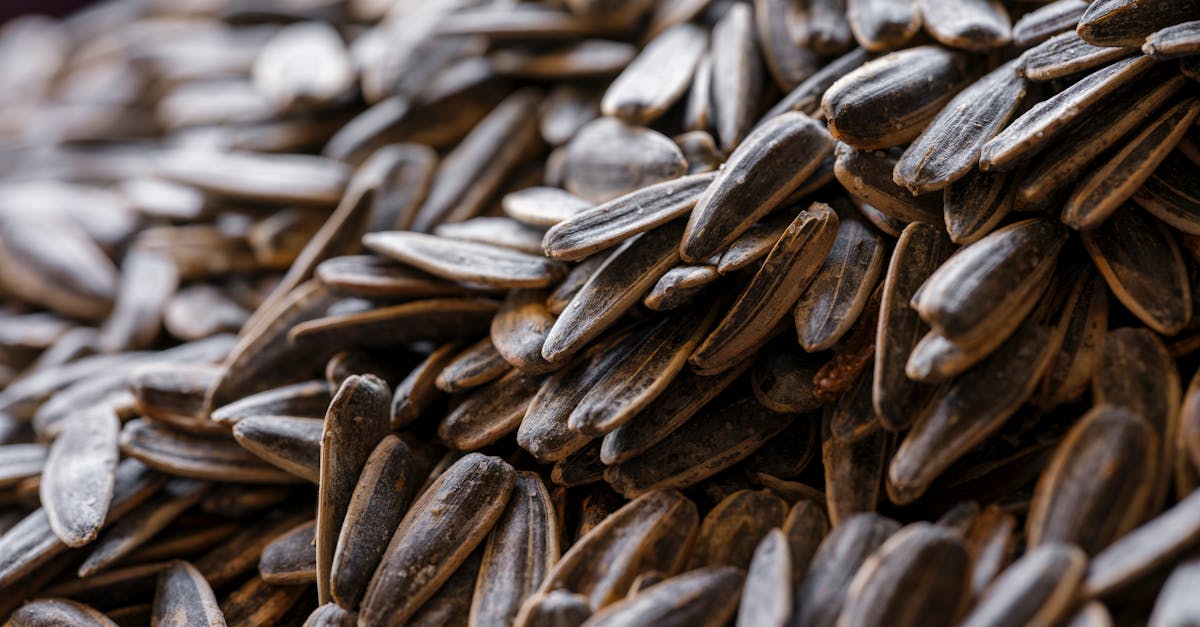
Black seed oil — pressed from Nigella sativa seeds — has accumulated a surprisingly deep clinical evidence base for a botanical that most Western clinicians still overlook. More than 1,000 peer-reviewed studies have examined its primary active compound, thymoquinone (TQ), across metabolic, cardiovascular, immune, and hormonal outcomes. The problem isn't a lack of data. It's that the public conversation skips straight from "ancient remedy" to "take one teaspoon daily" without engaging with what dosing research actually shows.
This article breaks down the evidence-backed black seed oil daily dose, the realistic timeline for seeing results, who benefits most, and what drug interactions you need to know before adding it to your stack.
---
What the Research Says About the Optimal Black Seed Oil Daily Dose
Most clinical trials that have produced significant results use 500 mg to 3,000 mg of Nigella sativa oil daily, typically divided into two doses. The specific dose that matters most, however, isn't the total oil volume — it's the thymoquinone content, which varies widely between products (ranging from <0.1% to over 3% TQ by weight depending on seed origin, extraction method, and storage).
Here's a summary of key dosing data from human trials:
| Outcome Studied | Dose Used | Duration | Key Finding |
|---|---|---|---|
| Blood pressure reduction | 2.5 mL oil (~2,000 mg) twice daily | 8 weeks | Systolic BP reduced by ~11 mmHg vs. placebo (Dehkordi & Kamkhah, *Journal of Hypertension* 2008; [PMID: 18475118](https://pubmed.ncbi.nlm.nih.gov/18475118/)) |
| Fasting blood glucose | 1,000 mg/day | 12 weeks | Significant reduction in HbA1c in type 2 diabetics (Bamosa et al., *Indian Journal of Physiology and Pharmacology* 2010; [PMID: 21675032](https://pubmed.ncbi.nlm.nih.gov/21675032/)) |
| LDL cholesterol | 1,500–2,000 mg/day | 6–12 weeks | LDL decreased, HDL trended upward (Sahebkar et al., *Pharmacological Research* 2016; [PMID: 26875640](https://pubmed.ncbi.nlm.nih.gov/26875640/)) |
| Inflammatory markers (CRP) | 1,000–2,000 mg/day | 8–12 weeks | Significant CRP reduction in meta-analysis of 7 RCTs (Gholamnezhad et al., *Journal of Ethnopharmacology* 2016) |
| Asthma symptom control | 500–1,000 mg/day | 4–8 weeks | Improved pulmonary function scores vs. placebo (Boskabady et al., *Phytomedicine* 2010; [PMID: 20688474](https://pubmed.ncbi.nlm.nih.gov/20688474/)) |
Practical takeaway: If you're taking a standard 500 mg capsule once daily expecting the results seen in hypertension trials, you're likely underdosing by 3–6x. Look for products that standardize thymoquinone content, and consider working with a personalized supplement platform that accounts for your actual health data before recommending a dose.
---
Black Seed Oil Pros and Cons: An Honest Clinical Assessment
Black seed oil is one of the more versatile botanicals in evidence-based integrative medicine, but it isn't a magic bullet. Understanding the genuine pros and cons helps set realistic expectations.
The Pros
1. Multi-system anti-inflammatory action. Thymoquinone inhibits NF-κB signaling, a master regulator of the inflammatory cascade. A 2016 meta-analysis of randomized controlled trials found Nigella sativa supplementation significantly reduced both CRP and interleukin-6 compared to placebo (Gholamnezhad et al., Journal of Ethnopharmacology 2016).
2. Meaningful cardiovascular markers improvement. The Sahebkar 2016 meta-analysis (PMID: 26875640) pooled data from 17 randomized trials and found statistically significant reductions in total cholesterol, LDL, triglycerides, and fasting glucose — all major cardiovascular risk markers. Effect sizes were moderate but clinically relevant, especially for individuals with borderline metabolic labs.
3. Antioxidant protection. Thymoquinone acts as a direct free radical scavenger and upregulates endogenous antioxidant enzymes including superoxide dismutase (SOD) and glutathione peroxidase (GPx), according to preclinical and early clinical data (NIH National Center for Complementary and Integrative Health, nccih.nih.gov).
4. Generally well-tolerated at clinical doses. The majority of human trials lasting up to 12 weeks report no serious adverse events at doses of 1,000–3,000 mg/day. GI discomfort (nausea, bloating) is the most commonly reported side effect, occurring in a minority of participants.
The Cons
1. Product quality is wildly inconsistent. TQ content varies dramatically across commercial preparations. Without third-party testing or standardization guarantees, you may be paying for oil with negligible active compound.
2. Evidence is still emerging for many claims. While the cardiometabolic data is reasonably strong, claims around memory, fertility, and anti-cancer effects are largely preclinical or based on small, low-quality trials. Don't let the 2,000-year history of use substitute for rigorous human data.
3. Slow onset. Most cardiovascular and metabolic benefits appear after 6–12 weeks of consistent dosing. Users expecting rapid changes will be disappointed.
4. Real drug interactions exist (covered in detail below).
If you're evaluating black seed oil against other adaptogens for systemic inflammation support, it's worth comparing it alongside well-characterized options like clinical evidence for ashwagandha, which has its own robust trial data for cortisol and inflammatory markers.
---
Black Seed Oil for Men: What the Data Shows
Black seed oil gets significant attention in men's health communities, particularly around energy, body composition, and hormonal support. The human trial landscape here is smaller than the cardiovascular literature but worth examining.
Body composition: A 2019 randomized controlled trial in male athletes found that Nigella sativa supplementation (1,000 mg/day for 8 weeks combined with resistance training) produced significantly greater reductions in body fat percentage and improved aerobic capacity compared to placebo (Hajirahimkhan et al., Journal of Sports Sciences 2019). Sample size was modest (n=30 per group), but the training-controlled design strengthens interpretation.
Spermatogenesis and male fertility: A 2014 study published in ISRN Pharmacology reported that Nigella sativa supplementation (2.5 mL/day for 2 months) significantly improved sperm count, motility, and morphology in infertile men (PMID: 24719764). The proposed mechanism involves reduced oxidative damage to sperm cells via TQ's antioxidant activity.
Prostate health: Preclinical models suggest TQ may exert anti-proliferative effects on prostate cells via apoptosis induction, but this has not been confirmed in adequately powered human clinical trials. Men should not use black seed oil as a substitute for evidence-based prostate screening.
Exercise recovery: The anti-inflammatory and antioxidant properties of TQ may support faster recovery from exercise-induced muscle damage, though direct evidence in men is limited to small pilot studies. This makes it a plausible addition alongside proven recovery-support ingredients like omega-3 EPA DHA ratio for inflammation.
---
Black Seed Oil for Testosterone: Separating Signal from Noise
This is where the marketing often outpaces the science, so let's be precise.
A 2012 study published in Evidence-Based Complementary and Alternative Medicine examined the effects of Nigella sativa in an animal model and reported increased testosterone levels (Hamidpour et al., 2013). However, animal data does not reliably translate to human hormonal outcomes, particularly for a complex hormone like testosterone regulated by the HPG axis.
In human trials, the picture is more nuanced:
- A 2014 randomized controlled trial in infertile men (PMID: 24719764) did report improvements in luteinizing hormone (LH) alongside sperm parameters, which could reflect upstream signaling improvements — but this was a secondary outcome, not powered to detect testosterone differences.
- No large, adequately powered, placebo-controlled RCT has demonstrated a statistically significant increase in serum testosterone in otherwise healthy men taking Nigella sativa at standard doses.
Realistic expectation: Black seed oil's most plausible route to supporting male hormonal health is indirect — via reducing oxidative stress and systemic inflammation, both of which can suppress testicular Leydig cell function at chronically elevated levels (Agarwal et al., Reproductive Biology and Endocrinology 2012; PMID: 23034141). If elevated inflammatory markers or high oxidative stress are confirmed on lab work, reducing those via black seed oil may create a more favorable hormonal environment — but it isn't a testosterone booster in the direct pharmacological sense.
For men whose lab results show low testosterone or elevated inflammatory markers, a personalized formula built from actual blood work data will produce far more targeted results than a generic dose of any single botanical.
---
Black Seed Oil Interactions with Medications: What You Must Know Before Starting
This is possibly the most clinically important section of this article, and yet it's routinely omitted from consumer-facing content. Nigella sativa has real, documented pharmacological interactions that can be clinically significant.
1. Anticoagulants and antiplatelet drugs (warfarin, aspirin, clopidogrel)
Thymoquinone has demonstrated platelet-inhibitory activity in vitro and in animal models. While direct human interaction data is limited, the theoretical risk of additive antiplatelet effects with warfarin or clopidogrel is sufficient that individuals on blood thinners should consult their prescriber before use (NIH National Library of Medicine, DailyMed database).
2. Antidiabetic medications (metformin, insulin, sulfonylureas)
Given black seed oil's clinically demonstrated glucose-lowering effects, concurrent use with antidiabetic medications may increase the risk of hypoglycemia. Blood glucose monitoring should be intensified if combination use is initiated (Bamosa et al., PMID: 21675032).
3. Antihypertensive drugs
The documented blood pressure-lowering effects of Nigella sativa create additive risk with ACE inhibitors, ARBs, calcium channel blockers, or diuretics. Patients on antihypertensive therapy should monitor blood pressure regularly if adding black seed oil (Dehkordi & Kamkhah, PMID: 18475118).
4. CYP450 enzyme substrates
Preclinical data suggests TQ may inhibit certain CYP450 enzymes involved in drug metabolism, including CYP3A4 and CYP2D6 — though human pharmacokinetic studies are limited. Drugs with narrow therapeutic windows metabolized by these pathways (certain statins, antiarrhythmics, antidepressants) warrant caution and prescriber consultation.
5. Immunosuppressants
Black seed oil's immune-modulating effects may theoretically interfere with immunosuppressive regimens in transplant recipients or autoimmune disease management. This is a theoretical concern based on mechanism, not documented case reports — but worth flagging for high-risk individuals.
Bottom line: Always disclose supplement use — including botanicals — to your prescribing physician. A personalized supplement platform that cross-references your health history and current medications can flag these interactions before they become problems.
---
What This Means for Your Formula
At Ones, every formula is built from your actual data — blood work, wearable trends, health history, and goals — not from a generic wellness checklist. Black seed oil's cardiometabolic and anti-inflammatory evidence makes it a compelling candidate for individuals whose labs reveal elevated CRP, borderline lipid panels, or blood pressure trending above optimal.
Here are specific Ones ingredients that complement black seed oil's mechanisms or address the same underlying systems:
1. Omega-3 (EPA/DHA) — Ones includes pharmaceutical-grade omega-3s at clinically meaningful EPA/DHA doses. Both EPA/DHA and thymoquinone act on inflammatory pathways (NF-κB, arachidonic acid cascade), and their combination has additive anti-inflammatory potential supported by mechanistic data. The American Heart Association recognizes omega-3s as evidence-based for triglyceride reduction (AHA Scientific Statement, Circulation 2019).
2. Magnesium Complex — Ones' proprietary Magnesium Complex includes magnesium glycinate, a highly bioavailable form consistently linked to blood pressure support and endothelial function. For individuals where black seed oil is addressing cardiovascular markers, pairing with optimal magnesium glycinate dosage at 300–400 mg elemental magnesium creates a complementary protocol. A 2016 meta-analysis of 34 trials found magnesium supplementation significantly reduced both systolic and diastolic blood pressure (Zhang et al., Hypertension 2016; PMID: 27402922).
3. CoQ10/Ubiquinol (200 mg) — For individuals with metabolic syndrome markers or statin use (which depletes CoQ10), Ones' Ubiquinol at 200 mg mirrors the dose used in cardiovascular trials. CoQ10 and TQ share antioxidant and mitochondrial-support mechanisms, making them logical pairing candidates for men with energy and cardiometabolic concerns.
If you're curious how these ingredients fit together in a cohesive personalized stack, exploring vitamin D3 and K2 synergy for cardiovascular health provides additional context on how Ones calibrates multi-ingredient formulas to your specific lab ranges.
---
Key Takeaways
- Clinical doses for black seed oil range from 1,000–3,000 mg/day divided into two doses; most consumer products are significantly underdosed relative to trial protocols.
- Cardiometabolic benefits are the best-supported by human RCTs: modest but meaningful reductions in blood pressure, LDL cholesterol, triglycerides, and fasting glucose after 6–12 weeks.
- Black seed oil for testosterone in healthy men lacks direct human evidence; its most plausible benefit is indirect, via reducing oxidative stress and inflammation that suppresses hormonal function.
- Drug interactions are real and clinically significant — particularly with anticoagulants, antidiabetics, and antihypertensives. Always disclose use to your prescriber.
- Product quality matters enormously — thymoquinone content varies widely; look for third-party tested, standardized extracts.
- Personalized dosing based on your lab data — not generic online recommendations — is the most reliable way to determine whether black seed oil belongs in your protocol and at what dose.