Supplements
Is Astaxanthin Worth Taking? When to Take It and What the Clinical Trials Actually Show
Astaxanthin is one of the most potent antioxidants studied in human clinical trials — yet most people take it at the wrong time, with the wrong meal, and at a dose too low to produce measurable results. Understanding when to take astaxanthin, and why timing interacts directly with fat absorption and bioavailability, can be the difference between a supplement that works and one that goes straight to waste. Here's what the research actually shows.
Is Astaxanthin Worth Taking? When to Take It and What the Clinical Trials Actually Show
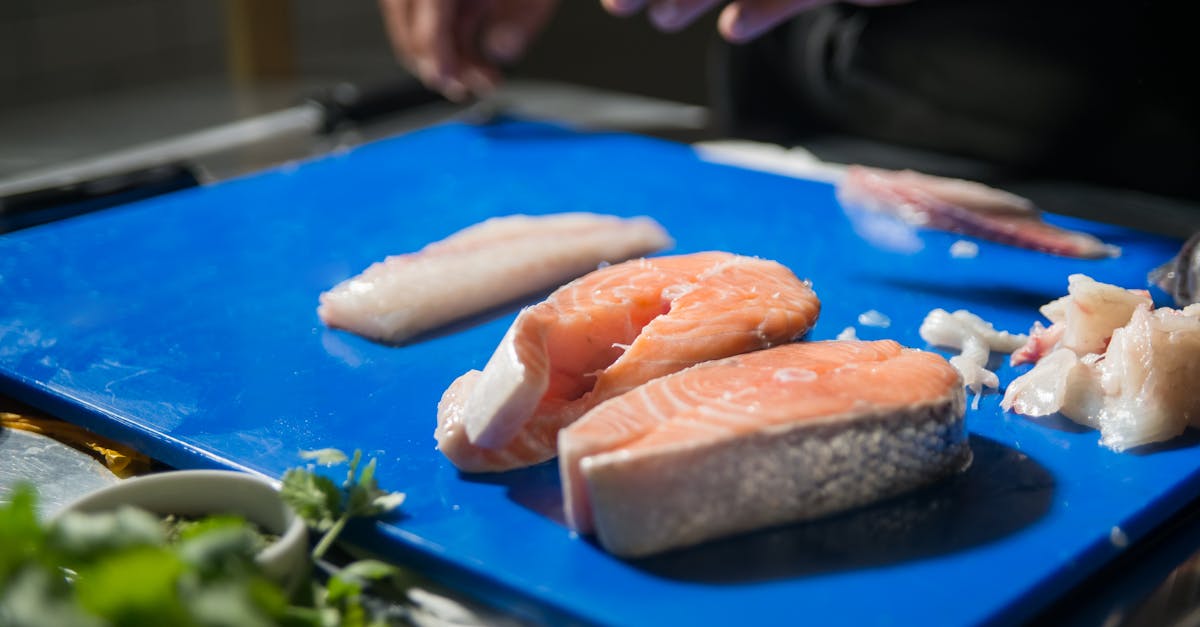
Astaxanthin sits in a rare category of supplements: it has enough human clinical trial data to make serious researchers pay attention, yet it remains widely misunderstood in terms of dosing, timing, and who actually benefits from it. A pink-red carotenoid produced primarily by the microalgae Haematococcus pluvialis, astaxanthin is what gives salmon, shrimp, and flamingos their characteristic color — and in concentrated supplement form, it has demonstrated meaningful effects on oxidative stress, inflammation, exercise recovery, skin health, and even cognitive function.
But here's the nuance that most supplement content glosses over: astaxanthin is a highly fat-soluble compound, which means when and what you eat alongside it dramatically affects how much your body actually absorbs. This article breaks down the clinical evidence, the optimal timing window, realistic dose ranges, and how a personalized supplement approach can help you actually capture the benefits this ingredient is capable of delivering.
What Clinical Trials Say About Astaxanthin's Benefits
Before addressing the timing question, it's worth establishing what astaxanthin is documented to do at clinically studied doses — because the evidence base is more robust than most people realize.
Oxidative stress and inflammation: A 2010 randomized controlled trial (n=30) found that 8 weeks of astaxanthin supplementation (8 mg/day) significantly reduced serum malondialdehyde (a lipid peroxidation marker) and C-reactive protein while increasing superoxide dismutase activity (Choi et al., Phytotherapy Research 2011; PMID: 21157871). These findings align with astaxanthin's well-characterized mechanism: it quenches singlet oxygen and neutralizes free radicals across both the lipid membrane and aqueous cellular compartments — a dual-phase capacity most antioxidants lack.
Exercise recovery: A 12-week study involving trained cyclists found that 4 mg/day of astaxanthin reduced exercise-induced oxidative damage and improved time-trial performance (Earnest et al., International Journal of Sports Medicine 2011; PMID: 21563015). The antioxidant load from intense training depletes endogenous defenses rapidly, and astaxanthin's lipophilic nature makes it particularly effective at protecting muscle cell membranes from peroxidative damage.
Skin health: A placebo-controlled trial demonstrated that 6 mg/day of astaxanthin over 8 weeks improved skin elasticity, moisture retention, and reduced crow's feet wrinkles in middle-aged women (Tominaga et al., Acta Biochimica Polonica 2012; PMID: 22428137). The mechanism here involves UV-induced oxidative stress reduction and suppression of matrix metalloproteinases that degrade collagen.
Cognitive and eye health: Astaxanthin readily crosses the blood-brain barrier and accumulates in retinal tissue — properties that distinguish it from beta-carotene and lutein. A randomized crossover trial (n=96) found that 6–12 mg/day for 12 weeks significantly improved Saccade testing scores and reduced mental fatigue in healthy adults (Hongo et al., Journal of Clinical Biochemistry and Nutrition 2016; PMID: 27616896).
| Benefit Area | Studied Dose | Duration | Key Finding |
|---|---|---|---|
| Oxidative stress / CRP | 8 mg/day | 8 weeks | Reduced MDA, CRP; increased SOD |
| Exercise recovery | 4 mg/day | 12 weeks | Reduced oxidative damage, improved performance |
| Skin elasticity & moisture | 6 mg/day | 8 weeks | Improved elasticity, moisture, reduced wrinkles |
| Cognitive / visual fatigue | 6–12 mg/day | 12 weeks | Reduced eye fatigue, improved mental performance |
When to Take Astaxanthin: The Fat-Absorption Window
Now to the critical timing question — and it's more science than preference.
Astaxanthin is a carotenoid, meaning it is lipid-soluble and requires dietary fat for intestinal absorption via chylomicron formation. Research on carotenoid bioavailability consistently shows that consuming fat-soluble nutrients with a fat-containing meal can increase absorption by 3- to 10-fold compared to fasted or low-fat intake (NIH Office of Dietary Supplements, Vitamin A fact sheet; Stahl & Sies, Molecular Nutrition & Food Research 2012; PMID: 21953093).
The practical implication: Take astaxanthin with your largest meal of the day — specifically a meal that contains at least 10–15 grams of dietary fat. Breakfast with eggs and avocado, lunch with olive oil dressing, or dinner with salmon or a fatty protein are all ideal contexts. Taking astaxanthin on an empty stomach or with a fat-free meal meaningfully reduces the amount that reaches systemic circulation.
Morning vs. evening: There is no strong clinical evidence favoring morning over evening from a pharmacokinetic standpoint — what matters is the fat content of the co-ingested meal. That said, if your primary goals are exercise performance, cognitive clarity, or skin photoprotection, taking astaxanthin in the morning (with breakfast) means it will be circulating during peak activity hours and sun exposure windows. For recovery-focused goals, evening dosing with dinner is equally valid.
Consistency matters more than perfect timing: Astaxanthin accumulates in lipid-rich tissues over weeks. A 2019 pharmacokinetic study found that plasma astaxanthin concentrations plateau after approximately 4–5 weeks of daily supplementation, making consistency of daily intake more predictive of outcomes than any single day's timing (NIH ODS; Fassett & Coombes, Marine Drugs 2011; PMID: 21747749).
Practical protocol:
- Take astaxanthin once daily with your fattiest meal (breakfast, lunch, or dinner).
- Ensure the meal contains at least one fat source: eggs, avocado, olive oil, nuts, or fatty fish.
- Maintain daily supplementation for a minimum of 8 weeks before evaluating effect.
- If stacking with other fat-soluble supplements — like vitamin D3 and K2 synergy compounds or CoQ10 — taking them together at the same fat-rich meal is efficient and may improve collective absorption.
When to Take Spirulina: A Related Antioxidant Strategy
Spiulina is frequently compared to or stacked alongside astaxanthin because both are derived from algae, both carry meaningful antioxidant and anti-inflammatory properties, and both appear in functional supplement formulas targeting inflammation, cardiovascular health, and metabolic markers.
Unlike astaxanthin, spirulina is water-soluble and does not require co-ingestion with fat. Its bioavailability is not significantly affected by meal timing in the same way. However, clinical research on spirulina timing suggests a few practical principles:
- Pre-workout use: A 2016 randomized trial (n=52) found that 8 weeks of spirulina supplementation (6 g/day) significantly reduced exercise-induced oxidative damage and fatigue in moderately trained men (Kalafati et al., Medicine & Science in Sports & Exercise 2010; PMID: 20386334). Taking spirulina 60–90 minutes before training may support this effect.
- Morning for metabolic support: Several trials examining spirulina's effects on lipid panels and fasting blood glucose used morning dosing, which aligns with circadian patterns in lipid metabolism.
- Dose range in trials: Most clinical trials use between 1–8 g/day; the cardiovascular and lipid-lowering effects appear more consistent at 4–8 g/day (NIH ODS, Dietary Supplement Fact Sheets).
For people already addressing oxidative load and inflammation through astaxanthin, adding spirulina at a clinically meaningful dose represents a complementary — not redundant — strategy, particularly given spirulina's distinct phycocyanin pigment content.
When to Take NMN: Circadian Timing and NAD+ Biology
NMN (nicotinamide mononucleotide) has become one of the most discussed longevity-adjacent compounds in supplement science, and the question of when to take NMN is genuinely important because NAD+ metabolism is deeply circadian.
NAD+ levels fluctuate across the day, with research demonstrating that SIRT1 — the primary NAD+-dependent deacetylase — follows a 24-hour oscillation linked to the molecular clock (Nakahata et al., Cell 2008; PMID: 19015916). Because NMN is a direct precursor that raises intracellular NAD+ concentrations, timing supplementation to align with the body's natural NAD+ utilization cycle is theoretically sound.
Morning dosing is supported by current evidence: A 2022 randomized, placebo-controlled trial (n=108) found that 250 mg/day of NMN taken in the morning significantly improved Timed Up-and-Go test performance, grip strength, and self-reported sleepiness scores in older adults over 12 weeks (Igarashi et al., NPJ Aging 2022; doi.org/10.1038/s41514-022-00078-9). The study used morning administration, which is now the most commonly recommended timing in the clinical literature.
Interestingly, NMN timing differs from astaxanthin in that it does not require fat co-ingestion — it is water-soluble and absorbed via the small intestinal NMN transporter Slc12a8. Taking it 30–60 minutes before or with breakfast appears to be a practical and well-supported approach.
For those exploring personalized longevity-focused supplement stacks, understanding the mechanistic distinctions between NMN, astaxanthin, and other antioxidant-adjacent compounds is critical for avoiding redundant investment and maximizing complementary coverage.
How Ones Addresses This: Building an Antioxidant Strategy Around Your Biology
Timing is only one variable in the astaxanthin equation. The other is whether the dose and the combination of ingredients in your formula actually match your biological need — which requires more than guesswork.
Ones uses an AI health practitioner model that analyzes your blood work, wearable data, and health history to build a custom capsule formula calibrated to your actual biomarkers. For oxidative stress, inflammation, and cellular energy support, several specific Ones ingredients are directly relevant:
CoQ10/Ubiquinol (200 mg): Coenzyme Q10 is another fat-soluble antioxidant that works synergistically with astaxanthin to protect mitochondrial membranes from oxidative damage. Ones includes ubiquinol — the reduced, more bioavailable form — at 200 mg, matching the dose range used in cardiovascular and fatigue-focused trials. If your wearable data shows poor exercise recovery or your labs show elevated inflammatory markers, this may be a priority ingredient in your formula. You can read more about CoQ10 dosing for cardiovascular health and how it layers with carotenoid antioxidants.
Omega-3 (EPA/DHA): Astaxanthin's absorption is directly enhanced by the presence of dietary fat — and omega-3 fatty acids serve dual duty here: they increase the fat-rich environment that supports astaxanthin uptake while contributing their own anti-inflammatory and cardiovascular effects. Ones includes pharmaceutical-grade omega-3 at clinically meaningful EPA/DHA ratios, informed by your lipid panel and cardiovascular risk markers. Understanding the omega-3 EPA DHA ratio guide helps clarify how these two ingredients work together.
Vitamin D3 + K2 (MK-7): Also fat-soluble, vitamin D3 is another ingredient that benefits from co-ingestion with fat — exactly the same meal-timing strategy that optimizes astaxanthin absorption. When these ingredients are included in the same formula and taken together with a fat-containing meal, the co-absorption efficiency compounds. Ones pairs D3 with MK-7 form of K2, matching the form used in arterial calcification and bone mineral density research.
Because Ones formulas come in 6, 9, or 12-capsule plans, your antioxidant strategy is never built in isolation — it's calibrated against your full health picture, your capsule budget, and your highest-priority systems, whether that's immune resilience, cardiovascular health, or recovery.
Key Takeaways
- Take astaxanthin with a fat-containing meal: Fat-soluble absorption makes meal timing critical — aim for at least 10–15 g of dietary fat at the same sitting to maximize bioavailability.
- Clinical doses range from 4–12 mg/day: Most human trials use 6–8 mg/day for oxidative stress, skin, and cognitive benefits; athletes may benefit from the higher end of this range.
- Consistency over 8 weeks matters most: Astaxanthin accumulates in lipid-rich tissues, and plasma levels plateau around 4–5 weeks — short-term supplementation is unlikely to produce measurable results.
- NMN and spirulina follow different timing rules: NMN is best taken in the morning due to NAD+ circadian biology; spirulina is water-soluble and flexible, though pre-workout or morning timing is most studied.
- Fat-soluble antioxidants stack well together: Astaxanthin, CoQ10/ubiquinol, omega-3, and vitamin D3+K2 all benefit from fat co-ingestion, making a single fat-rich meal an efficient delivery window for multiple ingredients.
- Personalized dosing based on labs and goals outperforms generic formulas: Platforms like Ones analyze your blood work and wearable data to determine whether antioxidant support, recovery, cardiovascular protection, or other systems are your actual priority — so you're not guessing.
This article is for informational purposes only and does not constitute medical advice. Consult a qualified healthcare provider before starting any new supplement regimen, particularly if you have a diagnosed health condition or take prescription medications.