Supplements
Betaine HCl Supplement: Who Actually Benefits — and Who Should Skip It
Millions of people take antacids for digestive discomfort when the real problem may be the opposite: too little stomach acid, not too much. A betaine HCl supplement can help restore gastric acidity, but taking it incorrectly — or by the wrong person — can cause real harm. Here's the evidence-based breakdown of who stands to benefit, who should avoid it, and how to dose it safely.
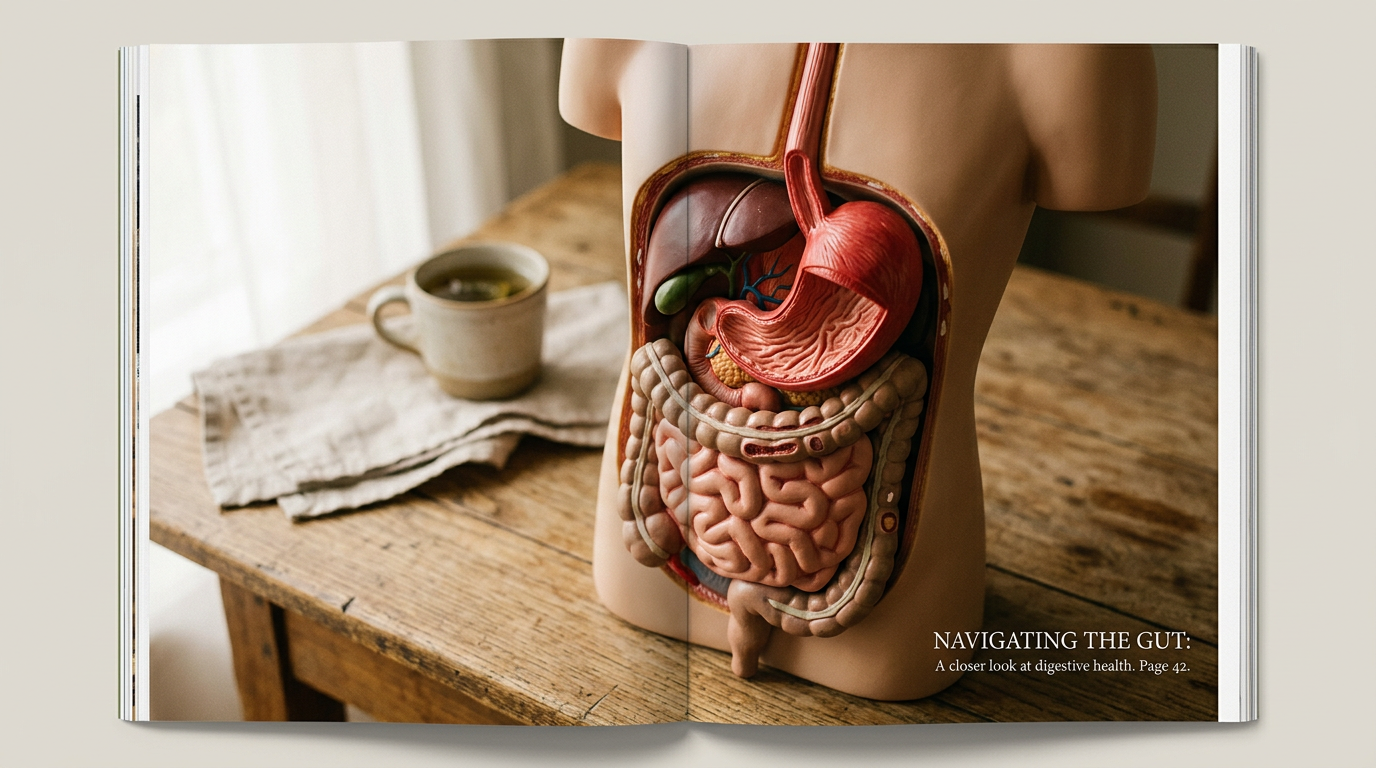
Betaine HCl Supplement: Who Actually Benefits — and Who Should Skip It
When your digestion feels off — bloating after protein-rich meals, a heavy sensation in your stomach, undigested food in your stool, or chronic nutritional deficiencies despite a solid diet — the instinct is often to reach for an antacid. But a growing body of gastroenterology research suggests that low stomach acid (hypochlorhydria) is far more common than excess acid, particularly in adults over 40, and that a betaine HCl supplement may be a more targeted intervention for this overlooked condition.
Betaine HCl is a stabilized form of hydrochloric acid derived from beet sugar. When taken with meals, it temporarily lowers gastric pH, supporting the activation of pepsin and the breakdown of proteins, fats, and micronutrients that depend on an acidic environment. But like any supplement that directly alters physiology, context matters enormously. This article reviews who the real candidates are, what the clinical evidence shows, how to dose it, and what the risks look like.
---
What Is Betaine HCl and How Does It Work?
Hydrochloric acid, secreted by the parietal cells of the stomach lining, is essential for multiple digestive functions. It converts inactive pepsinogen into pepsin (the enzyme that breaks down protein), creates an antimicrobial barrier against pathogens like H. pylori, facilitates the absorption of minerals like iron, zinc, and B12, and signals the pyloric sphincter to regulate gastric emptying.
When gastric acid production is insufficient — a state called hypochlorhydria — these processes break down. Proteins pass into the small intestine partially digested, triggering fermentation and bloating. Iron and B12 absorption drop. Opportunistic gut bacteria may overgrow.
Betaine HCl works by donating HCl in the stomach when a capsule is taken with food, temporarily restoring the acidic environment needed for these functions. Betaine (trimethylglycine) is used as the carrier molecule because it is stable at room temperature and well-tolerated by most gastrointestinal tissue.
For a deeper look at how nutrient absorption connects to systemic health, the connection between gut function and micronutrient status is worth understanding before starting any digestive protocol.
---
Betaine HCl Benefits: What the Evidence Actually Shows
The clinical evidence for betaine HCl is more nuanced than many supplement marketing claims suggest. Here is what peer-reviewed research does — and does not — support.
1. Restoring Gastric pH in Hypochlorhydria
A randomized crossover study published in Molecular Pharmaceutics (Yago et al., 2013; PMID: 24236052) directly tested betaine HCl in healthy volunteers who were rendered achlorhydric via omeprazole. A single 1,500 mg dose of betaine HCl lowered intragastric pH from above 5 to below 3 within 30 minutes — a clinically meaningful reduction that restored conditions suitable for pepsin activation and drug/nutrient absorption. This is the most direct mechanistic evidence in humans supporting betaine HCl's primary mechanism of action.
2. Improving Protein Digestion and Reducing Bloating
Hypochlorhydric patients commonly report symptoms of protein maldigestion: heaviness after meals, excessive gas, and bloating. While large-scale RCTs on betaine HCl for bloating specifically are limited, the mechanistic logic is well-supported. Protein digestion begins in the stomach with pepsin, which requires a pH below 4 for activation (NIH National Institute of Diabetes and Digestive and Kidney Diseases). By restoring this environment, betaine HCl theoretically reduces the undigested protein load that reaches the colon.
3. Supporting Micronutrient Absorption
Gastric acid is essential for the absorption of non-heme iron, vitamin B12, calcium, magnesium, and zinc. Studies have consistently shown that proton pump inhibitor (PPI) use — which suppresses acid — is associated with B12 deficiency (Lam et al., PLOS ONE, 2013; PMID: 23840887) and reduced magnesium levels (Danziger et al., PLOS ONE, 2013; PMID: 23844106). While these studies document the downstream effect of acid suppression, they provide indirect but compelling evidence that restoring gastric acid (as betaine HCl does) could support these same micronutrient pathways.
4. Adjunct Support in SIBO and Dysbiosis
Small intestinal bacterial overgrowth (SIBO) has been linked to hypochlorhydria because reduced gastric acid allows oral and colonic bacteria to colonize the small intestine. A 2020 review in Nutrients noted that gastric acid serves as a critical antimicrobial barrier (Bik, Nutrients, 2020). Betaine HCl is sometimes used as part of integrative SIBO protocols, though it is not a standalone treatment and should be combined with practitioner guidance.
If you're also exploring how to support your gut environment more broadly, understanding digestive enzyme supplementation and when it works can complement a betaine HCl protocol.
---
Who Are the Real Candidates?
Not everyone with digestive symptoms has low stomach acid, and not everyone with low stomach acid will respond to betaine HCl supplementation. The most likely candidates include:
- Adults over 50: Gastric acid production naturally declines with age. A classic study by Krasinski et al. found a measurable decline in gastric acid secretion in aging adults (PMID: 2543787).
- Long-term PPI or H2 blocker users who experience rebound symptoms or ongoing nutrient deficiencies
- People with diagnosed hypochlorhydria confirmed via Heidelberg pH testing or a bicarbonate challenge test
- Individuals with persistent iron, B12, or zinc deficiencies despite adequate dietary intake
- Those with a history of H. pylori eradication where parietal cell function may be impaired
- People reporting protein-specific bloating — heaviness and gas specifically after meat or high-protein meals rather than after carbohydrate-rich foods
---
Betaine HCl Side Effects: The Risks You Need to Know
Betaine HCl is not a benign supplement. Because it directly acidifies the stomach, it carries meaningful risks that vary by individual.
Gastrointestinal Burning or Warmth
The most common side effect is a burning sensation in the chest or upper abdomen, which typically indicates an adequate stomach acid level — meaning supplemental HCl is unnecessary at that dose. This is actually used as a dose-titration signal in clinical practice (described further below).
Esophageal and Gastric Irritation
In individuals with esophageal reflux, hiatal hernia, Barrett's esophagus, or active gastric or duodenal ulcers, betaine HCl can significantly worsen mucosal damage. This is one of the clearest contraindications in the literature.
Drug Interactions
Betaine HCl can alter the absorption of pH-sensitive medications, including:
- NSAIDs and aspirin: Increased gastric acid can accelerate GI mucosal irritation
- Antifungals (e.g., itraconazole): Absorption is pH-dependent
- Thyroid medications: Stomach acidity affects levothyroxine uptake
Always consult a healthcare provider if you are taking prescription medications before starting a betaine HCl supplement.
Who Should Avoid It Entirely
| Condition | Reason to Avoid |
|---|---|
| Active peptic ulcer | Increased acid worsens mucosal damage |
| GERD or acid reflux | Exacerbates symptoms |
| Barrett's esophagus | Acid exposure accelerates cellular changes |
| NSAID or corticosteroid use | Combined GI irritation risk |
| Confirmed normal or high gastric acid | No benefit, real harm risk |
| Pregnancy | Insufficient safety data |
---
Betaine HCl Dosage: The Clinical Titration Protocol
Betaine HCl is not a one-size-fits-all supplement. Dosing should be individualized using a titration approach, which is the method most commonly recommended by integrative and functional medicine practitioners.
Standard Titration Protocol
- Start with 650 mg (one capsule) taken at the beginning of a protein-containing meal (minimum 15–20g protein)
- Monitor for warmth or burning in the stomach or chest within 20–30 minutes
- If no discomfort is felt, increase by one capsule (650 mg) at the next protein meal
- Continue increasing by one capsule per meal on subsequent days until you experience mild warmth or discomfort
- Drop back one capsule — this is your maintenance dose
- Over weeks or months, you may find that a lower dose produces warmth, indicating improving gastric function — reduce accordingly
Dosing Reference Table
| Dose Level | Amount | Typical Use Case |
|---|---|---|
| Low | 325–650 mg | Mild hypochlorhydria, first-time users |
| Moderate | 650–1,300 mg | Moderate protein meals, confirmed low acid |
| High | 1,500–2,500 mg | Severe hypochlorhydria under practitioner supervision |
| Achlorhydria (research) | 1,500 mg | Used in Yago et al. 2013 trial ([PMID: 24236052](https://pubmed.ncbi.nlm.nih.gov/24236052/)) |
Important: Betaine HCl should always be taken with meals containing protein. Taking it on an empty stomach or with a low-protein meal significantly increases the risk of gastric irritation.
Pepsin is often co-formulated with betaine HCl. Look for products that include at least 50–100mg of pepsin per capsule, as the two work synergistically for protein breakdown.
---
Is Betaine HCl Safe for Long-Term Use?
Long-term safety data on betaine HCl supplementation specifically is limited. However, the compound has a well-characterized safety profile based on its mechanism and decades of clinical use in functional medicine. Key considerations:
- Short-term use (up to 12 weeks) appears safe in healthy adults without contraindications based on available clinical data
- Long-term dependency is a theoretical concern — if exogenous acid is provided regularly, there is a question of whether parietal cell function adapts. This has not been well-studied in humans
- Regular reassessment is recommended every 3 months to determine if dose reduction is warranted
- Underlying causes of hypochlorhydria (autoimmune gastritis, H. pylori, zinc deficiency, chronic stress) should be addressed rather than supplemented around indefinitely
Zinc is a cofactor in gastric acid production — zinc deficiency impairs parietal cell function. If hypochlorhydria is related to inadequate zinc status, addressing the root cause through supplementation may be more effective long-term than betaine HCl alone. You can review the clinical evidence for zinc in digestive and immune health for more on this relationship.
---
Betaine HCl vs. Digestive Enzymes: Which Do You Need?
| Feature | Betaine HCl | Digestive Enzymes |
|---|---|---|
| Primary mechanism | Lowers gastric pH | Catalyzes substrate breakdown |
| Best for | Protein maldigestion, low acid | Fat, carb, or general maldigestion |
| Works in | Stomach | Stomach + small intestine |
| Requires protein meal | Yes | No (works with any meal) |
| Contraindicated in GERD | Yes | No |
| Evidence quality | Moderate (mechanistic + small RCTs) | Moderate (stronger for fat malabsorption) |
These two categories of digestive support are often complementary rather than interchangeable. Betaine HCl addresses the upstream acidification step; enzymes work downstream on specific substrates.
---
What This Means for Your Formula
At Ones, every custom capsule formula is built from an analysis of your blood work, wearable data, and health history — which means digestive support recommendations are grounded in actual biomarker data, not self-diagnosis. Here are three specific areas where Ones' ingredient catalog intersects with the hypochlorhydria picture:
1. Zinc (Zinc Glycinate or Zinc Picolinate, 15–30 mg)
Zinc is a direct cofactor in HCl production by parietal cells. If your labs show low serum zinc or alkaline phosphatase (an indirect zinc marker), Ones may include zinc in your formula at clinically validated doses. A Cochrane-cited review supports zinc's role in maintaining gastric mucosal integrity and acid secretion capacity.
2. Magnesium Glycinate (from Ones' Magnesium Complex)
Long-term PPI use and low gastric acid are both associated with hypomagnesemia (Danziger et al., PLOS ONE, 2013; PMID: 23844106). Ones' Magnesium Complex provides magnesium glycinate — the form with the best GI tolerability and bioavailability — at doses calibrated to your lab results.
3. Vitamin B12 (Methylcobalamin)
Gastric acid is essential for B12 liberation from food-bound proteins. If your labs show serum B12 at the low end of the reference range (below 400 pg/mL is considered suboptimal by many integrative practitioners), Ones can include methylcobalamin at effective oral replacement doses. This is especially relevant for vegans, vegetarians, adults over 50, and anyone with a history of acid suppressor use.
For users who are also managing thyroid function alongside digestive concerns, the relationship between thyroid health and nutrient absorption is a useful parallel read — Ones' Thyroid Support blend addresses several overlapping micronutrient pathways.
---
Key Takeaways
- Betaine HCl supplements work by temporarily lowering stomach pH, supporting pepsin activation and micronutrient absorption — most relevant for people with confirmed or suspected hypochlorhydria
- The best candidates are adults over 50, long-term PPI users, and individuals with protein-specific bloating or persistent iron, B12, or zinc deficiencies despite adequate diet
- Titration is essential: start at 650 mg per protein-containing meal and increase by one capsule until mild warmth appears, then drop back one dose
- Contraindications are real: anyone with active ulcers, GERD, Barrett's esophagus, or who is taking NSAIDs should avoid betaine HCl entirely without practitioner guidance
- Betaine HCl is not a treatment for excess acid — if your symptoms are driven by reflux or high acid, it will make things significantly worse
- Root causes matter: zinc deficiency, chronic stress, autoimmune gastritis, and H. pylori infection can all reduce gastric acid — a personalized formula from Ones that addresses underlying micronutrient gaps (zinc, B12, magnesium) may complement or even reduce the need for betaine HCl over time