Women's Health
Should Women Get DHEA-S Tested?
Most women have never heard of DHEA-S, yet this single lab marker touches everything from energy and libido to bone density and mood. Declining DHEA-S levels after age 30 are well-documented — but knowing whether your levels are actually low, and what to do about it, requires more than a standard panel.
Should Women Get DHEA-S Tested?
Yes, for most women over 30 — especially those experiencing unexplained fatigue, low libido, mood changes, or declining bone density. DHEA-S is one of the most informative hormonal markers available, and it falls significantly with age. The main caveat: treatment decisions require clinical context, because mildly low levels don't always warrant intervention. Women with adrenal or ovarian conditions are the clearest exceptions who need this test urgently.
What Is DHEA-S and Why Does It Matter for Women?
Dehydroepiandrosterone sulfate (DHEA-S) is the sulfated, storage form of DHEA — the most abundantly produced adrenal steroid in the human body. Unlike DHEA, which fluctuates throughout the day, DHEA-S is stable in the bloodstream, making it the preferred clinical marker when assessing adrenal androgen output.
In women, DHEA-S serves as a precursor to both estrogens and androgens. It peaks in your mid-20s and then declines by roughly 2–3% per year — a process called adrenopause — so that by age 70, circulating DHEA-S is only 10–20% of its youthful peak (Labrie et al., Journal of Steroid Biochemistry and Molecular Biology 2010; PMID: 20417275). This trajectory is clinically significant because DHEA-S supports:
- Bone mineral density — acts as a substrate for estrogen synthesis in osteoblasts
- Libido and sexual function — contributes to androgen tone in genital tissues
- Mood and cognitive performance — modulates GABA and NMDA receptor activity in the brain
- Immune regulation — has documented anti-inflammatory effects in aging populations
- Muscle mass and metabolic rate — precursor to anabolic hormones that resist sarcopenia
For women, low DHEA-S is particularly consequential after menopause, when ovarian estrogen production drops sharply and adrenal androgen precursors become a primary source of residual sex hormone.
Who Should Get DHEA-S Tested?
Not every woman needs this test at every annual physical — but the following situations make it a high-value addition to a panel:
| Clinical Situation | Why DHEA-S Is Relevant |
|---|---|
| Unexplained fatigue or low energy | May indicate adrenal insufficiency or sub-optimal adrenal output |
| Low libido with normal estradiol | Androgen insufficiency may be the driver |
| Bone density concerns | Low DHEA-S accelerates bone loss post-menopause |
| Irregular periods or PCOS suspicion | Elevated DHEA-S can point to adrenal androgen excess |
| Perimenopause or menopause | Adrenal androgens become primary hormone source |
| Autoimmune conditions | DHEA-S has immunomodulatory properties; often low in lupus |
| Chronic stress or burnout | HPA-axis dysregulation suppresses adrenal output |
If you are exploring other hormonal markers alongside DHEA-S, understanding whether to test estradiol and LH gives a fuller picture of the hypothalamic-pituitary-adrenal and ovarian axis together.
What Do DHEA-S Lab Results Actually Mean?
DHEA-S is reported in µg/dL (or µmol/L depending on the lab). Reference ranges vary substantially by age, so always compare your result to the age-matched range, not the population-wide range.
Approximate reference ranges for women (µg/dL):
| Age | Low End | Mid-Range | High End |
|---|---|---|---|
| 20–29 | 65 | 180 | 380 |
| 30–39 | 45 | 150 | 300 |
| 40–49 | 32 | 115 | 240 |
| 50–59 | 26 | 85 | 190 |
| 60–69 | 13 | 65 | 150 |
| 70+ | 10 | 40 | 120 |
Low DHEA-S (below the lower quartile for your age) is associated with accelerated bone loss, reduced sexual function, and greater inflammatory burden in observational studies (Cappola et al., Journal of Clinical Endocrinology & Metabolism 2007; PMID: 17299069).
High DHEA-S can indicate adrenal hyperplasia, Cushing's syndrome, or polycystic ovary syndrome (PCOS). Women with PCOS commonly show DHEA-S values in the upper third or above range, alongside elevated androgens like testosterone. If DHEA-S is elevated unexpectedly, cortisol should also be investigated — testing cortisol adds important context about HPA-axis function.
How Is DHEA-S Tested and When Should You Do It?
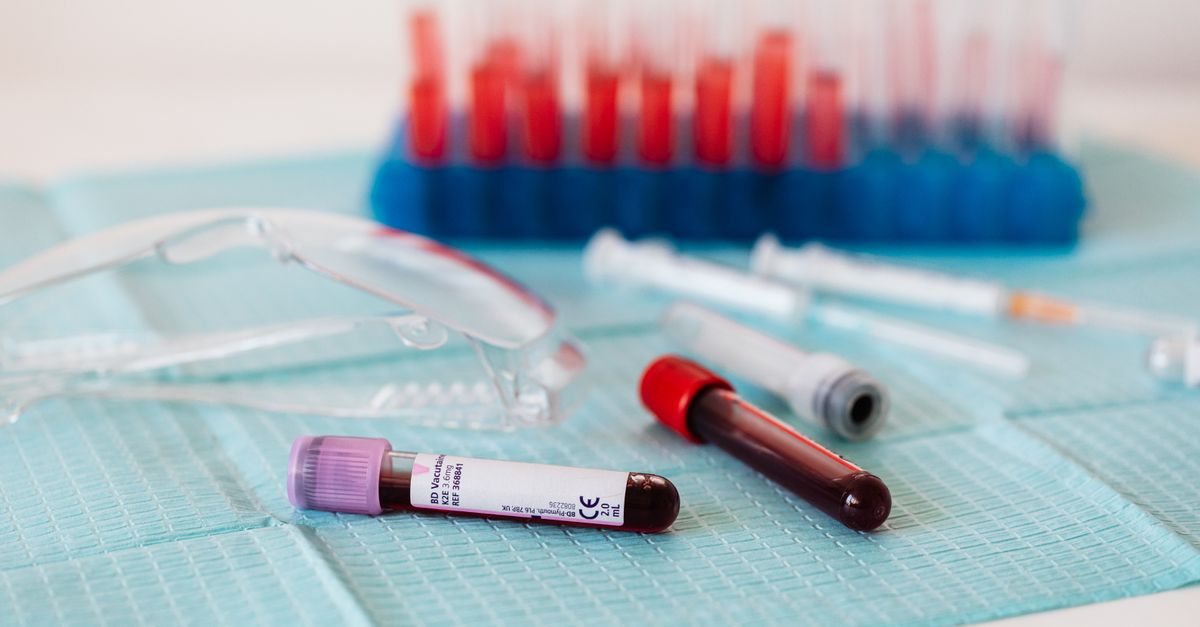
DHEA-S is a serum blood test, ordered as part of a hormonal panel or standalone. Because DHEA-S is stable (unlike DHEA itself), it does not need to be drawn at a specific time of day — morning is conventional but not mandatory.
Practical testing notes:
- Fasting is not required, but some labs prefer it for consistency
- Avoid biotin supplementation for 48–72 hours before testing (biotin interferes with immunoassay accuracy)
- Acute illness or corticosteroid use can transiently suppress DHEA-S
- If results are borderline, retest after resolving any acute stressor
For women using hormonal contraceptives: oral contraceptives suppress DHEA-S by increasing SHBG and reducing adrenal androgen output. Results on the pill will read lower than your true baseline — if clinical decisions hinge on the number, consider testing before starting or after a wash-out period.
What Happens If DHEA-S Is Low — Can Supplements Help?
This is where the evidence becomes nuanced. Over-the-counter DHEA supplements exist, but they carry real risks — particularly for women, because DHEA can convert to testosterone, causing acne, hair thinning, and voice changes at unmonitored doses.
What the research says about supplemental DHEA in women:
- A randomized placebo-controlled trial in postmenopausal women found that DHEA supplementation at 25–50 mg/day improved sexual function scores and vaginal dryness without significant androgenic side effects over 12 weeks (Labrie et al., Menopause 2009; PMID: 19543060).
- The DHEA and Well-Being (DAWN) trial found improvements in well-being and sexual function in women aged 60–79 at 50 mg/day, though effects on mood were more modest (Nair et al., NEJM 2006; PMID: 16870915).
- Bone data is mixed — DHEA did not significantly improve BMD in several trials, possibly because the conversion to estradiol varies widely between individuals based on enzyme activity (Jankowski et al., Journals of Gerontology 2011; PMID: 21051561).
Unsupervised supplementation is not recommended. If DHEA-S is confirmed low on repeat testing, the right step is working with a clinician to determine whether prescription DHEA (available in some countries) or lifestyle interventions targeting adrenal health are appropriate.
Lifestyle Factors That Support Healthy DHEA-S Levels
Before reaching for any supplement, the following evidence-based behaviors demonstrably support adrenal androgen output:
- Resistance training — Progressive overload resistance exercise is one of the most consistent lifestyle determinants of DHEA-S in women across age groups. Even 12 weeks of strength training improves adrenal androgen markers in postmenopausal women.
- Stress reduction — Chronic cortisol elevation suppresses DHEA-S through competitive HPA signaling. Mindfulness-based stress reduction programs improve DHEA-S:cortisol ratio in older adults.
- Sleep quality — DHEA-S synthesis is partly pulse-dependent during sleep. Chronic sleep restriction lowers adrenal androgen output.
- Caloric adequacy — Very low-calorie diets suppress adrenal androgen production. Adequate protein (≥1.2 g/kg body weight) supports the substrate availability for steroidogenesis.
- Avoiding over-training — Paradoxically, excessive endurance training without recovery depresses DHEA-S, particularly in female athletes.
If chronic stress is a suspected driver, testing cortisol alongside DHEA-S gives the clearest picture of HPA-axis balance. Similarly, since low bone density often co-exists with adrenal insufficiency, bone density screening is worth discussing with your provider if DHEA-S is consistently below range.
What This Means for Your Formula
Ones is an AI health practitioner that analyzes blood work, wearable data, and health history to build personalized capsule formulas — so if your DHEA-S comes back low and your clinical picture includes adrenal stress, fatigue, or HPA dysregulation, the formula would draw from ingredients that support the adrenal axis rather than any one-size-fits-all stack.
Relevant Ones ingredients for women with DHEA-S-related concerns:
- Ashwagandha (KSM-66, 600 mg): KSM-66 is the most clinically studied adaptogen for HPA-axis regulation. An 8-week randomized trial in chronically stressed adults found KSM-66 significantly reduced serum cortisol and improved stress scores, which may indirectly support DHEA-S:cortisol ratio (Chandrasekhar et al., Indian Journal of Psychological Medicine 2012; PMID: 23439798). Ones sources KSM-66 at the full 600 mg dose used in trials.
- Adrenal Support (System Blend): Ones includes a proprietary Adrenal Support blend formulated around evidence-based botanicals and nutrients that modulate the stress-cortisol cascade — directly relevant to women whose low DHEA-S reflects adrenal burden rather than primary adrenal insufficiency.
- Vitamin D3 + K2 (MK-7): Low vitamin D is associated with impaired steroidogenesis in adrenal tissue. Correcting vitamin D insufficiency is a logical first step for women whose DHEA-S and adrenal markers are both low.
Because Ones analyzes your actual blood work, a confirmed low DHEA-S would directly inform whether the Adrenal Support blend, specific adaptogens, or micronutrient correction is the right lever for your formula — not a default set of ingredients.
For broader hormonal context, it is worth noting that DHEA-S doesn't exist in a vacuum. Homocysteine can rise when adrenal function is impaired; understanding whether homocysteine testing matters for you is another layer of the same picture.
Key Takeaways
- DHEA-S is the most stable marker of adrenal androgen output, making it the preferred test over DHEA itself — it doesn't require a timed draw and reflects your true adrenal baseline.
- Most women experience a 2–3% annual decline in DHEA-S starting in their late 20s. By menopause, levels are roughly half their peak, making it clinically important as ovarian estrogen falls.
- Low DHEA-S is associated with reduced bone density, low libido, fatigue, and mood changes, but causality requires clinical interpretation — a single low value is not automatically a treatment trigger.
- High DHEA-S in women can indicate PCOS or adrenal hyperplasia and warrants follow-up testing including cortisol and total testosterone.
- OTC DHEA supplements carry real risks for women — androgenic side effects are possible without dose monitoring. Work with a provider before supplementing.
- Lifestyle interventions — resistance training, stress management, and sleep — are first-line strategies for supporting healthy DHEA-S, and they address root causes rather than papering over a number.