Supplements
Curcumin and Piperine: Bioavailability, Inflammation, and Brain Health
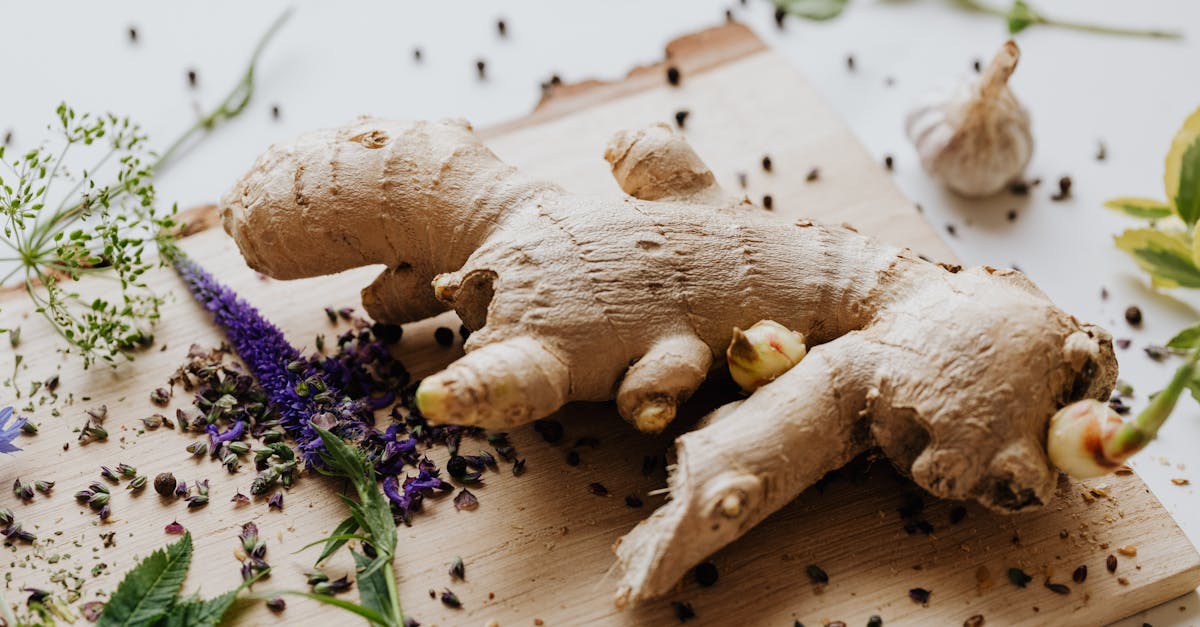
Turmeric has been used medicinally for over 4,000 years, yet most curcumin supplements deliver less than 1% of their dose into the bloodstream. The difference between a wasted capsule and a clinically effective one comes down to formulation — specifically, whether curcumin is paired with piperine, the black pepper extract that can amplify absorption by up to 2,000%. Here's what the science actually shows about curcumin, bioavailability, inflammation, and brain health.
Why Most Curcumin Supplements Fail Before They Start
Curcumin is the primary bioactive polyphenol in turmeric (Curcuma longa), and the research behind it is genuinely compelling. Hundreds of randomized controlled trials have examined its effects on inflammation, oxidative stress, joint pain, metabolic health, and cognitive function. Yet for decades, early human trials were disappointing — not because curcumin doesn't work, but because it barely made it into the bloodstream at all.
Standard curcumin powder is poorly absorbed from the gastrointestinal tract, rapidly metabolized, and quickly eliminated. A landmark pharmacokinetic study found that even oral doses of up to 8 grams of curcumin produced negligible serum levels in healthy humans (Sharma et al., Journal of Clinical Oncology 2004; PMID: 15051756). This is what researchers call "poor oral bioavailability" — and it's the defining challenge of curcumin supplementation.
Solving this problem requires a delivery strategy. The most studied and widely used solution? Piperine — the alkaloid found in black pepper (Piper nigrum) — which inhibits the intestinal and hepatic enzymes responsible for breaking curcumin down before it reaches systemic circulation.
Curcumin Bioavailability: The Piperine Breakthrough
The foundational research on curcumin and piperine co-administration was published in 1998. Shoba et al. conducted a randomized crossover study in healthy human volunteers showing that 20 mg of piperine administered alongside 2 grams of curcumin increased curcumin bioavailability by 2,000% compared to curcumin alone — a 20-fold increase — without significant adverse effects (Shoba et al., Planta Medica 1998; PMID: 9619120). This study reshaped how the supplement industry approached curcumin formulation.
The mechanism is twofold. First, piperine inhibits UDP-glucuronosyltransferases and sulfotransferases in the intestinal wall, slowing the first-pass conjugation that would otherwise deactivate curcumin. Second, it inhibits P-glycoprotein, a drug efflux pump that actively transports curcumin back into the gut lumen. Together, these actions allow substantially more intact curcumin to cross into portal circulation.
Modern formulation science has since developed additional delivery approaches:
| Formulation Type | Bioavailability Enhancement | Notes |
|---|---|---|
| Standard curcumin powder | Baseline (1x) | Poor absorption without co-factors |
| Curcumin + piperine (BioPerine) | ~20x | Most cost-effective; well-studied |
| Phytosome (Meriva) | ~29x | Phosphatidylcholine complex |
| Nanoparticle / nanoformulation | Variable (up to 40x) | Emerging; less long-term data |
| Lipid-based (e.g., Longvida) | ~65x | Optimized for CNS delivery |
For most people using a daily curcumin supplement, piperine co-formulation remains the best-validated, most accessible option — and the one with the most robust human trial data behind it. When exploring anti-inflammatory supplement strategies, bioavailability is always the first variable to address.
Turmeric Anti-Inflammatory Mechanisms: What the Research Shows
Curcumin's anti-inflammatory activity is not a single-pathway effect — it's a multi-target intervention that acts on several of the same molecular nodes as pharmaceutical anti-inflammatory drugs, but through different mechanisms.
Key molecular targets:
- NF-κB inhibition: Curcumin suppresses nuclear factor kappa B, a master transcription factor that drives expression of pro-inflammatory cytokines including TNF-α, IL-1β, and IL-6 (Aggarwal & Harikumar, The International Journal of Biochemistry & Cell Biology 2009; PMID: 18662800)
- COX-2 and LOX inhibition: Like NSAIDs, curcumin downregulates cyclooxygenase-2 and 5-lipoxygenase, reducing prostaglandin and leukotriene synthesis
- NLRP3 inflammasome suppression: Emerging research suggests curcumin can modulate the NLRP3 inflammasome, relevant to metabolic and neuroinflammatory conditions (Yin et al., Frontiers in Pharmacology 2021; doi.org/10.3389/fphar.2021.693912)
- Antioxidant gene induction: Via Nrf2 pathway activation, curcumin upregulates endogenous antioxidant enzymes including heme oxygenase-1 (HO-1) and superoxide dismutase
A 2016 systematic review and meta-analysis of randomized trials found that curcumin supplementation produced statistically significant reductions in circulating CRP (C-reactive protein) and IL-6, two of the most clinically used markers of systemic inflammation (Sahebkar et al., Seminars in Arthritis and Rheumatism 2016; PMID: 26679065). The effect was most pronounced in studies using bioavailability-enhanced formulations — reinforcing why the delivery matrix matters.
For individuals tracking hsCRP or inflammatory cytokines through lab work, curcumin is one of the few supplement ingredients with enough trial data to project meaningful reductions at clinically relevant doses.
Curcumin vs. Ibuprofen: What the Head-to-Head Evidence Shows
One of the most frequently cited direct comparisons in curcumin research involves knee osteoarthritis — a condition where NSAIDs like ibuprofen are a first-line but not risk-free option. A randomized controlled trial published in the Journal of Alternative and Complementary Medicine compared curcumin extract (1,500 mg/day in three divided doses) to ibuprofen (1,200 mg/day) in 109 patients with primary knee osteoarthritis over four weeks. Both groups experienced significant reductions in WOMAC pain and functional scores, with curcumin showing non-inferior efficacy and fewer gastrointestinal side effects (Kuptniratsaikul et al., Journal of Alternative and Complementary Medicine 2014; PMID: 24571547).
A second RCT from the same research group in 2015 replicated these findings in 367 patients, again demonstrating that curcumin extract was comparable to ibuprofen for knee pain relief with a significantly better GI tolerability profile (Kuptniratsaikul et al., Clinical Interventions in Aging 2014; PMID: 25278008).
It's important to contextualize these findings: curcumin is not a replacement for ibuprofen in acute injury or severe inflammatory flares, and it should not be used to self-treat diagnosed conditions without medical supervision. However, for chronic low-grade joint inflammation, where long-term NSAID use carries real cardiovascular and gastrointestinal risks, bioavailable curcumin represents a meaningful evidence-based option.
Curcumin vs. Ibuprofen Summary:
| Parameter | Curcumin (1,500 mg/day) | Ibuprofen (1,200 mg/day) |
|---|---|---|
| Pain reduction (WOMAC) | Comparable | Comparable |
| GI side effects | Lower | Higher |
| Mechanism | NF-κB, COX-2, Nrf2 | COX-1/2 inhibition |
| Long-term safety profile | Favorable | GI/CV risk with chronic use |
| Onset of action | Slower (days–weeks) | Faster (hours) |
Understanding where curcumin fits relative to conventional anti-inflammatories is important context for anyone evaluating omega-3 and anti-inflammatory supplement protocols as part of a broader approach to inflammation management.
Curcumin and Brain Health: Neuroinflammation, BDNF, and Mood
Curcumin's effects on the brain have become one of the most active research areas in the field. Three mechanisms are particularly well-documented:
1. Neuroinflammation and Microglial Activation
Chronic low-grade neuroinflammation is increasingly recognized as a driver of cognitive decline, depression, and neurodegenerative conditions. Curcumin's ability to cross the blood-brain barrier — especially with lipid-based delivery systems — positions it as a candidate for modulating microglial activation and reducing CNS inflammatory cytokine production. Preclinical data are robust; human data are growing.
2. BDNF Upregulation
Brain-derived neurotrophic factor (BDNF) plays a central role in neuroplasticity, learning, and mood regulation. Reduced BDNF is associated with depression and age-related cognitive decline. A randomized, double-blind, placebo-controlled trial in 60 healthy adults aged 60–85 found that bioavailable curcumin (Longvida, 80 mg/day) significantly improved working memory and attention over 4 weeks and was associated with increased plasma BDNF (Cox et al., Journal of Psychopharmacology 2015; PMID: 25277322).
3. Amyloid and Tau Pathology
Curcumin has demonstrated in vitro and preclinical activity against amyloid-beta aggregation and tau phosphorylation — hallmarks of Alzheimer's pathology. A UCLA pilot trial in adults with memory complaints found that Longvida curcumin at 90 mg/day over 18 months was associated with significantly improved memory scores and reduced amyloid and tau signals on PET imaging compared to placebo (Small et al., American Journal of Geriatric Psychiatry 2018; PMID: 29246725).
The brain health data reinforce the importance of delivery format: studies showing cognitive benefits have consistently used bioavailability-enhanced formulations. Plain curcumin powder at equivalent milligram doses has not demonstrated these CNS effects reliably. If you're exploring cognitive support through supplementation, the formulation detail is non-negotiable.
Curcumin Piperine Dosing: Practical Guidelines
For individuals using the curcumin-piperine combination specifically, clinical trials and pharmacokinetic studies support the following approach:
- Curcumin dose: 500–1,000 mg of standardized curcumin extract (typically 95% curcuminoids) per day for general anti-inflammatory and antioxidant support; up to 1,500 mg/day has been used in joint pain trials
- Piperine dose: 5–20 mg alongside the curcumin dose; 20 mg is the dose used in the Shoba 1998 bioavailability study
- Timing: With a meal containing fat — curcuminoids are lipophilic and co-ingestion with dietary fat further supports absorption
- Duration: Most RCTs demonstrating meaningful outcomes ran 4–12 weeks; chronic daily use appears safe at these doses based on available evidence
- Avoid with certain medications: Piperine is a CYP3A4 and P-gp inhibitor, meaning it can elevate blood levels of certain drugs including some statins, immunosuppressants, and chemotherapy agents. Consult your healthcare provider if you are on prescription medications.
Because curcumin's effects are cumulative rather than acute, consistency matters far more than timing precision. Pairing curcumin with magnesium glycinate for inflammation support has been an increasingly popular protocol in integrative medicine contexts, given magnesium's own role in NF-κB modulation.
What This Means for Your Formula
At Ones, curcumin formulation decisions are made the same way clinical practitioners approach them — by looking at the full picture. When a user's lab data, wearable inputs, or health history signals chronic inflammation (elevated hsCRP, joint discomfort, metabolic stress markers), the AI health practitioner can incorporate curcumin as a targeted component of a personalized capsule formula.
Specific ingredients relevant to this topic that may appear in a Ones formula include:
- Curcumin with piperine (BioPerine): Standardized curcuminoid extract paired with 5–20 mg piperine to match the bioavailability enhancement demonstrated in the Shoba et al. pharmacokinetic trial. The dose is calibrated within the 500–1,500 mg clinical range depending on the user's inflammation profile and capsule budget.
- Omega-3 (EPA/DHA): Synergistic anti-inflammatory activity via COX/LOX pathway modulation and resolvin/protectin synthesis. Clinical evidence supports combining EPA/DHA with curcumin for additive NF-κB suppression. Ones sources Omega-3 at clinically meaningful EPA + DHA combined doses.
- NAC (N-Acetyl Cysteine): A glutathione precursor with antioxidant and anti-inflammatory properties, supporting the Nrf2 pathway that curcumin also activates. NAC complements curcumin in users with oxidative stress markers or liver support needs — and is available within the Ones Liver Support System Blend.
Because Ones formulas come in 6, 9, or 12-capsule plans, the system can prioritize the most impactful ingredients for each user's specific biomarker profile — rather than defaulting to a fixed multi-ingredient stack. A user with joint inflammation and elevated CRP gets a different formulation emphasis than a user whose primary concern is cognitive performance, even if both formulas include curcumin.
For anyone interested in building a data-driven anti-inflammatory protocol, connecting lab results (particularly hsCRP, CBC, metabolic panel) to an AI-informed supplement formula is increasingly how precision nutrition is practiced — and it's the core function Ones was built to perform.
---
Key Takeaways
- Standard curcumin has poor bioavailability — less than 1% is absorbed systemically without a delivery enhancer; pairing with piperine (black pepper extract) increases absorption by up to 2,000% (Shoba et al., 1998; PMID: 9619120)
- Curcumin suppresses multiple inflammatory pathways simultaneously — NF-κB, COX-2, LOX, and NLRP3 — making it a broad-spectrum anti-inflammatory with a distinct mechanism from NSAIDs
- Head-to-head RCTs show curcumin is non-inferior to ibuprofen for knee osteoarthritis pain with better GI tolerability, though it is not a substitute for acute pain management
- Brain health benefits require bioavailability-enhanced formulations — Longvida and piperine-based preparations have shown working memory, BDNF, and amyloid-related benefits in human trials; plain powder has not
- Effective clinical dosing sits at 500–1,500 mg curcuminoids per day with 5–20 mg piperine, taken with a fat-containing meal; piperine may interact with certain prescription medications
- Ones personalizes curcumin dosing based on lab markers like hsCRP, pairing it with synergistic ingredients like Omega-3 and NAC within a capsule formula calibrated to your biomarker profile and health goals