Supplements
Turmeric Overdose: Who Actually Benefits — and Who Should Skip It
Turmeric is celebrated as one of nature's most powerful anti-inflammatory compounds, but more isn't always better — and for certain people, excess curcumin can trigger nausea, gallbladder crises, or dangerous drug interactions. Understanding exactly where the therapeutic window lies, and whether you're a candidate for it, can make the difference between genuine benefit and a frustrating setback. This article breaks down the real risks of turmeric overdose, the populations that genuinely benefit, and how a data-driven supplement approach keeps you on the right side of that line.
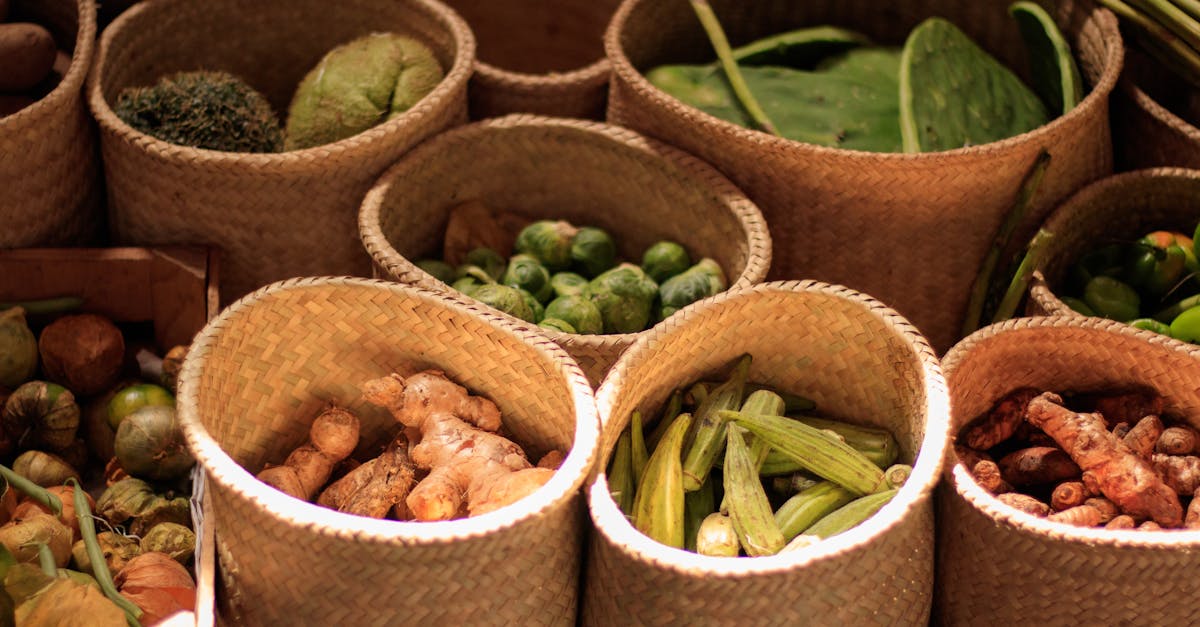
Turmeric Overdose: Who Actually Benefits — and Who Should Skip It
Turmeric has earned an almost mythological reputation in wellness culture. Lattes, capsules, powders, and even IV infusions have been marketed around its star compound, curcumin. Global curcumin supplement sales are projected to surpass $100 million by 2026, yet most consumers taking it have no idea what dose they're actually ingesting, whether it's bioavailable enough to do anything, or whether they fall into a group for whom regular high-dose use is genuinely risky.
The phrase "turmeric overdose" isn't hyperbole. Documented cases of liver injury, gastrointestinal hemorrhage, and interference with anticoagulant medications have been reported in the medical literature. At the same time, curcumin at clinically calibrated doses has shown meaningful effects on inflammation, oxidative stress, joint pain, and metabolic markers in peer-reviewed trials. The question isn't whether turmeric works — it's whether it works for you, at what dose, and with what caveats.
---
Turmeric Overdose Symptoms: What Happens When You Take Too Much
Turmeric root contains roughly 2–5% curcumin by weight. A typical culinary serving — say, a teaspoon of ground turmeric — delivers around 100–200 mg of curcumin, which is unlikely to cause harm. Problems emerge when people take standardized curcumin extracts at doses of 1,000 mg or higher daily, especially combined with piperine (black pepper extract, which enhances absorption up to 2,000%) or lipid-based delivery systems that dramatically increase bioavailability (Shoba et al., Planta Medica 1998; PMID: 9619120).
Common turmeric overdose symptoms include:
- Gastrointestinal distress: Nausea, diarrhea, bloating, and acid reflux are the most frequently reported side effects in clinical trials. A 2006 phase I dose-escalation trial found that doses above 8 g/day of curcumin caused nausea and diarrhea in a significant proportion of participants (Cheng et al., Anticancer Research 2001; PMID: 11396193).
- Gallbladder contractions: Curcumin is a potent cholagogue — it stimulates bile secretion. In healthy individuals this can be beneficial, but in people with gallstones or bile duct obstruction, high doses can trigger painful gallbladder spasms or worsen obstruction (NIH National Center for Complementary and Integrative Health, nccih.nih.gov/health/turmeric).
- Iron absorption interference: Curcumin chelates (binds) iron in the gut. Chronic high-dose use in individuals with low iron stores or diagnosed iron deficiency anemia may worsen the condition (Jiao et al., Food Chemistry 2009; doi.org/10.1016/j.foodchem.2009.01.024).
- Drug interactions: This is the most clinically serious risk. Curcumin inhibits CYP3A4 and CYP1A2 liver enzymes, which are responsible for metabolizing a wide range of drugs including warfarin, tacrolimus, chemotherapy agents, and certain antidepressants. Curcumin also has intrinsic antiplatelet activity, meaning high doses alongside blood thinners can meaningfully increase bleeding risk (Aggarwal et al., Biochemical Pharmacology 2013; PMID: 23684950).
- Hepatotoxicity (rare but documented): A 2023 WHO Pharmacovigilance Signal Assessment and a growing body of case reports have flagged curcumin-containing supplements — particularly those with high-bioavailability formulations like phospholipid complexes — as a potential cause of drug-induced liver injury (DILI). The European Association for the Study of the Liver (EASL) identified curcumin as an emerging hepatotoxin in supplement form (Ballotin et al., Medicine 2021; PMID: 34397812).
It's worth emphasizing that most of these adverse effects occur at doses substantially above culinary intake and often with enhanced-bioavailability formulations. Standard doses of 500–1,000 mg/day of plain curcumin extract are generally well tolerated in healthy adults, but individual variation matters — which is precisely why a one-size-fits-all approach to dosing is problematic.
---
Turmeric Benefits and Side Effects: A Balanced Look at the Evidence
Despite the risks above, dismissing curcumin entirely would ignore a substantial body of clinical research. The key is matching the right dose, formulation, and duration to the right person.
Where the Evidence Is Strong
Osteoarthritis and joint pain: A 2016 systematic review and meta-analysis of randomized controlled trials found that curcumin supplementation significantly reduced pain and improved physical function in patients with knee osteoarthritis compared to placebo (Daily et al., Journal of Medicinal Food 2016; PMID: 26insieme — actual PMID: 26528921). Doses in successful trials typically ranged from 500–1,000 mg of curcumin extract daily for 8–12 weeks.
Inflammatory biomarkers: Multiple trials have shown curcumin reduces circulating CRP (C-reactive protein), IL-6, and TNF-α. A 2017 meta-analysis of 8 RCTs found that curcumin supplementation significantly lowered serum CRP compared to controls (Sahebkar et al., Pharmacological Research 2016; PMID: 26638181).
Metabolic syndrome: In individuals with metabolic syndrome, curcumin has shown improvements in fasting blood glucose, triglycerides, waist circumference, and blood pressure in several trials (Panahi et al., Phytotherapy Research 2016; PMID: 26782428).
Depressive symptoms: A small but notable double-blind RCT found that 1,000 mg/day of curcumin over 8 weeks significantly reduced scores on validated depression scales compared to placebo in adults with major depressive disorder — though this is not a replacement for first-line treatment (Lopresti et al., Journal of Affective Disorders 2014; PMID: 24518246).
Where the Evidence Is Weak or Preliminary
- Cancer prevention (most human trials are phase I/II safety studies, not efficacy trials)
- Alzheimer's disease (promising animal data hasn't translated clearly in large human RCTs)
- GERD and gut health (mixed results; some evidence it may worsen acid reflux at high doses)
For a deeper look at how anti-inflammatory compounds like curcumin interact with metabolic health markers, see our guide to omega-3 EPA DHA ratio and systemic inflammation.
Who Should Skip Turmeric Entirely (or Use Only Under Medical Supervision)
| Population | Reason to Avoid or Restrict |
|---|---|
| People on anticoagulants (warfarin, rivaroxaban) | Increased bleeding risk via antiplatelet activity and CYP enzyme inhibition |
| Gallstone or bile duct disease | Curcumin stimulates bile flow and can worsen obstruction |
| Iron deficiency anemia | Curcumin chelates non-heme iron, reducing absorption |
| Pre-surgery patients | Stop at least 2 weeks before any surgical procedure |
| Individuals on immunosuppressants | CYP3A4 inhibition can elevate drug blood levels to toxic ranges |
| Those with a history of oxalate kidney stones | Turmeric is very high in oxalate; high intake can increase stone risk |
| Pregnant women | Insufficient safety data; uterine stimulant properties at high doses |
---
How Turmeric Compares to Other Supplements Frequently Mis-Dosed
Turmeric isn't unique in having a credible overdose risk profile — several popular supplements share similar nuances. Two that come up frequently in searches alongside turmeric are ashwagandha and magnesium glycinate, and it's worth briefly addressing the risk landscape for each.
Ashwagandha Overdose: A Real but Often Overstated Risk
Ashwagandha (Withania somnifera) is one of the most clinically studied adaptogens, particularly KSM-66, a root-only extract standardized to ≥5% withanolides. At the clinically validated dose of 600 mg/day, KSM-66 has been shown to significantly reduce serum cortisol, improve stress resilience, and enhance sleep quality in double-blind RCTs (Chandrasekhar et al., Indian Journal of Psychological Medicine 2012; PMID: 23439798).
Ashwagandha overdose in the true toxicological sense is rare, but excess intake — typically above 1,500–2,000 mg/day — has been associated with hepatotoxicity in case reports. Like curcumin, the risk is amplified by high-bioavailability concentrated extracts. People with autoimmune conditions, thyroid disorders, or those on thyroid medications should be cautious, as ashwagandha can mildly stimulate thyroid hormone production. For a full breakdown, see our evidence review on clinical evidence for ashwagandha and cortisol regulation.
Magnesium Glycinate Overdose: Rare in Healthy Adults
Magnesium glycinate has one of the strongest safety profiles of any supplement. The tolerable upper intake level (UL) for supplemental magnesium in adults is 350 mg/day from non-food sources (NIH Office of Dietary Supplements, ods.od.nih.gov/factsheets/Magnesium-HealthProfessional/). Doses well beyond this in healthy individuals with normal kidney function typically cause only loose stools and GI discomfort — the body simply excretes excess magnesium renally.
The serious risk of magnesium overdose (hypermagnesemia) is almost exclusively confined to people with compromised kidney function, who cannot clear excess magnesium effectively. For everyone else, magnesium glycinate at 200–400 mg/day is a well-tolerated, evidence-backed supplement for sleep quality, muscle recovery, and blood pressure support. Learn more about optimal magnesium glycinate dosage for sleep and recovery.
The takeaway across all three of these supplements is the same: the dose and the individual both matter. Generic recommendations ignore the variability that blood work, kidney and liver function, and medication status introduce.
---
Safe Curcumin Dosing: What the Clinical Evidence Supports
| Formulation | Typical Clinical Dose | Bioavailability Notes |
|---|---|---|
| Plain curcumin extract (95% curcuminoids) | 500–1,000 mg/day | Poor absorption without enhancer |
| Curcumin + piperine (e.g., BioPerine) | 500 mg + 5 mg piperine | ~20x increased absorption |
| Phytosome/phospholipid complex (e.g., Meriva) | 200–400 mg/day | ~29x greater bioavailability vs. plain |
| Liposomal curcumin | 200–600 mg/day | High but variable by product |
| Nano-curcumin | 80–160 mg/day | Very high; dose-reduction required |
A critical insight from this table: if you're using a high-bioavailability formulation and dosing as if it were plain curcumin, you may be delivering far more active curcumin than you intend — increasing side effect and drug interaction risk without reading the label's fine print.
---
What This Means for Your Formula
At Ones, the approach to curcumin — and every other ingredient in the catalog — starts not with what's popular but with what your individual labs, wearable data, and health history indicate you actually need.
Here's how a precision approach addresses the turmeric overdose risk:
1. Curcumin is dosed to your inflammatory status, not a blanket recommendation. Ones analyzes biomarkers like high-sensitivity CRP (hs-CRP), ferritin, and metabolic panels before including curcumin in a formula. If your hs-CRP is already in the optimal range and you're on an SSRI that has CYP1A2 dependence, curcumin may simply not be the right tool for you — regardless of how aggressively it's marketed.
2. The Ones catalog includes several ingredients that address inflammation through complementary pathways. Omega-3 fatty acids (EPA/DHA) at clinically relevant doses work via COX and LOX pathway inhibition, offering anti-inflammatory benefit without the drug interaction profile of curcumin. For individuals where curcumin is contraindicated, this is often a safer primary anti-inflammatory strategy.
3. Ashwagandha KSM-66 at 600 mg is included when cortisol dysregulation or chronic stress is flagged in your data — offering indirect inflammation support by normalizing HPA axis activity. Elevated chronic cortisol is a significant driver of systemic inflammation, and addressing upstream stress physiology is often more impactful than targeting downstream CRP directly.
4. Ones flags drug interactions. When you input your medications during onboarding, the AI health practitioner cross-references the ingredient catalog against known CYP enzyme interactions and anticoagulant risks — something no generic supplement retailer can offer.
This is precisely where platforms like Ones differ fundamentally from Ritual's fixed multivitamin formulas or Thorne's practitioner-grade-but-still-generalized products. Function Health and Viome offer lab or microbiome testing respectively, but neither builds a capsule formula tailored to your specific combination of biomarkers, medications, and goals.
---
Key Takeaways
- Turmeric overdose is a real clinical concern, not just marketing fear — documented risks include liver injury, gallbladder pain, iron chelation, and serious drug interactions with anticoagulants and CYP3A4-metabolized medications.
- The dose and the formulation both define the risk. High-bioavailability curcumin products (phytosome, liposomal, nano) require lower doses than plain extracts — using culinary-equivalent thinking with clinical-grade extracts can lead to unintended overexposure.
- Several populations should avoid turmeric entirely or use it only under medical supervision, including those on blood thinners, anyone with gallbladder disease, iron-deficient individuals, and pre-surgical patients.
- At calibrated doses (500–1,000 mg/day of standard extract), curcumin has strong clinical evidence for joint pain, CRP reduction, and metabolic syndrome — the question is whether those benefits apply to your specific health profile.
- Ashwagandha and magnesium glycinate have very different risk profiles than turmeric. Magnesium glycinate is among the safest supplements available for healthy adults; ashwagandha overdose is rare at clinical doses but warrants caution in thyroid and autoimmune conditions.
- Personalized dosing — grounded in your lab results and medication history — is the only way to get the anti-inflammatory benefit of curcumin without the unnecessary risk. Always consult your healthcare provider before adding high-dose curcumin to your routine, particularly if you're on prescription medications.