Supplements
DHEA: Adrenal Hormone, Energy, and When Lab Testing Is Essential
DHEA is the most abundant steroid hormone in the human body — and by the time most people reach their 70s, levels have dropped by as much as 80% from their peak. Yet despite its central role in energy, immune resilience, and hormonal balance, DHEA remains one of the least tested and most misunderstood compounds in the supplement space. Understanding when and how to use a DHEA supplement starts with knowing your numbers.
DHEA: Adrenal Hormone, Energy, and When Lab Testing Is Essential
DHEA — dehydroepiandrosterone — is produced primarily in the adrenal cortex and represents the most abundant circulating steroid hormone in the body. Despite its prevalence, it flies under the radar in most routine blood panels, leaving a significant gap in how people understand their hormonal health. When DHEA is low, the downstream effects ripple across energy production, immune function, mood regulation, and sex hormone synthesis. When it's supplemented without lab guidance, it can push hormones in unintended directions. This article unpacks the science, the clinical evidence, and the smart framework for using a DHEA supplement responsibly.
What Is DHEA and Why Do the Adrenals Matter?
DHEA is synthesized primarily in the zona reticularis of the adrenal cortex, with smaller contributions from the gonads and the brain (where it is referred to as a neurosteroid). The adrenals also produce DHEA-S (DHEA sulfate), which is the sulfated, storage form of the hormone. DHEA-S is more stable in the bloodstream, has a longer half-life, and is the form most reliably measured in lab testing. Once released into circulation, DHEA and DHEA-S serve as precursor hormones — they are converted in peripheral tissues into androgens like testosterone and estrogens like estradiol, depending on the enzymatic environment of the tissue.
This precursor role makes DHEA uniquely influential. It doesn't act through a single receptor pathway the way cortisol or testosterone does; instead, it modulates hormonal output across multiple systems simultaneously. The adrenal glands, which sit atop each kidney, govern the stress response, electrolyte balance, blood pressure regulation, and sex hormone precursor production. DHEA production from the adrenals is therefore not just a hormonal footnote — it is central to how the body maintains resilience under chronic stress.
For context on how comprehensive adrenal assessment fits into a broader health picture, understanding adrenal fatigue and cortisol patterns is an important companion topic to DHEA evaluation.
DHEA Age-Related Decline: The Curve Nobody Talks About
DHEA peaks between the ages of 20 and 25, reaching serum concentrations in the range of 10–20 µmol/L for DHEA-S. After that, it undergoes a remarkably consistent and steep decline — roughly 2–3% per year — that is so predictable researchers have used DHEA-S as a biomarker of biological aging. By the time a person reaches 70–80 years of age, circulating DHEA-S levels are typically only 10–20% of peak values (Orentreich et al., Journal of Clinical Endocrinology & Metabolism 1984; PMID: 6480813).
This trajectory is clinically meaningful. Epidemiological data from the Massachusetts Male Aging Study associated lower DHEA-S with increased risk of cardiovascular events and mortality (Feldman et al., Journal of Clinical Endocrinology & Metabolism 2001; PMID: 11344174). A large prospective analysis of 963 men published in the Archives of Internal Medicine found that men in the lowest quartile of DHEA-S had significantly higher all-cause mortality risk compared to those in the top quartile (Trivedi & Bhalla, 2001; referenced in NIH ODS review of DHEA).
This age-related decline is not a disease in itself, but it creates a state of reduced hormonal reserve. When the body faces chronic stressors — poor sleep, caloric excess, inflammatory load, or psychological stress — it draws on these reserves. Lower baseline DHEA means less buffer, which translates into faster fatigue, slower recovery, diminished libido, and increased susceptibility to both infection and mood dysregulation.
| Age Range | Approximate DHEA-S (Men) | Approximate DHEA-S (Women) |
|---|---|---|
| 20–29 | 280–640 µg/dL | 65–380 µg/dL |
| 30–39 | 120–520 µg/dL | 45–270 µg/dL |
| 40–49 | 95–530 µg/dL | 32–240 µg/dL |
| 50–59 | 70–310 µg/dL | 26–200 µg/dL |
| 60–69 | 42–290 µg/dL | 13–130 µg/dL |
| 70+ | 28–175 µg/dL | 10–90 µg/dL |
Reference ranges from Mayo Clinic Laboratories; individual lab norms may vary.
DHEA Adrenal Function: The Cortisol-DHEA Ratio
One of the most clinically underutilized markers in functional medicine is the cortisol-to-DHEA ratio. Cortisol and DHEA are both adrenal outputs, but they tend to move in opposite directions under chronic stress. Cortisol rises; DHEA falls. This divergence creates what some researchers have called "adrenal imbalance" — not the complete shutdown implied by the colloquial term "adrenal fatigue," but a measurable shift in the ratio between a catabolic stress hormone and an anabolic, resilience-supporting one.
Research has linked an elevated cortisol-to-DHEA ratio with depression, cognitive decline, and metabolic dysfunction. A study in Biological Psychiatry found that patients with major depressive disorder had significantly higher cortisol-to-DHEA ratios than healthy controls, and that the ratio tracked with symptom severity (Young et al., Biological Psychiatry 2002; PMID: 11955458). In older adults, a higher cortisol-to-DHEA ratio has been associated with accelerated hippocampal volume loss and poorer episodic memory performance (Heffelfinger & Newcomer, Psychoneuroendocrinology 2001; referenced in NIH literature on neurosteroids).
From a supplementation standpoint, this ratio matters because giving exogenous DHEA without understanding the cortisol picture could be insufficient or misdirected. If cortisol is also dysregulated, supporting the adrenals comprehensively — using adaptogens like ashwagandha alongside DHEA precursor support — may produce better outcomes than DHEA alone. The clinical evidence for ashwagandha KSM-66 is particularly relevant here, given its well-documented effects on cortisol reduction in randomized controlled trials.
DHEA and Testosterone: Understanding the Conversion Pathway
Because DHEA is a precursor to both androgens and estrogens, its relationship to testosterone is direct but not linear. DHEA is converted to androstenedione, which can then be aromatized into estrone or converted into testosterone, depending on tissue-specific enzyme expression. This means supplementing DHEA does not guarantee a corresponding rise in testosterone — the conversion depends heavily on age, sex, body composition, and the activity of enzymes like 3β-HSD, 17β-HSD, and aromatase.
In clinical trials, DHEA supplementation has shown modest but meaningful effects on testosterone in specific populations. A 52-week, double-blind, placebo-controlled trial in older men and women found that DHEA at 50 mg/day significantly increased serum testosterone and estradiol concentrations (Baulieu et al., PNAS 2000; PMID: 10716985). In women, particularly those with adrenal insufficiency or surgical menopause, DHEA supplementation has shown more consistent testosterone elevation and associated improvements in libido and sexual function (Arlt et al., New England Journal of Medicine 1999; PMID: 10536127).
However, it is important to note that in pre-menopausal women with already-normal DHEA-S, supplementation may raise androgens excessively, increasing the risk of acne, hair thinning, and disrupted menstrual cycles. This is exactly why DHEA supplementation is not a blanket recommendation — it requires a DHEA-S baseline before starting.
For those also curious about how testosterone interplays with other aspects of hormonal balance and energy metabolism, that intersectionality is worth exploring alongside DHEA data.
DHEA-S Lab Testing: What to Measure, When, and How to Interpret It
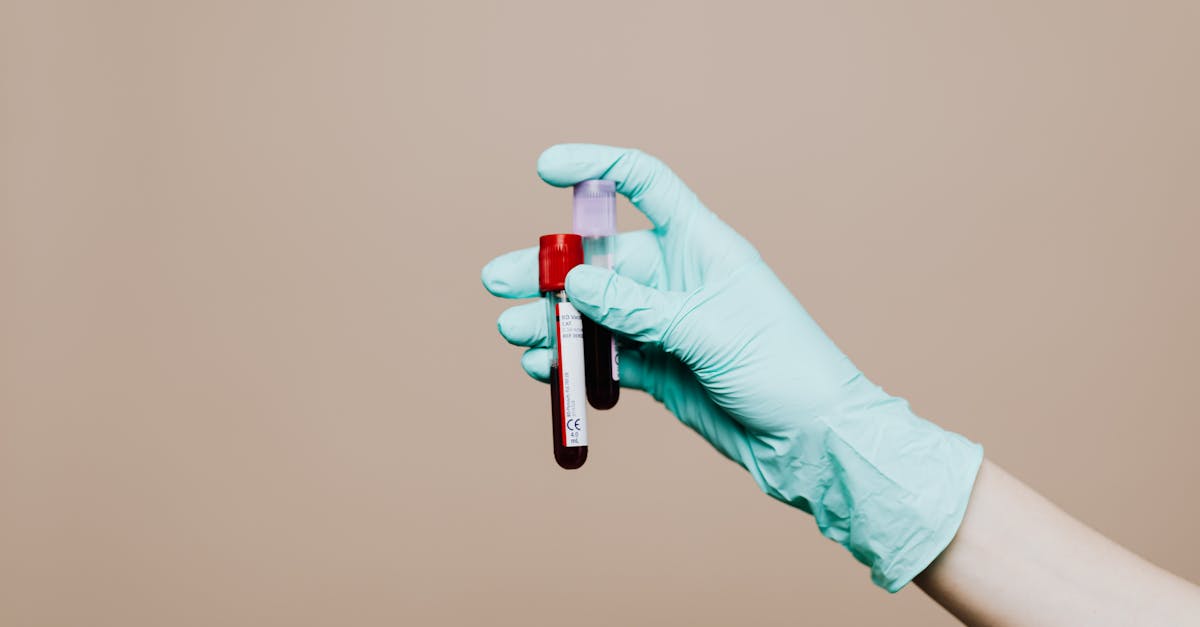
The gold standard for evaluating DHEA status is a serum DHEA-S test, not a serum DHEA test. DHEA-S is more stable (it doesn't fluctuate with diurnal rhythms the way DHEA does), more reproducible across different blood draw times, and more reflective of total adrenal output. DHEA-S is measured in µg/dL and should always be interpreted against age- and sex-specific reference ranges — a DHEA-S of 90 µg/dL might be unremarkable in a 70-year-old woman but strikingly low in a 35-year-old man.
Key scenarios where DHEA-S testing adds meaningful clinical value include:
- Chronic fatigue or burnout — particularly when cortisol is also being evaluated
- Low libido or sexual dysfunction — especially in peri- and post-menopausal women or men over 45
- Unexplained mood dysregulation or cognitive fog
- Suspected adrenal insufficiency — low DHEA-S can accompany primary or secondary adrenal insufficiency
- Before starting DHEA supplementation — to establish a baseline and avoid over-dosing
- Monitoring an existing DHEA protocol — to confirm appropriate dosing and avoid androgen excess
Optimal ranges vary by practitioner and methodology, but many functional medicine providers aim for DHEA-S values in the upper-middle quartile for a patient's age group rather than simply "within range." A value of 150 µg/dL for a 55-year-old man may be technically normal but functionally suboptimal if the age-adjusted peak for his cohort is closer to 350 µg/dL.
Once you have your DHEA-S value, retest at 8–12 weeks after starting supplementation to assess response. Effective doses in clinical research have ranged from 25 mg to 100 mg/day, with most studies using 50 mg as a standard dose. Because DHEA is a Schedule III controlled substance in Canada and regulated in several other countries (though available OTC in the US), professional guidance is advisable before starting.
For context on how lab-directed hormone optimization fits into personalized nutrition and supplement plans, understanding comprehensive blood panel optimization provides a useful framework.
What This Means for Your Formula
At Ones, DHEA is approached the way all hormone-adjacent ingredients should be: data-first. The AI health practitioner platform analyzes your uploaded blood work — including DHEA-S if available — alongside wearable data and health history to determine whether your hormonal profile warrants adrenal support, and at what level.
For individuals with confirmed low DHEA-S and signs of HPA axis dysregulation, Ones may incorporate the following ingredients into a custom capsule formula:
- Ashwagandha (KSM-66, 600 mg): The most clinically validated adaptogen for cortisol regulation. A double-blind RCT in stressed adults found 600 mg/day of KSM-66 reduced serum cortisol by 27.9% over 60 days compared to placebo (Chandrasekhar et al., Indian Journal of Psychological Medicine 2012; PMID: 23439798). Reducing cortisol load supports a more favorable cortisol-to-DHEA ratio over time.
- Ones Adrenal Support System Blend: This proprietary blend is formulated for individuals showing signs of chronic adrenal stress — fatigue, low resilience, poor stress recovery. It combines adaptogenic and nutritional co-factors that support adrenal hormone synthesis pathways, including the micronutrients the adrenal glands rely on most heavily under sustained stress.
- Vitamin D3 + K2 (MK-7): Vitamin D receptor signaling has downstream effects on adrenal steroidogenesis, and deficiency is common among individuals with low DHEA-S. Ones pairs D3 with K2 in the MK-7 form to ensure proper calcium metabolism and synergistic action — a combination supported by growing evidence on vitamin D3 and K2 synergy for hormonal health.
- Magnesium Glycinate: The adrenal glands are among the highest consumers of magnesium in the body. Depletion of magnesium accelerates HPA axis hyperactivity, which can further suppress DHEA output. Magnesium glycinate provides high bioavailability without laxative effects at the doses used clinically.
Formulas are built in 6, 9, or 12-capsule plans calibrated to your capsule budget and ingredient priorities. No guesswork, no stacking without a baseline — just targeted support matched to what your labs actually show.
Key Takeaways
- DHEA-S is the preferred lab marker for evaluating DHEA status — it is more stable than serum DHEA and should always be interpreted against age- and sex-specific reference ranges before starting supplementation.
- DHEA declines predictably with age, falling 2–3% per year after peaking in the mid-20s and reaching roughly 10–20% of peak values by age 70 — a trajectory associated with increased cardiovascular and mortality risk in epidemiological studies.
- The cortisol-to-DHEA ratio is a clinically meaningful marker of adrenal balance; a high ratio has been linked with depression, cognitive decline, and hippocampal atrophy in peer-reviewed research.
- DHEA supplementation can increase testosterone and estradiol, but the conversion is tissue-dependent and not guaranteed — making pre-supplementation lab testing essential to avoid hormonal overshoot, particularly in women.
- Clinical doses in RCTs typically range from 25–50 mg/day; response should be confirmed with follow-up DHEA-S testing at 8–12 weeks.
- Ones builds DHEA-adjacent support — including KSM-66 ashwagandha, the Adrenal Support System Blend, Vitamin D3 + K2, and Magnesium Glycinate — into personalized formulas based on your actual blood work, not generic protocols.