Performance
Does Creatine Help with Postpartum Recovery?
Postpartum recovery is one of the most physically demanding transitions a body faces, yet creatine — one of the most researched compounds in sports science — is almost never discussed in that context. Emerging evidence suggests it directly addresses cellular energy depletion, cognitive fog, and muscle weakness that define the postpartum months.
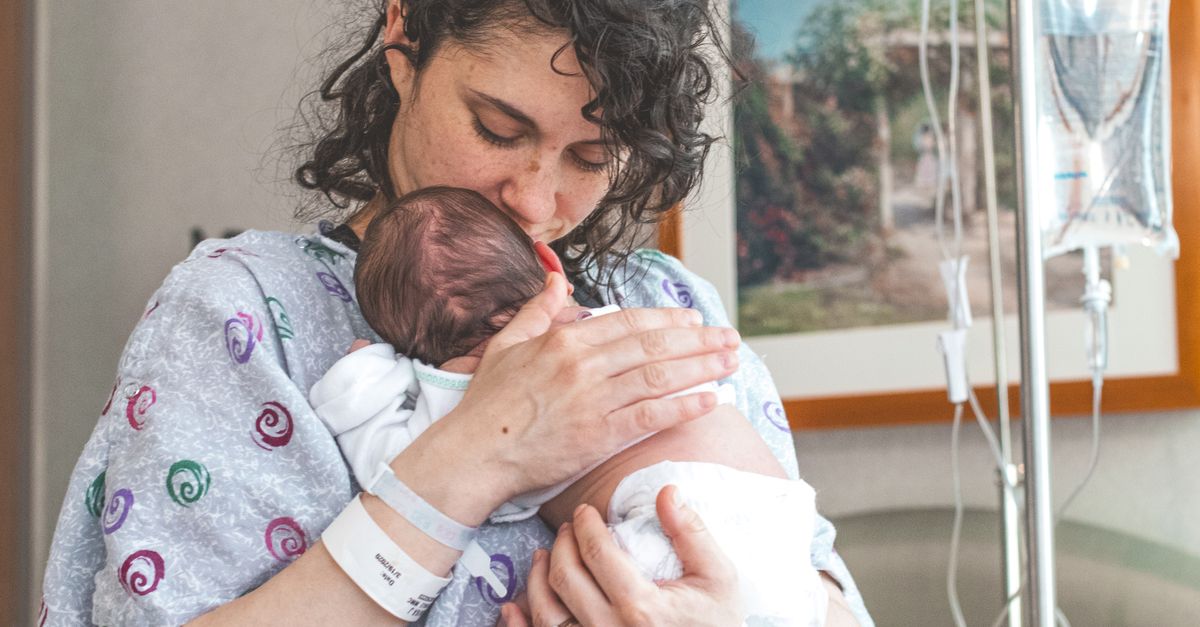
Does Creatine Help with Postpartum Recovery?
Yes, for many postpartum women. Creatine supports cellular energy production, cognitive function, and muscle recovery — all of which are stressed during pregnancy and nursing. The main caveat: most benefit is seen in those who are already depleted, which is common postpartum. Women with adequate dietary creatine from red meat may see smaller gains, though even they often show cognitive benefits.
---
Why Postpartum Depletes Your Creatine Stores
Pregnancy is one of the highest-demand states the human body encounters. The developing fetus actively draws on maternal creatine, and the mother's own creatine synthesis increases significantly to meet fetal needs. A landmark analysis by Dickinson and colleagues established that the human fetal brain preferentially accumulates creatine throughout the third trimester, pulling heavily from maternal supply (Dickinson et al., Amino Acids 2013; PMID: 22983836). This isn't a marginal effect — fetal creatine accumulation in the final trimester is substantial enough that researchers have proposed maternal creatine supplementation as a neuroprotective strategy for premature births.
After delivery, breastfeeding continues this drain. Human breast milk contains measurable creatine and creatinine, meaning lactating mothers are effectively exporting creatine with every feed. When combined with disrupted sleep, high physical demands of carrying and nursing an infant, and often inadequate dietary protein, the conditions for significant creatine depletion are in place for months — sometimes well over a year.
This matters because creatine isn't just a gym supplement. It is a metabolite central to the phosphocreatine energy system — the rapid ATP recycling pathway your brain and muscles rely on during short bursts of high demand. When stores are low, everything from lifting a toddler to remembering a conversation becomes harder than it should be. The brain alone accounts for roughly 20% of resting energy expenditure, and creatine plays a measurable role in maintaining that neuroenergetic baseline.
The body synthesizes creatine endogenously from arginine and glycine, primarily in the liver and kidneys. But this synthesis pathway is rate-limited and becomes even more taxed when dietary intake of precursor amino acids is low — common in new mothers who may be eating irregularly or prioritizing infant feeding over their own nutrition. Omnivores typically consume 1–2 g/day of creatine from red meat and fish; vegetarians consume essentially none, placing them at particular risk for postpartum depletion.
---
Creatine for Postpartum Fatigue: What the Evidence Shows
Fatigue is the defining complaint of the postpartum period. Sleep deprivation is the obvious driver, but cellular energy deficits compound the problem considerably. The phosphocreatine system is the body's fastest energy currency, and low creatine status means muscles and neurons must fall back on slower, less efficient pathways — producing more lactate, generating more oxidative stress, and recovering more slowly between demands.
A randomized controlled trial in women showed that creatine supplementation at 3–5 g/day significantly improved physical performance and reduced perceived exertion under conditions of sleep disruption (Cook et al., Journal of the International Society of Sports Nutrition 2011; PMID: 21411038). While this study was not conducted exclusively in postpartum women, the mechanism is directly applicable: creatine helps buffer the energy cost of operating on inadequate sleep.
Another meta-analysis of 22 RCTs found that creatine supplementation produced consistent improvements in muscular power and recovery across female participants, with effect sizes comparable to those seen in male cohorts — dispelling the myth that creatine is primarily a male-benefit supplement (Lanhers et al., European Journal of Sport Science 2017; PMID: 26860987). The average improvement in upper-body muscular endurance was approximately 14%, and lower-body power gains were similarly robust.
From a fatigue mechanism standpoint, creatine's role in maintaining phosphocreatine availability means that fast-twitch muscle fibers recover ATP more rapidly between efforts. For a postpartum mother performing dozens of lifting, carrying, and feeding actions per day, this translates to a real reduction in cumulative muscular fatigue — not merely in the gym, but across daily caregiving activities.
---
Creatine and Postpartum Brain Fog: The Cognitive Case
Brain fog is one of the most reported yet least clinically addressed postpartum symptoms. Many women describe difficulty recalling words, poor concentration, and a sense of mental slowness that persists well beyond the acute newborn phase. While hormonal changes and sleep deprivation are primary drivers, creatine's role in cerebral energy metabolism offers a specific, targetable mechanism.
A rigorous double-blind RCT by Rae and colleagues found that creatine supplementation at 5 g/day for six weeks produced significant improvements in working memory and intelligence test scores in healthy adults — with effect sizes that were particularly pronounced on tasks involving rapid information processing (Rae et al., Psychopharmacology 2003; PMID: 14600563). Working memory is precisely the cognitive domain most commonly reported to decline postpartum.
The underlying mechanism is well-characterized: the brain uses phosphocreatine to rapidly regenerate ATP during periods of high neural firing. MRI spectroscopy studies have shown that creatine supplementation increases brain phosphocreatine concentrations by approximately 10–15%, providing measurable neuroenergetic reserve (Dechent et al., American Journal of Physiology 1999). When this reserve is depleted — as it likely is after months of disrupted sleep and nutritional stress — cognitive function degrades measurably, and restoration through supplementation produces functionally significant improvements.
A subsequent RCT specifically examining sleep-deprived participants found that 20 g/day of creatine loading over five days attenuated the decline in complex cognitive tasks that normally follows sleep restriction. The researchers measured reaction time, mood, and task accuracy, all of which were preserved to a significantly greater degree in the creatine group (McMorris et al., Neuropsychologia 2007; PMID: 17382341). The postpartum parallel is direct: creatine appears to act as a cognitive buffer under the same kind of metabolic stress that new mothers experience chronically.
For context on how widespread and debilitating these postpartum cognitive symptoms can be, see our article on whether insomnia is normal in the postpartum period — the overlap between sleep disruption and cognitive symptoms is substantial, and creatine addresses both through the same phosphocreatine mechanism.
---
Creatine and Postpartum Mood: Is There a Link?
Postpartum mood changes range from the "baby blues" that resolve within two weeks to clinical postpartum depression affecting up to 15% of new mothers. Creatine's role in mood is an emerging and genuinely interesting area of research.
The monoamine hypothesis of depression implicates serotonin and dopamine, but an alternative bioenergetic hypothesis proposes that mitochondrial dysfunction and impaired ATP availability in prefrontal and limbic brain regions contribute to depressive states. Creatine's ability to support brain ATP recycling places it in direct mechanistic relevance here.
A pilot clinical trial in women with major depressive disorder found that augmenting SSRI treatment with 5 g/day of creatine monohydrate produced significantly faster and more complete remission compared to SSRI alone, with the creatine group reaching response criteria at week 2 versus week 4 in the placebo group (Lyoo et al., American Journal of Psychiatry 2012; PMID: 22864465). While this was in women with diagnosed depression rather than postpartum depression specifically, the bioenergetic mechanism is the same. It is worth noting that this was a small trial (n=52) and replication in postpartum populations is needed.
Low mood postpartum is also closely intertwined with hormonal shifts, nutrient depletion, and disrupted sleep — all of which creatine touches at least partially. If you're noticing mood changes alongside physical fatigue, our overview of whether low mood is normal in postpartum covers the broader hormonal picture and when professional evaluation is appropriate.
For a broader view of postpartum physical symptoms that often accompany mood changes, including joint pain in postpartum and hot flashes postpartum, the underlying thread of nutrient depletion and recovery physiology runs through all of them.
---
Safety During Breastfeeding: What We Know
Creatine's safety profile in healthy adults is exceptionally well-established. The International Society of Sports Nutrition position stand concludes that creatine monohydrate is safe and well-tolerated across a wide range of populations and durations, with no clinically meaningful adverse effects on renal or hepatic function in healthy individuals (Buford et al., Journal of the International Society of Sports Nutrition 2007; PMID: 17908288).
For breastfeeding women specifically, the data is limited by the fact that most human trials exclude lactating mothers. However, it is important to note that creatine is already present in breast milk naturally, meaning the mammary glands actively transport it. Supplemental creatine would increase the creatine content of breast milk, which animal models suggest may be beneficial rather than harmful to the developing infant's brain. Nonetheless, as a precaution, consulting a healthcare provider before supplementing during lactation is the appropriate clinical recommendation.
Gastrointestinal side effects (bloating, cramping) are the most commonly reported and are primarily associated with loading phases (20 g/day in divided doses). A maintenance dose approach of 3–5 g/day from the outset avoids loading entirely and produces the same long-term tissue saturation within three to four weeks — a more practical protocol for postpartum women who don't need the rapid loading timeline of competitive athletes.
---
Who Benefits Most — and Who Sees Minimal Effect
Not every postpartum woman will notice the same effect from creatine, and understanding who is most likely to respond is clinically useful.
Highest benefit likely:
- Vegetarians and vegans, who consume essentially zero dietary creatine and have the lowest baseline muscle and brain stores
- Women who had multiple pregnancies in close succession, leaving cumulative depletion
- Women who are primarily breastfeeding beyond six months, as the creatine export via milk continues throughout lactation
- Women reporting significant cognitive symptoms — brain fog, word retrieval, poor working memory — as these are the domains most responsive to creatine in trials
Lower benefit likely:
- Women who regularly eat red meat and fish (consuming 1–2 g/day naturally) and who have no cognitive or fatigue complaints
- Women who have returned to high-protein dietary patterns quickly postpartum
- Women whose fatigue is primarily thyroid-driven (hypothyroidism is common postpartum and needs to be ruled out — creatine does not address low thyroid hormone)
If your postpartum fatigue is severe and persistent well beyond six months, it is worth evaluating other contributing factors alongside creatine. Nutritional gaps like low omega-3 symptoms and biotin deficiency can compound postpartum depletion and deserve their own assessment.
---
Practical Creatine Protocol for Postpartum Women
- Form: Creatine monohydrate — the most studied, cheapest, and most bioavailable form. Creatine HCl and buffered creatines offer no proven advantage and cost significantly more.
- Dose: 3–5 g/day. No loading phase needed. Mix into water, juice, or a smoothie — it is tasteless and mixes well.
- Timing: Timing matters less than consistency. Post-feeding or with a meal is practical and minimizes any GI sensitivity.
- Duration: Minimum four to six weeks to reach full tissue saturation. Benefits compound over time; this is not an acute supplement.
- Combination: Creatine uptake into muscle is marginally enhanced by co-ingestion with carbohydrate or carbohydrate plus protein, though the effect at maintenance doses is small.
- Monitoring: No special bloodwork is required, but note that creatine supplementation raises serum creatinine — a creatine metabolite — which can falsely suggest reduced kidney function on standard panels. Inform your healthcare provider if you are being monitored.
---
What This Means for Your Formula
Creatine monohydrate itself is not a standard ingredient in daily capsule-based supplement formulas due to the gram-level doses required — it works best as a standalone powder. However, the postpartum depletion picture that makes creatine relevant also highlights several other deficits that capsule-based supplementation addresses well.
Ones builds personalized formulas from blood work, wearable data, and health history. For postpartum clients, this commonly surfaces:
- Omega-3 (EPA/DHA): Docosahexaenoic acid (DHA) is preferentially transferred to fetal brain tissue during pregnancy, depleting maternal reserves much as creatine is. Ones includes EPA/DHA at clinically meaningful doses, calibrated to your lab result rather than a generic dose. Research consistently shows that DHA supplementation supports both maternal mood and infant neurodevelopment in the postpartum period (Makrides et al., JAMA 2010; PMID: 21045098).
- Magnesium Glycinate: Magnesium depletion is extremely common postpartum, contributes to sleep disruption, muscle cramps, and anxiety, and is directly relevant to the energy metabolism picture that creatine also addresses. Ones includes magnesium glycinate — the form with the best GI tolerability — at doses calibrated to your actual magnesium status.
- Ligament Support blend: Relaxin-mediated joint laxity persists for months after delivery, contributing to the joint pain many women experience postpartum. The Ones Ligament Support system blend directly targets connective tissue resilience during this window.
Because Ones formulas are built around your specific lab findings, the AI identifies which depletions are actually present rather than guessing — meaning you're not doubling up on nutrients you don't need while potentially missing the ones that matter most.
---
Key Takeaways
- Pregnancy and breastfeeding deplete maternal creatine through direct fetal transfer and ongoing export in breast milk, leaving many women in a low-creatine state for months postpartum.
- Creatine monohydrate at 3–5 g/day is the best-evidenced, lowest-risk supplemental form — no loading phase is needed for postpartum use.
- The cognitive benefits (working memory, processing speed, resistance to sleep-deprivation-induced decline) are often more immediately relevant than the muscular benefits for new mothers.
- Vegetarians, women who are exclusively breastfeeding, and those with prominent brain fog are the most likely to experience noticeable benefit.
- Creatine raises serum creatinine on bloodwork — inform your provider so this is not misread as a kidney function flag.
- Creatine addresses one piece of the postpartum depletion picture; omega-3, magnesium, and other nutrients depleted during pregnancy deserve parallel evaluation for a complete recovery protocol.