Thyroid
The Practitioner's Guide to Does Free T3 Matter If Everything Else Is Normal?
Your TSH is normal. Your T4 is normal. So why do you still feel exhausted, cold, and mentally foggy? The answer may lie in a single lab value most standard panels skip entirely: free T3. Understanding why free T3 matters — even when everything else looks fine — could be the missing piece in your thyroid health puzzle.
The Practitioner's Guide to Does Free T3 Matter If Everything Else Is Normal?
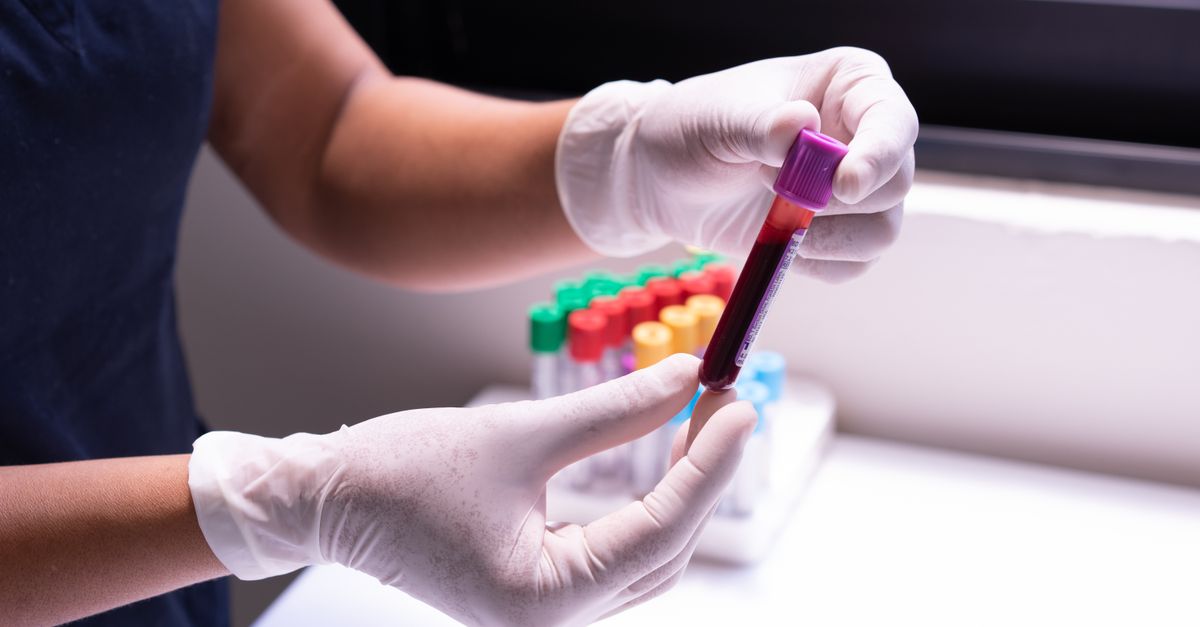
You've done the blood work. Your doctor glanced at the results, nodded, and said everything looks normal. But "normal" on a standard thyroid panel usually means only two things were checked: TSH and, if you were lucky, total T4. Free T3 — the metabolically active hormone that your cells actually use — often doesn't make the list.
This gap in standard testing is more consequential than most people realize. Free T3 is the form of thyroid hormone that binds to nuclear receptors in virtually every cell of the body, regulating metabolism, body temperature, heart rate, cognition, and energy production. Without adequate free T3, your cells can't get the signal to function optimally — regardless of what your TSH reads.
So does free T3 matter if everything else is normal? The short answer is yes, emphatically. Here's why.
---
What Free T3 Actually Does — and Why It's Distinct from T4
The thyroid gland primarily secretes T4 (thyroxine), a largely inactive prohormone. Before it can do anything meaningful at the cellular level, T4 must be converted to T3 (triiodothyronine) by a family of enzymes called deiodinases — primarily type 1 and type 2 deiodinase (DIO1, DIO2). It is this free, unbound T3 that crosses cell membranes, enters the nucleus, and activates thyroid hormone response elements on DNA.
Free T3 (fT3) represents the fraction of T3 not bound to carrier proteins like thyroid-binding globulin (TBG). It is this free fraction — typically 0.2–0.4% of total T3 — that is biologically active. Studies consistently show that free T3 is a stronger predictor of resting metabolic rate, cardiac output, and cognitive performance than TSH or free T4 alone (Jonklaas et al., Journal of Clinical Endocrinology & Metabolism 2014; PMID: 24476622).
A person can have a TSH within the lab's reference range and still have impaired T4-to-T3 conversion driven by nutrient deficiencies (selenium, zinc, iron), chronic inflammation, caloric restriction, or genetic variants in DIO2. The result is a clinical picture that resembles hypothyroidism — fatigue, weight gain, cold intolerance, constipation, poor memory — despite a "normal" standard panel.
---
Does Free T4 Matter If Everything Else Is Normal?
Free T4 (fT4) is a more informative marker than total T4 because it accounts for variations in binding protein levels caused by pregnancy, oral contraceptive use, liver disease, and genetic differences. However, free T4 alone still does not tell you how efficiently conversion to T3 is occurring.
Research from the Thyroid Outcome Measure group found that patients on levothyroxine (T4-only therapy) with normal TSH and fT4 often had lower fT3 levels and worse quality-of-life scores compared to people with an intact thyroid gland producing both T4 and T3 (Woeber, Thyroid 2002; PMID: 11916154). This is a critical clinical insight: normal fT4 does not guarantee adequate fT3 at the tissue level.
The fT4:fT3 ratio has emerged as a useful clinical tool. A ratio above approximately 4.0 has been associated with impaired conversion and worse symptomatic outcomes, even when TSH remains suppressed or normal (Midgley et al., Thyroid 2015; PMID: 25647866). If your fT4 is normal but your fT3 is low-normal or below range, the ratio flags a conversion problem that TSH alone would miss entirely.
Practically speaking: yes, fT4 matters when everything else is normal — but it matters most as a partner to fT3, not as a standalone marker.
---
Does TSH Matter If Everything Else Is Normal?
TSH (thyroid-stimulating hormone) is secreted by the pituitary gland and responds to circulating thyroid hormone levels. It remains the most widely used screening test because it amplifies small changes in thyroid hormone via feedback — a 2-fold change in free T4 can produce a 100-fold change in TSH (Hoermann et al., Frontiers in Endocrinology 2017; PMID: 28223969).
However, TSH has significant limitations as a sole diagnostic marker:
- Pituitary setpoints vary. Each person's hypothalamic-pituitary-thyroid (HPT) axis has an individualized setpoint. A TSH of 2.5 mIU/L may represent optimal function for one person and mild hypothyroidism for another, depending on their baseline.
- TSH lags. Because TSH is a feedback signal, it may normalize before peripheral tissues have recovered from a thyroid event.
- TSH doesn't reflect tissue T3. Studies demonstrate that serum TSH does not reliably predict intracellular T3 availability, particularly in patients with DIO2 polymorphisms or systemic inflammation (Hoermann et al., 2017; PMID: 28223969).
- Subclinical hypothyroidism is defined by TSH alone — typically TSH >4.5 mIU/L with normal fT4 — yet many symptomatic patients fall within the "normal" TSH range of 0.4–4.5 mIU/L.
So does TSH matter if everything else is normal? TSH matters enormously as a first-pass screening tool, but it was never designed to function as a complete thyroid assessment. When symptoms persist despite a normal TSH, measuring fT3 and fT4 — along with thyroid antibodies (TPO-Ab, TG-Ab) — provides the fuller picture that clinical decisions require.
---
Nutrient Cofactors That Drive Free T3 Conversion
If free T3 is low relative to free T4, the investigation should extend beyond hormones to the micronutrients that power deiodinase enzymes:
| Nutrient | Role in T3 Conversion | Optimal Range / Target |
|---|---|---|
| Selenium | Selenoprotein backbone of DIO1 and DIO2 | 125–200 mcg/day (selenomethionine) |
| Zinc | Supports thyroid hormone receptor binding | 15–30 mg/day |
| Iron (ferritin) | Required for thyroid peroxidase (TPO) activity | Ferritin >70 ng/mL for optimal synthesis |
| Iodine | Substrate for T3/T4 synthesis | 150 mcg/day (RDA); avoid excess |
| Vitamin D | Modulates immune/inflammatory pathways affecting conversion | 40–60 ng/mL serum 25(OH)D |
Selenium deserves special attention. The Gärtner 2002 trial (PMID: 11932302) demonstrated that 200 mcg/day of selenomethionine significantly reduced TPO antibody titers in women with Hashimoto's thyroiditis over three months — a finding replicated and extended in subsequent Cochrane-level reviews. Low selenium impairs deiodinase function, directly reducing T4-to-T3 conversion efficiency.
If you're interested in how specific nutrients support thyroid output alongside hormonal balance, the thyroid support supplement guide offers a clinical breakdown of evidence-based options.
---
The Inflammation Connection: Why fT3 Drops Even in Otherwise Healthy People
One underappreciated driver of low free T3 — with an otherwise normal panel — is systemic, low-grade inflammation. Pro-inflammatory cytokines including IL-6 and TNF-α downregulate DIO1 expression in peripheral tissues, reducing T4-to-T3 conversion. This is the mechanism behind "euthyroid sick syndrome" or "non-thyroidal illness syndrome" observed in hospitalized patients, but a milder version of the same process occurs in chronically stressed, sleep-deprived, or metabolically inflamed individuals.
This brings us to two inflammatory markers that occasionally appear alongside thyroid panels — and how they relate to the broader picture of cellular hormone function.
---
Does Fibrinogen Matter If Everything Else Is Normal?
Fibrinogen is a plasma protein involved in blood clotting and acute-phase inflammatory response. Elevated fibrinogen (>400 mg/dL) is associated with increased cardiovascular risk and serves as a sensitive marker of systemic inflammation.
Its relevance to thyroid function is indirect but real: fibrinogen rises in response to the same inflammatory cytokines that suppress deiodinase activity. A patient presenting with normal TSH, mildly low fT3, and elevated fibrinogen may be experiencing an inflammation-mediated conversion problem rather than primary thyroid disease. Fibrinogen also rises in overt hypothyroidism — a state that increases clotting factor synthesis — and falls with adequate thyroid hormone restoration.
Does fibrinogen matter if everything else is normal? As a standalone metric it requires context, but as part of a comprehensive panel that includes fT3, hsCRP, and metabolic markers, an elevated fibrinogen can help explain why free T3 is being suppressed despite a structurally normal thyroid gland.
---
Does ESR Matter If Everything Else Is Normal?
Erythrocyte sedimentation rate (ESR) is a non-specific marker of inflammation. It measures how quickly red blood cells fall through plasma — a process accelerated by elevated fibrinogen and immunoglobulins present during inflammation.
In thyroid medicine, ESR is most clinically useful in diagnosing subacute thyroiditis (de Quervain's thyroiditis), where it is typically markedly elevated (>50 mm/hr) alongside painful goiter and transiently elevated fT3 and fT4 from follicular disruption. Outside of active thyroiditis, a mildly elevated ESR in an otherwise normal thyroid panel again points toward background inflammation as a potential modulator of conversion efficiency.
Does ESR matter if everything else is normal? Like fibrinogen, ESR is most meaningful as a piece of an interpretive puzzle. Neither marker in isolation changes the clinical picture, but both — when elevated alongside a suboptimal fT3 — support an inflammation-first treatment approach: addressing the inflammatory driver rather than immediately reaching for thyroid hormone replacement.
For readers navigating inflammatory markers alongside thyroid testing, the article on understanding your inflammatory lab markers provides additional context on how hsCRP, ESR, and fibrinogen interact.
---
What This Means for Your Formula
This is where personalized nutrition becomes genuinely powerful. At Ones, the AI health practitioner reviews uploaded lab results — including free T3, free T4, TSH, selenium status, ferritin, and inflammatory markers — alongside wearable data on resting heart rate, sleep quality, and HRV. That comprehensive input shapes a custom capsule formula calibrated to the specific deficiencies and conversion bottlenecks identified in your data.
For individuals with low-normal fT3 alongside elevated inflammatory markers, Ones formulas commonly incorporate:
- Thyroid Support (System Blend): A proprietary blend containing selenomethionine and complementary thyroid-supporting nutrients that address the deiodinase enzyme pathway directly — mirroring the dose used in clinical trials on selenium and antibody reduction.
- Zinc (individual active): Dosed at clinically relevant levels to support thyroid hormone receptor binding and immune modulation, particularly relevant when fT3:fT4 ratio is elevated.
- Omega-3 (EPA/DHA, individual active): Evidence from multiple controlled trials demonstrates that high-dose EPA/DHA reduces IL-6 and TNF-α — the very cytokines that downregulate DIO1 and suppress peripheral T3 conversion (Calder, Annals of Nutrition & Metabolism 2012; PMID: 22992661).
The formula is assembled within either a 6- or 9-capsule daily plan — the AI selects the plan based on your findings and capsule budget — so every ingredient earns its place based on your data, not a generic template.
For a deeper look at how thyroid nutrients interact with other hormonal systems, the adrenal and thyroid connection explained is worth reading alongside your lab review.
---
Key Takeaways
- Free T3 is the only thyroid hormone your cells can directly use — a normal TSH or fT4 does not guarantee adequate fT3 at the tissue level.
- T4-to-T3 conversion depends on selenium, zinc, iron, and a low-inflammation environment — deficiencies in any of these can suppress fT3 even with a structurally normal thyroid.
- The fT4:fT3 ratio (ideally below 4.0) is a practical clinical tool for identifying conversion impairment that TSH misses.
- TSH matters as a screening tool but has individualized setpoints and lags behind peripheral tissue hormone availability — it should not be used as the sole measure of thyroid sufficiency.
- Inflammatory markers like fibrinogen and ESR, when elevated alongside low-normal fT3, suggest an inflammation-driven conversion problem rather than primary gland failure.
- Personalized formulas that target the conversion pathway — with clinically dosed selenium, zinc, and omega-3s — address the root mechanism, not just the downstream hormone number.
---
This article is for informational purposes only and does not constitute medical advice. Always consult a qualified healthcare provider before making changes to your supplement regimen or interpreting lab results.