Women's Health
What Happens to Ferritin Levels in PCOS?
Ferritin behaves unpredictably in PCOS — it can run low from heavy periods, falsely elevated from chronic inflammation, or both at the same time. Understanding which pattern you have is the difference between a supplement that helps and one that quietly makes things worse.
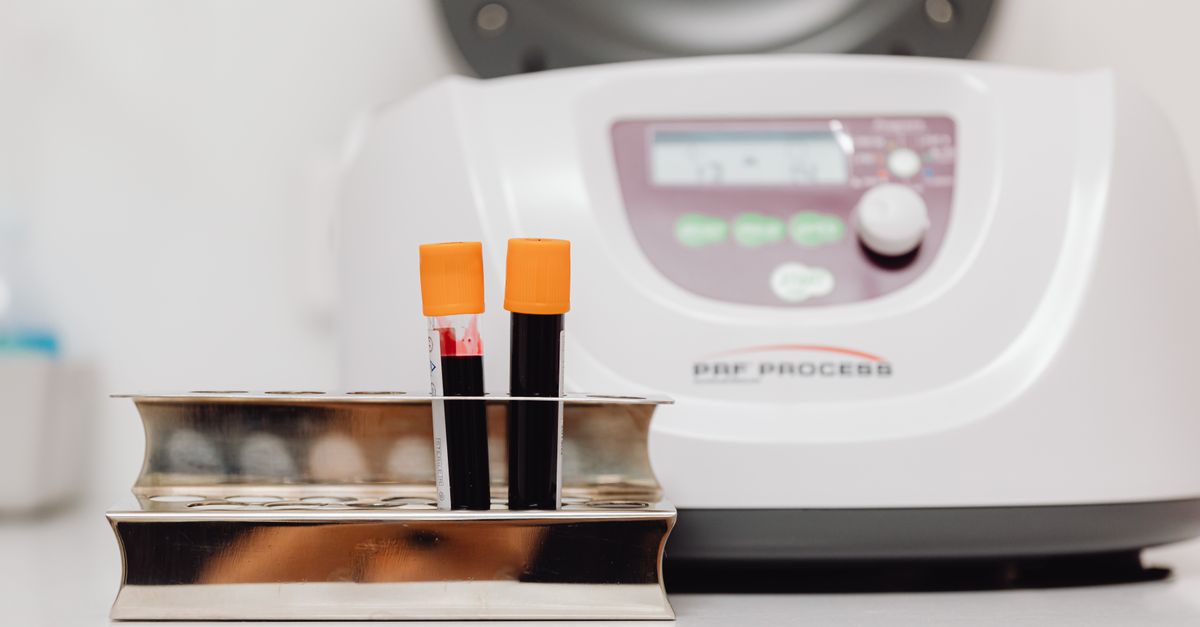
What Happens to Ferritin Levels in PCOS?
Ferritin in PCOS doesn't follow a simple pattern — it can be genuinely low due to iron-deficiency from heavy menstrual bleeding, or falsely elevated because ferritin is an acute-phase reactant that rises with the chronic low-grade inflammation that underlies PCOS. The main caveat: you cannot interpret a ferritin number without also knowing your CRP, serum iron, and transferrin saturation. The exception is women with PCOS and confirmed anovulatory cycles who rarely bleed — they are at higher risk for iron accumulation, not depletion.
Why PCOS Disrupts Iron Stores in the First Place
Polycystic ovary syndrome is not simply a reproductive condition. It is a systemic metabolic and inflammatory disorder that affects iron regulation through at least three distinct mechanisms.
Menstrual irregularity and blood loss. Women with PCOS experience a wide spectrum of cycle patterns — from oligomenorrhea (infrequent periods) to menorrhagia (very heavy, prolonged periods). Heavy periods are a primary driver of iron depletion. Each milliliter of menstrual blood contains roughly 0.5 mg of iron, and losses above 80 mL per cycle — common in women with PCOS-related endometrial hyperplasia — can outpace dietary absorption. Over months, this erodes ferritin stores well before hemoglobin drops, meaning standard CBC panels may read as normal while ferritin sits critically low. Research has linked low ferritin (below 30 ng/mL) to fatigue, hair shedding, and cognitive difficulties even in the absence of frank anemia (Camaschella, NEJM 2015; PMID: 26287166).
Chronic low-grade inflammation. PCOS is characterized by elevated inflammatory cytokines — particularly IL-6, IL-18, and TNF-α. IL-6 directly stimulates hepatic production of hepcidin, the master regulator of iron absorption. Elevated hepcidin blocks ferroportin, the transporter that moves iron out of gut enterocytes and macrophages into circulation. The net result is a paradox: iron gets sequestered in storage compartments while circulating iron falls, a state called functional iron deficiency. At the same time, ferritin itself rises as an acute-phase protein, independent of true iron stores. A ferritin of 60 ng/mL in a woman with a CRP of 8 mg/L may represent far less bioavailable iron than the same number in someone with normal CRP (Munoz et al., Journal of Clinical Medicine 2017; PMID: 28934132).
Insulin resistance. Hyperinsulinemia — present in 50–70% of women with PCOS — further amplifies hepcidin production and is independently associated with elevated ferritin. A 2012 cross-sectional study of 599 women found that serum ferritin correlated significantly with HOMA-IR after adjusting for BMI, suggesting that insulin resistance drives ferritin elevation beyond what inflammation alone explains (Åsberg et al., European Journal of Endocrinology 2012; PMID: 22389382).
The Reference Ranges That Actually Matter
Standard lab reference ranges for ferritin are notoriously wide and are calibrated to prevent overt iron deficiency anemia, not to optimize tissue iron status. Most labs flag ferritin as low only below 10–15 ng/mL. Functional medicine and evidence-based integrative practitioners typically use tighter windows:
| Ferritin Level | Clinical Interpretation in PCOS Context |
|---|---|
| < 30 ng/mL | Likely true iron deficiency; hair loss, fatigue risk elevated |
| 30–60 ng/mL | Low-normal; may still be insufficient for optimal thyroid conversion and cognition |
| 60–150 ng/mL | Generally adequate — but verify CRP before assuming iron-replete |
| > 150 ng/mL | Investigate for inflammation (check CRP, IL-6) or iron overload |
| > 300 ng/mL | Rule out hemochromatosis, non-alcoholic fatty liver disease, or significant inflammatory disease |
For women with PCOS specifically, always pair ferritin with:
- Serum iron and TIBC (total iron binding capacity)
- Transferrin saturation (below 20% suggests functional deficiency)
- High-sensitivity CRP (to deflate an inflamed ferritin reading)
- Complete blood count with MCV and MCH
Can Stress Make PCOS — and Ferritin — Worse?
Yes, and here is the mechanism. Psychological and physiological stress activates the HPA axis, raising cortisol. Sustained cortisol elevation promotes visceral adiposity, worsens insulin resistance, and upregulates pro-inflammatory cytokines — all three of which drive ferritin dysregulation in PCOS, as described above.
Cortisol also suppresses GnRH pulsatility, which disrupts LH and FSH signaling, worsening anovulation. Fewer ovulatory cycles mean fewer predictable periods, which reduces iron losses in women who were already iron-replete but can also cause unpredictable heavy breakthrough bleeding in others.
Clinically, women who report that stress "triggers flares" of PCOS symptoms — acne, hair loss, irregular cycles — are describing a real neuroendocrine cascade, not a psychosomatic response. Managing the cortisol load matters both for cycle regularity and for stabilizing the inflammatory milieu that distorts ferritin readings.
Adaptogens with robust clinical trial data are relevant here. KSM-66 ashwagandha at 600 mg/day reduced serum cortisol by 27.9% over 60 days in a randomized, double-blind, placebo-controlled trial of 64 adults under chronic stress (Chandrasekhar et al., Indian Journal of Psychological Medicine 2012; PMID: 23439798). Lower cortisol → lower systemic inflammation → less artifactual ferritin elevation and more accurate iron status assessment. Ones includes KSM-66 at its full 600 mg clinical dose, and for women whose blood work and health history suggest cortisol-driven inflammation, this is one of the first ingredients the AI flags.
PCOS, Weight, and How Iron Status Affects Fat Metabolism
Iron and body composition are more intertwined than most people realize. Iron is required for cytochrome enzymes in mitochondria — without adequate iron, oxidative phosphorylation slows, resting energy expenditure drops, and fatigue makes exercise feel harder than it should. Women with PCOS already face uphill metabolic conditions; adding iron deficiency compounds the problem significantly.
Conversely, the insulin resistance that drives ferritin elevation in PCOS also promotes fat storage, particularly visceral fat, which in turn produces more inflammatory cytokines that elevate ferritin further. It becomes a self-reinforcing loop.
For women navigating PCOS weight management, understanding which biomarkers are driving difficulty is essential — and ferritin is one that is frequently overlooked. Vitamin D deficiency, which is highly prevalent in PCOS (estimated at 67–85% of affected women), directly impairs both insulin sensitivity and iron absorption at the gut level, adding another layer to the ferritin puzzle.
If you are following weight loss advice and finding it ineffective despite genuine effort, getting a full iron panel alongside your standard metabolic markers is a reasonable first investigative step. Low transferrin saturation with a "normal" ferritin is a clinically significant finding that many standard panels miss.
Could an Underlying Condition Be Distorting Your Ferritin?
This is worth raising directly. Elevated ferritin in PCOS sometimes signals a comorbidity rather than a simple inflammatory response:
- Non-alcoholic fatty liver disease (NAFLD): Present in roughly 30–40% of women with PCOS. The liver is the primary ferritin-producing organ; hepatocellular damage releases ferritin into circulation, dramatically elevating serum levels independently of iron stores. An AST/ALT ratio and liver ultrasound can help differentiate.
- Thyroid dysfunction: Hypothyroidism slows gut motility, reduces stomach acid, and impairs non-heme iron absorption. It also directly affects menstrual regularity. Checking TSH, free T3, and free T4 alongside ferritin provides a much more complete picture. The Ones platform routinely parses thyroid markers from uploaded lab results and, where indicated, considers Thyroid Support from its System Blends catalog.
- Hereditary hemochromatosis: Rare but important — particularly in women of Northern European descent. A serum ferritin above 200 ng/mL with transferrin saturation above 45% warrants genetic testing for HFE mutations before iron supplementation is considered.
- Adrenal tumors or ovarian androgen-secreting tumors: These are uncommon but can dramatically exacerbate PCOS-like presentations. A ferritin that remains stubbornly elevated despite addressing inflammation and insulin resistance, combined with very high DHEA-S or testosterone, warrants imaging. If you've discovered an underlying tumor affecting your hormonal picture, work closely with an endocrinologist before making supplement changes.
Ferritin, Gut Health, and Why Iron Supplementation Sometimes Fails
Many women with PCOS are prescribed oral iron and find it either ineffective or intolerable — constipation, nausea, and bloating are common complaints that lead to discontinuation before ferritin actually recovers.
The reasons iron supplementation underperforms are frequently overlooked:
- Hepcidin blockade: If inflammation is high, hepcidin will block iron absorption regardless of dose. Addressing the inflammatory driver (insulin resistance, gut permeability, chronic stress) is necessary before or alongside iron repletion.
- Low stomach acid: Hypochlorhydria — more common in women with PCOS taking metformin long-term, which depletes B12 and can affect gastric secretion — reduces conversion of ferric iron to the absorbable ferrous form.
- Form of iron matters: Ferrous bisglycinate is better tolerated and absorbed than ferrous sulfate at equivalent doses, with significantly less GI distress (Szarfarc et al., Archivos Latinoamericanos de Nutrición 2001; cited across multiple absorption comparative studies).
- Constipation and gut motility: Constipation that does not resolve with fiber and hydration in the context of PCOS may have a hormonal component — progesterone slows gut motility, and anovulatory women maintain prolonged progesterone exposure in some cycle phases. Ferrous sulfate makes this worse. If you are struggling with constipation while trying to correct ferritin, switching iron forms and addressing gut motility separately is a practical first step.
What This Means for Your Formula
Ones doesn't stock standalone iron as a formula ingredient — iron supplementation requires lab confirmation of genuine deficiency and is one of the few minerals where supplementing without testing causes real harm. What the Ones platform does is analyze your uploaded blood work to identify whether your ferritin pattern looks inflammatory (high ferritin + high CRP) or depletional (low ferritin + low transferrin saturation), and then build around the drivers.
For women with PCOS whose ferritin dysregulation appears inflammation-driven, relevant Ones ingredients include:
- KSM-66 Ashwagandha (600 mg): Targets cortisol-driven inflammation upstream of hepcidin elevation, supporting more accurate iron status over time.
- Omega-3 (EPA/DHA): EPA and DHA have demonstrated reductions in IL-6 and TNF-α in randomized trials of women with PCOS specifically. A 2012 RCT found that 3g/day omega-3 supplementation for 8 weeks significantly reduced inflammatory markers and improved insulin sensitivity in PCOS (Khani et al., Iranian Journal of Reproductive Medicine 2012; PMID: 24639801).
- Liver Support (System Blend): For women whose labs suggest hepatic involvement in ferritin elevation, this blend addresses oxidative stress and hepatocellular function through a combination of milk thistle, alpha-lipoic acid, and N-acetyl cysteine precursors — the exact combination is determined by the AI based on your specific biomarker findings.
The 6 or 9-capsule daily plans that Ones builds are calibrated to the full picture your data reveals — which is precisely why a platform that reads your actual lab values is more useful than a one-size supplement protocol for a condition as metabolically layered as PCOS.
Key Takeaways
- Ferritin in PCOS can be genuinely low (from heavy periods), falsely elevated (from inflammation or insulin resistance), or both — you cannot interpret it without CRP, serum iron, and transferrin saturation.
- The optimal ferritin range for women with PCOS is generally 60–150 ng/mL, but elevated CRP deflates what that number actually means clinically.
- Chronic stress worsens PCOS through the HPA axis, amplifying inflammation that distorts ferritin and disrupts cycle regularity.
- Iron supplementation often underperforms in PCOS because hepcidin blockade, low stomach acid, and constipation all reduce absorption — addressing the driver matters as much as the dose.
- Underlying conditions — NAFLD, thyroid dysfunction, and rarely adrenal or ovarian tumors — can independently elevate ferritin and should be ruled out before assuming the number reflects simple iron overload.
- A personalized approach that pairs your actual lab values with targeted anti-inflammatory and adaptogenic support is more effective than guessing whether you need more or less iron.