Women's Health
What Is a Normal Ferritin Level in Perimenopause?
Ferritin can look 'normal' on a standard lab report and still be low enough to cause crushing fatigue, hair shedding, and brain fog — a pattern that shows up constantly in perimenopausal women. Understanding what optimal ferritin actually looks like (not just what's technically in range) can change how you interpret your bloodwork and what you do about it.
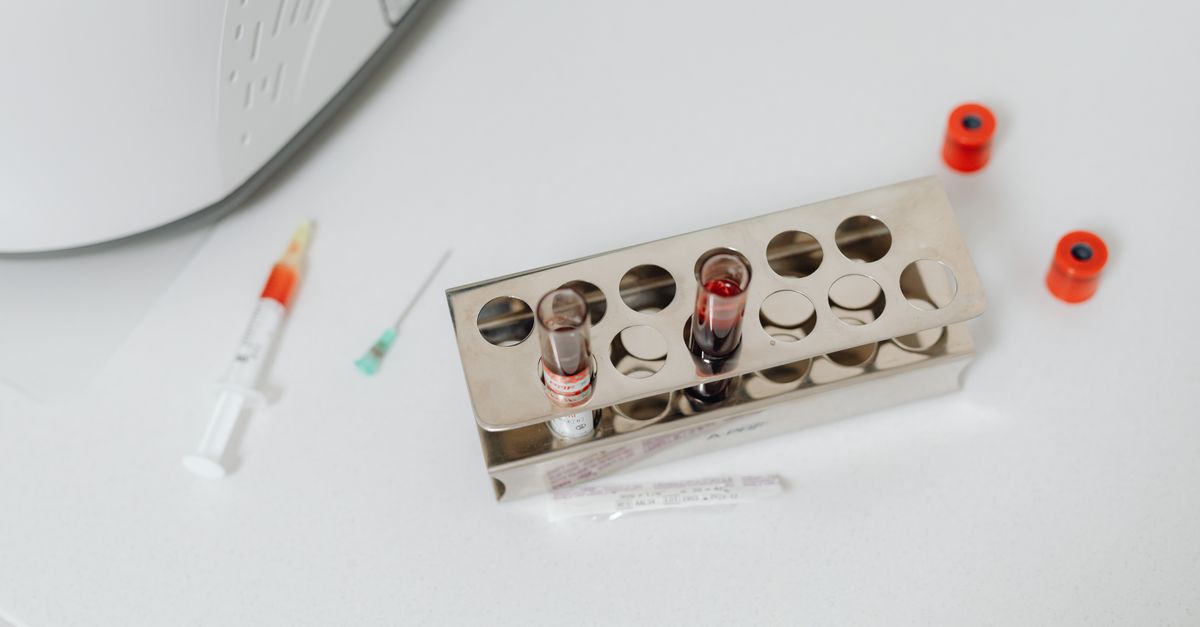
What Is a Normal Ferritin Level in Perimenopause?
For most perimenopausal women, a ferritin level between 50 and 100 ng/mL is considered functionally optimal — not simply "above the lab floor." The standard reference range (often 12–150 ng/mL) is too broad to be clinically useful during perimenopause, when irregular, heavy periods can drain iron stores faster than diet replaces them. The exception: women who are postmenopausal with no active bleeding may tolerate a wider range without symptoms.
---
Why Ferritin Matters More Than Hemoglobin Alone
Most clinicians screen for iron-deficiency anemia by checking hemoglobin or hematocrit. But hemoglobin only falls late in the iron-depletion cascade. Ferritin — the body's primary iron-storage protein — begins to drop long before red blood cells are affected. This means a woman can have a hemoglobin of 13.5 g/dL (technically normal) and a ferritin of 14 ng/mL (technically not flagged) while experiencing significant fatigue, cold intolerance, restless legs, and diffuse hair loss.
A 2013 study in the Journal of the American Academy of Dermatology found that women with chronic telogen effluvium (diffuse hair shedding) had significantly lower ferritin levels than controls, and that restoration of ferritin above 40–70 ng/mL was associated with improved hair regrowth outcomes (Rushton et al., 2002; PMID: 11933536). A separate European meta-analysis confirmed that iron deficiency without anemia is highly prevalent in premenopausal women and consistently associated with fatigue and impaired quality of life (Vaucher et al., PLOS ONE 2012; PMID: 22272248).
The takeaway: if your ferritin is below 50 ng/mL and you're experiencing fatigue, poor exercise recovery, difficulty concentrating, or hair changes, your ferritin is worth addressing — regardless of what your hemoglobin says.
---
What Is a Normal Ferritin Level by Age and Hormonal Stage?
Lab reference ranges vary by facility, but here is a clinically practical breakdown for adult women:
| Life Stage | Standard Lab Range | Functional Optimal Target |
|---|---|---|
| Reproductive age (20s–40s) | 12–150 ng/mL | 50–100 ng/mL |
| Perimenopause (40s–early 50s) | 12–150 ng/mL | 50–100 ng/mL |
| Postmenopause | 12–263 ng/mL | 70–120 ng/mL |
| Pregnancy / postpartum | 12–150 ng/mL | ≥30 ng/mL (WHO minimum) |
Note that the upper end also matters. Ferritin above 200–300 ng/mL in the absence of acute inflammation can indicate iron overload (hemochromatosis) or elevated inflammatory markers — since ferritin is an acute-phase reactant and rises with chronic inflammation even when iron stores are not truly elevated. Always interpret ferritin alongside serum iron, TIBC, transferrin saturation, and CRP.
---
What Causes Ferritin to Drop in Perimenopause?
Perimenopause is a hormonal transition characterized by fluctuating and often declining estrogen and progesterone. One of the most underappreciated consequences of this shift is its effect on menstrual patterns — and therefore iron balance.
1. Heavy or irregular menstrual bleeding (HMB)
In perimenopause, progesterone declines faster than estrogen, creating unopposed estrogen phases that can cause the uterine lining to overgrow. The result is heavy, prolonged, or more frequent periods. A single heavy cycle can shed 80–100 mL of blood, roughly doubling normal menstrual iron losses. Across several months, this easily outpaces dietary replenishment.
2. Reduced dietary iron absorption
Even with adequate dietary intake, absorption declines with age. Stomach acid — necessary to convert dietary iron from ferric (Fe³⁺) to absorbable ferrous (Fe²⁺) form — tends to decrease after 40. Proton pump inhibitors (PPIs), widely used in this age group, compound the problem significantly.
3. Chronic low-grade inflammation
Many perimenopausal women carry elevated hsCRP or IL-6. Inflammatory cytokines upregulate hepcidin, the hormone that acts as a gate on iron absorption. High hepcidin locks iron inside intestinal cells and macrophages rather than releasing it into circulation — a mechanism behind "anemia of chronic disease" that can mimic true iron deficiency.
4. Sleep disruption and cortisol dysregulation
Poor sleep — extremely common during perimenopause (and explored in detail on what causes brain fog in perimenopause) — elevates cortisol chronically. Sustained cortisol elevation impairs both gut barrier integrity and micronutrient absorption broadly, making an already precarious iron balance worse.
If you've been experiencing the kind of cognitive symptoms that often co-occur with low ferritin, it's worth reading about whether brain fog is normal in perimenopause — the overlap is significant.
---
Symptoms of Low Ferritin in Perimenopause
Because many low-ferritin symptoms overlap with general perimenopause symptoms, the condition often goes unidentified:
- Persistent fatigue that doesn't resolve with sleep
- Diffuse hair thinning or increased shedding
- Brain fog, poor concentration, word-finding difficulty
- Restless legs syndrome, particularly at night
- Cold hands and feet despite normal thyroid function
- Shortness of breath on mild exertion
- Mood instability, irritability, or low motivation
- Palpitations or rapid heart rate
- Brittle nails with ridging or spooning
Of particular note: restless legs syndrome (RLS) has a well-established mechanistic link to iron deficiency in the central nervous system. Brain ferritin — separate from serum ferritin — appears to be directly involved in dopamine pathway regulation, and RLS symptoms often improve when serum ferritin is raised above 75 ng/mL (Allen et al., Sleep Medicine 2018; PMID: 29592845).
---
How to Interpret Your Ferritin Lab Result
When your doctor orders ferritin, ask for these additional markers to build a complete picture:
| Marker | What It Tells You | Flag If... |
|---|---|---|
| Serum ferritin | Iron stores | <50 ng/mL (perimenopausal) or >300 ng/mL |
| Serum iron | Iron in circulation | Low with low ferritin = true deficiency |
| TIBC (Total Iron Binding Capacity) | Transferrin availability | Elevated TIBC = body seeking more iron |
| Transferrin saturation | % of transferrin carrying iron | <20% supports deficiency |
| hsCRP | Inflammation marker | If elevated, ferritin may be falsely high |
| CBC (MCV, MCH) | Red cell size and hemoglobin content | Microcytosis = late-stage iron deficiency |
A pattern of low ferritin + low serum iron + high TIBC + transferrin saturation under 20% is a strong confirmation of true iron deficiency, even when hemoglobin is still normal.
---
The Role of Vitamin D, B12, and Folate in Iron Status
Ferritin doesn't exist in a vacuum. Several micronutrients directly or indirectly affect iron absorption, red blood cell production, and fatigue levels — and deficiencies in these often co-occur in perimenopausal women.
Vitamin D
Vitamin D receptors are present on erythroid progenitor cells (the precursors to red blood cells), and vitamin D deficiency has been associated with lower hemoglobin and higher rates of iron-deficiency anemia in multiple observational studies (Sim et al., PLOS ONE 2010; PMID: 20386614). The functional optimal for vitamin D in adult women is generally 40–60 ng/mL (100–150 nmol/L), higher than the standard "sufficient" threshold of 20 ng/mL. If you're tracking ferritin, checking 25(OH)D at the same time is practical — the two are often codepleted in perimenopausal women with heavy bleeding and poor sun exposure.
Vitamin B12
B12 deficiency causes macrocytic anemia (large, poorly functioning red blood cells), which can mask or coexist with iron-deficiency anemia. When both deficiencies are present simultaneously, the MCV may appear normal — a "mixed anemia" that's easy to miss on a standard CBC. Functional B12 sufficiency is generally considered above 400–500 pg/mL by most integrative practitioners, compared to the conventional lab floor of around 200 pg/mL. Understanding what a truly adequate B12 level looks like is important context when reading your ferritin results alongside your CBC.
Folate
Like B12, folate is essential for DNA synthesis in rapidly dividing cells — including red blood cells. Folate deficiency also causes macrocytic anemia and impairs the same erythropoiesis pathway. The standard reference range for serum folate (>2.7 ng/mL) is a floor, not a target; many clinicians consider 10–20 ng/mL optimal for women of reproductive age.
These micronutrient interdependencies matter in practice: correcting ferritin while remaining deficient in B12, folate, or vitamin D can produce incomplete recovery of energy and cognitive function. A full micronutrient panel — not just ferritin in isolation — gives a much more actionable picture.
For related reading on hormonal contributors to these symptoms, anxiety in perimenopause and low libido in perimenopause are worth exploring — both conditions share overlapping micronutrient and hormonal roots.
---
How to Raise Ferritin Without Overdoing It
Raising ferritin takes time — typically 3–6 months of consistent supplementation, depending on starting level and the rate of ongoing loss.
Dietary strategies:
- Prioritize heme iron (beef, lamb, organ meats, dark chicken) — absorbed at 15–35% efficiency vs. 2–20% for non-heme plant sources.
- Pair non-heme iron sources (lentils, spinach, tofu) with vitamin C to enhance Fe³⁺ → Fe²⁺ conversion.
- Avoid coffee, black tea, and calcium supplements within 1–2 hours of iron-rich meals.
- If on a PPI, discuss timing or acid supplementation options with your provider.
Supplementation:
- Ferrous bisglycinate (iron chelate) is the best-tolerated oral form, with lower GI side effects than ferrous sulfate and comparable or superior absorption.
- Typical repletion doses range from 25–100 mg elemental iron daily, taken on an alternate-day schedule (a strategy supported by a 2017 Lancet Haematology study showing alternate-day dosing reduced hepcidin upregulation and improved net absorption compared to daily dosing; Moretti et al., Lancet Haematology 2015; PMID: 26686004).
- Recheck ferritin at 3 months. Do not continue high-dose iron supplementation once ferritin exceeds 100–120 ng/mL.
Never supplement iron without confirming deficiency through lab testing. Excess iron is pro-oxidant and can damage the liver, joints, and cardiovascular tissue over time.
---
What This Means for Your Formula
Ones doesn't include elemental iron as a standard catalog ingredient — and deliberately so. Iron is one of the few supplements that requires confirmed lab-documented deficiency before use; blanket supplementation in women with normal stores carries real risk. Instead, Ones focuses on the micronutrient ecosystem that surrounds iron status and affects how well your body absorbs and utilizes it.
When blood work uploaded to Ones reveals patterns consistent with impaired iron metabolism or co-occurring deficiencies, the AI may include:
- Vitamin D3 + K2 (MK-7): Ones includes vitamin D3 paired with MK-7 at clinically meaningful doses. Given the mechanistic link between vitamin D receptor activity and erythropoiesis (Sim et al., 2010), optimizing D status is a meaningful complementary step when addressing iron-related fatigue.
- Vitamin C (via Immune-C or C Boost blends): Vitamin C at 200–500 mg daily enhances non-heme iron absorption by maintaining iron in the reduced (Fe²⁺) form in the gut. Ones' C Boost blend provides this support, which is particularly relevant for women relying on plant-based iron sources.
- B12 (Methylcobalamin): Ones includes active methylcobalamin to address the functional B12 range — important for distinguishing macrocytic anemia patterns from iron-deficiency patterns and ensuring red blood cell synthesis pathways are fully supported.
For confirmed iron deficiency, Ones would reflect this in your personalized assessment and recommend you discuss supplemental iron with your healthcare provider, rather than adding it unilaterally to your capsule plan.
---
Key Takeaways
- The lab floor isn't your target. A ferritin of 12 ng/mL may be "in range" but is unlikely to be optimal. Aim for 50–100 ng/mL during perimenopause.
- Heavy perimenopausal bleeding is the most common cause of declining ferritin in women in their 40s — often overlooked because hemoglobin stays normal until stores are severely depleted.
- Symptoms can precede anemia by months or years. Fatigue, hair loss, brain fog, and restless legs at a ferritin of 20–35 ng/mL are real and worth treating.
- Always check the full iron panel plus CRP. Ferritin alone can be falsely elevated by inflammation, masking true deficiency.
- Vitamin D, B12, and folate status directly affect red blood cell production. Correcting ferritin in isolation while ignoring co-deficiencies often produces incomplete recovery.
- Iron supplementation requires lab confirmation first. Alternate-day ferrous bisglycinate dosing is better tolerated and may improve net absorption through hepcidin modulation.