Supplements
How Long Does a Heavy Period Last?
Heavy periods are one of the most common menstrual complaints, yet many people don't know what's actually normal versus what warrants a closer look. If your flow feels overwhelming or your period drags on longer than it should, you're not imagining it — and the timeline matters for your health.
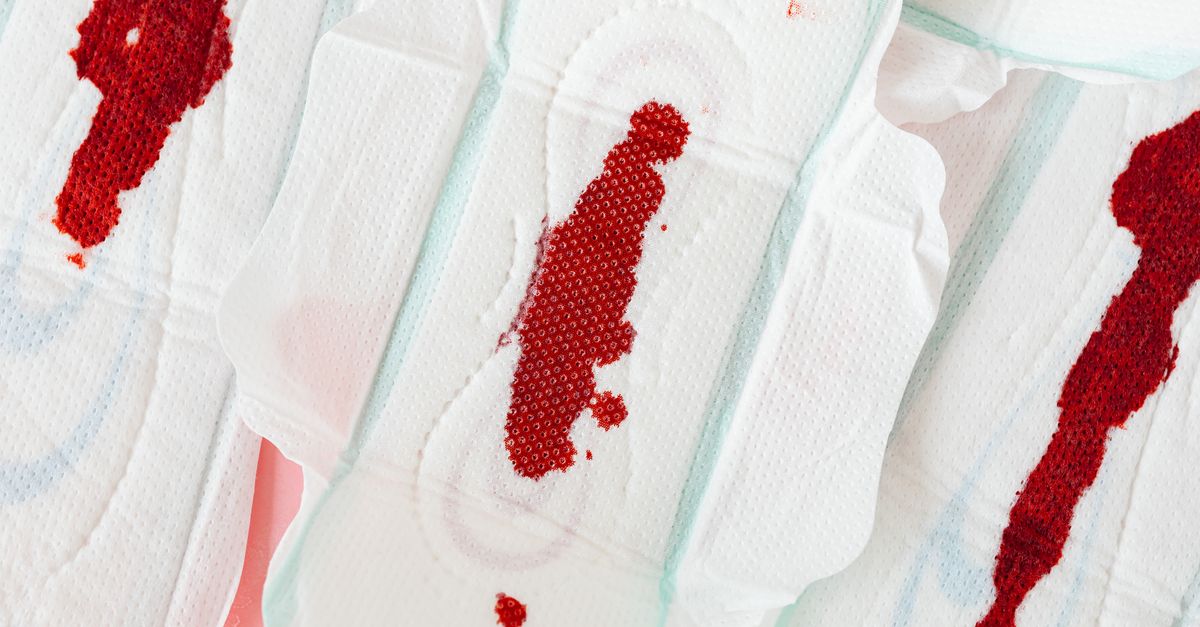
How Long Does a Heavy Period Last?
For most people, a heavy period lasts between 5 and 7 days, with the heaviest flow occurring in the first 2 to 3 days. Bleeding beyond 7 days, soaking through a pad or tampon every hour for several hours, or passing large clots regularly are signs that something beyond normal variation may be happening — and those patterns are worth discussing with a healthcare provider.
---
What Counts as a Heavy Period?
Heavy menstrual bleeding (HMB) has a clinical definition: losing more than 80 mL of blood per cycle, enough to interfere with daily life. In practice, most clinicians use qualitative markers because measuring blood volume at home isn't feasible. The key indicators include:
- Soaking through one or more pads or tampons every hour for several consecutive hours
- Needing to use double protection (pad plus tampon) to manage flow
- Waking at night to change protection
- Passing blood clots larger than a quarter
- Experiencing fatigue or shortness of breath during your period — signs of iron-deficiency anemia from blood loss
According to the American College of Obstetricians and Gynecologists (ACOG), heavy menstrual bleeding affects up to 1 in 3 women at some point in their reproductive lives. It is one of the most common reasons for gynecological consultations worldwide.
If you're unsure whether your symptoms qualify, it's worth reading about what the first signs of a heavy period look like — early recognition can help you track patterns over time.
---
How Long Should a Period Last — Heavy or Not?
A normal menstrual cycle runs 21 to 35 days from the first day of one period to the first day of the next. The period itself (the bleeding phase) typically lasts 3 to 7 days. Heavy flow concentrated in the first 2 to 3 days is common and not automatically a cause for concern.
When bleeding extends past 7 days consistently, or when the volume is high throughout the entire duration, that pattern shifts from "heavy" to potentially pathological — a distinction that matters clinically.
| Flow Pattern | Typical Duration | Concern Level |
|---|---|---|
| Light to moderate | 3–5 days | Normal |
| Heavy first 2–3 days, tapering | 5–7 days | Normal |
| Heavy throughout | 5–7 days | Monitor closely |
| Any flow beyond 7 days | 8+ days | Discuss with provider |
| Soaking hourly for multiple hours | Any duration | Seek prompt evaluation |
---
Why Does Heavy Bleeding Last Longer in Some People?
The duration and intensity of menstrual bleeding is regulated by a complex interplay of hormones, uterine structure, and prostaglandin activity. Several conditions are associated with prolonged or heavier periods:
Hormonal imbalances: Estrogen dominance relative to progesterone causes the uterine lining (endometrium) to build up more than usual, leading to heavier and sometimes longer shedding. This pattern is particularly common during perimenopause, when ovulation becomes irregular and progesterone production drops. If you're wondering how long perimenopause lasts, the hormonal fluctuations during this phase can extend or intensify periods for years.
Uterine fibroids and polyps: Structural changes to the uterus are among the most common identifiable causes of HMB. Submucosal fibroids, in particular, distort the uterine cavity and increase bleeding surface area.
Endometriosis: When endometrial-like tissue grows outside the uterus, it can cause prolonged, painful periods. This condition affects roughly 10% of reproductive-age women globally (Zondervan et al., New England Journal of Medicine 2020; PMID: 31995679). Understanding how long endometriosis lasts as a condition is important context for anyone managing this diagnosis.
Thyroid dysfunction: Both hypothyroidism and hyperthyroidism can disrupt menstrual regularity and flow volume. The thyroid gland interacts directly with the hypothalamic-pituitary-ovarian axis that governs the menstrual cycle.
Coagulation disorders: Von Willebrand disease and other bleeding disorders are underdiagnosed in women with HMB — studies suggest they account for up to 13% of cases (Shankar et al., Obstetrics & Gynecology 2004; PMID: 15051558).
Nutritional deficiencies: Iron deficiency is both a consequence and, some evidence suggests, a contributor to heavier periods. Low ferritin impairs platelet function and reduces the blood's clotting efficiency. Deficiencies in magnesium and zinc also influence prostaglandin synthesis and uterine muscle contractility.
---
How Iron Deficiency and Heavy Periods Fuel Each Other
One of the most clinically significant — and underappreciated — aspects of heavy menstrual bleeding is the iron loss cycle it creates. Each milliliter of menstrual blood contains approximately 0.5 mg of elemental iron. A cycle involving 80+ mL of blood loss can deplete 40 mg of iron or more, far exceeding the amount most diets replace in a day.
Iron-deficiency anemia from menstrual blood loss is the most common nutritional deficiency among women of reproductive age worldwide, according to the World Health Organization. Symptoms — fatigue, brain fog, cold intolerance, brittle nails — are frequently dismissed as PMS or stress rather than investigated as signs of depleted iron stores.
Low serum ferritin (the storage form of iron) is detectable on a standard blood panel. Research published in the Journal of Obstetrics and Gynaecology Canada found that treating iron deficiency improved menstrual bleeding outcomes in a subset of patients, suggesting the relationship may be bidirectional (Milman, 2011; PMID: 21846486).
You may also notice symptoms beyond fatigue. Brittle nails during a heavy period and dry skin changes can both reflect the downstream impact of chronic iron loss on tissue health and nutrient availability.
---
What Else Changes During a Heavy Period?
Heavy periods don't occur in isolation — they ripple across multiple body systems. Some of the most commonly reported accompanying symptoms include:
- Bloating and cramping: Prostaglandins that trigger uterine contractions also affect the gastrointestinal tract. Bloating during a heavy period is extremely common and tends to peak alongside the heaviest flow days.
- Anxiety and mood shifts: Hormonal fluctuations, iron depletion, and disturbed sleep from managing heavy flow all contribute to mood instability. Research has linked iron deficiency specifically to increased anxiety-like symptoms in women of reproductive age (Vahdat Shariatpanaahi et al., European Journal of Clinical Nutrition 2007; PMID: 16929242).
- Fatigue and low energy: The combination of blood loss, poor sleep, and iron depletion makes deep fatigue one of the most disabling aspects of HMB for many people.
- Joint discomfort: Inflammatory prostaglandins and the hormonal shifts of the luteal phase can trigger joint pain during a heavy period that many people don't connect to their cycle at all.
---
When to See a Healthcare Provider About Period Length
Most people tolerate heavy periods for months or years before seeking evaluation, partly because HMB is so normalized in cultural conversation. But there are clear thresholds that warrant prompt attention:
- Bleeding that lasts more than 7 days in two or more consecutive cycles
- Soaking through a pad or tampon every hour for two or more consecutive hours
- Passing clots larger than a quarter
- Symptoms of anemia: extreme fatigue, pallor, shortness of breath, rapid heartbeat
- Pelvic pain that is new, worsening, or does not follow your usual pattern
- Any period-related symptoms that impair your ability to work, exercise, or sleep
Evaluation typically includes a pelvic exam, pelvic ultrasound, and blood work including a complete blood count, ferritin, thyroid panel, and coagulation studies. Identifying the root cause — structural, hormonal, or nutritional — drives treatment decisions.
---
What This Means for Your Formula
Nutritional support won't shorten a period caused by fibroids or a coagulation disorder, but it can meaningfully address the downstream depletion that heavy periods create — and support the hormonal and inflammatory environment that influences cycle health.
Here are three areas where targeted supplementation, calibrated to your actual lab results, can make a difference:
Iron (as bisglycinate or ferrous sulfate): Iron replacement is the most direct nutritional response to HMB-related deficiency. Bisglycinate forms are better tolerated and more bioavailable than ferrous sulfate for many people. Dosing must be individualized — too little fails to replete stores; too much causes oxidative stress and GI distress. This is precisely why Ones uses blood work, including ferritin levels, to determine whether and how to include iron in a custom formula rather than guessing at a standard dose.
Magnesium Glycinate: Magnesium plays a central role in prostaglandin regulation and smooth muscle function. A double-blind trial found that magnesium supplementation significantly reduced dysmenorrhea scores compared to placebo (Zahradnik et al., Magnesium Research 2010; PMID: 21154195), suggesting its relevance extends beyond general relaxation to menstrual-specific mechanisms. Ones includes magnesium glycinate as part of its Magnesium Complex blend, dosed based on dietary intake patterns and symptom signals.
Zinc: Zinc modulates the production of prostaglandin E2 and F2α, both of which drive uterine contractions and inflammation during menstruation. Clinical evidence suggests zinc supplementation reduces the severity of dysmenorrhea and may influence flow volume over time (Zekavat et al., Journal of Obstetrics and Gynaecology 2015; PMID: 25706955). Ones includes zinc as an individual active, with dosing calibrated to avoid competing with copper absorption — a nuance that generic multivitamins routinely miss.
For people whose heavy periods are intertwined with hormonal imbalances — particularly during perimenopause or postpartum recovery — Ones may also incorporate its Endocrine Support blend or Adrenal Support system blend, targeting the upstream hormonal signals that shape menstrual cycle length and intensity.
---
Key Takeaways
- A heavy period typically lasts 5–7 days, with the heaviest flow in the first 2–3 days; bleeding beyond 7 days consistently is a signal to investigate further.
- Heavy menstrual bleeding affects up to 1 in 3 women and is defined clinically as losing more than 80 mL of blood per cycle.
- Common causes include hormonal imbalances (especially low progesterone), uterine fibroids, endometriosis, thyroid dysfunction, and bleeding disorders.
- Heavy periods create an iron-loss cycle that can lead to iron-deficiency anemia, with symptoms like fatigue, brain fog, brittle nails, and anxiety that are often misattributed.
- Nutritional deficiencies in iron, magnesium, and zinc all intersect with menstrual cycle health — but dosing must match your actual lab values, not a generic formula.
- If your period consistently runs longer than 7 days, soaking through protection hourly, or causing anemia symptoms, consult a healthcare provider for a full evaluation before relying on supplementation alone.
---
This article is for informational purposes only and does not constitute medical advice. Always consult a qualified healthcare provider for diagnosis and treatment of menstrual health concerns.