Women's Health
How Much Creatine Do You Need for PCOS?
Women with PCOS often struggle with low energy, poor exercise recovery, and insulin resistance — and creatine is emerging as a targeted tool for all three. The evidence points to a specific dose range and timing window, but the benefits aren't automatic if your baseline creatine status is already adequate.
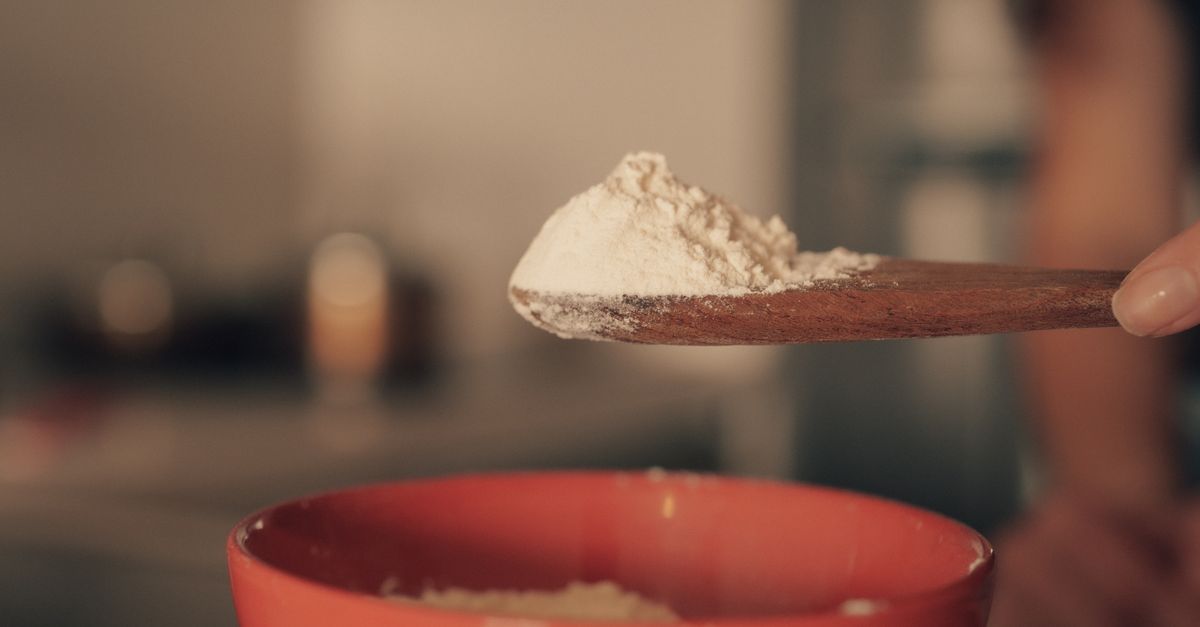
How Much Creatine Do You Need for PCOS?
For most women with PCOS, 3–5 grams of creatine monohydrate daily is the evidence-supported dose. It can improve muscle phosphocreatine stores, support insulin sensitivity, and reduce exercise-related fatigue. The main caveat: benefits are most pronounced if you eat little or no meat, since omnivores may already have adequate tissue creatine. The exception is women with insulin-resistant PCOS who exercise regularly — they tend to see the strongest response regardless of diet.
Why Creatine Matters in PCOS
Polycystic ovary syndrome is not simply a hormonal condition. At its root, PCOS involves mitochondrial dysfunction, impaired glucose uptake in skeletal muscle, and chronic low-grade inflammation — all areas where creatine has documented mechanistic relevance.
Creatine is a nitrogenous compound synthesized in the liver, kidneys, and pancreas from arginine, glycine, and methionine. Once stored in muscle as phosphocreatine, it regenerates ATP during high-intensity effort, meaning your cells can sustain output longer before fatigue sets in. But creatine's role goes beyond raw performance: it also modulates glucose transporter-4 (GLUT-4) expression in muscle tissue, which is the exact pathway impaired in insulin-resistant PCOS.
A 2021 systematic review in Nutrients confirmed that creatine supplementation in women produced significant improvements in lean mass and functional strength, particularly in those with lower baseline dietary creatine intake — a common scenario in women who follow vegetarian or low-meat diets (Lanhers et al., Nutrients 2017; PMID: 28661456).
Women with PCOS also tend to have elevated androgen levels and altered body composition. Higher androgen exposure can increase fat mass relative to lean mass, and since creatine preferentially supports skeletal muscle retention, it may partially counteract this shift.
What Is the Right Creatine Dose for PCOS?
The question "how much creatine do I need in PCOS?" doesn't have a single fixed answer, but clinical research narrows it considerably.
Standard maintenance dose: 3–5 grams per day
Loading phase (optional): 20 grams per day divided into 4 doses for 5–7 days, then drop to maintenance
For women under 130 lbs: 3 grams per day is sufficient
For women over 175 lbs or highly active: 5 grams per day
Loading saturates muscle stores faster but is not required. Most researchers studying women skip the loading protocol because gastrointestinal discomfort is more common at high single doses and the long-term outcome is identical — full saturation occurs within 3–4 weeks at 3 g/day (Hultman et al., Journal of Applied Physiology 1996; PMID: 8887165).
For women with insulin-resistant PCOS, timing matters (discussed below), but the dose itself is the same. There is no published evidence that higher doses — 10 g or more — add benefit beyond saturation, and excess creatine is simply excreted as creatinine.
Creatine Monohydrate vs. Other Forms
Creatine monohydrate is the most studied form by a significant margin. Creatine HCl and buffered creatine are marketed as gentler on the stomach, but no peer-reviewed trial in women has demonstrated superior efficacy. Stick with monohydrate at a clinically validated dose.
| Form | Bioavailability | Evidence Base | Relative Cost |
|---|---|---|---|
| Creatine Monohydrate | High | Extensive (100+ RCTs) | Low |
| Creatine HCl | Similar | Limited | High |
| Buffered Creatine | Similar | Minimal | High |
| Creatine Ethyl Ester | Lower | Weak | Moderate |
Signs of Creatine Monohydrate Deficiency
The phrase "creatine deficiency" usually refers to genetic disorders of creatine synthesis (AGAT, GAMT mutations) — rare conditions that cause severe developmental delay. But functional low creatine status is more common than most people realize and is relevant to PCOS for two reasons: women synthesize less creatine than men, and plant-based or low-meat diets provide almost zero dietary creatine.
Signs that your creatine status may be suboptimal include:
- Persistent muscular fatigue out of proportion to your workout load
- Poor recovery between sessions (still sore 48–72 hours later)
- Difficulty building or maintaining lean mass despite adequate protein intake
- Brain fog or difficulty with working memory (creatine also fuels neurons)
- Rapid exhaustion during short, intense efforts (sprinting, heavy lifting)
A 2022 narrative review noted that women have approximately 70–80% lower resting muscle creatine stores than men at equivalent body mass, partly due to lower endogenous synthesis and partly due to lower average dietary intake (Smith-Ryan et al., Sports Medicine 2021; PMID: 34091872). This gap makes supplementation more impactful for women in absolute terms.
For women with PCOS who are also managing energy dysregulation — fatigue is among the top reported symptoms — low creatine status is a plausible but underdiagnosed contributor. If you're exercising regularly and still feel like your tank is half-empty, this is worth investigating before defaulting to stimulants.
If you're also exploring creatine for cognitive support or broader body composition goals, the full evidence summary in our creatine benefits and side effects guide is a useful companion read.
Creatine Monohydrate Before or After Workout
For PCOS specifically, post-workout creatine has a theoretical edge. Here's why: resistance exercise acutely upregulates GLUT-4 translocation in skeletal muscle — the same transporter that is blunted by insulin resistance in PCOS. Taking creatine after a workout, when muscle is in an insulin-sensitized state and actively rebuilding phosphocreatine stores, may enhance uptake.
A 2013 randomized controlled trial by Candow et al. (Journal of the International Society of Sports Nutrition 2013; PMID: 24015582) compared pre- vs. post-exercise creatine supplementation and found that post-workout creatine produced slightly greater lean mass gains and strength improvements, though the difference was modest. Both timing windows produced significant results compared to placebo.
Practical protocol for women with PCOS:
- Take 3–5 g creatine monohydrate immediately after resistance training on workout days.
- On rest days, take it at any fixed time — consistency matters more than clock position on non-training days.
- Combine with a meal containing carbohydrates and protein to leverage the insulin spike for creatine transport into muscle.
- Stay well hydrated — creatine draws water into muscle cells and mild dehydration can cause cramping.
For a broader look at how workout timing intersects with supplementation, our piece on magnesium citrate before or after a workout covers similar timing logic for another key mineral.
Women who are also navigating perimenopause alongside PCOS-adjacent hormonal changes may find the dosing discussion in how much creatine do you need in perimenopause directly relevant.
Creatine Monohydrate Long Term Side Effects
Creatine is among the most safety-validated supplements in sports nutrition. The International Society of Sports Nutrition's 2017 position statement concluded that long-term creatine supplementation (up to 5 years in monitored populations) is safe in healthy adults, with no adverse effects on kidney function, liver enzymes, or cardiovascular markers (Kreider et al., JISSN 2017; PMID: 28615996).
For women with PCOS, a few nuances are worth noting:
Creatinine elevation on labs: Creatine supplementation increases serum creatinine — a routine kidney function marker — by roughly 0.1–0.3 mg/dL. This is not a sign of kidney damage; it reflects normal creatine metabolism. If your doctor sees a slightly elevated creatinine and you're supplementing, mention it. Some practitioners unfamiliar with this effect will flag it unnecessarily.
Water retention: Creatine causes intracellular fluid shifts, not subcutaneous bloating. The scale may go up 1–2 lbs in the first week. This is muscle hydration, not fat gain — but it can feel alarming if you're not expecting it.
Hormonal effects: No published evidence links creatine supplementation to worsened androgen levels or menstrual irregularity in women with PCOS. One small trial even suggested improved hormonal ratios with resistance training plus creatine compared to training alone, though the study was underpowered to draw firm conclusions.
GI discomfort: Most common during loading phases or when taking large single doses on an empty stomach. The solution is simple: use 3–5 g daily without loading, and take it with food.
If you're also concerned about long-term effects of other forms like magnesium threonate alongside creatine, magnesium L-threonate long term side effects covers the safety profile in detail.
Natural Sources of Creatine Monohydrate
Creatine occurs naturally in vertebrate muscle tissue. If you consume animal protein, you're already getting some dietary creatine — but likely not enough to saturate muscle stores.
| Food Source | Creatine per 100g (raw) |
|---|---|
| Herring | 6.5–10 g |
| Pork | 5 g |
| Beef | 4.5 g |
| Salmon | 4.5 g |
| Tuna | 4 g |
| Chicken breast | 3.4 g |
| Cod | 3 g |
| Cow's milk | 0.1 g |
The problem: cooking destroys a significant portion of creatine. A typical cooked serving of beef delivers roughly 1–2 g of usable creatine. To hit even a 3 g daily supplemental target through food alone, you would need to eat approximately 500–700 g of raw meat per day — which is neither practical nor advisable.
For women with PCOS following vegetarian, vegan, or low-meat diets for insulin management or ethical reasons, dietary creatine is effectively zero. This makes supplementation not optional but necessary to achieve tissue saturation. A 2011 study in the British Journal of Nutrition confirmed that vegetarians show the largest performance and cognitive improvements from creatine supplementation, consistent with a larger baseline deficit (Benton & Donohoe, British Journal of Nutrition 2011; PMID: 21118604).
Note that creatine monohydrate supplements are synthesized from sarcosine and cyanamide — a process that does not involve animal products. Many products are technically vegan despite sounding animal-derived.
What This Means for Your Formula
Creatine sits at an interesting intersection for PCOS: it's not a traditional "PCOS supplement" like inositol or omega-3, but it addresses several of the downstream effects that make PCOS difficult to manage — poor energy, insulin resistance in muscle, and difficulty building lean mass despite effort.
Ones doesn't currently include creatine monohydrate in its capsule catalog (creatine doses are too large for capsule delivery at clinical amounts), but several ingredients in the Ones catalog directly complement creatine's mechanisms in PCOS:
- Omega-3 (EPA/DHA): Clinical evidence supports omega-3 supplementation for reducing triglycerides and improving insulin sensitivity in PCOS. It also reduces exercise-induced inflammation that can impair recovery between sessions — the same recovery gap creatine partially fills. For PCOS-specific omega-3 dosing, see how much omega-3 do you need for PCOS.
- Zinc: Zinc deficiency is disproportionately prevalent in PCOS and impairs both insulin signaling and ovarian function. Ones includes zinc at doses calibrated to correct deficiency without risking copper depletion.
- Endocrine Support (System Blend): Ones' proprietary Endocrine Support blend addresses hormonal signaling pathways relevant to PCOS, including adrenal and thyroid cross-talk that can compound insulin resistance.
If you're using Ones, your AI-driven formula assessment will flag low energy, poor recovery, or insulin-resistance markers from your blood work and wearable data — and the formula will be adjusted to address those root causes with ingredients dosed to clinical ranges.
Key Takeaways
- Target dose is 3–5 grams per day of creatine monohydrate; loading is optional and generally not recommended for women.
- Post-workout timing is slightly superior for muscle uptake, especially in insulin-resistant PCOS, but consistency across any fixed time matters more than perfect timing.
- Low functional creatine status is common in women — particularly those eating little meat — and mimics the fatigue and poor recovery patterns already prevalent in PCOS.
- Long-term safety is well-established at up to 5 years of monitored use; the creatinine elevation seen on lab panels is benign and not a sign of kidney stress.
- Food sources alone are insufficient to achieve clinical creatine saturation; supplementation with monohydrate is the only practical route.
- Creatine works best alongside resistance training — without a training stimulus, the muscle adaptations and GLUT-4 upregulation that drive its PCOS-relevant benefits are reduced.