Women's Health
What Is a Normal Prolactin Level in PCOS?
Elevated prolactin shows up in roughly 20–30% of women with PCOS, yet it often goes unexamined on standard hormone panels. When prolactin climbs too high, it suppresses ovulation, deepens cycle irregularity, and can mimic — or coexist with — a pituitary problem. Understanding what a normal range looks like in the context of PCOS is the first step toward addressing it.
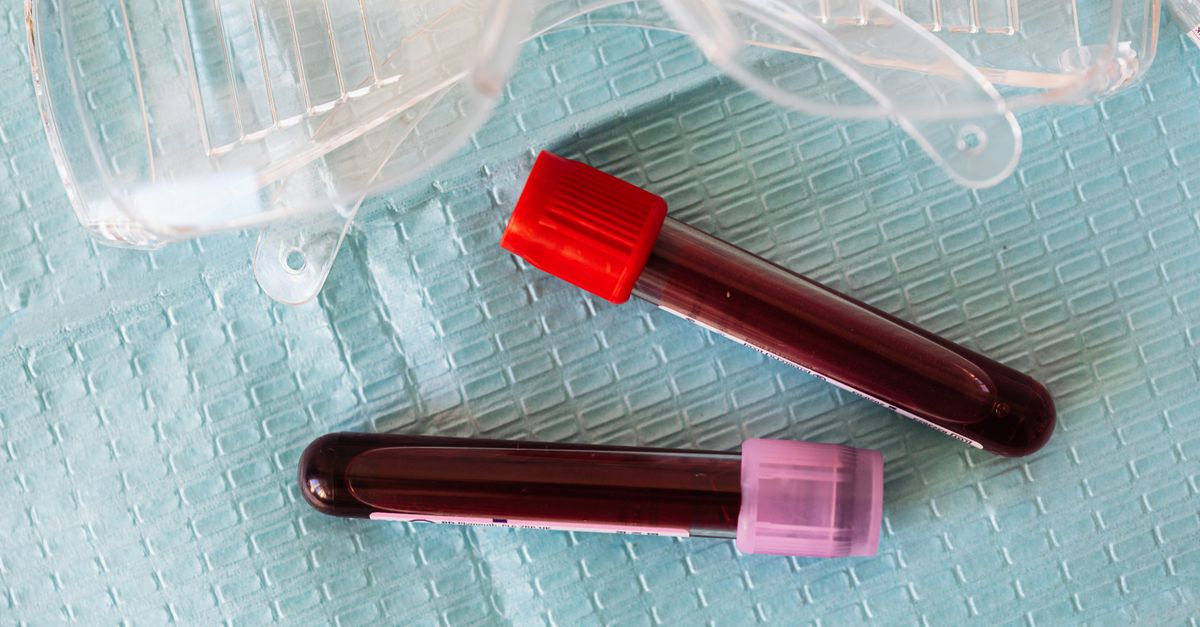
What Is a Normal Prolactin Level in PCOS?
For most women with PCOS, a normal prolactin level falls between 2 and 29 ng/mL — the same reference range used in the general population. The key caveat is that PCOS itself can push prolactin into a mildly elevated zone (25–50 ng/mL) without a pituitary cause, so the clinical threshold for concern is different. The exception: prolactin consistently above 100 ng/mL requires imaging to rule out a prolactinoma before attributing the elevation to PCOS alone.
---
Understanding Prolactin: What It Is and Why It Matters in PCOS
Prolactin is a peptide hormone produced by the lactotroph cells of the anterior pituitary gland. Its primary textbook role is stimulating breast milk production after childbirth, but prolactin receptors are distributed throughout the ovaries, adrenal glands, liver, and immune cells — meaning its influence extends well beyond lactation.
In the context of PCOS, prolactin interacts with the hormonal cascade that is already dysregulated. The condition is characterized by elevated androgens, disrupted LH/FSH ratios, and often insulin resistance. Prolactin layers onto this by suppressing pulsatile GnRH secretion from the hypothalamus, which in turn blunts LH and FSH release. The result is a worsening of the anovulatory cycle pattern that defines PCOS for many women (Balen AH, Human Reproduction 1993; PMID: 8395401).
Estrogen stimulates prolactin secretion, and women with PCOS often have chronically elevated estrogen relative to progesterone. This creates a feedback loop: high estrogen drives more prolactin, more prolactin suppresses ovulation, less ovulation means less progesterone, and lower progesterone allows estrogen dominance to persist.
---
What Lab Values Are Considered Normal, Borderline, and High?
Lab reference ranges differ slightly between assays and laboratories, but the following tiers reflect clinical consensus based on immunoassay methodology:
| Prolactin Level (ng/mL) | Category | Clinical Interpretation |
|---|---|---|
| 2 – 29 | Normal | No action needed; consistent with PCOS or non-PCOS baseline |
| 30 – 50 | Mildly elevated (hyperprolactinemia) | Often attributed to PCOS, stress, medication, or macroprolactin; repeat testing warranted |
| 51 – 100 | Moderately elevated | Further workup recommended; thyroid and drug causes must be excluded |
| > 100 | Markedly elevated | MRI pituitary indicated to rule out prolactinoma |
| > 200 | Strongly suggests prolactinoma | Endocrinology referral urgent |
It is worth noting that prolactin is highly sensitive to acute stressors — a stressful blood draw, recent sexual activity, vigorous exercise, or even a heavy meal can transiently spike values by 30–50%. This is why a single elevated result rarely changes management; at least two fasting, unstressed samples taken 2–4 weeks apart are considered necessary before concluding that true hyperprolactinemia exists (Vilar L et al., Pituitary 2008; PMID: 18404383).
If your PCOS workup has also flagged thyroid markers, that connection is clinically important: hypothyroidism raises thyrotropin-releasing hormone (TRH), which stimulates prolactin release. Always review thyroid antibodies alongside prolactin — you can read more about interpreting thyroid markers in PCOS in our guide to normal thyroid antibody levels in PCOS.
---
Why PCOS Raises Prolactin: The Mechanisms
Several overlapping pathways explain why prolactin tends to run higher in PCOS compared to age-matched controls without the condition.
1. Estrogen excess relative to progesterone
Estrogen directly stimulates pituitary lactotrophs. Anovulatory women with PCOS produce little or no progesterone in the luteal phase, leaving estrogen's stimulatory effect on prolactin release unchecked.
2. Opioid-mediated GnRH suppression
Endogenous opioids (beta-endorphins) are elevated in PCOS and suppress dopamine tone. Since dopamine is the primary inhibitor of prolactin secretion, reduced dopamine activity lets prolactin drift upward (Blank SK et al., Fertility and Sterility 2007; PMID: 17588558).
3. Insulin resistance and hyperinsulinemia
Insulin stimulates ovarian androgen production, but it also has direct effects at the pituitary. Hyperinsulinemia may amplify lactotroph sensitivity to estrogen, partially explaining why insulin-sensitizing interventions sometimes modestly reduce prolactin in PCOS.
4. Chronic low-grade inflammation
CRP and inflammatory cytokines (IL-6, TNF-α) are chronically elevated in many women with PCOS. Inflammatory signaling can upregulate pituitary prolactin gene expression. Reviewing your CRP level in the context of PCOS alongside prolactin gives a more complete picture of the inflammatory contribution.
5. Hypothalamic dopamine dysregulation
MRI and pharmacological challenge studies suggest that the dopaminergic regulation of GnRH pulsatility is globally altered in PCOS, and this same dopamine disruption is a core mechanism for elevated prolactin (McCartney CR & Marshall JC, New England Journal of Medicine 2016; PMID: 27959614).
---
Symptoms That Suggest Your Prolactin Is Too High
Mildly elevated prolactin (30–50 ng/mL) is often asymptomatic. As levels climb, the following symptoms become more likely:
- Irregular or absent periods — anovulation becomes more pronounced
- Difficulty conceiving — LH surge is blunted, preventing egg release
- Galactorrhea — spontaneous milky nipple discharge unrelated to breastfeeding; present in roughly 30–80% of frank hyperprolactinemia cases
- Low libido — prolactin suppresses testosterone and reduces central dopamine reward
- Breast tenderness — independent of cycle phase
- Headaches or visual changes — only if a macroadenoma is present and compressing the optic chiasm; rare
- Mood disturbance and anxiety — dopamine suppression has downstream effects on mood circuits
Many of these symptoms overlap with other PCOS features or with hypothyroidism. This is why pattern recognition across multiple lab markers — not prolactin in isolation — drives better clinical decisions. For example, elevated homocysteine commonly coexists with hormonal irregularity; see what is a normal homocysteine level in PCOS for context on that marker.
---
How Prolactin Is Tested and What Affects the Result
Prolactin is measured from a standard serum blood draw. For the most accurate result, follow these pre-test guidelines:
- Fast for at least 2–3 hours before the draw (water is fine).
- Avoid vigorous exercise for 24 hours prior.
- Schedule the draw mid-morning (9–11 AM) — prolactin follows a circadian rhythm and is highest during and immediately after sleep.
- Avoid sexual stimulation in the 24 hours before the draw — orgasm transiently elevates prolactin by 300–400%.
- Be well-rested — sleep deprivation acutely raises prolactin.
- Disclose all medications — antipsychotics (dopamine antagonists), SSRIs, some antiemetics (metoclopramide), opioids, and high-dose antihypertensives all raise prolactin pharmacologically.
If your first result is elevated, macroprolactin (a large, immunologically active but biologically inert form bound to IgG antibody) should be ruled out. It is present in 10–26% of people with apparent hyperprolactinemia and causes no symptoms (Gibney J et al., Journal of Clinical Endocrinology & Metabolism 1999; PMID: 10022423). Polyethylene glycol (PEG) precipitation testing separates macroprolactin from biologically active monomeric prolactin and is widely available.
---
Conditions That Mimic High Prolactin or Coexist with PCOS
Before attributing a high prolactin result to PCOS, clinicians systematically exclude:
- Hypothyroidism — elevated TRH drives prolactin; normalizing thyroid function often corrects mild hyperprolactinemia
- Prolactinoma — the most common pituitary tumor; microadenomas (<10 mm) may be found incidentally
- Drug-induced hyperprolactinemia — dopamine antagonists are the most common pharmacological cause
- Renal or hepatic failure — both impair prolactin clearance
- Chest wall injury or breast stimulation — afferent nerve signals mimic a suckling reflex
- Hypothalamic lesions — interrupt dopaminergic inhibition
When a woman has both PCOS and a prolactinoma, the hormonal overlap can complicate diagnosis significantly. Elevated LH, elevated androgens, and anovulation appear in both conditions; imaging and careful interpretation of LH:FSH ratios alongside prolactin are needed to distinguish them.
---
Natural and Clinical Strategies to Support Normal Prolactin Levels
If your prolactin is mildly elevated (30–60 ng/mL) in the context of PCOS and secondary causes have been excluded, several evidence-informed strategies may help:
Manage stress and normalize dopamine tone
Chronic psychological stress elevates cortisol, which suppresses dopamine turnover, permitting prolactin to rise. Adaptogenic herbs that support the HPA axis — particularly those affecting cortisol pulsatility — can indirectly buffer the dopamine-prolactin axis. A 2012 randomized controlled trial found that KSM-66 ashwagandha (600 mg/day) reduced serum cortisol by 27.9% versus placebo over 60 days in chronically stressed adults (Chandrasekhar K et al., Indian Journal of Psychological Medicine 2012; PMID: 23439798).
Optimize thyroid function
Subclinical hypothyroidism is common in PCOS and directly elevates prolactin through TRH stimulation. Supporting thyroid function through adequate iodine, selenium, and zinc status is a first step before any prolactin-specific intervention. Normal free T4 levels in PCOS are important to confirm in this context.
Address insulin resistance
Insulin-sensitizing interventions — dietary carbohydrate reduction, inositol supplementation, and regular resistance training — reduce hyperinsulinemia and may modestly lower the estrogen-driven prolactin stimulus.
Maintain adequate magnesium status
Magnesium deficiency is prevalent in PCOS and impairs hypothalamic dopamine signaling. Correcting deficiency supports neurotransmitter synthesis pathways broadly, including those governing dopamine tone. For more on what adequate magnesium looks like in PCOS, see normal magnesium levels in PCOS.
Medical management when warranted
For clinically significant hyperprolactinemia (symptomatic, or consistently above 50 ng/mL), dopamine agonists — cabergoline or bromocriptine — are the standard of care. Cabergoline normalizes prolactin in over 85% of cases and is better tolerated than bromocriptine (Colao A et al., Journal of Clinical Endocrinology & Metabolism 2001). Your healthcare provider will determine whether pharmacological treatment is appropriate.
---
What This Means for Your Formula
Ones is an AI-driven personalized supplement platform that analyzes lab results — including hormonal panels — alongside wearable data and health history to build custom daily capsule formulas. For women with PCOS and mildly elevated prolactin, the relevant ingredients are those that work upstream on the HPA-hypothalamic axis rather than acting on prolactin directly.
KSM-66 Ashwagandha (600 mg): The clinical dose used in the Chandrasekhar 2012 cortisol RCT. By reducing cortisol dysregulation, ashwagandha supports dopamine tone and may help prevent the stress-induced prolactin drift common in PCOS. Ones includes KSM-66 at this full 600 mg dose when cortisol or stress markers indicate the need.
Magnesium Glycinate (from Magnesium Complex): Magnesium is a co-factor in COMT enzyme activity, which is involved in dopamine breakdown. Ensuring adequate magnesium status supports the broader neurotransmitter environment that keeps prolactin regulated. Ones' Magnesium Complex delivers magnesium glycinate — the chelated form with the best GI tolerability and absorption — at doses calibrated to individual lab levels.
Zinc: Zinc deficiency impairs pituitary sensitivity to hypothalamic signals and is disproportionately common in PCOS due to chronic inflammation and insulin resistance. Zinc at 15–25 mg is included in Ones formulas when lab or symptom data suggests deficiency, supporting both thyroid and reproductive hormone regulation.
Formulas are built by the Ones AI practitioner based on what your data actually shows — ingredients are included because your panel calls for them, not as a default stack.
---
Key Takeaways
- Normal prolactin in PCOS is 2–29 ng/mL, the same as the general population; mild elevations of 30–50 ng/mL are common in PCOS and may not indicate a pituitary disorder.
- Multiple mechanisms drive elevated prolactin in PCOS, including estrogen dominance, reduced dopamine tone, insulin resistance, and chronic inflammation.
- Testing accuracy matters: always collect a fasting, mid-morning, unstressed sample; repeat any elevated result before acting on it; and rule out macroprolactin.
- Secondary causes — especially hypothyroidism and prolactinoma — must be excluded before attributing elevated prolactin to PCOS alone.
- Lifestyle, stress management, and targeted supplementation can support prolactin regulation when levels are mildly elevated; dopamine agonists are the medical standard for clinical hyperprolactinemia.
- Prolactin does not live in isolation: reviewing it alongside thyroid markers, CRP, homocysteine, and magnesium gives a far more actionable picture of what is driving hormonal irregularity in PCOS.
---
This article is for informational purposes only and does not constitute medical advice. Always consult a qualified healthcare provider before making changes to your supplement or medication regimen.