Supplements
How Much Ferrous Bisglycinate Is Too Much?
Ferrous bisglycinate absorbs up to 4× better than ferrous sulfate, which means you need less of it — but also that overdosing is easier than most people expect. Understanding where the ceiling sits depends on your ferritin, hemoglobin, and individual absorption rate, not just the label dose.
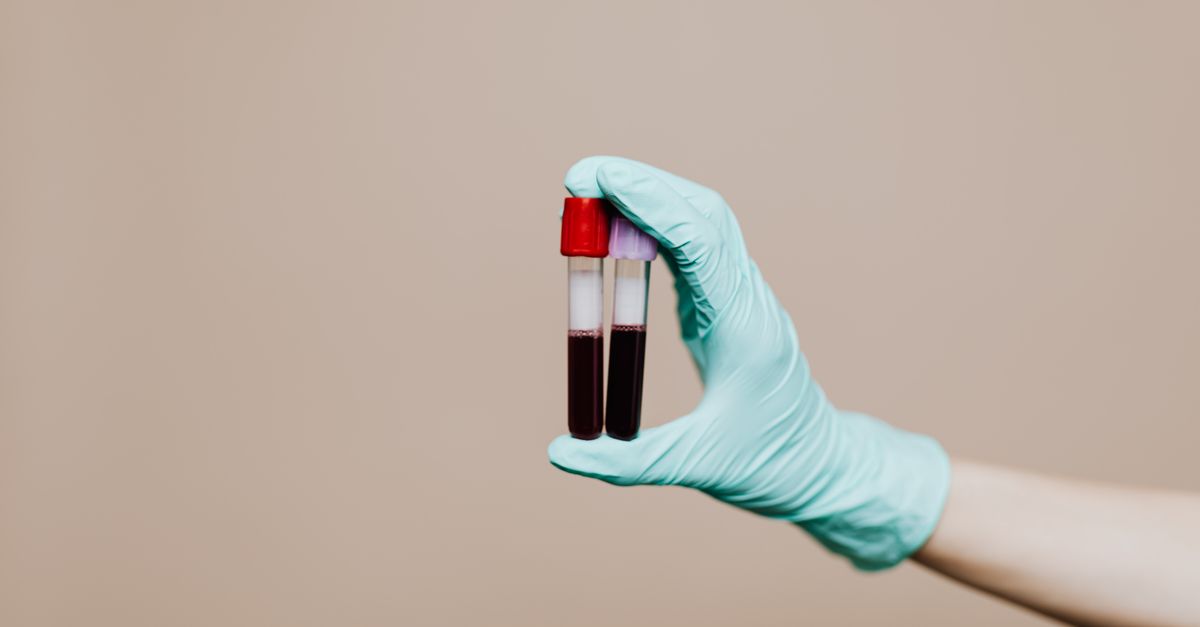
How Much Ferrous Bisglycinate Is Too Much?
For most adults, a daily elemental iron dose above 45 mg from ferrous bisglycinate starts to push past the Tolerable Upper Intake Level set by the Institute of Medicine — and because bisglycinate absorbs significantly better than standard iron salts, you can reach that threshold on a smaller pill. The main caveat: people with diagnosed iron deficiency anemia may be prescribed 60–120 mg elemental iron under clinical supervision. Everyone else should treat 45 mg elemental iron as a practical ceiling.
---
What Is Ferrous Bisglycinate and Why Does the Form Matter?
Ferrous bisglycinate is a chelated iron compound in which two glycine molecules are bonded to a ferrous (Fe²⁺) iron atom. That chelation protects the iron from competing minerals and phytates in the gut, shuttling it through intestinal mucosal cells via the peptide transporter PEPT-1 rather than the standard divalent metal transporter-1 (DMT-1) pathway. The practical result is dramatically higher bioavailability at lower doses.
A randomized controlled trial by Bovell-Benjamin et al. demonstrated that ferrous bisglycinate produced hemoglobin responses equivalent to ferrous sulfate at roughly one-third the dose in iron-deficient women (Bovell-Benjamin et al., Journal of Nutrition 2000; PMID: 10720189). That efficiency is the whole point — and it is also why dosing math matters more with bisglycinate than with cheaper iron forms.
| Iron Form | Relative Bioavailability | Typical GI Tolerability |
|---|---|---|
| Ferrous sulfate | Baseline (1×) | Low (constipation, nausea common) |
| Ferrous gluconate | ~1.1× | Moderate |
| Ferrous bisglycinate | 2–4× | High |
| Ferric pyrophosphate | ~0.4× | High but less effective |
Because bisglycinate is better absorbed, the elemental iron dose per capsule can be set lower while still delivering a therapeutic amount. Many clinical formulations use 14–28 mg elemental iron from bisglycinate per serving — a fraction of the 65 mg elemental iron common in ferrous sulfate tablets.
---
Ferrous Bisglycinate Dosage: What the Evidence Recommends
Dosage guidance varies by population and indication. Here is how the numbers break down:
Recommended Dietary Allowances (RDA) for Iron
| Population | RDA (elemental iron) |
|---|---|
| Adult men (19–50) | 8 mg/day |
| Adult women (19–50) | 18 mg/day |
| Pregnant women | 27 mg/day |
| Postmenopausal women | 8 mg/day |
| Adolescent girls (14–18) | 15 mg/day |
Source: National Institutes of Health Office of Dietary Supplements (NIH ODS), Iron Fact Sheet for Health Professionals.
Tolerable Upper Intake Level (UL)
The UL for iron across all forms is 45 mg elemental iron per day for adults, set to avoid gastrointestinal injury and systemic iron overload. This UL applies whether the iron comes from food, ferrous sulfate, or ferrous bisglycinate — the form does not change the systemic ceiling, only how efficiently you get there.
Therapeutic Dosing Under Clinical Supervision
For confirmed iron deficiency anemia, clinicians often prescribe 100–200 mg elemental iron daily split across doses. When using ferrous bisglycinate, the same hemoglobin restoration can typically be achieved at 60–100 mg elemental iron daily due to superior absorption, reducing the side-effect burden (Szarfarc et al., Archivos Latinoamericanos de Nutrición 2001; PMID: 11688081). These doses are medical prescriptions — not supplement doses.
Maintenance and Prophylactic Supplementation
For people supplementing to maintain adequate stores without confirmed deficiency, 14–28 mg elemental iron from ferrous bisglycinate is a reasonable daily range. This aligns with several food-fortification studies that showed hemoglobin improvements in at-risk groups without approaching the UL (Hertrampf & Olivares, Nutrition 2004; PMID: 14985222).
If you are uncertain where your ferritin and transferrin saturation sit, a blood panel before starting is the single most useful step. Understanding iron biomarkers in detail can help you interpret those numbers before adjusting any dose.
---
Ferrous Bisglycinate Side Effects: What Happens When You Take Too Much
Even though bisglycinate is gentler on the gut than ferrous sulfate, excess iron is not benign. Side effects scale with dose and individual iron status — people who are already replete are at higher risk of adverse effects from any supplemental iron.
Gastrointestinal Effects
- Nausea and stomach cramping (most common, especially on an empty stomach)
- Constipation or, at high doses, paradoxical loose stools
- Dark or tarry stools (expected; not harmful but alarming if unexpected)
- Upper GI discomfort or epigastric pain
These effects are substantially lower with bisglycinate than sulfate at equivalent elemental iron doses. A crossover study found bisglycinate generated significantly fewer GI complaints than ferrous sulfate while achieving equivalent iron status improvements (Milman et al., Acta Obstetricia et Gynecologica Scandinavica 2014; PMID: 24127894).
Systemic Iron Overload
Chronic excess iron is a serious concern. Iron is a pro-oxidant: it participates in Fenton chemistry, generating hydroxyl radicals that damage lipids, DNA, and proteins. Elevated ferritin (above ~200 µg/L in women, ~300 µg/L in men) is an independent risk marker for liver damage, cardiovascular disease, and insulin resistance. People with hemochromatosis — a genetic condition affecting roughly 1 in 200 individuals of Northern European descent — should not take iron supplements without medical clearance under any circumstances.
Mineral Competition
High iron intake suppresses the absorption of zinc, copper, and manganese by competing for shared mucosal transporters. This is particularly relevant when taking an iron supplement alongside a broader stack. If you are tracking zinc alongside iron, dosing zinc correctly matters to avoid a deficiency created by your supplementation protocol.
---
Ferrous Bisglycinate Benefits: Why It Has Replaced Older Iron Forms
When dosed appropriately, ferrous bisglycinate offers a meaningful upgrade over older iron salts:
- Higher bioavailability at lower elemental doses — reduces the milligram burden needed for a therapeutic response.
- Better GI tolerability — the glycine chelation bypasses the DMT-1 pathway and reduces free iron in the GI lumen, the main driver of nausea and constipation.
- Less interference from food — unlike ferrous sulfate, bisglycinate absorption is relatively resistant to inhibition by calcium, phytates, and polyphenols, making it practical to take with meals.
- Sustained hemoglobin improvement — clinical trials show comparable or superior hemoglobin restoration versus ferrous sulfate at lower doses over 8–12 week periods.
- Reduced oxidative stress signals — preliminary data suggest chelated iron generates less luminal oxidative damage than ionic forms, though this requires larger confirmatory trials.
These benefits make it the preferred iron source in premium supplement formulas, particularly for populations who previously abandoned iron supplementation due to constipation or nausea on sulfate-based products.
---
Ferrous Bisglycinate for Sleep: Is There a Real Connection?
The link between iron and sleep is mechanistically real. Iron is a cofactor in the synthesis of dopamine and serotonin, and serotonin is the precursor to melatonin — the hormone that governs circadian signaling. Iron deficiency disrupts this pathway, which may partly explain why iron-deficient individuals frequently report insomnia, restless legs, and poor sleep quality.
Restless Legs Syndrome (RLS) has one of the strongest documented links to iron status. A systematic review found that serum ferritin below 50 µg/L is significantly associated with RLS severity, and iron supplementation — including chelated forms — improved symptoms in a meaningful proportion of patients (Allen et al., Sleep Medicine 2013; PMID: 23453966). This is a targeted, deficiency-correction benefit, not a general sleep aid.
For people without iron deficiency, supplementing iron to improve sleep has no evidence base and carries the risks outlined above. If poor sleep is driving you to investigate iron, a ferritin panel is the right first step — not a higher dose. You might also want to review what the research actually shows about melatonin dosing and its limits, since iron's role is upstream of melatonin production rather than a replacement for it.
---
Practical Overdose Risk: How to Recognize It
Acute iron poisoning is a medical emergency more common in children (who may ingest adult iron tablets), but adults are not immune to overdose, especially with high-dose therapeutic regimens.
Acute overdose warning signs (seek emergency care immediately):
- Severe abdominal pain and vomiting within 30–60 minutes of ingestion
- Hematemesis (vomiting blood) or bloody stool
- Lethargy, pallor, or altered consciousness
Chronic excess signs (see your physician):
- Persistent fatigue despite adequate iron labs (may signal ferritin overload)
- Joint pain, especially in the knuckles (early hemochromatosis sign)
- Elevated liver enzymes (ALT/AST) without other explanation
- Unexplained elevated blood glucose
A serum ferritin above 300 µg/L in women or 400 µg/L in men warrants a full iron panel and potential referral to rule out hemochromatosis or secondary iron overload. At that point, stopping supplementation — not adjusting dose — is usually the correct move.
---
What This Means for Your Formula
Iron supplementation is one of the most context-dependent decisions in nutrition, which is why personalized formulas need lab data before including it. Ones uses bloodwork — specifically ferritin, serum iron, transferrin saturation, and hemoglobin — to determine whether iron belongs in your formula at all, and if so, at what dose.
When iron is indicated, Ones uses ferrous bisglycinate dosed to match your actual deficit rather than a one-size dose. For a person with ferritin at 12 µg/L and mild anemia symptoms, the formula might include a meaningful therapeutic dose. For someone with ferritin already at 80 µg/L, iron is simply omitted — there is no benefit and meaningful risk.
Two other ingredients Ones commonly addresses alongside iron status:
- Vitamin C — even modest doses (100–200 mg) taken alongside iron significantly enhance non-heme iron absorption by reducing Fe³⁺ to the absorbable Fe²⁺ form. Ones includes this pairing when the iron dose warrants it.
- Vitamin B12 and folate — these are co-nutrients in red blood cell synthesis. Iron deficiency anemia and B12/folate deficiency anemia are clinically distinct but often co-occur; a formula addressing one without considering the other misses the full picture.
Because formula composition is driven by your data, the approach is fundamentally different from choosing a general-purpose iron supplement off a store shelf. If your labs show borderline-low ferritin and you have been struggling with fatigue or disrupted sleep, that is exactly the pattern Ones is designed to catch and address precisely.
For a broader look at what high-dose iron supplementation can do at the other end of the spectrum, iron side effects and root causes covers the lab markers worth monitoring — and iron dosage and research provides a deeper look at what "too much" means across different supplemental forms.
---
Key Takeaways
- The UL for iron is 45 mg elemental iron per day for most adults — ferrous bisglycinate's higher bioavailability means you hit that threshold on smaller pills than with ferrous sulfate.
- Therapeutic doses of 60–100 mg elemental iron from bisglycinate are used clinically for confirmed iron deficiency anemia, but these require medical supervision and baseline lab values.
- Maintenance supplementation of 14–28 mg elemental iron from bisglycinate is appropriate for at-risk groups (premenopausal women, vegetarians) without confirmed deficiency.
- Ferrous bisglycinate side effects at excessive doses include GI distress, elevated ferritin, liver stress, and interference with zinc and copper absorption.
- The sleep-iron connection is real but specific — bisglycinate may improve sleep in people with low ferritin driving RLS or disrupted melatonin synthesis, not as a general sleep supplement.
- Always test before supplementing — a ferritin and full iron panel takes the guesswork out of dose selection and prevents supplementing into an overload state.