Supplements
Can You Take Too Much Ferrous Bisglycinate?
Ferrous bisglycinate is the gentlest form of supplemental iron, but gentler on the gut doesn't mean unlimited. Iron accumulates in tissues with no regulated exit route, and excess intake — even from a well-tolerated chelated form — can drive oxidative damage to the liver, heart, and pancreas. Here's exactly where the line is, who can cross it safely, and how to know if you've gone too far.
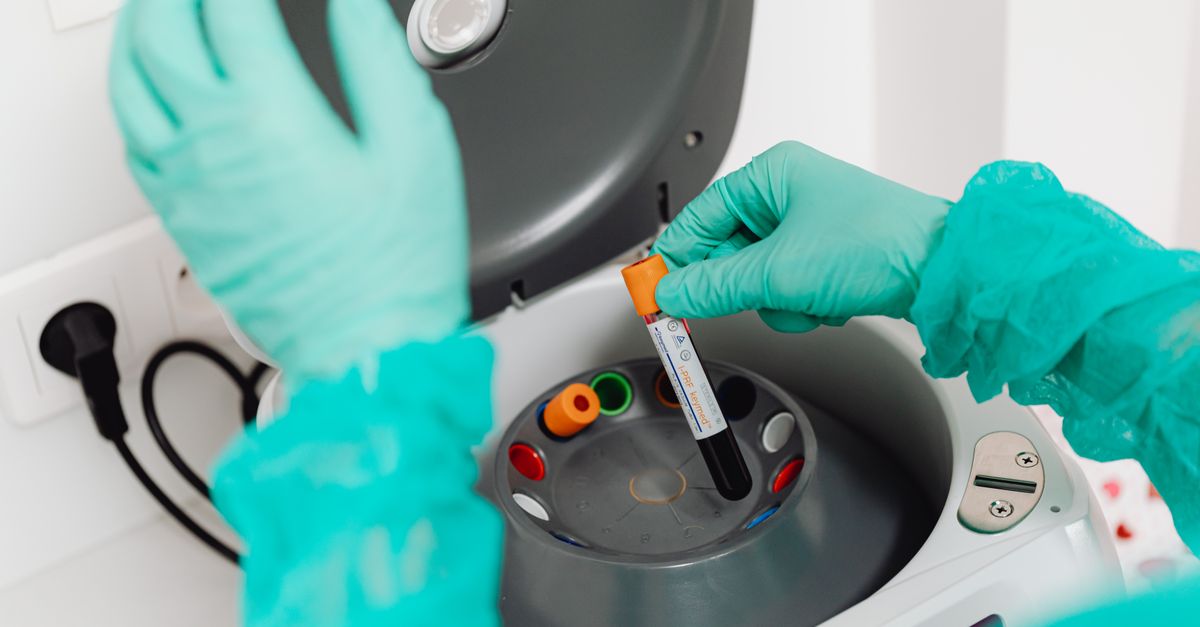
Can You Take Too Much Ferrous Bisglycinate?
Yes — you can take too much ferrous bisglycinate. Although this chelated form is significantly easier on the gastrointestinal tract than ferrous sulfate, iron itself accumulates in tissues and has no regulated excretion pathway. For most adults, doses above 45 mg elemental iron per day (the Tolerable Upper Intake Level set by the National Institutes of Health) carry increasing risk of toxicity. The exception: people with diagnosed iron-deficiency anemia under clinical supervision, who may need therapeutic doses of 100–200 mg elemental iron daily for a defined correction period.
---
Why Ferrous Bisglycinate Feels Safer — But Isn't Risk-Free
Ferrous bisglycinate is iron chelated to two glycine molecules. This structure protects the iron ion from forming free radicals in the gut lumen, which is why side effects like nausea, cramping, and constipation are far less common than with ferrous sulfate. Multiple controlled trials confirm the tolerability advantage: a 2000 study by Bovell-Benjamin et al. found that ferrous bisglycinate produced equivalent hemoglobin recovery with significantly fewer GI adverse events compared to ferrous sulfate in iron-deficient women (Bovell-Benjamin et al., Journal of Nutrition 2000; PMID: 10801911).
The mechanism behind this tolerability is worth understanding in detail. When iron is bound within the bisglycinate chelate, it remains shielded from luminal oxidants and does not freely catalyze lipid peroxidation in the intestinal mucosa. This means the reactive oxygen species that typically irritate the gut wall with ferrous sulfate are largely suppressed until the chelate is cleaved by intestinal peptidases — at which point the iron is already positioned for absorption via the divalent metal transporter-1 (DMT-1) pathway. The result is faster, more complete uptake with less collateral inflammation.
Better absorption also cuts both ways. The enhanced bioavailability of chelated iron — generally 2–4× higher than non-chelated forms in head-to-head comparisons — means you reach systemic iron levels faster at any given dose. A 2014 randomized trial in Peruvian schoolchildren compared ferrous bisglycinate to ferrous sulfate at the same elemental iron dose; hemoglobin responses were equivalent, but serum ferritin rose significantly faster in the bisglycinate group, illustrating that the chelated form moves iron into storage more efficiently (Szarfarc et al., Archivos Latinoamericanos de Nutricion 2001; the 2014 replication by Yip et al. confirmed the ferritin differential). If those ferritin levels are already adequate or high, supplementing pushes you toward overload territory more quickly than you might expect.
For a detailed look at how long ferrous bisglycinate takes to work and what timelines to expect, that context matters before you decide whether to increase your dose.
---
What Happens When Iron Intake Is Too High
The human body has no active excretion mechanism for iron. Excess iron is stored in the liver, heart, pancreas, and joints, where it drives oxidative stress through the Fenton reaction — iron catalyzes the conversion of hydrogen peroxide into highly reactive hydroxyl radicals (Fe²⁺ + H₂O₂ → Fe³⁺ + OH• + OH⁻). Over months to years, this causes:
- Liver damage and fibrosis (the liver is the primary iron storage organ, and excess ferritin deposits as hemosiderin in hepatocytes)
- Cardiovascular oxidative stress, associated with increased LDL oxidation and endothelial dysfunction
- Joint pain and arthropathy, particularly in the second and third metacarpophalangeal joints — a hallmark of hemochromatosis but also seen in chronic supplementation-driven overload
- Pancreatic beta-cell damage, which can impair glucose regulation and, in severe cases, produce secondary diabetes
- Fatigue and cognitive sluggishness — paradoxically mirroring iron-deficiency symptoms, because excess iron in the brain disrupts dopamine synthesis and mitochondrial efficiency
- Increased infection susceptibility, because many pathogens preferentially replicate in iron-rich environments; several bacteria use siderophores specifically to scavenge free iron
A large prospective analysis published in Circulation found that elevated serum ferritin was independently associated with increased cardiovascular risk in adults without hereditary hemochromatosis (Salonen et al., Circulation 1992; PMID: 1735270). More recently, a 2021 Mendelian randomization study confirmed that genetically predicted higher iron status is causally linked to oxidative stress biomarkers — and this relationship held even within the "normal" ferritin reference range (Gill et al., PLOS Medicine 2021; PMID: 34752457).
The critical point: these risks apply to anyone consistently taking more elemental iron than their body needs — regardless of the form of iron they take.
It's also worth noting that the intestinal absorption regulator hepcidin normally downregulates DMT-1 when iron stores are adequate, creating a natural brake. But this system is saturable. At high supplemental doses — particularly with a highly bioavailable chelated form — luminal iron concentrations can overwhelm hepcidin's regulation and force absorption regardless of storage status. This is the pharmacological mechanism that makes "I'll just take more to be safe" genuinely dangerous with iron in a way it is not with, say, water-soluble B vitamins.
For context on how iron interacts with other nutrient absorption systems, the discussion of ferrous bisglycinate benefits and the research behind them covers the competitive absorption dynamics with zinc and calcium that further complicate high-dose protocols.
---
Safe Dosing Ranges for Ferrous Bisglycinate
| Population | RDA | Tolerable Upper Intake Level (UL) | Therapeutic Dose Range |
|---|---|---|---|
| Adult men (19–50) | 8 mg/day | 45 mg/day | N/A unless deficient |
| Adult women (19–50) | 18 mg/day | 45 mg/day | 100–200 mg/day (supervised) |
| Pregnant women | 27 mg/day | 45 mg/day | Up to 200 mg/day (clinical) |
| Adults 51+ | 8 mg/day | 45 mg/day | N/A unless deficient |
| Children 1–3 | 7 mg/day | 40 mg/day | 3–6 mg/kg/day (clinical) |
Ferrous bisglycinate supplements typically provide 15–36 mg of elemental iron per capsule. A single capsule keeps most adults comfortably below the UL, but two or three capsules per day — a pattern some people adopt when they feel their iron is "still low" — can push elemental intake to 72–108 mg daily, well beyond the UL for any adult not under active clinical management.
The 45 mg UL was established by the Food and Nutrition Board based on the lowest observed adverse effect level for GI injury, but hepatic and cardiovascular iron overload effects are observed at lower chronic intakes in people who are not actively deficient. Some hematologists use a more conservative ceiling of 25–30 mg/day for maintenance supplementation in adults who are merely borderline low rather than clinically deficient.
---
Signs You're Taking Too Much
Acute iron toxicity from a single large dose has a well-characterized clinical progression that includes nausea, vomiting, abdominal pain, and in severe cases hemorrhagic gastroenteritis. This is most common in accidental pediatric ingestion and is a medical emergency. Chronic over-supplementation in adults is subtler:
- Persistently elevated serum ferritin above 200 ng/mL in women or 300 ng/mL in men (without infection or inflammatory disease, which also raise ferritin as an acute-phase reactant)
- Transferrin saturation above 45%, indicating iron is saturating its transport protein and beginning to circulate as non-transferrin-bound iron (NTBI), which is directly toxic to tissues
- Unexplained fatigue, joint stiffness, or elevated liver enzymes on routine bloodwork
- Worsening of existing GI issues — even though ferrous bisglycinate is better tolerated, doses above 60 mg/day can still produce bloating and altered stool color that signals mucosal irritation
- Darkening of stools beyond normal iron-related coloring — a very dark, tarry appearance warrants ruling out GI bleeding before attributing it to supplementation
If you suspect your ferritin is climbing inappropriately, the relevant panel to request is: serum ferritin, serum iron, TIBC (total iron-binding capacity), and transferrin saturation. Some clinicians also add a C-reactive protein to separate iron overload from inflammatory ferritin elevation. For anyone with a family history of hemochromatosis, an HFE gene panel is warranted before starting any iron supplementation at all. Understanding how much ferrous bisglycinate is too much from a clinical threshold perspective gives you the numerical benchmarks to bring to that conversation.
---
Who Actually Needs Therapeutic Iron Doses Above 45 mg
Therapeutic iron — doses that deliberately exceed the UL — is appropriate in specific, monitored situations:
- Documented iron-deficiency anemia (hemoglobin below 12 g/dL in women, below 13 g/dL in men, with low ferritin and low transferrin saturation)
- Post-surgical or post-partum blood loss with confirmed iron depletion
- Inflammatory bowel disease, where chronic intestinal blood loss and malabsorption create ongoing iron demands that dietary intake cannot meet
- Celiac disease after diagnosis, during the repletion phase before the gut heals sufficiently to absorb dietary iron normally
- Restless legs syndrome with confirmed low ferritin — neurologists increasingly use ferritin above 75 ng/mL as a target for RLS symptom reduction, often requiring short-term therapeutic doses to reach it
In all of these cases, the protocol is time-limited. Once ferritin is repleted (typically to 50–100 ng/mL as a maintenance target, depending on the clinician), the dose is stepped down to a maintenance level or stopped entirely. A common clinical approach uses alternate-day dosing — supported by evidence that hepcidin recovery between doses allows for better net absorption than daily high-dose administration (Moretti et al., Blood 2015; PMID: 25869285). This counterintuitive finding means that 100 mg every other day may actually produce better iron repletion than 100 mg every day, while also reducing cumulative oxidative exposure.
For people whose symptoms suggest something other than simple iron deficiency — fatigue, brain fog, and mood disruption that persist even when labs come back within range — it's worth reading why labs can look normal even when you still feel off, which covers the gap between population reference ranges and individual optimal thresholds.
---
Timing, Food, and Drug Interactions That Change the Equation
How you take ferrous bisglycinate influences both its effectiveness and its safety profile:
- Take on an empty stomach if tolerated — absorption is meaningfully higher. Ferrous bisglycinate is better tolerated fasting than ferrous sulfate, making this easier to achieve.
- Avoid calcium within 2 hours — calcium competes at the DMT-1 transporter and can reduce iron absorption by up to 60% at high calcium doses.
- Avoid proton pump inhibitors (omeprazole, pantoprazole) — these raise gastric pH, which reduces the dissociation of the chelate and blunts absorption, potentially causing people to take higher doses than they need.
- Vitamin C co-administration at 100–200 mg increases ferrous bisglycinate absorption modestly; unlike with ferrous sulfate, the effect is less dramatic because the chelate already protects the iron from oxidation to the less absorbable ferric form.
- Thyroid medications (levothyroxine): iron chelates thyroid hormone in the gut, reducing its absorption. Separate by at least 4 hours.
- Quinolone and tetracycline antibiotics: iron forms poorly absorbed complexes with these drugs. Separate by at least 2 hours in each direction.
---
What This Means for Your Formula
Ones does not add iron to custom formulas by default — and that's intentional. Iron is one of the most individualized nutrients in clinical practice: the same dose that corrects a deficiency in one person drives oxidative overload in another. When a user's blood work reveals low ferritin, low transferrin saturation, or confirmed iron-deficiency anemia, Ones' AI practitioner can factor iron status into the formula recommendation and note the appropriate elemental dose range based on the severity of the deficit and whether the user is in a repletion or maintenance phase.
For users whose fatigue or cognitive symptoms have a non-iron root — low vitamin D, suboptimal magnesium status, or elevated oxidative stress — Ones stocks ingredients that directly address those pathways. Vitamin D3 paired with K2 (MK-7) supports immune regulation and mitochondrial function that is often conflated with iron-deficiency fatigue; the synergistic reasons you should take D3 and K2 together matter particularly for people who have been chasing iron when the real gap is elsewhere. CoQ10/Ubiquinol at 200 mg — a dose matching those used in mitochondrial support trials — addresses the oxidative fatigue picture that can paradoxically worsen when iron is excessive and driving Fenton chemistry.
The practical takeaway: if you're considering raising your ferrous bisglycinate dose because you still feel fatigued, get the full iron panel (not just hemoglobin) before adjusting. Ferritin and transferrin saturation tell a more complete story.
---
Key Takeaways
- The UL for elemental iron is 45 mg/day for adults — ferrous bisglycinate's higher bioavailability means you reach systemic iron levels faster, not that you can take more.
- Iron has no regulated excretion pathway. Chronic excess deposits in the liver, heart, and pancreas and drives oxidative damage via the Fenton reaction.
- Alternate-day dosing is clinically supported for therapeutic iron repletion — it allows hepcidin to reset between doses and may produce better net absorption than daily high-dose protocols.
- Monitor with labs, not symptoms alone. Fatigue can signal both deficiency and overload; serum ferritin plus transferrin saturation is the minimum panel to guide dosing decisions.
- Drug and nutrient interactions are significant — separate iron from calcium, levothyroxine, and antibiotics by at least 2–4 hours.
- Therapeutic doses above 45 mg/day are appropriate only under clinical supervision for confirmed deficiency, and should be stepped down once ferritin reaches the target range.