Supplements
How Often Should SHBG Be Tested?
SHBG — sex hormone-binding globulin — quietly controls how much testosterone and estrogen your body can actually use, yet most people only test it once, if ever. High or low SHBG can explain symptoms that standard hormone panels miss entirely. Understanding when and how often to test it is the difference between chasing symptoms and fixing root causes.
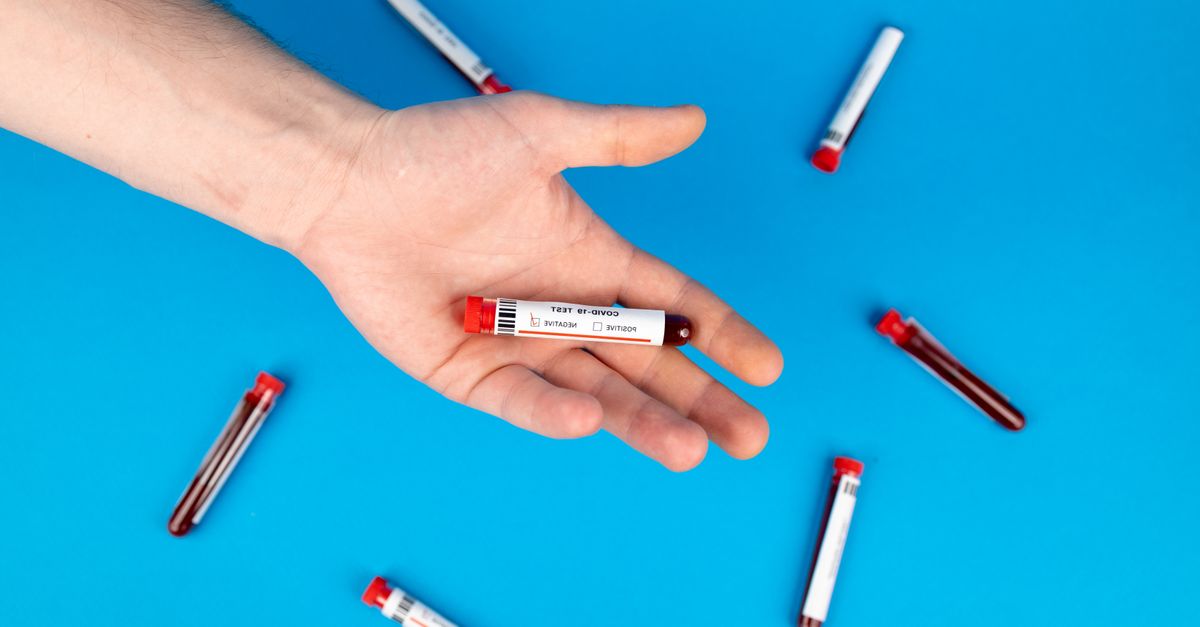
How Often Should SHBG Be Tested?
For most adults without active symptoms or treatment changes, testing SHBG once per year alongside a standard hormone panel is sufficient. The main caveat: if you're adjusting thyroid medication, starting or stopping hormonal therapy, losing significant weight, or experiencing unexplained fatigue and libido changes, retesting every 8–12 weeks makes clinical sense. Exceptions are people on testosterone replacement therapy (TRT), who may need SHBG checked every 6 weeks during the titration phase.
---
What Is SHBG and Why Does It Matter?
Sex hormone-binding globulin is a glycoprotein produced primarily in the liver. Its job is to bind tightly to testosterone, dihydrotestosterone (DHT), and estradiol in the bloodstream, rendering those hormones biologically inactive until they are released. Think of SHBG as a carrier protein with a built-in dimmer switch on your hormonal activity.
Only the fraction of testosterone and estradiol that is not bound to SHBG — called free or bioavailable hormone — can enter cells and exert physiological effects. This is why two people with identical total testosterone levels can have dramatically different symptoms: the person with higher SHBG has less free testosterone reaching muscle, brain, and reproductive tissue.
SHBG levels are influenced by a wide range of factors:
- Liver function — The liver produces SHBG; liver disease depresses it
- Thyroid status — Hyperthyroidism sharply elevates SHBG; hypothyroidism lowers it
- Insulin sensitivity — Hyperinsulinemia suppresses SHBG synthesis (Ding et al., Diabetes Care 2009; PMID: 19741154)
- Estrogen exposure — Oral estrogens (e.g., the birth control pill) can raise SHBG two- to fourfold
- Androgens and anabolic steroids — Suppress SHBG
- Body weight — Adiposity is a consistent negative predictor of SHBG (Wallace et al., Journal of Clinical Endocrinology & Metabolism 2013; PMID: 23633213)
- Aging — SHBG rises roughly 1–2% per year after age 40 in both sexes
Because SHBG is so responsive to metabolic and hormonal shifts, a single measurement is often a snapshot rather than a verdict. Context — and repeat testing at the right intervals — matters.
---
SHBG Blood Test: What to Know Before You Order
An SHBG blood test is a simple serum draw ordered alongside total testosterone, estradiol, LH, and FSH to build a complete hormonal picture. It is not routinely included in standard metabolic or lipid panels, so you typically need to request it specifically.
What to tell your provider before testing:
- Current medications (especially hormonal contraceptives, thyroid meds, or androgens)
- Recent significant weight changes (>5% body weight in 3 months)
- Acute illness or high psychological stress — both can transiently alter SHBG
Timing considerations:
- SHBG does not follow the same circadian rhythm as cortisol or testosterone, so time of day is less critical — morning draws are conventional but not mandatory
- In people with menstrual cycles, SHBG fluctuates modestly across the cycle; for cycle-phase-specific guidance on when to draw paired sex hormone markers, see when in your cycle SHBG should be tested
- Fasting is not strictly required for SHBG but is often recommended when the draw is paired with a lipid panel or fasting glucose — see how often fasting glucose should be tested for a fuller picture of metabolic panel timing
Interpreting your result without total and free testosterone alongside it is incomplete. Many clinicians calculate free testosterone from SHBG and albumin (the Vermeulen equation) rather than relying on the less-reliable direct free testosterone assay. If you have lab results and are trying to understand what they mean in context with other cardiovascular markers, what lab tests you should get for high blood pressure includes SHBG's interaction with cardiometabolic risk.
---
Optimal SHBG Range: Where Should Your Number Land?
Reference ranges vary somewhat by laboratory, but the following provides a clinically useful framework:
| Population | Conventional Range | Functional Optimal | |
|---|---|---|---|
| Adult men | 10–57 nmol/L | 20–40 nmol/L | |
| Premenopausal women | 18–144 nmol/L | 40–120 nmol/L | |
| Postmenopausal women | 17–125 nmol/L | 30–90 nmol/L | |
| Men on TRT (titration) | Varies | 20–35 nmol/L |
These functional optimal windows reflect the ranges associated with adequate free testosterone bioavailability while avoiding the downstream risks linked to either extreme.
High SHBG (above ~57 nmol/L in men; above ~144 nmol/L in premenopausal women) suppresses free hormone availability and is associated with symptoms of androgen deficiency even when total testosterone appears normal.
Low SHBG (below ~20 nmol/L in men; below ~18 nmol/L in premenopausal women) is frequently seen alongside insulin resistance, metabolic syndrome, and elevated cardiovascular risk — in some studies, low SHBG independently predicts type 2 diabetes onset (Ding et al., 2009; PMID: 19741154).
---
Symptoms of High SHBG: What to Watch For
High SHBG acts like a hormonal traffic jam: total hormone levels look acceptable on paper, but very little reaches its destination. Symptoms in both men and women often mirror those of frank testosterone or estrogen deficiency.
In men, symptoms of high SHBG may include:
- Low libido and erectile difficulty despite normal total testosterone
- Fatigue, reduced motivation, and cognitive fog
- Loss of muscle mass and increased body fat, particularly visceral
- Mood changes: irritability or low-grade depression
- Bone density decline with long-term elevation
In women, symptoms of high SHBG may include:
- Low libido and vaginal dryness (especially in perimenopause)
- Persistent fatigue unresponsive to rest
- Hair thinning (androgens drive follicular growth; insufficient free androgen impairs it)
- Mood instability across the menstrual cycle
Research in Steroids (Hammond 2016; PMID: 27016515) characterizes SHBG as an active transport protein with its own cell-surface receptor signaling, suggesting its role extends beyond passive hormone buffering — which is part of why symptoms of SHBG dysregulation can be multisystemic.
High SHBG is commonly driven by:
- Hyperthyroidism or over-treated hypothyroidism
- Oral estrogen contraceptives or HRT
- Liver disease (paradoxically, acute hepatic inflammation can transiently raise production)
- Caloric restriction and very low-fat diets
- Aging
---
Symptoms of Low SHBG and Its Metabolic Implications
Low SHBG may seem desirable — more free hormone available — but it is rarely a neutral finding. In epidemiological data, low SHBG consistently clusters with insulin resistance, obesity, non-alcoholic fatty liver disease (NAFLD), polycystic ovary syndrome (PCOS), and elevated cardiovascular risk.
A large meta-analysis in Diabetes Care found that each standard deviation decrease in SHBG was associated with a 50–80% increase in type 2 diabetes risk in women (Ding et al., 2009; PMID: 19741154). A separate analysis in men showed similar associations (Wallace et al., 2013; PMID: 23633213).
In women with PCOS, suppressed SHBG amplifies already elevated free androgens, worsening hirsutism, acne, and menstrual irregularity. This is one reason inositol supplementation (which improves insulin sensitivity) is studied as an indirect mechanism for raising SHBG in PCOS populations (Nordio & Proietti, European Review for Medical and Pharmacological Sciences 2012; PMID: 23101976).
Symptoms of low SHBG often overlap with metabolic syndrome and hyperandrogenism:
- In men: excessive aggression, acne, accelerated hair loss, elevated hematocrit risk on TRT
- In women: irregular cycles, acne, hirsutism, weight gain around the midsection
---
How Often Should SHBG Be Tested? A Practical Framework
There is no single guideline universally endorsed for SHBG retesting frequency. The following framework synthesizes clinical practice patterns from endocrinology and functional medicine:
Scenario 1 — Monitoring only, no active treatment:
- Healthy adult without symptoms: annually, paired with total testosterone and metabolic panel
- Mildly out-of-range SHBG, monitoring lifestyle interventions: every 3–4 months until stable, then annually
Scenario 2 — Active hormonal or metabolic treatment:
- Starting or adjusting thyroid hormone therapy: retest SHBG 6–8 weeks after dose change (TSH and free T4 normalized first; SHBG typically lags 4–6 weeks)
- TRT initiation or dose adjustment: every 6–8 weeks during the first 6 months, then every 3–6 months when stable
- Starting oral contraceptives or HRT: baseline before starting, then at 3 months to assess SHBG response
- Stopping oral contraceptives: SHBG can remain elevated 3–6 months post-cessation; test at 3 and 6 months
Scenario 3 — Significant metabolic change:
- Weight loss of >10% body weight: retest at 3 months — SHBG typically rises with fat loss and improving insulin sensitivity
- New diagnosis of PCOS, metabolic syndrome, or NAFLD: include SHBG at baseline and again after 3–6 months of intervention
For practitioners or health-focused individuals who already track inflammatory markers alongside hormone panels, how often CRP should be tested provides a complementary framework since chronic low-grade inflammation suppresses SHBG synthesis via shared hepatic signaling pathways.
Similarly, because LH directly regulates downstream hormone production that feeds back on SHBG, understanding how often LH should be tested can help you build a testing schedule that covers the full hypothalamic-pituitary-gonadal (HPG) axis in a single draw.
---
What This Means for Your Formula
SHBG is a downstream marker — it moves in response to upstream variables: insulin sensitivity, thyroid status, liver health, and body composition. That means supplementation strategies that improve those upstream systems can shift SHBG meaningfully over 8–16 weeks.
Here are three Ones ingredients relevant to conditions that drive SHBG dysregulation:
Zinc (as zinc bisglycinate, 15–30 mg): Zinc deficiency correlates with suppressed testosterone and SHBG dysregulation. A trial in Nutrition (Prasad et al., 1996; PMID: 8875519) found that zinc supplementation in marginally zinc-deficient elderly men significantly raised serum testosterone. Because SHBG is tightly coupled to free testosterone availability, correcting zinc status can help normalize the free-to-total testosterone ratio. Ones personalizes zinc dosing based on dietary intake data and serum zinc from lab results — learn more about zinc deficiency and immune function.
Magnesium Complex (including magnesium glycinate): Magnesium has been shown to inversely correlate with SHBG in older men — higher serum magnesium is associated with higher free testosterone, partly by competing with testosterone for SHBG binding sites (Maggio et al., Biological Trace Element Research 2011; PMID: 20811846). Magnesium deficiency is widespread and significantly underdiagnosed through standard serum testing.
Liver Support (Ones System Blend): Because SHBG is synthesized in the liver, hepatic health directly modulates baseline SHBG production. Ones' Liver Support blend includes clinically studied hepatoprotective compounds that support phase I and II detoxification and reduce hepatic inflammatory burden — which can help normalize SHBG synthesis in people with NAFLD or subclinical liver stress.
Ones' AI practitioner interprets SHBG alongside total testosterone, free testosterone, TSH, fasting glucose, and other biomarkers from your uploaded labs, then builds a personalized capsule formula calibrated to the actual upstream drivers identified in your data — not a generic hormone support stack.
---
Key Takeaways
- For most healthy adults, annual SHBG testing is adequate when paired with a full hormone and metabolic panel.
- Retest every 6–12 weeks when adjusting thyroid medication, starting or stopping hormonal contraceptives or HRT, or beginning TRT.
- High SHBG suppresses free hormone availability even when total testosterone looks normal — symptoms include low libido, fatigue, and muscle loss.
- Low SHBG is rarely benign: it is a recognized independent predictor of insulin resistance, metabolic syndrome, and type 2 diabetes.
- SHBG should never be interpreted in isolation — always pair it with total testosterone, LH, TSH, and a metabolic marker like fasting glucose or insulin.
- Upstream interventions matter: improving insulin sensitivity, liver health, and zinc and magnesium status can meaningfully shift SHBG over 8–16 weeks, making personalized supplementation a rational complement to testing.
---
This article is for educational purposes only and does not constitute medical advice. Consult a qualified healthcare provider before making changes to your testing schedule or supplement regimen.