Supplements
How Often Should LH Be Tested?
LH (luteinizing hormone) is one of the most cycle-sensitive biomarkers in reproductive endocrinology — test it on the wrong day and you'll get a number that means almost nothing. Most people with a uterus should test LH on days 2–5 and again around day 12–14; men and postmenopausal women need far fewer tests. Here's exactly how to time it.
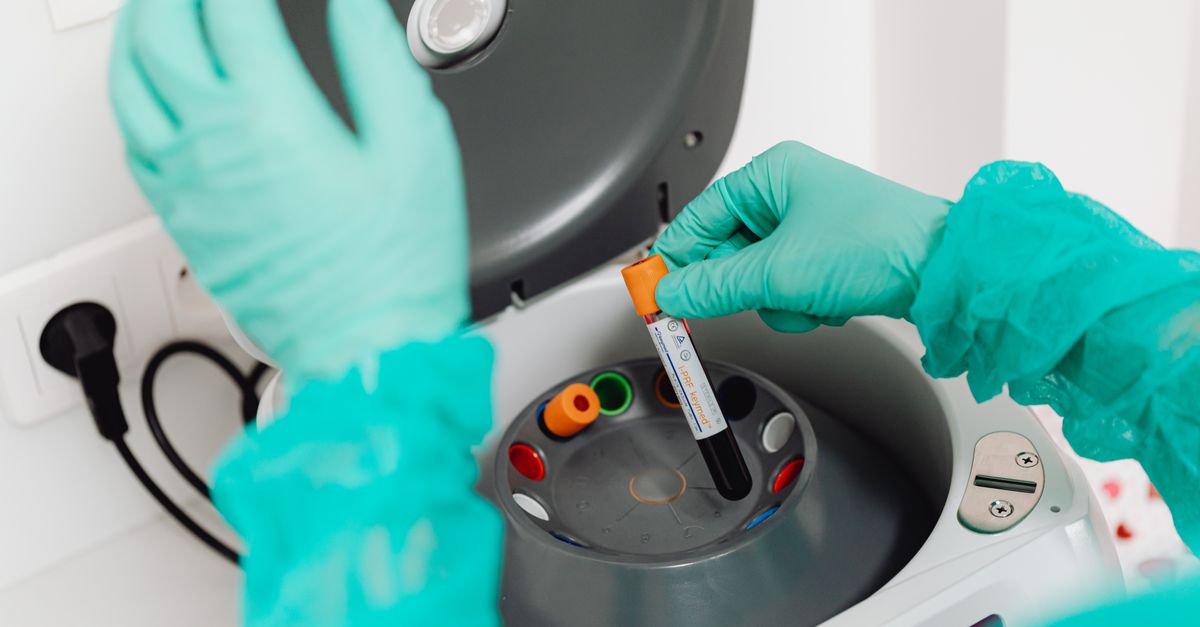
How Often Should LH Be Tested?
For most cycling women, LH should be tested at minimum twice per cycle: once in the early follicular phase (days 2–5) for a baseline, and once around the mid-cycle surge (days 12–14) to confirm ovulation. Men and postmenopausal women typically need testing only once unless there's a specific clinical concern — elevated or suppressed LH in those populations doesn't require cycle-timed repeats.
---
What LH Actually Does — and Why Timing Matters So Much
Luteinizing hormone is a gonadotropin secreted by the pituitary gland in response to gonadotropin-releasing hormone (GnRH) from the hypothalamus. In women, a sharp LH surge — typically lasting 24–48 hours — triggers ovulation roughly 36 hours after its peak. In men, LH signals the Leydig cells of the testes to produce testosterone.
The problem with LH as a biomarker is that it is pulsatile: the pituitary releases it in bursts every 60–90 minutes. A single random blood draw can catch the peak of a pulse or the trough, creating up to a two-fold variation in a single morning (Veldhuis et al., Journal of Clinical Endocrinology & Metabolism 1987; PMID: 3558531). This is not a lab error — it's the biology. It means that one isolated LH reading, without cycle-day context, is nearly uninterpretable.
This pulsatility is also why many clinicians prefer to average 3 samples drawn 20–30 minutes apart, or simply repeat the test at the appropriate cycle phase, rather than treating a single value as definitive.
---
Recommended LH Testing Frequency by Population
Women Trying to Conceive or Investigating Irregular Cycles
This group benefits most from structured, repeated testing:
- Days 2–5 of the menstrual cycle — basal LH alongside FSH and estradiol establishes a follicular baseline. An elevated basal LH (>10 IU/L) relative to FSH raises suspicion for polycystic ovary syndrome (PCOS) or diminished ovarian reserve.
- Days 12–14 — tracks the pre-ovulatory surge. LH typically rises to 25–100 IU/L at surge; values below 20 IU/L may indicate an anovulatory cycle.
- After an abnormal finding — if basal LH is suppressed (<1 IU/L) or markedly elevated, a repeat 4–6 weeks later helps distinguish a single aberrant pulse from a true endocrine pattern.
For women with PCOS specifically, LH:FSH ratios ≥2:1 are observed in roughly 60% of cases and are a cornerstone of clinical assessment (Azziz et al., Journal of Clinical Endocrinology & Metabolism 2004; PMID: 15292278).
Women Not Trying to Conceive
Annual or biennial testing is generally sufficient unless symptoms arise — irregular periods, significant changes in energy, libido, or mood, or concerns about early perimenopause. Perimenopause often brings erratic LH patterns well before FSH rises dramatically, so if TSH is being tested annually, LH can be added to the same panel without much additional cost.
Men
A single fasting morning LH test is the standard first step when evaluating low testosterone, poor libido, or infertility. Because men don't have a monthly cycle, there is no best cycle-day — but morning samples (7–9 AM) are preferred because testosterone and LH follow a circadian rhythm with peak production in the early morning hours (Brambilla et al., Clinical Endocrinology 2009; PMID: 18616699).
If the first result is abnormal — either suppressed (suggesting exogenous androgen exposure or pituitary dysfunction) or elevated (suggesting primary testicular failure) — a repeat draw within 4–6 weeks is appropriate before any clinical decision is made. Routine annual retesting in men with known hypogonadism on testosterone replacement therapy is useful for monitoring pituitary suppression.
Postmenopausal Women
After menopause, LH rises substantially and remains chronically elevated due to the absence of negative estrogen feedback. A single baseline measurement is useful for confirming menopause status, but repeated annual testing adds little clinical value unless new symptoms emerge or hormone therapy is being managed.
---
LH Reference Ranges: What the Numbers Mean
| Population | Phase / Status | Typical LH Range (IU/L) | Clinical Red Flags |
|---|---|---|---|
| Cycling women | Follicular (days 2–5) | 2–15 | >15 basal: suspect PCOS or DOR |
| Cycling women | Mid-cycle surge | 25–100 | <20 at surge: possible anovulation |
| Cycling women | Luteal | 1–8 | — |
| Men | Morning fasting | 1.7–8.6 | <1: exogenous androgen / pituitary suppression; >10: primary hypogonadism |
| Postmenopausal | Chronic elevation | 14–52 | Very high (>60): rare; consider pituitary adenoma |
Ranges are approximate and lab-specific — always interpret against the reference interval reported by your testing laboratory.
---
Interpreting LH Alongside FSH, Estradiol, and Testosterone
LH in isolation is a one-handed clap. It becomes genuinely informative when read alongside:
- FSH — differentiating pituitary (secondary) from gonadal (primary) dysfunction. Low LH + low FSH = central (hypothalamic or pituitary) issue. High LH + high FSH = primary gonadal failure.
- Estradiol (E2) — context for the mid-cycle surge interpretation and for evaluating hypoestrogenism.
- Total and free testosterone — in men, the LH:testosterone relationship reveals whether the testes are responding appropriately.
- Prolactin — elevated prolactin suppresses GnRH pulsatility, causing secondary suppression of LH. Understanding whether women should get prolactin tested alongside LH can catch this pattern early.
For cardiovascular risk screening, it's also worth noting that the same metabolic dysfunction driving HPA axis dysregulation often shows up in lipid panels. Checking how often CRP should be tested alongside hormonal panels gives a more complete picture of systemic inflammation that can impair hypothalamic function.
---
Factors That Distort LH Results
Before interpreting any LH value, review these confounders:
- Exogenous hormones — oral contraceptives, anabolic steroids, and testosterone therapy all suppress LH via negative feedback, often to undetectable levels.
- Extreme caloric restriction or overtraining — functional hypothalamic amenorrhea (FHA) suppresses GnRH → LH → estrogen. LH pulses become low-frequency and low-amplitude (Loucks et al., Journal of Clinical Endocrinology & Metabolism 1998; PMID: 9768660).
- Significant psychological stress — cortisol elevation blunts hypothalamic GnRH secretion, reducing LH pulse frequency. This is one pathway by which chronic stress disrupts reproductive function.
- Obesity — adipose tissue increases aromatase activity, raising estrogen and suppressing LH feedback in both sexes.
- Recent illness or surgery — acute illness transiently suppresses the HPG axis.
- Time of blood draw — as noted above, LH pulsatility creates meaningful within-day variation. If you are retesting to confirm an abnormal result, draw at the same time of day and the same cycle phase.
---
At-Home LH Strips vs. Serum Testing: Which Is Enough?
Urinary LH strips — used widely in fertility monitoring — detect the surge qualitatively, confirming whether a surge occurred. They are excellent for timing intercourse or triggering steps in assisted reproduction cycles. They do not, however, provide quantitative values, cannot establish a basal LH:FSH ratio, and cannot detect subtly suppressed LH.
Serum testing (blood draw) remains the clinical standard whenever:
- Baseline hormonal status is being characterized
- PCOS or hypothalamic amenorrhea is suspected
- Male hypogonadism workup is underway
- Fertility treatment decisions depend on precise values
For most people tracking their cycles at home for general wellness, qualitative urine strips + one annual serum panel is a practical and cost-effective approach.
---
How Ones Addresses Hormonal Balance Through Your Formula
Ones doesn't directly replace a clinical LH test — that's a conversation for your provider. What the platform does is analyze your uploaded lab results, wearable data, and health history to build a custom capsule formula targeting the underlying systems that influence HPG axis function.
For individuals whose LH patterns suggest stress-driven hypothalamic suppression, Ones may include:
- Ashwagandha KSM-66 (600 mg) — a clinically studied adaptogen shown to reduce serum cortisol by approximately 27% in a 60-day randomized controlled trial (Chandrasekhar et al., Indian Journal of Psychological Medicine 2012; PMID: 23439798). Because cortisol suppresses GnRH pulsatility, lowering chronic cortisol load can help restore more regular LH secretion patterns. Ones sources KSM-66 at the full 600 mg dose used in trials.
- Zinc (elemental) — zinc is a cofactor in testosterone synthesis and LH receptor signaling. Deficiency is associated with impaired Leydig cell function in men (Prasad et al., Nutrition 1996; PMID: 8875519). Ones includes zinc in bioavailable forms dosed to support endocrine function without exceeding safe upper limits.
- Ones Adrenal Support blend — when wearable and lab data indicate chronic HPA axis activation, this proprietary blend supports adrenal resilience, reducing the cortisol-driven interference with hypothalamic GnRH release that depresses LH.
For women navigating perimenopause or irregular cycles, the formula may also incorporate the Ones Endocrine Support blend, which targets broader HPG axis signaling.
Because Ones builds formulas around your specific findings — not a generic hormonal health template — an individual whose LH is normal but whose cortisol and fasting glucose are dysregulated would receive a different formula than someone with documented LH suppression and low zinc. That specificity is the core of what the platform offers. For context on companion biomarkers worth tracking alongside LH, reviewing how often fasting glucose should be tested can help you build a more complete metabolic picture.
---
Key Takeaways
- Cycling women should test LH at minimum twice per cycle — days 2–5 for a basal reading and days 12–14 to capture the ovulatory surge. Once per year is adequate for women not investigating fertility or cycle irregularities.
- Men need a single fasting morning LH draw as part of any hypogonadism workup; annual retesting is appropriate only if on therapy or if symptoms change.
- Postmenopausal women benefit from a one-time confirmatory test; routine annual LH testing after confirmed menopause adds little clinical value.
- LH is meaningless without context — always interpret it alongside FSH, estradiol or testosterone, prolactin, and cycle day or time of draw.
- Multiple confounders — exogenous hormones, caloric restriction, overtraining, and chronic psychological stress can suppress LH independently of ovarian or testicular status.
- Supplement support targets the root systems (HPA axis, zinc status, adrenal function) that modulate LH indirectly — a personalized formula built on your actual lab data, like what Ones provides, is more effective than a generic hormonal health stack.