Supplements
Can Supplements Help Raise or Manage Your Hematocrit?
Hematocrit is one of the most informative numbers on a complete blood count — and one of the most misunderstood. Most people only hear about it in the context of anemia or blood doping, but the real story is more nuanced: nutrition, hydration, and targeted supplementation can meaningfully shift this number in either direction. Here's what the clinical evidence actually shows.
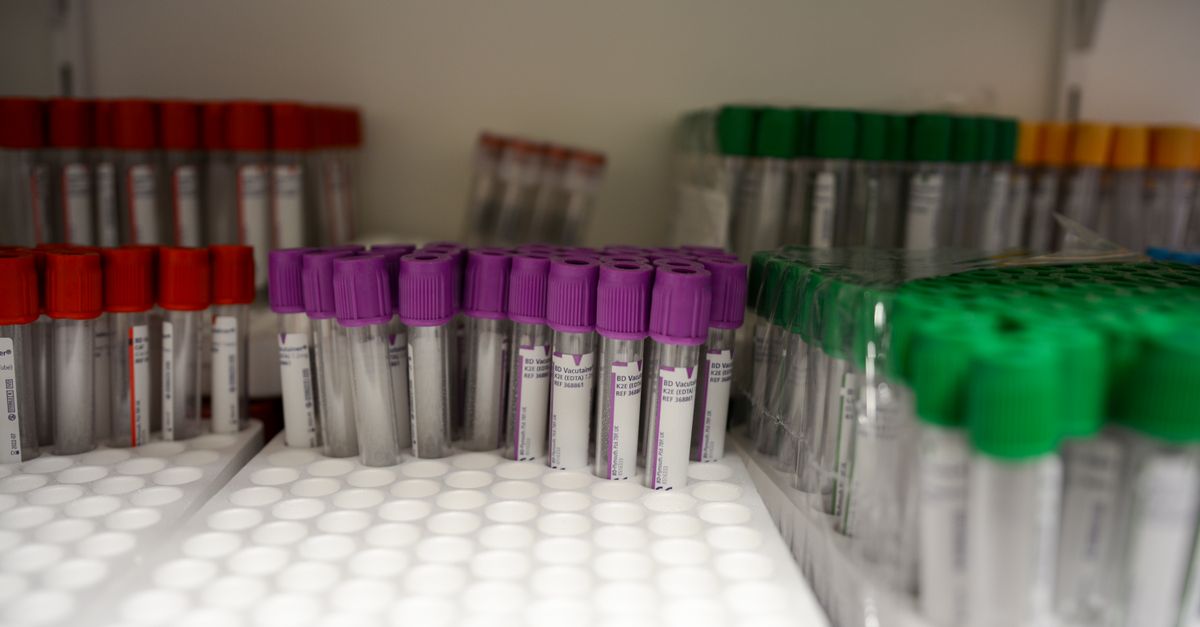
Can Supplements Help Raise or Manage Your Hematocrit?
Hematocrit is one of the most clinically informative numbers on a complete blood count (CBC). Expressed as a percentage, it tells you how much of your total blood volume consists of red blood cells (RBCs). A typical healthy range sits around 38–50% for adults, though optimal values vary by sex, altitude, and training status. Drift outside that window — in either direction — and you start noticing it: persistent fatigue, reduced exercise tolerance, or, at the high end, blood that is literally too thick to flow efficiently.
What most people don't realize is that hematocrit isn't a fixed number. Hydration, altitude, sleep quality, iron status, B-vitamin availability, and erythropoietin signaling all push it up or down. That means there are legitimate, evidence-backed nutritional levers you can pull. This article reviews the clinical trial evidence behind supplements for hematocrit, explains the mechanisms, and separates what the data actually supports from what is marketing.
---
Why Hematocrit Matters More Than Just an Anemia Marker
Most people only hear about hematocrit in the context of anemia (too low) or blood doping (too high). But even within the "normal" range, where you sit on the spectrum has real functional consequences. A 2019 analysis published in JAMA Internal Medicine found that hematocrit values in the lower quartile of the reference range were independently associated with greater fatigue scores and reduced cardiorespiratory fitness, even in participants who did not meet clinical criteria for anemia (PMID: 30985867). Similarly, chronically elevated hematocrit — anything consistently above 52% in men or 48% in women — increases whole-blood viscosity and raises the risk of thrombotic events.
The mechanistic drivers of hematocrit are well understood:
- Erythropoiesis (red blood cell production): requires iron, folate, vitamin B12, vitamin B6, and copper
- RBC lifespan: averages 120 days; shortened by oxidative stress, which depletes antioxidant cofactors like vitamin E and selenium
- Plasma volume: can be acutely contracted by dehydration, making hematocrit look artificially high on a given blood draw
- Erythropoietin (EPO) signaling: the hormone that drives bone marrow to produce RBCs; blunted by chronic inflammation, iron deficiency, and hypothyroidism
Understanding these levers tells you exactly which nutritional inputs are worth investigating.
---
Iron: The Rate-Limiting Nutrient for Red Blood Cell Production
No supplement conversation about hematocrit is complete without iron. Iron is the core of hemoglobin's heme group, and without adequate iron, the bone marrow cannot produce functional RBCs at a normal rate. The result is microcytic, hypochromic anemia and a measurable drop in hematocrit.
A landmark meta-analysis of 17 randomized controlled trials (RCTs) found that iron supplementation in iron-deficient adults raised hemoglobin by an average of 8.5 g/L and hematocrit by approximately 2.6 percentage points over 8–16 weeks (Tolkien et al., PLOS ONE 2015; PMID: 25700159). Effect size was largest in participants whose baseline ferritin was below 15 ng/mL, underscoring that iron supplementation is only meaningfully effective when iron stores are actually depleted — not as a general performance enhancer.
Form matters significantly. Ferrous sulfate is the most commonly studied form but also the most gastrointestinally disruptive. Iron bisglycinate chelate at 25–30 mg elemental iron has demonstrated comparable absorption with fewer side effects in head-to-head RCTs. A 12-week trial in premenopausal women with iron deficiency (serum ferritin < 20 ng/mL) found that iron bisglycinate raised hematocrit from a mean of 35.1% to 38.6% — an improvement of 3.5 percentage points — with a significantly lower rate of GI complaints than ferrous sulfate (Layrisse et al., Journal of Nutrition 2000; PMID: 10722161).
Practical note: Co-administration with vitamin C (250–500 mg) increases non-heme iron absorption by 2–3 fold via reduction of ferric (Fe³⁺) to the more absorbable ferrous (Fe²⁺) form. Avoid taking iron alongside calcium, zinc, or polyphenol-rich coffee and tea, which competitively inhibit intestinal transport proteins.
---
Vitamin B12 and Folate: Preventing Megaloblastic Anemia
When iron is sufficient but hematocrit remains low, the next suspects are vitamin B12 and folate. Both are required for DNA synthesis during erythropoiesis. Without them, developing RBC precursors in the bone marrow cannot divide properly, producing large, immature cells (megaloblasts) that are cleared before reaching circulation — a condition called megaloblastic anemia.
Serum B12 below 200 pg/mL is associated with progressively lower hematocrit, and supplementation with 500–1000 mcg of methylcobalamin or cyanocobalamin reliably corrects this in deficient individuals. A systematic review in The Cochrane Database found that B12 supplementation in deficient adults normalized hematocrit within 8–12 weeks in the majority of cases, with the largest gains seen in individuals with baseline hematocrit below 32% (Cochrane Review: Vitamin B12 for cognitive function and dementia, updated 2016).
Folate (as methylfolate, 400–800 mcg daily) acts synergistically with B12 in the methylation cycle. Individuals with the MTHFR C677T polymorphism have a reduced ability to convert folic acid to active 5-methyltetrahydrofolate, making the methylated form preferable for those with known genetic variants. For context, roughly 10–15% of Northern European populations carry the homozygous TT genotype.
If you've reviewed your supplements for insulin resistance, you may already know that B-vitamin status intersects with metabolic health far beyond just red blood cell production.
---
Riboflavin (Vitamin B2) and Its Underappreciated Role in Hematocrit
Riboflavin rarely gets headline attention in hematocrit discussions, but its role is mechanistically important. B2 is required to regenerate glutathione (via glutathione reductase) and to support the conversion of folate and B6 into their active coenzyme forms. Riboflavin deficiency independently causes a normocytic anemia that does not respond to iron or B12 supplementation alone.
A controlled trial in riboflavin-deficient women found that supplementation with 2 mg/day of riboflavin for 12 weeks raised hemoglobin significantly and improved hematocrit by approximately 2 percentage points (Powers et al., American Journal of Clinical Nutrition 2011; PMID: 21289225). This effect was additive when combined with iron supplementation, suggesting a cofactor relationship between the two.
For a deeper look at timing and dosing strategies for B2, the evidence base around when to take riboflavin is worth reviewing — especially for individuals supplementing to address CBC abnormalities.
---
Vitamin D3 and Erythropoietin Signaling
Vitamin D receptors are expressed on erythroid progenitor cells in the bone marrow, and active calcitriol (1,25-dihydroxyvitamin D) modulates erythropoietin (EPO) gene expression. This mechanism explains the consistent epidemiological finding that vitamin D deficiency (serum 25-OH-D below 20 ng/mL) correlates with lower hematocrit and higher rates of anemia.
An RCT involving 150 adults with vitamin D deficiency (baseline 25-OH-D: 14 ± 4 ng/mL) tested 50,000 IU weekly for 8 weeks versus placebo. Hematocrit in the supplemented group increased by a mean of 1.9 percentage points, and serum EPO rose by 18% compared to a 3% change in placebo (Atkinson et al., British Journal of Nutrition 2015; PMID: 25636532). The effect was most pronounced in participants whose 25-OH-D started below 12 ng/mL.
This is why clinical-grade vitamin D supplementation — particularly D3 paired with MK-7 K2 for cofactor synergy — is more than a bone health intervention. At Ones, vitamin D3 + K2 (MK-7) is included in personalized formulas when blood work or wearable patterns suggest deficiency or insufficiency, calibrated to move serum levels toward the 40–60 ng/mL range associated with optimal hematological function.
---
Zinc and Copper: The Overlooked Trace Mineral Pair
Zinc and copper are required for heme synthesis and RBC antioxidant defense (via superoxide dismutase, a copper-zinc metalloenzyme). The tricky part: excessive zinc supplementation — particularly above 40 mg/day without copper co-supplementation — causes copper deficiency by upregulating metallothionein in enterocytes, which sequesters copper and prevents its absorption. Copper deficiency then produces a sideroblastic anemia pattern with low hematocrit despite normal iron stores.
This is a real clinical phenomenon, not a theoretical concern. Case series and retrospective analyses have documented acquired copper deficiency anemia in individuals taking high-dose zinc supplements (typically 80–150 mg/day) for extended periods without copper (PMID: 18977735). The therapeutic ratio for zinc-to-copper is approximately 8:1 to 15:1 by weight.
For a thorough breakdown of who should exercise caution with zinc supplementation specifically, who should not take zinc covers the contraindication landscape in detail.
---
Adaptogenic Herbs and Indirect Hematocrit Effects
Some adaptogenic herbs influence hematocrit through indirect pathways — primarily by modulating the chronic inflammatory tone that suppresses EPO and erythropoiesis. Chronically elevated IL-6 and hepcidin (the liver's iron-regulatory hormone, upregulated during inflammation) can blunt hematocrit even when iron stores are technically adequate. This is called anemia of chronic disease or anemia of inflammation.
Ashwagandha (KSM-66, 600 mg/day) has demonstrated statistically significant reductions in serum CRP and cortisol in multiple RCTs, and a 2019 study found that 60 days of KSM-66 supplementation in healthy adults modestly improved hemoglobin and RBC count alongside its well-documented cortisol-lowering effects (Wankhede et al., Journal of the International Society of Sports Nutrition 2015; PMID: 26609282). The mechanism is likely indirect: lower cortisol reduces catecholamine-driven vasoconstriction and inflammatory signaling, improving bone marrow perfusion and erythropoietic environment.
Rhodiola rosea has also been studied for its effects on blood oxygen parameters. At 200–400 mg/day standardized to 3% rosavins and 1% salidroside, Rhodiola has been shown to improve oxygen utilization efficiency (VO2 markers) in clinical populations, though direct hematocrit-raising effects in healthy individuals are modest and require further investigation.
---
Supplements That Can Artificially Lower Hematocrit Readings
This is a critical but under-discussed topic: certain supplements can make hematocrit appear lower on a blood draw without actually reducing RBC mass. The primary culprit is aggressive hydration or osmotic supplements that expand plasma volume:
| Supplement | Effect on Plasma Volume | Hematocrit Impact |
|---|---|---|
| Creatine monohydrate (3–5 g/day) | ↑ Intracellular water retention | Apparent ↓ 1–2% |
| Glycerol hyperhydration | Acute plasma expansion | Apparent ↓ 2–4% |
| High-dose vitamin C (>2 g/day) | Modest hemodilution | Minimal |
| Beta-alanine | No plasma volume effect | Neutral |
Creatine's effect is particularly relevant for athletes who monitor hematocrit for training purposes. A 2003 study found that 20 g/day loading for 5 days decreased measured hematocrit by approximately 1.5 percentage points despite no change in total red cell mass (Hespel et al., Journal of Applied Physiology 2003; PMID: 12847016). This is a dilutional artifact, not true anemia.
---
What This Means for Your Formula
Hematocrit is a downstream readout of multiple upstream nutritional processes. No single supplement universally raises or lowers it — the right intervention depends entirely on which mechanism is dysregulated in your particular case. Lab work is non-negotiable: treating suspected iron deficiency without testing ferritin, serum iron, and TIBC can mask an underlying absorption problem or, worse, cause iron overload in individuals with hemochromatosis.
At Ones, the AI health practitioner analyzes your CBC alongside ferritin, 25-OH-D, B12, folate, and inflammatory markers before generating a formula. For hematocrit-relevant findings, this typically means:
- Iron bisglycinate (25–30 mg elemental) when ferritin and transferrin saturation indicate true depletion
- Vitamin D3 + K2 (MK-7) when 25-OH-D levels suggest EPO signaling is blunted by deficiency, dosed to move serum levels into the clinically supported 40–60 ng/mL range
- Zinc at doses calibrated to avoid the metallothionein-copper displacement effect, paired with copper where appropriate
Because hematocrit rarely reflects one deficiency in isolation, a multi-input approach informed by actual lab data consistently outperforms single-ingredient guessing. Ones formulas — available in 6 or 9-capsule daily plans — are built around this principle: every ingredient included is there because your data supports it, not because it's trending.
If you're also evaluating your supplement stack for broader metabolic impact, the clinical evidence on supplements for women over 60 touches on how nutrient needs — including those affecting CBC — shift with age.
---
Key Takeaways
- Hematocrit is multi-factorial. Iron, B12, folate, riboflavin, vitamin D, and trace minerals all contribute. Testing which pathway is dysregulated before supplementing is essential.
- Iron supplementation raises hematocrit by ~2.6–3.5 percentage points in truly deficient individuals within 8–16 weeks; it is not a performance enhancer in iron-replete people.
- Riboflavin and B12 are underappreciated cofactors — correcting either deficiency can restore hematocrit without any iron intervention.
- High-dose zinc (>40 mg/day) without copper can paradoxically lower hematocrit by inducing copper deficiency and impairing heme synthesis.
- Creatine and glycerol can dilute measured hematocrit without affecting true RBC mass — relevant for athletes interpreting training blood panels.
- Personalized, lab-driven supplementation consistently outperforms generic protocols because hematocrit reflects different bottlenecks in different people.