Lab Results
What Is an Optimal ALT Level?
Your lab report might say your ALT is 'normal' at 42 U/L — but a growing body of research suggests that number is quietly signaling liver stress long before it trips a clinical alarm. Understanding the difference between a reference range and an optimal range could change how you interpret one of the most common biomarkers in routine blood work.
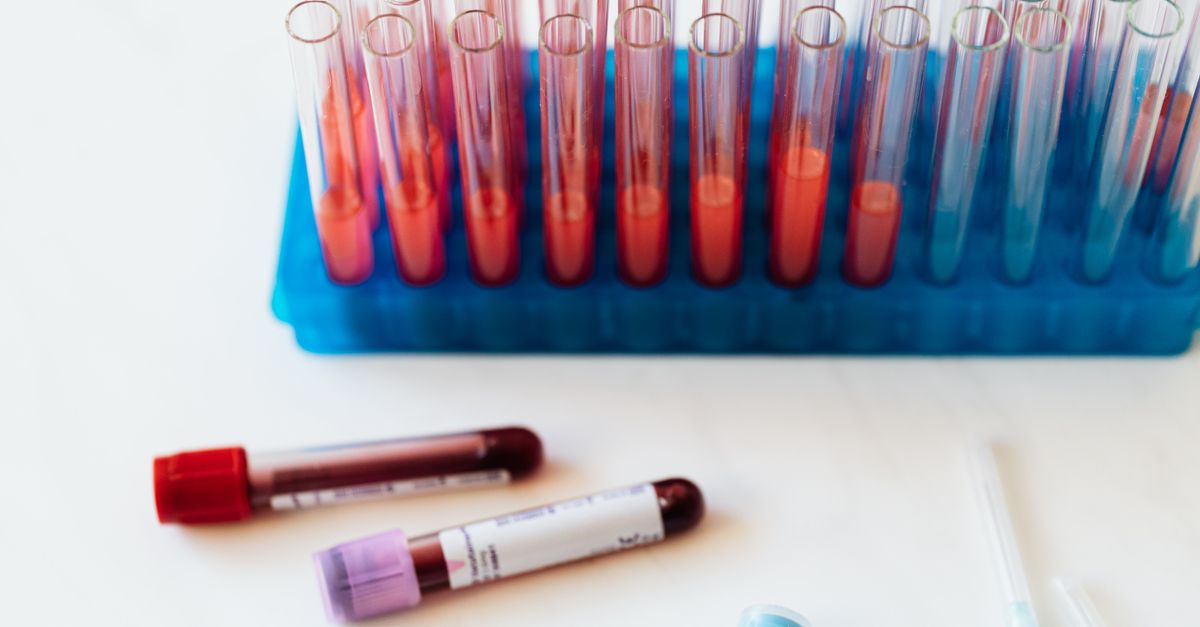
What Is an Optimal ALT Level?
For most healthy adults, an optimal ALT level is below 25 U/L for men and below 19 U/L for women — meaningfully lower than the 40–56 U/L upper limits printed on standard lab reports. The main caveat: a single reading is context-dependent; medications, recent exercise, and alcohol use can all push ALT temporarily. The exception is athletes, whose muscle turnover can run ALT 10–20 U/L above normal without reflecting any liver issue at all.
---
Why Your Lab's "Normal" Range Is Not the Same as Optimal
ALT — alanine aminotransferase — is an enzyme that lives primarily inside hepatocytes (liver cells). When those cells are under stress, damaged, or dying, ALT leaks into the bloodstream. The higher the serum level, the greater the signal of hepatocellular injury.
The problem with standard reference ranges is how they are derived. Most clinical labs establish their upper limit of normal (ULN) by collecting values from a large population sample and defining the 95th percentile as the cutoff. That population inevitably includes people with subclinical fatty liver, metabolic syndrome, and moderate alcohol use — conditions that elevate ALT without triggering a formal diagnosis. In effect, the reference range is calibrated to a population that is not metabolically healthy.
A landmark analysis by Prati et al. (2002) addressed this directly. The researchers applied strict exclusion criteria — removing individuals with obesity, alcohol use, viral hepatitis, and metabolic abnormalities — and recalculated the ULN in genuinely healthy blood donors. Their revised thresholds came out to 30 U/L for men and 19 U/L for women, substantially below the lab cutoffs most patients see (Prati et al., Annals of Internal Medicine 2002; PMID: 12020139). A subsequent reanalysis by Kwo et al. using similar methodology suggested an even tighter male threshold closer to 25 U/L is appropriate when accounting for BMI-matched controls.
For practical purposes, this is why many functional medicine clinicians — and the Ones AI health practitioner — flag ALT above 25 U/L (men) or 19 U/L (women) as worth investigating, even when the conventional lab flags nothing at all. As we explain in more detail in our article on standard lab reference ranges vs. optimal ranges, the number on your report and the number you should be targeting are frequently two different things.
---
What ALT Actually Measures — and What It Misses
ALT is considered the most liver-specific of the aminotransferases. Its counterpart, AST (aspartate aminotransferase), is also found in skeletal muscle, cardiac muscle, and red blood cells, which is why ALT is the preferred primary marker for hepatocellular injury.
That said, ALT elevation tells you something is happening in the liver — it does not tell you what. The differential for an elevated ALT includes:
- Non-alcoholic fatty liver disease (NAFLD): By far the most common cause in developed countries. NAFLD affects an estimated 25% of the global adult population and reliably elevates ALT into the 30–60 U/L range, sometimes higher.
- Alcoholic liver disease: Alcohol induces a characteristic pattern where AST rises disproportionately; an AST:ALT ratio above 2:1 is a clinical clue.
- Medication-induced liver injury (DILI): Statins, NSAIDs, antibiotics (especially amoxicillin-clavulanate), and acetaminophen are among the most common offenders.
- Thyroid dysfunction: Both hypothyroidism and hyperthyroidism can elevate liver enzymes; thyroid hormone regulates hepatic lipid metabolism.
- Celiac disease: Undiagnosed gluten sensitivity causes unexplained transaminase elevation in a meaningful subset of patients.
- Viral hepatitis (B and C): Always worth screening when ALT is persistently above 2× ULN.
- Intense exercise: Eccentric muscle contractions — particularly weight training or long-distance running — can temporarily raise both ALT and AST. This is the athlete exception noted above.
The ratio of ALT to other markers provides additional diagnostic context. A low AST:ALT ratio (below 1) with ALT in the 25–60 U/L range in an overweight individual strongly suggests NAFLD. An ALT elevation accompanied by elevated C-reactive protein and fasting insulin points toward metabolic inflammation as the driver.
---
ALT and Metabolic Health: The Insulin and Triglyceride Connection
ALT does not sit in isolation. It is tightly coupled to the broader metabolic biomarker constellation, and understanding those connections helps explain why elevated ALT is often a downstream consequence of upstream problems.
Insulin resistance and fasting insulin. Hyperinsulinemia drives hepatic de novo lipogenesis — the liver converts excess glucose into fat. That ectopic fat accumulation triggers oxidative stress, mitochondrial dysfunction, and hepatocyte injury, all of which elevate ALT. A 2018 meta-analysis in Hepatology found that individuals with insulin resistance had ALT values on average 8–14 U/L higher than insulin-sensitive controls matched for BMI. If your fasting insulin is trending above the optimal range (which we cover in detail in our post on optimal fasting insulin levels), your ALT is likely to follow. Improving insulin sensitivity through diet, exercise, and targeted supplementation typically brings ALT down as a downstream effect.
Triglycerides. Very-low-density lipoproteins (VLDL) are assembled in the liver and are the primary carrier of endogenously synthesized triglycerides. When hepatic fat accumulation is high, VLDL secretion increases and serum triglycerides rise. The ALT–triglyceride relationship is bidirectional: elevated triglycerides reflect increased hepatic lipid load, which injures hepatocytes, which elevates ALT. Population studies show a log-linear correlation between serum triglycerides and ALT across the range of 80–300 mg/dL. Understanding optimal triglyceride levels is therefore directly relevant to anyone trying to optimize their liver enzymes.
Total cholesterol and VLDL. Dyslipidemia patterns associated with hepatic steatosis include elevated VLDL, lower HDL, and a shift toward small, dense LDL particles. Tracking total cholesterol patterns alongside ALT gives a more complete picture of hepatic lipid metabolism than either marker alone.
---
What Moves ALT Up — and What Moves It Back Down
Dietary factors
Fructose is one of the most reliably hepatotoxic dietary components at high intake. Unlike glucose, fructose is metabolized almost exclusively by the liver and bypasses the rate-limiting step of glycolysis (phosphofructokinase). High-fructose diets in controlled feeding trials reproducibly elevate ALT within 8–10 weeks. A 2012 study by Maersk et al. randomized participants to 1 L/day of sucrose-sweetened beverages versus milk, diet cola, or water; the sucrose group showed significant increases in liver fat (measured by MRI) and ALT compared to all control groups over 6 months (Maersk et al., American Journal of Clinical Nutrition 2012; PMID: 22211057).
Saturated fat is a second driver, particularly in the context of caloric surplus. The combination of excess saturated fat and refined carbohydrate — the hallmark of ultra-processed food patterns — is more hepatotoxic than either alone.
Coffee, counterintuitively, appears genuinely protective. Multiple prospective cohort studies show an inverse dose-response relationship between coffee consumption and ALT elevation, NAFLD incidence, and progression to cirrhosis. The 2005 Ruhl and Everhart analysis of NHANES III data found that individuals drinking ≥2 cups/day had significantly lower odds of ALT elevation (Ruhl & Everhart, Gastroenterology 2005; PMID: 15765398). Caffeinated and decaffeinated coffee both appear to confer benefit, suggesting the relevant components are the polyphenols (primarily chlorogenic acids) rather than caffeine alone.
Exercise
Regular moderate aerobic exercise reduces hepatic fat independent of weight loss, which directly lowers ALT. A meta-analysis of 21 randomized controlled trials by Keating et al. (2012) found that exercise training reduced ALT by a mean of 4.7 U/L and liver fat by approximately 3% absolute (Keating et al., Journal of Hepatology 2012; PMID: 22245886). High-intensity interval training (HIIT) may produce faster liver fat reduction per unit time than steady-state cardio. Resistance training also reduces liver fat, though the effect on ALT specifically is more modest.
The important nuance for athletes: a single bout of heavy eccentric exercise can acutely spike ALT by 20–50 U/L above baseline for 48–72 hours. This is muscle-derived (though ALT is less muscle-specific than AST) and resolves within a week. Always time blood draws at least 72 hours after intense training sessions if you want a clean hepatic reading.
Alcohol
Alcohol is dosed toxicity to hepatocytes. Even moderate drinking (1–2 drinks/day) chronically raises ALT in susceptible individuals. The dose-response is steep: moving from 14 drinks/week to 0 typically drops ALT by 10–20 U/L over 4–8 weeks in individuals with alcohol-related elevation, providing one of the most reliable natural experiments in liver biology.
Medications and supplements to be aware of
Beyond prescription drugs, several popular supplements can raise ALT in certain individuals:
- High-dose niacin (>1 g/day): Hepatotoxic at pharmacological doses, particularly extended-release formulations.
- Kava: Associated with idiosyncratic hepatotoxicity; not recommended.
- Green tea extract (EGCG) at very high doses (>800 mg/day): Reported cases of liver injury, though the risk is low at conventional supplemental doses.
- Iron supplementation when not deficient: Excess free iron drives oxidative stress in hepatocytes.
---
ALT Reference Ranges at a Glance
| Category | ALT Range (U/L) | Clinical Interpretation |
|---|---|---|
| Optimal (women) | < 19 | Minimal hepatocellular stress |
| Optimal (men) | < 25 | Minimal hepatocellular stress |
| Borderline elevated | 25–40 | Warrants metabolic investigation |
| Mildly elevated | 40–120 | Active hepatocellular injury likely |
| Moderately elevated | 120–400 | Significant injury; urgent workup |
| Severely elevated (>10× ULN) | > 400 | Acute hepatitis, ischemia, or toxin exposure |
Sources: Prati et al. 2002 (PMID: 12020139); AASLD practice guidelines 2018
---
How Ones Addresses This
When Ones analyzes your blood work and wearable data, ALT doesn't sit in a silo. The AI evaluates it alongside fasting insulin, triglycerides, AST:ALT ratio, and inflammatory markers to determine whether an elevation is metabolic, lifestyle-driven, or worth escalating to a clinician. Based on that analysis, relevant supportive ingredients are built into your custom formula.
For individuals with borderline ALT tied to metabolic inflammation and hepatic lipid accumulation, three ingredients in the Ones catalog are most commonly indicated:
- Omega-3 (EPA/DHA): Multiple RCTs demonstrate that high-dose omega-3 supplementation (2–4 g EPA+DHA/day) reduces hepatic fat, intrahepatic triglycerides, and ALT in NAFLD patients. A 2016 meta-analysis of 9 RCTs by Yan et al. found mean ALT reductions of 9–15 U/L with omega-3 supplementation over 6–12 months (Yan et al., Medicine 2016; PMID: 26844500). Ones formulas use clinical-range EPA/DHA doses calibrated to the individual's triglyceride and liver enzyme profile.
- Vitamin D3 + K2 (MK-7): Vitamin D deficiency is independently associated with NAFLD and elevated transaminases. Vitamin D receptors are expressed on hepatocytes and Kupffer cells, where they exert anti-inflammatory and anti-fibrotic effects. Supplementation trials in vitamin D-deficient NAFLD patients show modest but consistent ALT reductions (mean ~6 U/L) over 6 months. Ones pairs D3 with MK-7 to optimize calcium distribution and avoid soft-tissue deposition.
- Ones Liver Support blend: This proprietary system blend is specifically formulated for hepatic function, incorporating milk thistle (silymarin), N-acetyl-cysteine (NAC), and supportive cofactors at clinically relevant doses. Silymarin is the most studied hepatoprotective compound in human trials, with consistent evidence of ALT reduction in both alcoholic and non-alcoholic liver disease contexts.
No two formulas are identical — the Ones AI selects a 6- or 9-capsule daily plan based on the totality of your findings, not a fixed template.
---
Key Takeaways
- Optimal ALT is below 25 U/L for men and below 19 U/L for women — not the 40–56 U/L upper limits printed on most standard lab reports. Those conventional cutoffs are derived from population samples that include metabolically unhealthy individuals.
- Context matters enormously. A single elevated reading after intense exercise, a course of antibiotics, or a heavy weekend means far less than a reading that is persistently above optimal on multiple draws.
- ALT is a downstream marker. Insulin resistance, elevated triglycerides, high fructose intake, and excess body fat are the most common upstream drivers — address those and ALT typically follows.
- Coffee, regular aerobic exercise, and alcohol reduction are the three lifestyle interventions with the strongest evidence for lowering ALT in metabolically driven elevation.
- Athletes should time their labs carefully — eccentric exercise acutely spikes ALT for up to 72 hours, which can generate a false positive without any liver pathology.
- Supplementation can help when lifestyle is already optimized. Omega-3 fatty acids, vitamin D3, and hepatoprotective compounds like silymarin have the best RCT support for ALT reduction in NAFLD and metabolic contexts.