Lab Results
How to Test Albumin: Ranges, Symptoms, and What to Do
Albumin is one of the most ordered lab tests in medicine, yet most people receive their result with no context beyond 'normal' or 'low.' A single albumin number can signal protein malnutrition, liver dysfunction, kidney loss, or chronic inflammation — often before any symptoms appear. Understanding what your result actually means changes what you do next.
How to Test Albumin: Ranges, Symptoms, and What to Do
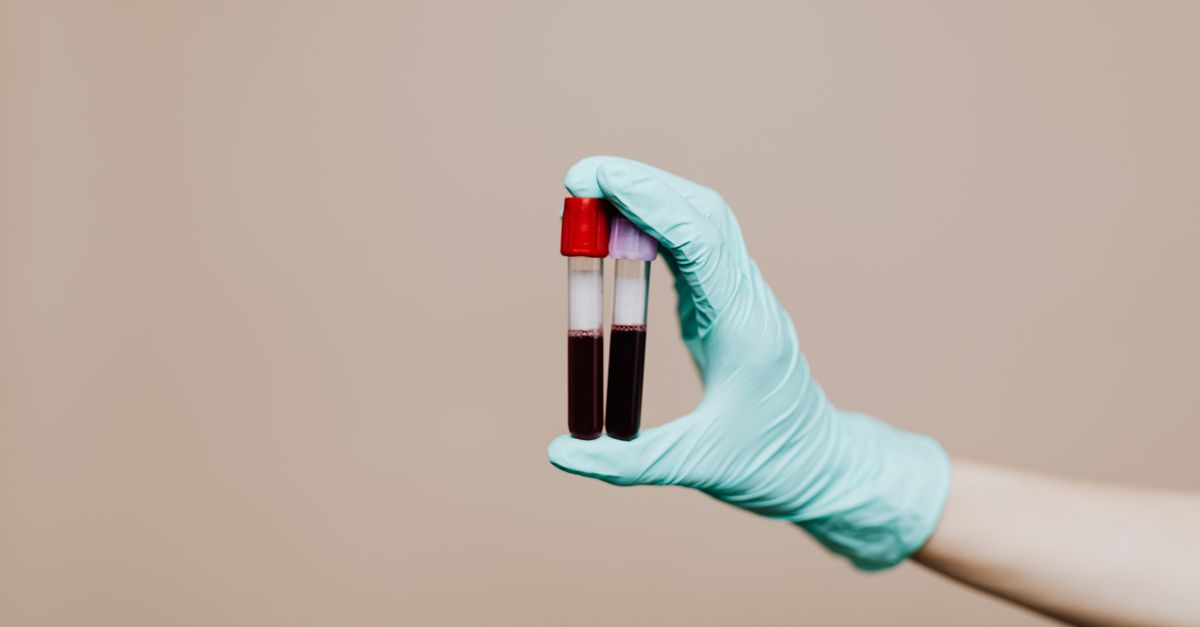
Yes, an albumin blood test is straightforward — it requires a simple venous blood draw with no special fasting requirement in most protocols, though some labs prefer a fasted state to reduce lipemia interference. The main caveat is that "normal" on a standard reference range (3.5–5.0 g/dL) can still mask early-stage protein depletion or chronic low-grade inflammation. The exception is hospitalized patients, where albumin drops rapidly due to the acute-phase response and is a poor short-term nutrition marker in that setting.
---
What Is Albumin and Why Does It Matter?
Albumin is the most abundant protein in human blood plasma, produced exclusively by the liver, and accounts for roughly 60% of total serum protein. It performs three indispensable jobs: maintaining oncotic pressure (keeping fluid inside blood vessels), transporting hormones, fatty acids, drugs, and minerals throughout the body, and acting as a buffer in acid-base balance.
Because albumin reflects both liver synthetic capacity and adequate dietary protein intake, it functions as a sensitive long-term nutritional and hepatic biomarker. Its half-life of approximately 20 days means that your serum albumin today reflects roughly three weeks of cumulative protein status — a window that short-term markers like pre-albumin (transthyretin, half-life ~2 days) cannot provide in the outpatient setting.
Low albumin — called hypoalbuminemia — is independently associated with increased all-cause mortality in community-dwelling adults (Don & Kaysen, American Journal of Kidney Diseases 2004; PMID: 15112182). That association holds even after adjusting for age, body weight, and comorbidities, which is why functional medicine practitioners treat albumin as a tier-one longevity biomarker rather than a routine checkbox.
---
How to Test Albumin: The Procedure Step by Step
Testing albumin is not complex, but a few procedural details affect accuracy.
What the test involves:
- A standard venous blood draw (antecubital fossa is typical)
- The sample is sent to a clinical chemistry analyzer using the bromocresol green (BCG) or bromocresol purple (BCP) dye-binding method
- Results are reported in grams per deciliter (g/dL) or grams per liter (g/L)
- Turnaround is usually 24–48 hours for outpatient labs
Fasting: Most labs do not require fasting for albumin alone. However, if your albumin is part of a comprehensive metabolic panel (CMP) or is ordered alongside a lipid panel, fasting is typically required for those concurrent tests.
Tourniquet time: Prolonged tourniquet application (more than 2 minutes) can artificially elevate albumin by 10–15% due to hemoconcentration — a known pre-analytical error clinicians are trained to minimize (Lippi et al., Clinical Chemistry and Laboratory Medicine 2006; PMID: 16536729).
Posture effect: Albumin is approximately 0.3–0.5 g/dL higher in a standing position compared to supine due to redistribution of plasma volume. If you are tested lying down (as in a hospital), your result may appear lower than your true ambulatory level. This is a clinically important distinction when interpreting inpatient versus outpatient results.
Requesting the test: Albumin is included in the CMP, which any primary care physician can order. You can also request it as a standalone test through direct-access lab services. If you've uploaded blood work to the Ones platform, albumin is one of the core biomarkers the AI practitioner evaluates when building your nutritional picture alongside protein intake history and inflammatory markers.
---
Albumin Reference Ranges vs. Optimal Ranges
| Level | Range (g/dL) | Clinical Interpretation |
|---|---|---|
| Optimal | 4.0 – 5.0 | Strong liver synthesis, adequate protein intake |
| Low-normal | 3.5 – 3.9 | Borderline; monitor trend, evaluate protein intake |
| Mild hypoalbuminemia | 3.0 – 3.4 | Elevated risk; evaluate diet, liver, kidney, inflammation |
| Moderate hypoalbuminemia | 2.5 – 2.9 | Clinically significant; edema likely, urgent workup |
| Severe hypoalbuminemia | < 2.5 | Medical emergency; hospitalization often required |
| High (hyperalbuminemia) | > 5.0 | Usually dehydration; rarely pathological alone |
Functional medicine practitioners often use a tighter optimal window of 4.2–4.9 g/dL, citing epidemiological data showing mortality risk begins to creep upward below 4.0 g/dL even when results are technically "in range" (Corti et al., JAMA 1994; PMID: 8046767). This study of community-dwelling adults followed over 3 years found that those with albumin below 3.8 g/dL had significantly higher 3-year mortality — not just those in the clinically "low" range.
---
Symptoms of High Albumin
High albumin (hyperalbuminemia, > 5.0 g/dL) is far less clinically discussed than low albumin but worth understanding. It almost never represents a primary disease process. Instead, it is almost always a concentration artifact — your blood has less water than normal, so proteins appear proportionally elevated.
Common causes of high albumin:
- Dehydration — the most frequent cause by far; reduced fluid intake, vomiting, diarrhea, or diuretic overuse
- Prolonged tourniquet application during the draw (pre-analytical error)
- Severe diarrhea or burns — massive fluid losses push albumin concentration upward
- High-protein IV infusions in clinical settings
Symptoms of high albumin are typically the symptoms of whatever is causing the hemoconcentration, not the elevated albumin itself:
- Dark urine and reduced urine output
- Dizziness or orthostatic hypotension when standing
- Dry mouth and increased thirst
- Elevated hematocrit and hemoglobin on the CBC
If your albumin comes back above 5.0 g/dL and you feel well, re-test with adequate hydration before pursuing further workup. Persistent high albumin despite proper hydration warrants evaluation for rare conditions like familial dysalbuminemia.
---
BUN Blood Test: Reading It Alongside Albumin
Albumin rarely tells the full story in isolation. Blood urea nitrogen (BUN) is ordered with it — often as part of the CMP — because the two markers together reveal important distinctions about kidney function and protein metabolism.
BUN measures the nitrogen content of urea, the liver's end product of protein catabolism, which is excreted by the kidneys. A normal BUN range is approximately 7–20 mg/dL.
BUN-to-albumin patterns and what they signal:
| BUN | Albumin | Likely Interpretation |
|---|---|---|
| Elevated (>20) | Low (<3.5) | Kidney impairment limiting urea excretion; protein malnutrition |
| Elevated | Normal | High protein intake, upper GI bleed, or mild dehydration |
| Low (<7) | Low | Severe protein malnutrition, liver failure (urea synthesis impaired) |
| Normal | Low | Protein losses (kidney, GI), chronic inflammation, malabsorption |
| Normal | Normal | Reassuring baseline |
BUN is also used in the BUN:creatinine ratio. A ratio above 20:1 suggests pre-renal causes (dehydration, heart failure) rather than intrinsic kidney disease. If you are exploring kidney function in depth, our guide on how to test Cystatin C explains why cystatin C often outperforms creatinine-based estimates for detecting early GFR decline — particularly relevant when albumin and BUN are both trending in the wrong direction.
For individuals managing high blood pressure, understanding what lab tests to get for high blood pressure can help you request albumin, BUN, and creatinine as part of a targeted panel rather than relying solely on a basic urinalysis.
---
eGFR Blood Test: The Kidney Filter Metric That Pairs With Albumin
eGFR (estimated glomerular filtration rate) is the standard metric for assessing kidney filtration capacity. It is calculated from serum creatinine, age, and sex using the CKD-EPI equation (the MDRD equation is still used in some labs but CKD-EPI is now preferred for its accuracy across the GFR spectrum).
Why does eGFR matter when you are looking at albumin? Because the kidney is one of the primary sites of albumin loss. In early diabetic nephropathy and hypertensive kidney disease, damaged glomeruli leak albumin into urine before serum albumin drops appreciably. By the time serum albumin falls significantly in kidney disease, substantial filtration capacity has already been lost.
eGFR staging and kidney disease progression:
| eGFR Stage | eGFR (mL/min/1.73m²) | Description |
|---|---|---|
| G1 | ≥ 90 | Normal or high |
| G2 | 60–89 | Mildly decreased |
| G3a | 45–59 | Mildly to moderately decreased |
| G3b | 30–44 | Moderately to severely decreased |
| G4 | 15–29 | Severely decreased |
| G5 | < 15 | Kidney failure |
When eGFR falls below 45, protein synthesis demands increase while protein losses through the kidneys also rise — a double hit that accelerates hypoalbuminemia (Kaysen, Journal of the American Society of Nephrology 1998; PMID: 9527393). This is why nephrologists follow albumin as a nutritional target in CKD management. An albumin above 4.0 g/dL in a CKD patient is considered a protective nutritional marker.
If you notice that your eGFR is trending downward alongside a falling albumin, that combination warrants early nephrology input — not just a dietary protein adjustment. High blood pressure is a leading driver of declining eGFR, and tracking both kidney markers together is discussed further in our article on RBC magnesium and functional medicine interpretation, since magnesium insufficiency is common in patients with early CKD and hypertension.
---
What Causes Low Albumin?
Hypoalbuminemia has four root mechanisms, and distinguishing them determines the right intervention:
- Inadequate protein intake — the most common cause in outpatients; plant-based diets without adequate complementary proteins, caloric restriction, disordered eating
- Impaired liver synthesis — cirrhosis, non-alcoholic fatty liver disease (NAFLD), hepatitis; the liver cannot manufacture albumin at sufficient rates
- Increased protein losses — nephrotic syndrome (urinary losses), protein-losing enteropathy (GI losses), severe burns (skin losses)
- Chronic inflammation — arguably the most underappreciated mechanism; interleukin-6 (IL-6) suppresses hepatic albumin synthesis directly and redistributes albumin to extravascular spaces. This is called the "negative acute-phase response" and explains why critically ill patients and those with rheumatoid arthritis or IBD have low albumin even with adequate protein intake (Gabay & Kushner, New England Journal of Medicine 1999; PMID: 9971870)
This inflammation mechanism is critical: treating low albumin with extra protein alone will fail if the underlying driver is systemic inflammation. Identifying the root cause — via CRP, IL-6, ferritin, and a full CMP — is step one.
---
Supplements for Albumin: What the Evidence Says
No supplement directly raises albumin the way a statin lowers LDL. What the evidence supports is addressing the upstream drivers: protein synthesis capacity, hepatic function, inflammation, and gut absorption.
Clinically studied approaches:
- Dietary protein optimization: 1.2–1.6 g/kg/day of high-bioavailability protein (leucine-rich sources — whey, eggs, legumes) is the primary lever in protein-deficient hypoalbuminemia. A meta-analysis of oral nutritional supplementation in older adults found significant albumin improvements with high-protein supplementation over 3–6 months (Milne et al., Cochrane Database of Systematic Reviews 2009; PMID: 19160185)
- Omega-3 fatty acids (EPA/DHA): Anti-inflammatory effects of omega-3s reduce IL-6 and CRP, partially restoring hepatic albumin synthesis in patients where inflammation is the driver. Doses of 2–4 g/day EPA+DHA have been used in CKD and cancer-related hypoalbuminemia studies
- N-acetyl cysteine (NAC) and glutathione precursors: Support hepatic detoxification capacity and reduce oxidative stress in liver cells, relevant when NAFLD underlies low albumin
- Zinc: Zinc deficiency directly impairs protein synthesis at the ribosomal level; correcting zinc status is associated with improved albumin in zinc-deficient populations. If you want to understand how zinc interplays with immune function and protein metabolism, our article on zinc deficiency symptoms and blood testing covers the clinical picture comprehensively
- Branched-chain amino acids (BCAAs): In cirrhotic patients specifically, oral BCAA supplementation has shown albumin-raising effects in Japanese RCTs, thought to work by suppressing autophagy of liver protein stores
What does not work: Generic multivitamins and single B vitamins have no meaningful direct effect on albumin in the absence of a specific deficiency driving malabsorption.
---
What This Means for Your Formula
Albumin reflects a convergence of protein nutrition, liver health, kidney integrity, and systemic inflammation — all systems Ones evaluates when your blood work is uploaded. Rather than recommending a generic protein powder, the Ones AI practitioner cross-references your albumin against your inflammatory markers, kidney panel, and dietary history to identify the most likely upstream cause.
For individuals whose low albumin appears driven by chronic low-grade inflammation, Ones formulas may include Omega-3 (EPA/DHA) at a clinically meaningful dose — the catalog uses a dose in the 1–2 g EPA+DHA range, consistent with the threshold shown to reduce IL-6 and CRP in controlled trials. This is distinct from the small omega-3 amounts in most multivitamins.
Where the liver's synthetic capacity appears to be a limiting factor — indicated by elevated liver enzymes alongside low albumin — Ones can include its proprietary Liver Support blend, a System Support designed to address hepatic detoxification pathways. This blend uses botanicals and cofactors that support phase I and phase II liver detoxification rather than simply loading isolated antioxidants.
For individuals with concurrent zinc insufficiency — common in plant-predominant eaters and older adults — Ones includes elemental zinc dosed to functional sufficiency without crossing the tolerable upper limit, as zinc is a direct cofactor in the protein synthesis machinery the liver uses to manufacture albumin.
If high blood pressure is part of your picture, it is worth noting that poor concentration, slow recovery, and kidney-related symptoms often co-occur with declining albumin — our article on what causes slow recovery after training with high blood pressure touches on the metabolic overlap that a full lab panel can help untangle.
Consult a qualified healthcare provider before changing your supplement regimen based on albumin alone, particularly if eGFR, BUN, or liver enzymes are concurrently abnormal.
---
Key Takeaways
- Albumin testing requires only a standard blood draw — no fasting is required in most protocols, but posture and tourniquet time affect accuracy; always test in a consistent, hydrated, ambulatory state
- The functional optimal range is 4.0–5.0 g/dL, not just the lab reference of 3.5–5.0; mortality data suggest risk rises below 4.0 g/dL even without clinical symptoms
- High albumin (>5.0 g/dL) almost always means dehydration — rehydrate and retest before pursuing further workup
- Low albumin has four root causes (inadequate protein, impaired liver synthesis, protein losses, chronic inflammation) — the right intervention depends on identifying which one is dominant
- BUN and eGFR must be read alongside albumin to distinguish nutritional depletion from kidney-driven protein loss; a falling eGFR with falling albumin warrants nephrology referral
- Supplements for albumin work upstream — omega-3s to reduce inflammation, zinc to restore protein synthesis capacity, and liver-supportive compounds to restore hepatic output — not as direct albumin replacements