Men's Health
What Causes Infertility in Men with Low Testosterone?
Low testosterone affects roughly 2–4% of men under 40, yet its link to infertility is frequently underestimated. When testosterone falls below optimal levels, sperm production, libido, and reproductive hormone signaling can all break down simultaneously — making a targeted, evidence-based protocol essential for men who are trying to conceive.
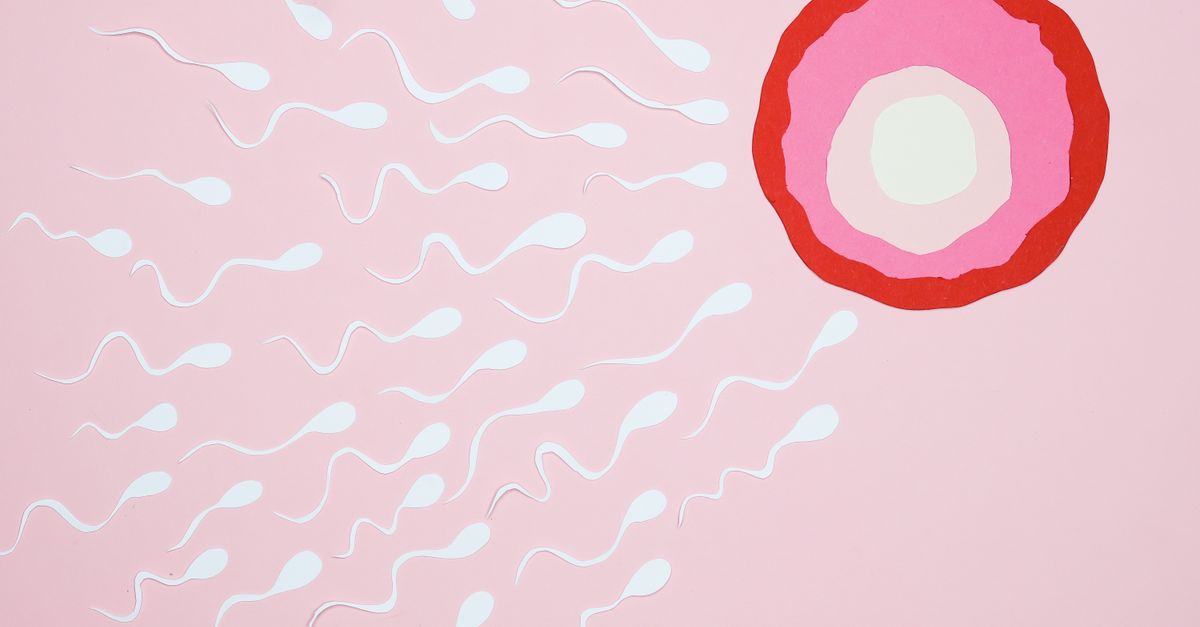
What Causes Infertility in Men with Low Testosterone?
Low testosterone is a direct cause of impaired sperm production in many men, though the relationship is not always straightforward. Testosterone drives spermatogenesis inside the testes, so when levels drop — whether from primary testicular failure, hypothalamic-pituitary dysfunction, or lifestyle factors — sperm count, motility, and morphology typically decline with it. The exception is men with low total testosterone but normal intratesticular testosterone concentrations, who may retain relatively intact fertility.
---
How Low Testosterone Disrupts Sperm Production
Spermatogenesis requires intratesticular testosterone concentrations that are roughly 50–100 times higher than serum levels (Zirkin & Papadopoulos, Biology of Reproduction 2018; PMID: 29462268). The Leydig cells that produce testosterone are regulated by luteinizing hormone (LH), which is released in pulses from the pituitary gland. When serum testosterone falls, two distinct failure patterns emerge:
- Primary hypogonadism — the testes themselves fail to produce sufficient testosterone despite normal or elevated LH signals. Causes include Klinefelter syndrome, varicocele, orchitis, chemotherapy, and radiation.
- Secondary (hypogonadotropic) hypogonadism — the pituitary or hypothalamus fails to send adequate LH and FSH signals. Causes include hyperprolactinemia, obesity-driven estrogen excess, anabolic steroid use, and chronic stress elevating cortisol.
In the secondary pattern, both testosterone and FSH fall together — FSH being the hormone that directly stimulates Sertoli cells to nurture developing sperm. The result is a double hit: low androgen environment and reduced spermatogenic drive. A 2020 systematic review in Human Reproduction Update (Krausz & Riera-Escamilla; PMID: 31665451) confirmed that hypogonadotropic hypogonadism accounts for approximately 1–2% of male infertility cases but is one of the most treatment-responsive causes when identified early.
For men who are also carrying excess body weight, the picture becomes more complicated. Adipose tissue converts testosterone to estradiol via aromatase, further suppressing the HPG axis. You can read more about this compounding effect in our overview of what causes low energy in men who are overweight.
---
Key Biomarkers to Evaluate
A single testosterone number rarely tells the full story. Clinicians evaluating male fertility typically assess:
| Biomarker | Reference Range | Why It Matters |
|---|---|---|
| Total testosterone | 300–1000 ng/dL | Broad indicator; can mask low free T |
| Free testosterone | >65 pg/mL | Biologically active fraction |
| LH | 1.7–8.6 IU/L | Distinguishes primary vs. secondary cause |
| FSH | 1.5–12.4 IU/L | Directly reflects Sertoli cell function |
| Estradiol (E2) | 10–40 pg/mL | Elevated E2 suppresses LH pulse frequency |
| Prolactin | 2–18 ng/mL | Hyperprolactinemia blocks GnRH release |
| SHBG | 10–57 nmol/L | High SHBG lowers free T availability |
| Semen analysis | >15M/mL, >40% motility | Direct fertility endpoint |
Elevated prolactin deserves special attention because even mild hyperprolactinemia can suppress GnRH pulsatility, blunting both LH and FSH. If you're exploring hormonal patterns in women for comparison, our article on what causes low LH in women covers shared HPG axis mechanisms.
---
Lifestyle and Environmental Contributors
Beyond clinical diagnoses, several modifiable factors accelerate testosterone decline and impair sperm quality:
- Chronic psychological stress elevates cortisol, which directly inhibits GnRH and testosterone synthesis at the hypothalamic and testicular levels (Whirledge & Cidlowski, Nature Reviews Endocrinology 2010; PMID: 20531433).
- Sleep deprivation — testosterone is primarily secreted during slow-wave sleep. Men sleeping fewer than 5 hours showed a 10–15% reduction in testosterone compared with those sleeping 8 hours (Leproult & Van Cauter, JAMA 2011; PMID: 21791690).
- Endocrine-disrupting chemicals (phthalates, BPA) interfere with steroidogenesis and sperm DNA integrity.
- Alcohol at moderate-to-heavy intake reduces LH pulsatility and increases hepatic estrogen clearance dysfunction.
- Nutritional deficiencies — zinc, vitamin D, selenium, and certain amino acids are co-factors for testosterone synthesis and sperm maturation.
If stress-driven hormonal disruption resonates with your situation, it's worth noting that similar mechanisms drive low libido in men who are trying to conceive — another condition where cortisol-HPG axis interference plays a central role.
---
L-Tyrosine for Men: Thyroid and Dopamine Pathways
L-tyrosine is an amino acid precursor to both thyroid hormones (T3 and T4) and catecholamines (dopamine, norepinephrine, epinephrine). Its relevance to male fertility is often overlooked.
Thyroid function and testosterone production are closely linked. Subclinical hypothyroidism is associated with elevated SHBG (reducing free testosterone) and impaired Leydig cell responsiveness. Because tyrosine is the structural backbone of thyroid hormones, inadequate tyrosine availability under chronic stress can compromise T3 and T4 synthesis, indirectly lowering free testosterone.
On the dopamine side, dopamine stimulates GnRH release from the hypothalamus. In states of chronic stress — where tyrosine is rapidly depleted to fuel catecholamine production — reduced dopamine tone can blunt GnRH pulsatility, dropping both LH and FSH. A 2015 study in Nutritional Neuroscience found that tyrosine supplementation attenuated cortisol-related cognitive decline under acute stress conditions (Jongkees et al.; PMID: 25598314), suggesting preserved adrenal and neurological function during stressful periods.
For men with stress-compounded low testosterone, supporting the tyrosine → dopamine → GnRH pathway is a logical upstream intervention.
---
L-Glutamine for Men: Gut Barrier, Inflammation, and Hormone Synthesis
L-glutamine is the most abundant amino acid in the body and the primary fuel for rapidly dividing cells — including intestinal epithelial cells and immune cells. Its connection to male fertility runs through two key mechanisms:
1. Systemic inflammation and testosterone suppression. Leaky gut — driven by glutamine depletion during stress or overtraining — allows lipopolysaccharides (LPS) from gram-negative bacteria to enter systemic circulation. LPS activates inflammatory cytokines (IL-1β, TNF-α) that directly inhibit Leydig cell testosterone production (Svechnikov et al., International Journal of Molecular Sciences 2010; PMID: 21614177). Restoring gut barrier integrity with glutamine may reduce this inflammatory testosterone suppression.
2. Antioxidant support for sperm quality. Glutamine is a precursor to glutathione, the cell's master antioxidant. Oxidative stress is implicated in roughly 30–80% of male infertility cases, damaging sperm DNA and impairing mitochondrial function in the flagellum. By supporting glutathione synthesis, adequate glutamine helps protect sperm from reactive oxygen species (ROS) damage during maturation in the epididymis.
Typical clinical doses used in gut-integrity research range from 5–10 g per day, though lower doses (2–5 g) are often incorporated into broader supplement stacks targeting athletic recovery and metabolic health.
---
Taurine for Men: Mitochondrial Function and Sperm Motility
Taurine is a conditionally essential amino acid found in high concentrations in the testes and sperm. It plays a structural and functional role in sperm motility by stabilizing cell membranes, regulating calcium flux, and scavenging free radicals in the epididymis.
A clinical study published in Andrologia (Moeloek et al., 1997) established that taurine concentrations in seminal plasma correlate positively with sperm motility and concentration. More recently, animal model research confirmed that taurine deficiency significantly impairs mitochondrial ATP production in sperm — directly reducing progressive motility (Zucker et al., Molecular Reproduction and Development 2016).
For men with low testosterone, mitochondrial function in Leydig cells is itself compromised, since steroidogenesis depends on mitochondrial cholesterol transport via StAR protein. Taurine's mitochondrial protective effects extend to Leydig cells as well as sperm, making it a mechanistically relevant nutrient in this context.
Beyond fertility, taurine supports cardiovascular function — including blood pressure regulation and arterial elasticity — which matters for men whose low testosterone is contributing to metabolic syndrome. If vascular stress and anxiety are co-presenting, our piece on what causes anxiety in men with high blood pressure explores overlapping mechanisms.
---
Glycine for Men: Collagen Synthesis, Sleep, and Steroidogenesis
Glycine is the smallest amino acid and a key precursor to collagen, glutathione, creatine, and heme. Its relevance to male fertility operates through several pathways:
Sleep quality. A randomized crossover trial found that 3 g of glycine taken before bed significantly improved subjective sleep quality and reduced daytime sleepiness without altering sleep architecture negatively (Bannai & Hagiwara, Frontiers in Neurology 2012; PMID: 22529837). Given that testosterone is predominantly secreted during deep sleep, any intervention that improves sleep efficiency has direct implications for endogenous testosterone restoration.
Steroidogenesis support. Glycine is a component of bile acid conjugation and is required for heme synthesis — both relevant to hepatic testosterone metabolism and the production of steroidogenic enzymes. Adequate glycine availability ensures the liver can process and clear excess estrogens efficiently, supporting a healthier testosterone-to-estrogen ratio.
Connective tissue integrity. Men with low testosterone often experience joint laxity and reduced connective tissue resilience — glycine as a collagen precursor supports ligament and tendon health, which is relevant to maintaining training capacity and the testosterone-boosting effects of resistance exercise.
Typical research doses for sleep benefits are 3 g nightly; for broader metabolic and anti-inflammatory effects, 5–10 g daily has been studied.
---
What This Means for Your Formula
Addressing male infertility linked to low testosterone requires more than a single-ingredient fix. It demands a coordinated protocol that targets hormone signaling, sperm quality, inflammation, mitochondrial function, and sleep — simultaneously.
Ones approaches this by analyzing your blood work and health history through its AI health practitioner, then building a custom capsule formula calibrated to your specific findings. For men presenting with low testosterone patterns and fertility concerns, a Ones formula may incorporate:
- Ashwagandha (KSM-66, 600 mg): A double-blind RCT in infertile men showed KSM-66 increased serum testosterone by 17% and sperm concentration by 167% over 90 days compared to placebo (Ambiye et al., Evidence-Based Complementary and Alternative Medicine 2013; PMID: 24371462). Ones uses the KSM-66 form at the full 600 mg clinical dose.
- Zinc: Zinc is essential for LH receptor function and testosterone biosynthesis. Deficiency is directly associated with hypogonadism, and supplementation in deficient men consistently raises testosterone (Prasad et al., Nutrition 1996). Ones includes zinc at doses matched to individual blood work findings — not a blanket one-size amount.
- Ones Adrenal Support blend: For men whose low testosterone is driven by HPA axis overactivation (elevated cortisol suppressing GnRH), the Adrenal Support system blend targets the cortisol-testosterone antagonism at its root, complementing the amino acid inputs discussed above.
Because Ones formulas are built from your data — not a template — ingredients like taurine, glycine, and L-tyrosine can be incorporated where your profile indicates they're most needed, dosed within clinically studied ranges rather than label-driven averages.
---
Key Takeaways
- Low testosterone impairs male fertility primarily by reducing intratesticular testosterone concentrations needed for spermatogenesis, and by suppressing FSH through secondary HPG axis dysfunction.
- The root cause matters: primary (testicular) vs. secondary (pituitary/hypothalamic) hypogonadism require different interventions and have different fertility prognoses.
- Chronic stress, poor sleep, obesity, and nutritional deficiencies are the most common modifiable drivers — each with specific, addressable mechanisms.
- Amino acids including L-tyrosine (dopamine/thyroid pathway), L-glutamine (gut integrity and antioxidant support), taurine (sperm motility and mitochondrial function), and glycine (sleep quality and steroidogenesis) provide targeted upstream support.
- Ashwagandha KSM-66 at 600 mg has the strongest clinical evidence for simultaneously improving testosterone and sperm parameters in infertile men.
- A personalized approach — one that starts with actual lab data and maps interventions to your specific hormonal pattern — is more likely to produce meaningful outcomes than a generic fertility supplement stack.