Men's Health
How to Increase Free Testosterone Naturally
Free testosterone levels in men have been declining for decades — a 2007 study found average levels dropped roughly 1% per year independent of age. Most men chasing total testosterone miss the real target: the unbound fraction that actually enters your cells. The right lifestyle and supplement strategies can shift that fraction meaningfully without a prescription.
How to Increase Free Testosterone Naturally
Yes, free testosterone can be raised without drugs — primarily by reducing sex hormone-binding globulin (SHBG), managing chronic stress, optimizing micronutrient status, and improving sleep quality. The main caveat: if your total testosterone is clinically low (below ~300 ng/dL), natural strategies improve the picture but rarely substitute for medical evaluation. The exception is men with normal total testosterone but high SHBG, where lifestyle and targeted nutrients can recapture meaningful bioavailable hormone quickly.
---
Why Free Testosterone Matters More Than Total Testosterone
Total testosterone gets all the headlines, but it is largely a measure of your carrier protein traffic, not biological activity. Roughly 44–65% of circulating testosterone is tightly bound to SHBG, another 33–54% is loosely bound to albumin, and only 1–3% is completely free — meaning unbound and able to pass directly into muscle, brain, and bone cells (Vermeulen et al., Journal of Clinical Endocrinology & Metabolism 1999; PMID: 10523012).
Free testosterone is the fraction that correlates most strongly with libido, lean mass, cognitive sharpness, and mood. A man can have total testosterone sitting in the mid-normal range (say, 550 ng/dL) and still feel the hallmarks of testosterone deficiency if SHBG is elevated — a pattern that becomes more common after 35 and accelerates with obesity, chronic stress, alcohol use, and thyroid dysfunction.
Before diving into strategies, it is worth understanding that improving testosterone naturally encompasses both raising production and reducing binding — and free testosterone responds to both levers.
---
What Drives SHBG Up — and How to Bring It Down
SHBG is synthesized primarily in the liver. Anything that increases liver activity or signals metabolic stress tends to push SHBG higher. The most common drivers include:
- Chronic caloric restriction or low body weight — undereating is one of the fastest ways to elevate SHBG
- High dietary fiber without adequate fat — soluble fiber reduces androgen recycling in the gut
- Hyperthyroidism or subclinical high Free T3 — thyroid hormones upregulate SHBG transcription directly
- Elevated insulin-like growth factor-1 (IGF-1) deficiency — low IGF-1 is associated with higher SHBG
- Aging — SHBG rises approximately 1.2% per year after age 40 independent of testosterone production (Harman et al., Journal of Clinical Endocrinology & Metabolism 2001; PMID: 11443143)
- Alcohol — even moderate intake raises SHBG acutely through liver enzyme induction
- Zinc deficiency — zinc inhibits the SHBG gene promoter; repletion in deficient men lowers SHBG within weeks
Reducing SHBG is therefore one of the most direct and underappreciated routes to increasing the free fraction. Resistance training, adequate protein and fat intake, correcting zinc status, and managing thyroid function are all SHBG-lowering strategies backed by clinical evidence.
---
Lifestyle Strategies That Increase Free Testosterone
1. Resistance Training with Compound Movements
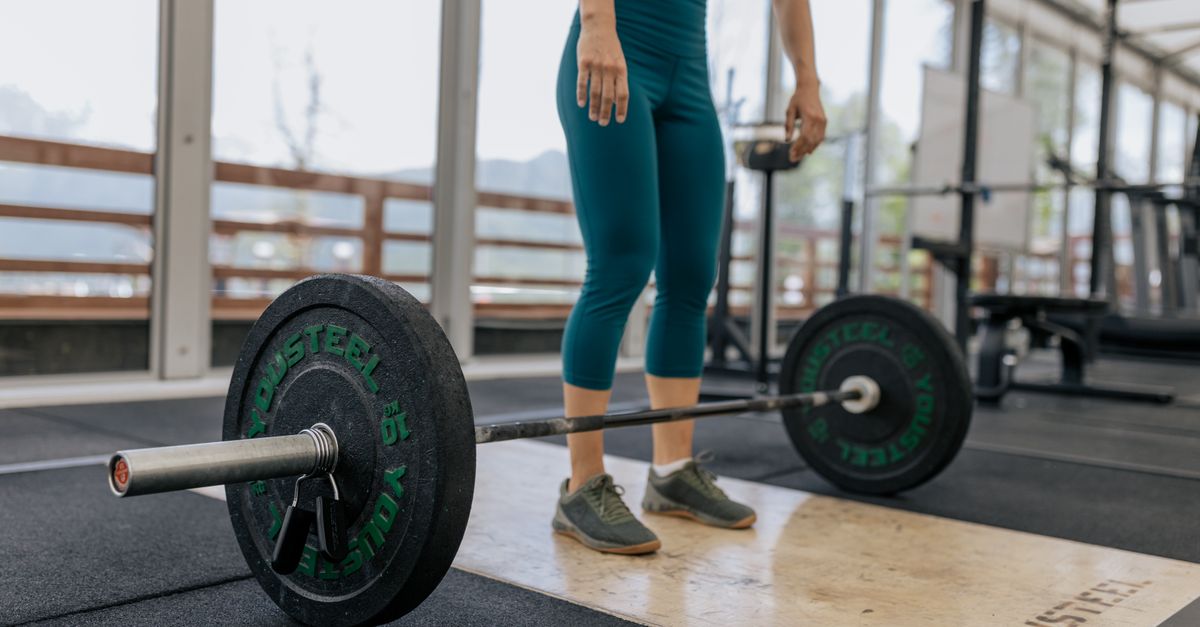
Heavy compound lifts (squat, deadlift, bench, row) acutely spike total and free testosterone while also suppressing SHBG over time by improving insulin sensitivity and body composition. A meta-analysis of 49 studies confirmed that resistance exercise produces significant acute testosterone increases, with trained men showing larger and more sustained responses than untrained individuals (Kraemer & Ratamess, Sports Medicine 2005; PMID: 15831061).
For free testosterone specifically, the goal is not just to raise production — it is to lower SHBG by reducing visceral fat and improving hepatic insulin sensitivity, both of which follow consistent strength training over 8–16 weeks.
2. Optimize Sleep Architecture
Testosterone — both total and free — is predominantly secreted in pulses during slow-wave and REM sleep. Restricting sleep to five hours per night for one week reduced daytime testosterone levels by 10–15% in young healthy men in a controlled University of Chicago trial (Leproult & Van Cauter, JAMA 2011; PMID: 21632481). SHBG was not separately reported in that trial, but the cortisol spike from sleep deprivation suppresses testicular Leydig cell function and independently raises binding protein levels.
Prioritizing 7–9 hours, reducing blue light exposure after 9 p.m., and keeping a consistent sleep schedule cost nothing and move free testosterone meaningfully. For a fuller picture of the hormone-sleep connection, see how to increase melatonin naturally, since nocturnal melatonin rhythm anchors the testosterone secretion window.
3. Reduce Chronic Cortisol Elevation
Cortisol and testosterone operate on a see-saw at the hypothalamic level. Chronic psychological stress, overtraining, and poor blood sugar regulation all keep cortisol chronically elevated, which suppresses GnRH pulsatility and reduces LH-driven testosterone synthesis. Men dealing with burnout or high workload stress often see both low-normal testosterone and elevated SHBG — a double hit on free levels.
Strategies that demonstrably lower chronic cortisol include managing DHEA levels, adaptogenic supplementation, structured rest days, and mindfulness-based stress reduction (MBSR).
4. Optimize Body Fat Percentage
Adipose tissue, especially visceral fat, is metabolically active estrogen-producing tissue. Aromatase enzyme in fat converts testosterone to estradiol, reducing total availability. More importantly, obesity-driven hyperinsulinemia and low-grade inflammation both independently suppress SHBG. Getting body fat from the obese range (>25% for men) down toward athletic norms (10–18%) has been shown to raise free testosterone by 20–30% in intervention studies, primarily through the SHBG reduction pathway.
---
Key Nutrients That Support Free Testosterone
Zinc
Zinc is the most evidence-backed micronutrient for testosterone. It acts as a cofactor in testosterone biosynthesis (the 17β-hydroxysteroid dehydrogenase step), suppresses the aromatase enzyme, and directly inhibits SHBG gene expression in hepatic cells. A landmark study in zinc-deficient elderly men showed that six months of zinc supplementation nearly doubled serum testosterone (Prasad et al., Nutrition 1996; PMID: 8875519). Effects in zinc-sufficient men are smaller, but correction of subclinical deficiency — common in athletes, men on proton pump inhibitors, and those eating low-meat diets — consistently raises free testosterone.
Clinical dosing: 15–30 mg elemental zinc daily (as zinc bisglycinate or zinc picolinate for absorption). Testing serum zinc or RBC zinc before supplementing is ideal to avoid over-supplementation, which can displace copper.
Vitamin D3
Vitamin D receptors are expressed in Leydig cells, and deficiency correlates strongly with low testosterone across multiple population studies. A randomized controlled trial of 165 men over 12 months found that those receiving 3,332 IU of vitamin D3 daily had significantly higher total and free testosterone compared to placebo (Pilz et al., Hormone and Metabolic Research 2011; PMID: 21154195). The mechanism involves both direct stimulation of testicular testosterone synthesis and modest SHBG reduction.
Optimal serum 25-OH-D for testosterone support appears to be 50–70 ng/mL — well above the deficiency cutoff but below toxicity range. Pairing D3 with vitamin K2 (MK-7) is clinically important for calcium routing and is now standard practice in evidence-based formulations.
Ashwagandha (KSM-66)
Ashwagandha root extract is among the most studied adaptogens for testosterone. The KSM-66 form (5% withanolide content) has been tested head-to-head in a double-blind RCT of 57 men over eight weeks: the treatment group saw a 17% increase in testosterone and a 36% reduction in serum cortisol compared to placebo, with significant improvements in muscle recovery and sexual function (Wankhede et al., Journal of the International Society of Sports Nutrition 2015; PMID: 26609282). The free testosterone effect is likely mediated through cortisol suppression — lower cortisol means less Leydig cell suppression and lower SHBG.
Clinical dose: 600 mg per day of KSM-66 standardized extract.
Boron
Boron is a trace mineral that is frequently overlooked but has a specific mechanism for free testosterone: it displaces testosterone from SHBG, shifting bound hormone into the free fraction. A clinical trial published in Integrative Medicine found that 10 mg of boron daily for one week significantly increased free testosterone by 28% and reduced estrogen by 39% in healthy men (Naghii et al., Integrative Medicine 2011). These are striking short-term numbers, and while longer-term data are more modest, boron's SHBG-displacement mechanism is biologically real and reproducible.
Omega-3 Fatty Acids (EPA/DHA)
Omega-3s reduce hepatic SHBG production through their anti-inflammatory and lipid-lowering effects on the liver. Men with higher omega-3 index scores consistently show lower SHBG in observational data, and intervention trials using 2–3 g of combined EPA/DHA show reductions in both SHBG and systemic inflammation markers within 8–12 weeks. Given that most Western men are significantly omega-3 deficient, this is both a free testosterone lever and a cardiovascular investment.
---
What This Means for Your Formula
If your free testosterone is low relative to total testosterone — a pattern that shows up clearly in blood work — the most targeted supplement combination addresses three mechanisms simultaneously: SHBG reduction, cortisol suppression, and androgen synthesis support.
Ones analyzes your blood work and wearable data to identify exactly which mechanism is limiting your free testosterone. Based on those findings, a custom formula might include:
- Zinc (bisglycinate, 25 mg) — to restore SHBG suppression and aromatase inhibition where deficiency is confirmed. This matches the repletion doses used in the Prasad testosterone trials.
- Ashwagandha KSM-66 (600 mg) — the full clinical dose from the Wankhede 2015 RCT, included when cortisol-driven SHBG elevation is the primary finding. This is delivered in Ones' Adrenal Support blend or as a standalone active depending on your formula budget.
- Vitamin D3 + K2 (MK-7) — calibrated to your baseline 25-OH-D level rather than a one-size dose, targeting the 50–70 ng/mL range shown in the Pilz trial to support Leydig cell function.
Ones formulas come in 6 or 9-capsule daily plans — the AI selects the plan based on how many findings require addressing, so men with isolated SHBG elevation may need fewer actives than someone with compounding deficiencies in zinc, vitamin D, and cortisol markers.
For hormonal context beyond testosterone, understanding related axes like DHEA and growth hormone can help explain why free testosterone can remain suppressed even when targeted interventions are in place.
---
Common Mistakes That Keep Free Testosterone Low
- Chasing total testosterone without measuring free — total can sit in-range while free is clinically low; always request free and bioavailable testosterone alongside total.
- Supplementing zinc without testing first — excess zinc displaces copper and can paradoxically worsen hormonal balance over time.
- Aggressive caloric restriction — crash dieting elevates SHBG acutely and suppresses LH pulsatility within days.
- Over-training without recovery — high training volumes without rest days push cortisol chronically high and cancel out the testosterone benefits of exercise.
- Ignoring thyroid function — subclinical hyperthyroidism is a major underappreciated driver of high SHBG. If your Free T3 is running high-normal, addressing it via thyroid support strategies may lower SHBG more than any supplement combination.
- Alcohol — even two to three drinks per night raises SHBG and suppresses LH secretion via hypothalamic mechanisms.
---
Key Takeaways
- Free testosterone — not total — is what your cells actually use. A normal total testosterone with elevated SHBG can produce the same symptoms as clinical deficiency.
- SHBG reduction is the fastest lever for most men over 35. Zinc, boron, resistance training, adequate fat intake, and treating thyroid dysfunction all lower SHBG meaningfully.
- Zinc and Vitamin D3 have the strongest RCT evidence for raising free testosterone, specifically in men who are deficient — which is a large proportion of the male population.
- Ashwagandha KSM-66 at 600 mg addresses the cortisol-testosterone seesaw, with a 17% testosterone increase and 36% cortisol reduction in an 8-week double-blind trial.
- Sleep is non-negotiable. Restricting sleep to five hours reduces daytime testosterone by 10–15% within a week — no supplement fully compensates for chronic sleep debt.
- Test before you stack. Knowing whether your SHBG, zinc, vitamin D, or cortisol is the primary driver allows targeted supplementation rather than a shotgun approach — which is exactly what personalized platforms like Ones are built to do.
---
This article is for informational purposes only and does not constitute medical advice. Consult a qualified healthcare provider before beginning any supplement protocol, particularly if you have a diagnosed endocrine condition or are taking prescription medications.