Supplements
Is Ferrous Bisglycinate Bad for You?
Ferrous bisglycinate has a reputation as the gentler iron supplement — but does gentle mean risk-free? For most people with documented iron deficiency, it's one of the safest forms available. The real risks are narrow but real: iron overload conditions, specific drug interactions, and dosing well above clinical ranges.
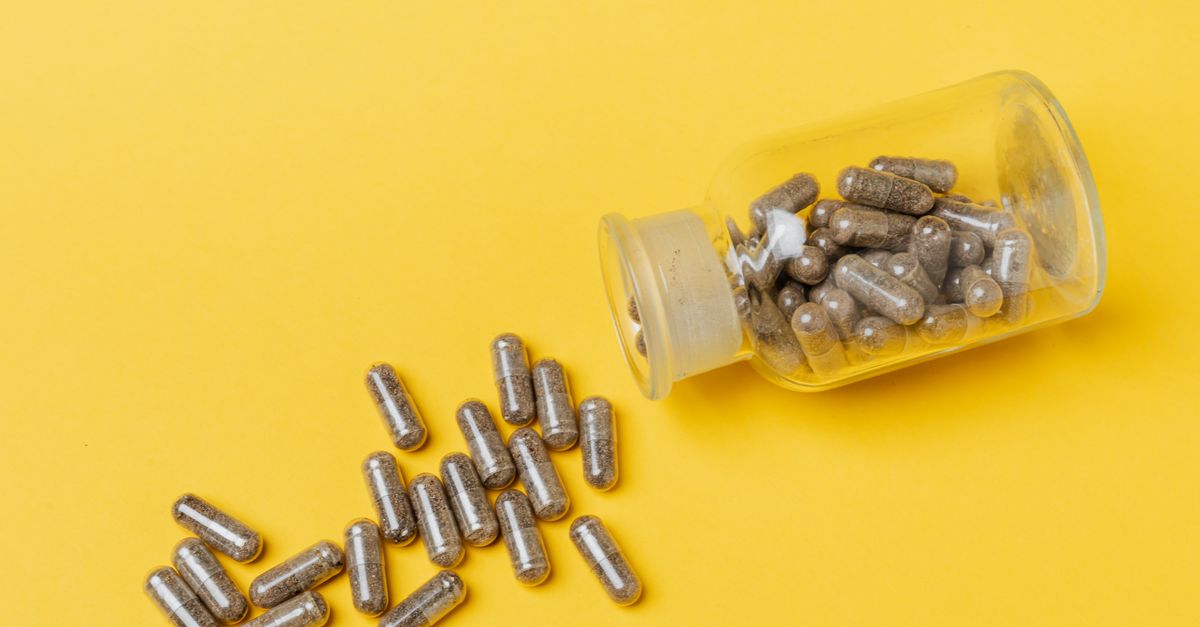
Is Ferrous Bisglycinate Bad for You?
No, for the vast majority of people. Ferrous bisglycinate is one of the best-tolerated iron forms studied, producing fewer gastrointestinal side effects than ferrous sulfate at equivalent doses. The main exceptions are people with hemochromatosis, hemolytic anemia, or those taking certain antibiotics or thyroid medications — for them, unmonitored iron supplementation carries real risk.
---
What Is Ferrous Bisglycinate, Exactly?
Ferrous bisglycinate (also called iron bisglycinate or iron glycinate chelate) is elemental iron bound to two glycine amino acids. That chelated structure changes everything about how your gut handles it. Regular iron salts — ferrous sulfate, ferrous gluconate — are ionized and compete with other minerals for absorption via DMT-1 transporters. Iron bisglycinate is absorbed at least partly through a separate peptide transporter pathway, which means it largely sidesteps that competitive bottleneck and reduces the free iron that irritates intestinal mucosa.
A landmark comparative trial by Szarfarc et al. (2001; PMID: 11688013) found that iron bisglycinate produced equivalent hemoglobin gains to ferrous sulfate in iron-deficient children while causing significantly fewer side effects. That finding has been replicated in adult populations, pregnant women, and adolescent girls across multiple decades of research.
If you are weighing your options, iron bisglycinate vs ferrous sulfate is a detailed comparison worth reading before you choose a form.
---
Common Side Effects — and How Often They Actually Occur
The side-effect profile of ferrous bisglycinate is narrow compared to older iron forms. Here's what the clinical literature actually documents:
| Side Effect | Ferrous Sulfate Incidence | Ferrous Bisglycinate Incidence | Notes |
|---|---|---|---|
| Nausea | 20–30% | 5–10% | Dose-dependent |
| Constipation | 15–25% | 3–8% | Chelate reduces mucosal irritation |
| Dark stools | Very common | Common | Expected; harmless |
| Stomach cramps | 10–20% | 3–6% | Linked to free iron load |
| Metallic taste | Occasional | Occasional | Form-independent |
Data synthesized from Christides et al. (Nutrients 2015; PMID: 25954895) and Youdim et al. (Journal of Nutritional Biochemistry 2004; PMID: 15135161).
Dark stools are almost universal with any iron supplement and are not a sign of harm — they reflect unabsorbed iron passing through the colon. If stools turn tarry black and you have abdominal pain, that is a different signal and warrants a clinical evaluation.
For a detailed look at the safety profile across different populations, is ferrous bisglycinate safe covers the clinical evidence in depth.
---
Who Should Actually Be Cautious
Ferrous bisglycinate is not universally appropriate. The following groups carry elevated risk:
1. People With Hemochromatosis or Iron Overload Disorders
Hereditary hemochromatosis affects approximately 1 in 200 people of Northern European descent. In these individuals, iron absorption is dysregulated upward — supplementing without medical supervision can accelerate organ damage in the liver, heart, and pancreas. If you have elevated ferritin without an identifiable deficiency cause, testing for the HFE gene variants (C282Y, H63D) is prudent before starting any iron supplement.
2. People With Hemolytic Anemias
Conditions like sickle cell disease, thalassemia, and G6PD deficiency involve accelerated red blood cell destruction that can release iron into circulation. Adding supplemental iron without documented deficiency in these populations risks iron accumulation in tissues.
3. People on Thyroid Medications
Iron chelates with levothyroxine in the gut, reducing thyroid medication absorption by 20–40% depending on timing (Campbell et al., 1992; PMID: 1534442). If you take levothyroxine, taking ferrous bisglycinate within four hours of your dose can undermine thyroid management. Separation by at least four hours typically resolves this interaction.
4. People on Quinolone or Tetracycline Antibiotics
Iron forms complexes with quinolones (ciprofloxacin, levofloxacin) and tetracyclines, reducing antibiotic bioavailability. This is a bidirectional interaction — both iron absorption and antibiotic effectiveness drop. The clinical solution is to separate doses by at least two hours before or four hours after the antibiotic.
5. People Without Confirmed Deficiency
This is often overlooked. Iron is not a benign water-soluble vitamin that simply washes out. Excess iron is a pro-oxidant — it participates in Fenton chemistry, generating hydroxyl radicals that damage lipids, proteins, and DNA. A 2004 review in the Journal of Nutritional Biochemistry noted that high non-transferrin-bound iron promotes oxidative stress in both intestinal cells and systemic circulation (Youdim et al., 2004; PMID: 15135161). Taking iron when you are already replete adds oxidative burden without benefit.
---
Is Ferrous Bisglycinate Bad for Your Stomach Specifically?
For most people, no — this is precisely where ferrous bisglycinate distinguishes itself. The chelated form reduces free ionic iron in the gut lumen, which is the principal driver of GI irritation with older iron salts.
A double-blind crossover trial by Bovell-Benjamin et al. (American Journal of Clinical Nutrition 2000; PMID: 10966882) tested iron bisglycinate against ferrous sulfate in anemic women and found comparable hemoglobin response with significantly better tolerance. Participants on iron bisglycinate reported less nausea, fewer episodes of constipation, and higher overall adherence — a clinically important outcome, because a supplement that causes side effects people stop taking is functionally ineffective.
That said, taking any iron supplement on a completely empty stomach increases GI exposure to free iron and can worsen nausea. When to take ferrous bisglycinate explains the timing strategies that balance absorption optimization against GI comfort.
---
Can You Take Too Much Ferrous Bisglycinate?
Yes — and this is the category of real harm. Acute iron toxicity from over-supplementation is a medical emergency, particularly in children who accidentally ingest adult-dose iron tablets. In adults, chronic over-supplementation with any iron form can contribute to:
- Elevated ferritin indicating iron storage overload
- Increased oxidative stress markers
- Potential contribution to liver fibrosis in those with underlying liver disease
- Interference with zinc and copper absorption at high doses (iron competes for shared transporters)
The Tolerable Upper Intake Level (UL) for iron in adults, as established by the NIH Office of Dietary Supplements, is 45 mg/day of elemental iron. Standard therapeutic ferrous bisglycinate doses for iron deficiency anemia typically range from 25–36 mg elemental iron once or twice daily under clinical guidance — not taken indefinitely without reassessment.
For a full breakdown of dose thresholds, can you take too much ferrous bisglycinate goes through the evidence on toxicity levels and what your ferritin results mean for adjusting dose.
---
Does Ferrous Bisglycinate Work — and Is Efficacy Part of the Safety Equation?
Yes, efficacy and safety are linked. A supplement that works at a lower dose is inherently safer because you need less of it to achieve the clinical target. Ferrous bisglycinate's higher relative bioavailability means therapeutic outcomes can often be reached at lower elemental iron doses than ferrous sulfate requires.
Meta-analytic data support this: a 2014 review in Cochrane Database of Systematic Reviews examining iron chelate forms found that amino acid chelated iron produced superior hemoglobin response per mg of elemental iron compared to inorganic iron salts, particularly in populations with concurrent gut inflammation or low gastric acid (a common finding in older adults on proton pump inhibitors).
For those wondering whether this form actually moves the needle on ferritin and hemoglobin, does ferrous bisglycinate work covers the clinical outcome data in detail.
---
How Long Until You'd Know If It's Causing a Problem?
Most GI side effects from ferrous bisglycinate, if they're going to occur, appear within the first one to two weeks of supplementation. If you experience persistent nausea or cramping beyond two weeks, that warrants a conversation with your healthcare provider — it may indicate you're taking the supplement at the wrong time, at too high a dose, or in the context of an underlying GI condition.
For hemoglobin and ferritin response, meaningful improvement is typically measurable at 4–8 weeks, with full repletion of iron stores sometimes taking 3–6 months depending on baseline deficit depth. Expect to see a ferritin recheck at 8–12 weeks as the clinical standard for evaluating response.
---
What This Means for Your Formula
At Ones, iron supplementation isn't a default addition to every plan — it's included only when blood work shows documented deficiency or suboptimal ferritin relative to your symptoms and goals. This distinction matters because, as outlined above, iron taken without a deficiency is a pro-oxidant, not a tonic.
When iron is indicated, Ones uses ferrous bisglycinate at doses calibrated to your specific ferritin and hemoglobin gap — not a one-size-fits-all 18 mg or 36 mg. The AI reviews your lab values, notes whether you're on thyroid medication or antibiotics, and flags those interactions before building your formula.
For individuals who have iron-driven fatigue alongside other nutrient gaps, the formula may also include Vitamin C (from Ones' C Boost blend, which enhances non-heme iron absorption by converting Fe³⁺ to the more absorbable Fe²⁺ form) and Vitamin B12 where co-deficiency is detected, since both B12-deficiency anemia and iron-deficiency anemia present with overlapping fatigue symptoms and are frequently missed when only one marker is tested.
Ones does not reflexively add iron to plans where ferritin is normal — a practice that sets it apart from generic supplement stacks that include iron in multivitamin formulas regardless of a user's actual status.
---
Key Takeaways
- Ferrous bisglycinate is not bad for most people — it's one of the best-tolerated iron forms studied, with substantially fewer GI side effects than ferrous sulfate at equivalent doses.
- The real risks are specific: hemochromatosis, hemolytic anemias, drug interactions with thyroid medications and certain antibiotics, and supplementing when you have no actual deficiency.
- Dark stools are expected and harmless; tarry black stools with abdominal pain are not — that distinction matters.
- Dose matters: exceeding 45 mg/day elemental iron long-term adds oxidative burden and can interfere with zinc and copper absorption.
- Efficacy supports safety: because ferrous bisglycinate is more bioavailable per mg, you generally need less of it to reach your clinical target, reducing total iron load.
- Always confirm deficiency first with a ferritin and hemoglobin panel before starting supplementation, and recheck at 8–12 weeks to assess response and adjust dose.
---
This article is for educational purposes only and does not constitute medical advice. Consult a qualified healthcare provider before beginning iron supplementation, particularly if you have a chronic health condition or take prescription medications.