Men's Health
Is Low Libido Normal During a Heavy Period?
Low libido during a heavy period affects a significant number of people and is often dismissed as 'just hormones' — but the underlying drivers are measurable and addressable. Iron loss, hormonal shifts, and disrupted signaling molecules all converge during heavy flow to suppress sexual desire. Understanding why it happens is the first step to fixing it.
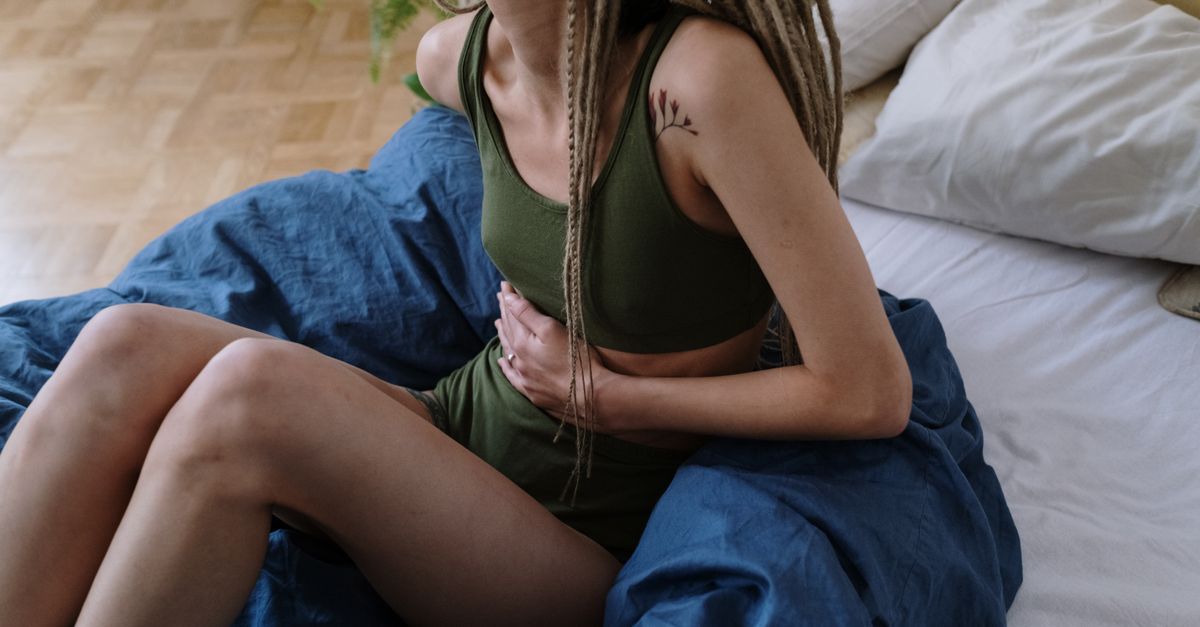
Is Low Libido Normal During a Heavy Period?
Yes, for most people it is common — but 'normal' doesn't mean inevitable or untreatable. Heavy menstrual bleeding depletes iron, drops estrogen and progesterone sharply, and can suppress testosterone and pregnenolone, all of which blunt libido. The main caveat: if low drive persists well after your period ends, that points to a chronic hormonal or metabolic issue, not just cycle timing.
---
Why Heavy Periods Suppress Libido: The Hormonal Chain
Libido is not a single switch — it is the output of multiple hormonal signals operating in concert. During a heavy period, several of those signals drop simultaneously, and the combined effect is more suppressive than any single change alone.
Estrogen and progesterone crash together. Menstruation begins precisely because both hormones fall after ovulation fails to produce a pregnancy. Estrogen directly upregulates dopaminergic tone in the brain's reward circuits — the same circuits that generate sexual motivation. When estrogen drops quickly during heavy flow, dopamine signaling follows (Pfaff et al., Hormones and Behavior 2011; PMID: 21334338).
Free testosterone takes a secondary hit. Sex hormone-binding globulin (SHBG) fluctuates across the cycle. In people who bleed heavily, the inflammatory burden of menorrhagia can elevate SHBG, which binds free testosterone and renders it biologically inactive. Testosterone — even in small amounts in people with ovaries — is a primary driver of sexual desire. A review in The Journal of Sexual Medicine confirmed that free testosterone, not total testosterone, is the index most strongly correlated with female libido (Davis et al., 2005; PMID: 16422804).
Iron deficiency compounds fatigue and anhedonia. Heavy menstrual blood loss is the leading cause of iron deficiency in reproductive-age people worldwide (WHO, 2023). Ferritin levels below 30 ng/mL impair dopamine synthesis because iron is a cofactor for tyrosine hydroxylase, the enzyme that converts tyrosine to dopamine. When dopamine biosynthesis is limited, motivation and sexual interest both fall — a mechanism distinct from the direct hormonal effects above.
If you are also experiencing other symptoms alongside low libido — such as bloating during your heavy period, anxiety around your cycle, or heart palpitations during heavy flow — these are often driven by the same underlying hormonal disruption.
---
Low Pregnenolone Symptoms: The Upstream Hormone You're Missing
Pregnenolone is synthesized from cholesterol in the mitochondria and sits at the top of the steroid hormone cascade. Every steroid hormone your body makes — including progesterone, DHEA, testosterone, estrogen, and cortisol — traces its origin to pregnenolone. When pregnenolone is low, the downstream output of all these hormones suffers simultaneously.
Symptoms of low pregnenolone include:
- Persistent fatigue unrelieved by sleep
- Blunted libido even outside of menstruation
- Brain fog and poor working memory
- Low mood or emotional flatness (sometimes called anhedonia)
- Exaggerated stress response and slow recovery from it
Pregnenolone production depends on mitochondrial function. Anything that stresses mitochondria — chronic inflammation, inadequate sleep, nutrient deficiencies, or high cortisol — reduces pregnenolone output. Heavy periods contribute through two mechanisms: the inflammatory burden of heavy bleeding itself, and the iron-deficiency-driven mitochondrial inefficiency that follows.
A 2019 study in Frontiers in Endocrinology noted that pregnenolone and its sulfate metabolite are neuroactive steroids that modulate GABA-A and NMDA receptors, and that their deficiency correlates with mood disorders and reduced sexual motivation (Baulieu et al., 2019; doi.org/10.3389/fendo.2019.00024).
If you suspect low pregnenolone, the most actionable lab to request is a fasted morning pregnenolone serum test, alongside DHEA-S and a full sex hormone panel.
---
Signs of Low Insulin Sensitivity and Why It Affects Libido
Insulin resistance — sometimes called low insulin sensitivity — is less commonly discussed in the context of libido, but the connection is direct and underappreciated.
When cells become resistant to insulin, the pancreas compensates by secreting more insulin. Chronically elevated insulin:
- Stimulates the ovaries to produce excess androgens (in a dysregulated pattern that does not translate to healthy libido)
- Suppresses SHBG production in the liver, paradoxically increasing total androgens while disrupting the cycle architecture that makes sex drive consistent
- Drives chronic low-grade inflammation, which suppresses the hypothalamic-pituitary-gonadal (HPG) axis at its origin
Signs of low insulin sensitivity that often accompany heavy periods include:
- Fatigue and energy crashes after meals
- Sugar cravings, especially in the luteal phase
- Weight accumulation around the abdomen (see also: weight gain around the middle during heavy periods)
- Acne or skin changes in the week before menstruation
- Irregular cycle length or worsening flow over time
Polycystic ovary syndrome (PCOS) is the most recognized clinical intersection of insulin resistance, heavy or irregular bleeding, and impaired libido. A meta-analysis in Human Reproduction Update found that insulin-sensitizing interventions significantly improved menstrual regularity and androgen profiles in people with PCOS (Palomba et al., Human Reproduction Update 2009; PMID: 19136652).
Non-PCOS individuals can also develop subclinical insulin resistance sufficient to disrupt the menstrual cycle and suppress libido without meeting a clinical PCOS diagnosis. Fasting insulin and HOMA-IR are the most accessible lab markers to screen for this.
---
Low Insulin Symptoms vs. Low Blood Sugar: Clarifying the Difference
It is worth separating two distinct states that are often confused:
| State | Core mechanism | Libido effect | Common symptoms |
|---|---|---|---|
| Insulin resistance (low sensitivity) | Cells ignore insulin; high circulating insulin | Indirect suppression via HPG axis | Fatigue, cravings, abdominal weight gain |
| Hypoglycemia (low blood glucose) | Insulin or other factors drop glucose too low | Acute stress response suppresses desire | Shaking, sweating, anxiety, heart palpitations |
| Functional reactive hypoglycemia | Blood glucose spikes then crashes post-meal | Cortisol spike disrupts sex hormone balance | Mid-morning or mid-afternoon energy collapse |
For people with heavy periods, reactive hypoglycemia in the luteal phase is particularly common because progesterone mildly impairs insulin sensitivity, leading to exaggerated post-meal glucose swings. Each crash triggers a cortisol release, and cortisol directly competes with progesterone at receptor sites, worsening the hormonal picture and further suppressing libido.
---
Signs of Low Growth Hormone and the Libido Connection
Growth hormone (GH) is predominantly secreted during deep sleep and in response to exercise. It directly stimulates IGF-1 production in the liver, and IGF-1 supports the production of sex hormones at the gonadal level. Low GH or IGF-1 creates a permissive environment for hormonal deficiency across the board.
Signs of low growth hormone in adults include:
- Increased body fat, especially visceral
- Reduced muscle mass despite normal activity
- Poor sleep quality (GH and sleep are bidirectionally linked)
- Low energy, poor exercise recovery
- Reduced sexual interest and responsiveness
Heavy periods intersect with GH status in a notable way: the iron deficiency that follows heavy bleeding impairs sleep quality (restless legs syndrome has an iron-deficiency mechanism), and disrupted sleep directly suppresses GH secretion. A study in the Journal of Clinical Endocrinology & Metabolism demonstrated that even partial sleep restriction over one week reduced GH pulse amplitude by approximately 23% in healthy adults (Van Cauter et al., 2000; PMID: 10952990). This creates a feedback loop: heavy period → iron loss → poor sleep → low GH → lower sex hormones → lower libido.
Addressing sleep disruption and iron repletion simultaneously breaks multiple links in this chain. If you are also waking at night during your period, that sleep disruption may itself be a GH suppressor — waking at 3am during a heavy period is a documented pattern worth investigating.
---
The Biomarker Protocol: What to Test
If low libido during or after your period is a recurring issue, a targeted lab panel gives you a mechanistic answer rather than a clinical shrug. The following markers map directly to the mechanisms discussed above:
Tier 1 (Request first):
- Serum ferritin (target: >50 ng/mL for libido and energy; >30 ng/mL is a minimum)
- Free testosterone (not just total)
- SHBG
- DHEA-S
- Fasting insulin and HOMA-IR
- TSH with free T3 and free T4 (hypothyroidism mimics many libido-suppressing symptoms)
Tier 2 (Add if Tier 1 is unrevealing):
- Serum pregnenolone (fasted, morning)
- IGF-1 (proxy for growth hormone status)
- hs-CRP (inflammatory burden)
- 25-OH vitamin D (deficiency impairs testosterone synthesis)
Tier 3 (Specialist referral):
- 24-hour urinary cortisol or 4-point salivary cortisol
- Full cycle hormonal mapping (estradiol, LH, FSH on day 3; progesterone on day 21)
---
What Helps: An Evidence-Based Protocol
Once you have biomarker clarity, interventions can be targeted rather than guesswork:
- Restore iron first. Ferrous bisglycinate at 25–50 mg elemental iron daily (taken with vitamin C, away from calcium and coffee) is better tolerated than ferrous sulfate and equally efficacious (Szarfarc et al., Archivos Latinoamericanos de Nutricion 2001).
- Support mitochondrial function for pregnenolone. CoQ10 (as ubiquinol, 100–200 mg daily) protects mitochondrial membrane potential and supports steroid biosynthesis.
- Improve insulin sensitivity. Resistance training 3x/week, reducing refined carbohydrates in the luteal phase, and ensuring adequate magnesium intake (which is a cofactor in more than 300 enzymatic reactions including glucose metabolism).
- Protect sleep for GH. Consistent sleep and wake times, limiting blue light after sunset, and ensuring adequate zinc intake (which is involved in GH secretion regulation).
- Address adrenal support. If cortisol dysregulation is confirmed, adaptogenic support can help normalize the HPG-HPA axis crosstalk.
For non-hormonal approaches to managing heavy period symptoms more broadly, see what helps with heavy period symptoms without hormones.
---
What This Means for Your Formula
Ones uses lab results and health history to identify exactly which links in the hormonal chain are broken for you specifically — rather than offering a generic women's health stack.
For the libido-suppression pattern described in this article, Ones ingredients that are most commonly indicated include:
- CoQ10/Ubiquinol (200 mg): Supports mitochondrial efficiency, which is the rate-limiting step in pregnenolone biosynthesis. The dose in Ones formulas matches the range used in clinical trials examining mitochondrial energy production.
- Zinc (as zinc bisglycinate): Clinically relevant for testosterone metabolism, SHBG modulation, and growth hormone secretion. A placebo-controlled trial in Nutrition found that zinc supplementation in deficient individuals restored testosterone levels toward normal range (Kilic et al., Neuroendocrinology Letters 2010; PMID: 21262526).
- Adrenal Support (proprietary blend): When cortisol dysregulation is a confirmed driver of HPG axis suppression, Ones' Adrenal Support blend addresses the HPA side of the equation, reducing the cortisol load that competes with progesterone and suppresses pregnenolone.
Because Ones formulas are built from your actual data — not a symptom questionnaire — the ingredient selection and dosing reflect what your biomarkers indicate, not a best-guess protocol.
---
Key Takeaways
- Low libido during a heavy period is common and driven by measurable hormonal mechanisms — falling estrogen, low free testosterone, iron depletion, and downstream effects on dopamine synthesis.
- Pregnenolone is the upstream master hormone; when it's low, every downstream sex hormone suffers simultaneously.
- Insulin resistance and reactive hypoglycemia are underappreciated contributors to cycle-related libido suppression — they disrupt the HPG axis and SHBG levels.
- Low growth hormone — often caused by iron-deficiency-related sleep disruption — reduces IGF-1 and compounds the hormonal deficit.
- A targeted biomarker panel (ferritin, free testosterone, SHBG, fasting insulin, pregnenolone, IGF-1) converts vague symptoms into actionable findings.
- Addressing the root causes — iron repletion, mitochondrial support, insulin sensitivity, and sleep quality — resolves libido suppression more reliably than any single supplement taken in isolation.