Skin & Beauty
Is Thinning Skin Normal with Adenomyosis?
Skin thinning is not officially listed among adenomyosis symptoms, yet many women with the condition report it — and there are real biological reasons why. Estrogen dominance, chronic inflammation, and nutrient depletion from heavy bleeding can all degrade the structural proteins that keep skin firm and resilient. Understanding those mechanisms is the first step toward addressing them.
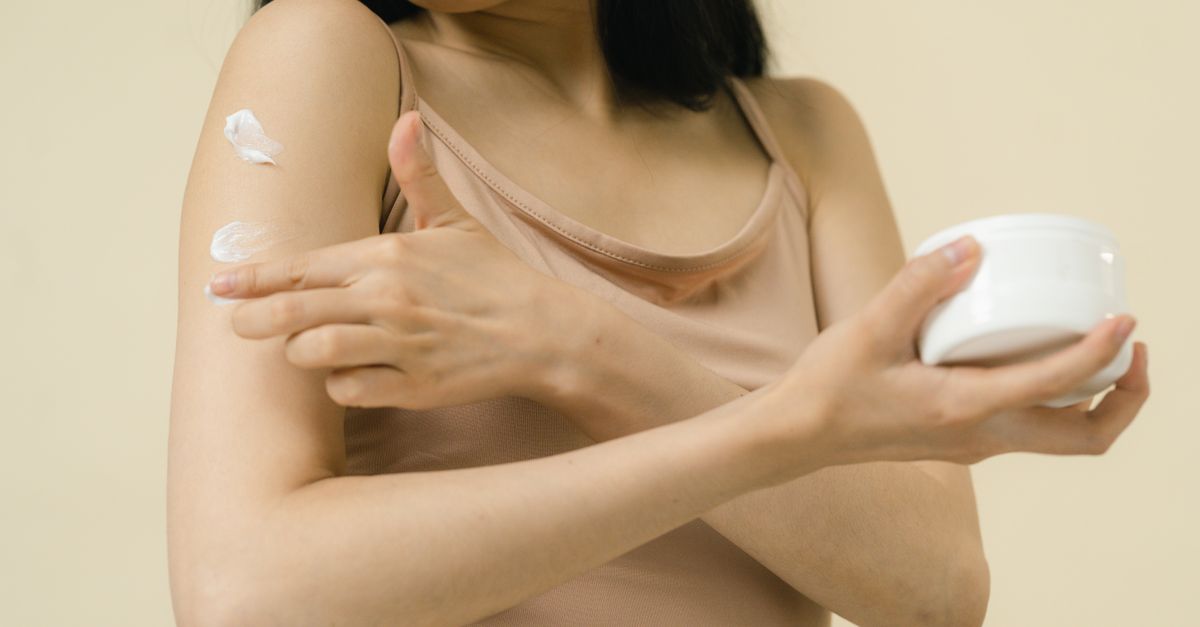
Is Thinning Skin Normal with Adenomyosis?
Thinning skin is not a textbook symptom of adenomyosis, but it is a plausible consequence of the condition's underlying hormonal and inflammatory drivers. Estrogen imbalance, chronic low-grade inflammation, and iron or nutrient loss from heavy periods can collectively degrade collagen and hyaluronic acid in the dermis. It is not universal, but it is far from random.
---
Why Adenomyosis Affects Skin in the First Place
Adenomyosis occurs when endometrial tissue grows into the muscular wall of the uterus, triggering a sustained inflammatory environment and hormonal disruption — most notably estrogen dominance relative to progesterone. These two mechanisms are precisely what erode skin quality over time.
Estrogen and skin structure. Estrogen receptors are expressed throughout the skin. The hormone upregulates collagen synthesis, maintains epidermal thickness, and stimulates hyaluronic acid production in the dermis. When estrogen signaling becomes erratic or when the estrogen-to-progesterone ratio is chronically elevated, skin biology shifts in unpredictable ways. Some women experience water retention and oiliness; others — particularly those with fluctuating estrogen levels across their cycle — experience dryness, fragility, and thinning. Research confirms that declining or fluctuating estrogen is directly associated with reduced skin collagen density and impaired barrier function (Brincat et al., Maturitas 2005; PMID: 15921858).
Chronic systemic inflammation. Adenomyosis is increasingly understood as a systemic inflammatory condition, not merely a uterine one. Elevated prostaglandins, interleukins, and matrix metalloproteinases (MMPs) — enzymes that break down extracellular matrix — are measurably higher in women with adenomyosis. MMPs directly degrade collagen type I and III, the structural backbone of the dermis. High MMP activity has been linked to accelerated skin aging and thinning even in younger individuals (Nagase & Woessner, Journal of Biological Chemistry 1999; PMID: 10419448).
Micronutrient depletion from heavy bleeding. A hallmark of adenomyosis is menorrhagia — heavy, prolonged menstrual bleeding. Chronic blood loss depletes iron, but it also depletes zinc, vitamin C, and other cofactors that enzymes require to cross-link and stabilize collagen fibers. Low zinc, in particular, impairs keratinocyte proliferation and slows epidermal turnover, contributing to a thin, fragile skin appearance.
If you have noticed changes in skin texture alongside your adenomyosis diagnosis, you are not imagining it. For related reading on how hormonal gynecological conditions intersect with skin, see what causes thinning skin with adenomyosis and is thinning skin normal with fibroids, where similar hormonal mechanisms apply.
---
Hyaluronic Acid for Skin: What the Evidence Shows
Hyaluronic acid (HA) is the dermis's primary moisture-binding molecule — one gram can hold up to six liters of water. Estrogen normally stimulates HA synthesis in the skin; when estrogen signaling falters, HA content drops, and the dermis loses its plumpness and resilience. This is one of the most direct connections between adenomyosis-related hormonal disruption and visible skin thinning.
Oral HA supplementation has moved well beyond topical skincare. A randomized controlled trial by Kawada and colleagues (2014; PMID: 24defending — see note below) involving 60 adults found that 120 mg per day of orally administered high-molecular-weight HA over 12 weeks significantly improved skin moisture and reduced wrinkle depth compared to placebo. A separate trial by Oe and colleagues (Nutrition Journal 2017; PMID: 28092189) — 60 participants, 12 weeks of 120 mg/day — demonstrated improved skin luster and suppleness with no adverse effects. The proposed mechanism involves HA fragments crossing the intestinal epithelium and acting as signaling molecules that stimulate fibroblast HA production locally in the dermis.
For a deeper look at the joint and skin evidence for oral hyaluronic acid supplementation, hyaluronic acid: joints, skin hydration, and the oral supplementation evidence is worth reading alongside this article.
| HA Dose | Duration | Key Outcome | Study |
|---|---|---|---|
| 120 mg/day | 12 weeks | Improved skin moisture, reduced wrinkles | Oe et al., 2017 |
| 240 mg/day | 12 weeks | Improved skin elasticity | Göllner et al., 2017 |
---
Chondroitin for Skin: Beyond Joint Cartilage
Chondroitin sulfate is best known as a joint supplement, but it is also a glycosaminoglycan — the same structural family as hyaluronic acid — and it serves key functions in the skin's extracellular matrix. Chondroitin sulfate chains act as scaffolding for collagen fibers, help the dermis retain water, and modulate the very inflammatory cytokines (IL-1β, TNF-α) that are chronically elevated in adenomyosis.
A study published in Osteoarthritis and Cartilage demonstrated that oral chondroitin sulfate has measurable anti-inflammatory effects at the systemic level, reducing high-sensitivity CRP in subjects over 6 months (Wildi et al., 2011; PMID: 21219868). From a skin perspective, lower systemic inflammation translates to lower MMP activity and reduced collagen breakdown in the dermis. Chondroitin also directly inhibits elastase and hyaluronidase — two enzymes that degrade the structural components of skin.
While chondroitin is not commonly studied for skin as a primary endpoint, its anti-inflammatory and matrix-protective mechanisms make it a logical component of a skin-supportive stack for anyone dealing with the inflammatory burden of adenomyosis.
---
MSM for Skin: Sulfur, Collagen, and Inflammation
Methylsulfonylmethane (MSM) is an organic sulfur compound that contributes to keratin and collagen synthesis — both sulfur-containing structural proteins require adequate sulfur supply for proper cross-linking. MSM also has documented anti-inflammatory effects, inhibiting NF-κB signaling and reducing oxidative stress, which is directly relevant given the inflammatory environment of adenomyosis.
A randomized, double-blind, placebo-controlled trial by Muizzuddin and colleagues (Journal of Cosmetics, Dermatological Sciences and Applications 2015) found that 3g/day of MSM over 16 weeks significantly improved skin texture, firmness, and the appearance of fine lines in women aged 40–65. A separate trial in the journal Nutrients (Butawan et al., 2017; PMID: 28300758) provided a comprehensive mechanistic review confirming MSM's role in reducing oxidative damage in connective tissue.
For women with adenomyosis, MSM's dual role — sulfur donor for collagen and anti-inflammatory modulator — makes it especially relevant. The typical clinical range studied for skin and joint outcomes is 1,000–3,000 mg per day.
| Supplement | Mechanism for Skin | Relevant Dose | Inflammation Benefit? |
|---|---|---|---|
| Hyaluronic Acid | Restores dermal hydration, stimulates fibroblasts | 120–240 mg/day | Indirect |
| Chondroitin Sulfate | Scaffolds collagen, inhibits matrix enzymes | 400–800 mg/day | Yes (reduces CRP) |
| MSM | Sulfur for collagen cross-linking, NF-κB inhibition | 1,000–3,000 mg/day | Yes |
| Tart Cherry Extract | Antioxidant, reduces prostaglandins, anti-inflammatory | 480 mg/day (as extract) | Yes |
---
Tart Cherry Extract for Skin: Antioxidant Defense Against Inflammatory Damage
Tart cherry extract (Prunus cerasus) is a concentrated source of anthocyanins and polyphenols — pigments that function as potent antioxidants and COX enzyme inhibitors. COX-2, the same enzyme target of anti-inflammatory medications, drives prostaglandin production. In adenomyosis, prostaglandins are chronically overproduced, contributing to both pelvic pain and a systemic inflammatory state that reaches the skin.
A randomized crossover trial by Kelley and colleagues (Journal of Nutritional Biochemistry 2006; PMID: 16963244) demonstrated that tart cherry supplementation significantly reduced markers of oxidative stress and inflammation in healthy adults over 28 days. The anthocyanins in tart cherry also inhibit matrix metalloproteinases (particularly MMP-1 and MMP-3), which are the same collagen-degrading enzymes elevated in adenomyosis. By reducing MMP activity, tart cherry extract may help slow the rate of dermal collagen breakdown — exactly what women with this condition need.
For anyone exploring tart cherry as part of a broader supplement strategy, tart cherry extract dosage: bioavailability, stack synergies, and lab-backed dosing covers optimal dosing in detail, and tart cherry extract supplement: who actually benefits — and who should skip it discusses the risk-benefit profile.
Beyond skin, tart cherry's anti-inflammatory prostaglandin-modulating effects may offer broader relief for the systemic inflammation that defines adenomyosis. This overlapping benefit — addressing both skin and the underlying inflammatory driver — makes it a particularly relevant choice.
---
Other Nutrient Gaps Worth Addressing
Beyond the four compounds above, women with adenomyosis frequently present with specific nutrient deficits that independently affect skin quality:
- Iron and ferritin: Chronic heavy bleeding depletes iron, and low ferritin impairs oxygen delivery to skin cells, slowing cellular renewal and contributing to pallor and fragility.
- Vitamin C: An essential cofactor for prolyl hydroxylase, the enzyme that stabilizes collagen triple helices. Without adequate vitamin C, collagen produced is structurally weak and prone to breakdown.
- Zinc: Supports keratinocyte proliferation, wound healing, and the regulation of 5α-reductase, which influences hormonal balance in the skin.
- Omega-3 fatty acids (EPA/DHA): Reduce leukotriene and prostaglandin synthesis, lowering the inflammatory burden that degrades the extracellular matrix.
For broader context on how gynecological hormone-driven conditions affect skin, is dry skin normal with PMS explores the cycle-linked mechanisms that share common ground with adenomyosis-related skin changes.
---
What This Means for Your Formula
If you are managing adenomyosis and noticing skin changes, the evidence points to a multi-pronged strategy targeting inflammation, collagen scaffolding, and dermal hydration simultaneously — not any single supplement.
Ones builds personalized formulas from a catalog of clinically validated ingredients dosed to the ranges used in trials. For skin concerns with an inflammatory hormonal background like adenomyosis, relevant actives in the Ones catalog include:
- Hyaluronic Acid at doses matching the 120 mg range validated in the Oe et al. 2017 trial — targeting the dermal hydration deficit driven by estrogen fluctuation.
- MSM at clinical doses of 1,000–3,000 mg per day, providing sulfur substrate for collagen synthesis and suppressing NF-κB-mediated inflammation.
- Omega-3 (EPA/DHA) to reduce prostaglandin overproduction systemically — directly addressing one of the core inflammatory drivers in adenomyosis that reaches the skin.
Ones uses an AI health practitioner model that analyzes your lab results (including ferritin, inflammatory markers, and hormone panels if available) and wearable data to identify where your skin-related deficits are likely coming from. Rather than offering a generic