Supplements
Low Molybdenum Symptoms: What They Mean and How to Address Them
Molybdenum rarely makes headlines, yet this trace mineral is essential for detoxifying sulfites, metabolizing purines, and activating enzymes your liver depends on every day. When levels fall short — through poor diet, malabsorption, or genetic variance — the symptoms can mimic a dozen other conditions, making deficiency easy to miss. Understanding the specific signs of low molybdenum, the biomarkers that confirm it, and the functional-medicine steps to correct it can meaningfully shift your energy, neurological clarity, and long-term detoxification capacity.
What Is Molybdenum and Why Does It Matter?
Molybdenum is a trace mineral that serves as a cofactor for four human enzymes: sulfite oxidase, xanthine oxidase, aldehyde oxidase, and mitochondrial amidoxime reducing component (mARC). Of these, sulfite oxidase is arguably the most clinically important — it converts toxic sulfites into harmless sulfates before they accumulate in tissues (Schwarz & Mendel, Annual Review of Plant Biology 2006; PMID: 16669755). Sulfites arrive through food preservation (wine, dried fruit, lunch meats), endogenous amino acid metabolism (methionine, cysteine), and gut bacterial fermentation.
Because molybdenum's enzymatic roles overlap with energy metabolism, purine clearance, and phase II liver detoxification, deficiency creates a remarkably broad symptom picture — one that functional-medicine practitioners increasingly recognize as an underdiagnosed root cause of sulfite sensitivity, fatigue, and neurological dysfunction.
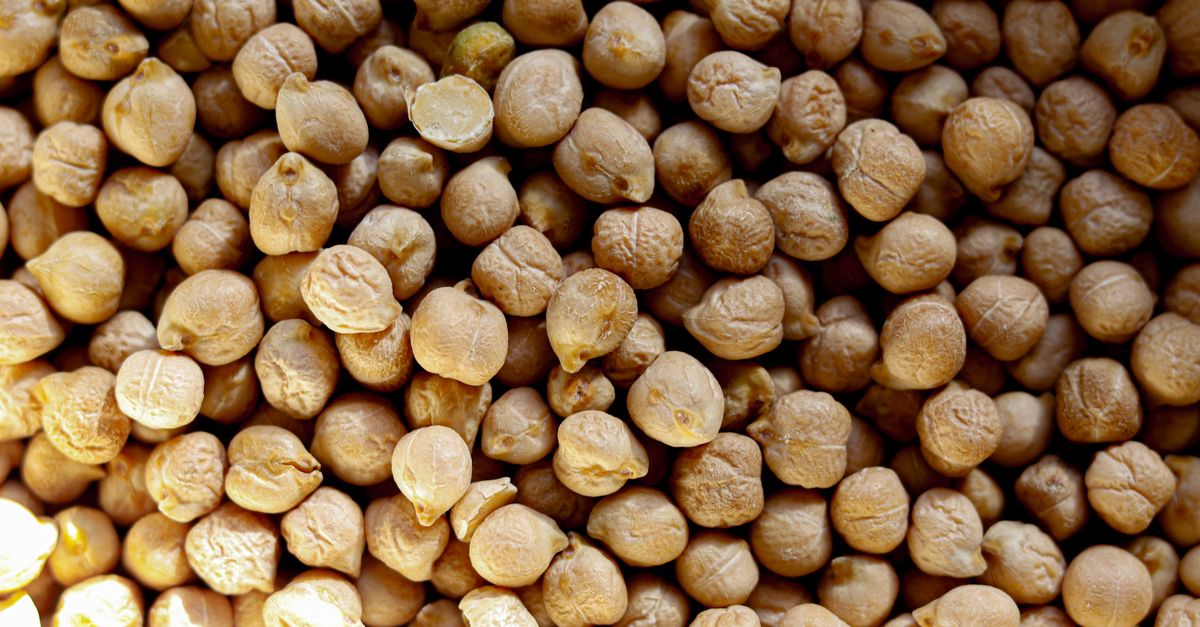
The Recommended Dietary Allowance (RDA) for adults is 45 mcg/day, with a tolerable upper intake of 2,000 mcg/day, giving a wide therapeutic window (NIH Office of Dietary Supplements, Molybdenum Fact Sheet for Health Professionals). Dietary sources include legumes, lentils, whole grains, dairy, and organ meats — a pattern increasingly absent from ultra-processed diets.
---
Recognizing Low Molybdenum Symptoms
Clinical molybdenum deficiency is rare in healthy adults but documented in populations receiving prolonged total parenteral nutrition (TPN) without trace-mineral supplementation (Abumrad et al., American Journal of Clinical Nutrition 1981; PMID: 6972519). Sub-clinical insufficiency, however, may be far more common and is associated with the following symptom clusters:
Sulfite sensitivity and neurological symptoms
- Headaches or migraines triggered by wine, dried fruit, or fermented foods
- Brain fog and poor concentration
- Irritability and mood instability
- In severe cases, seizure-like episodes (documented in neonatal sulfite oxidase deficiency)
Fatigue and exercise intolerance
- Persistent low energy not explained by sleep quality
- Reduced tolerance for high-protein or high-sulfur amino acid diets
- Muscle aching following dietary sulfur loads
Detoxification impairment
- Chemical sensitivities (fragrances, solvents, alcohol)
- Elevated urinary sulfites on dipstick testing
- Poor clearance of aldehydes from gut fermentation or alcohol metabolism
Purine metabolism disruption
- Elevated uric acid (xanthine oxidase drives the final step in purine catabolism)
- Paradoxically, in isolated xanthine oxidase deficiency, low serum uric acid and xanthinuria can occur
Because these symptoms overlap heavily with histamine intolerance, B-vitamin deficiencies, and thyroid dysfunction, ordering targeted lab work is the critical next step. If you're researching related nutrient insufficiencies, the functional-medicine guide to calcium deficiency treatment illustrates how trace-mineral deficiencies often cluster and reinforce each other.
---
Key Biomarkers for Molybdenum Status
Direct serum molybdenum testing is available but not standardized across labs. A functional-medicine workup typically uses indirect markers:
| Biomarker | What It Reflects | Low Molybdenum Pattern |
|---|---|---|
| Serum uric acid | Xanthine oxidase activity | Low-normal or elevated depending on enzyme affected |
| Urinary sulfites (dipstick) | Sulfite oxidase activity | Elevated |
| Urinary xanthine & hypoxanthine | Purine catabolism | Elevated if xanthine oxidase impaired |
| Serum molybdenum (reference labs) | Circulating mineral pool | Below 0.5 nmol/L suggests insufficiency |
| Plasma cysteine:sulfate ratio | Sulfur amino acid metabolism | Skewed toward cysteine accumulation |
Because molybdenum interacts with copper metabolism (high copper competitively inhibits molybdenum absorption), a full trace-mineral panel including serum copper, ceruloplasmin, and zinc is clinically useful when investigating low molybdenum symptoms.
---
Symptoms of Low Hemoglobin and the Molybdenum Connection
At first glance, hemoglobin and molybdenum seem unrelated — but the connection is real. Sulfite oxidase deficiency leads to accumulation of S-sulfonated proteins, which can damage red blood cell membranes, increase hemolysis, and contribute to a functional anemia picture (Kisker et al., Annual Review of Biochemistry 1997; PMID: 9242920). Symptoms of low hemoglobin — pallor, breathlessness on exertion, cold extremities, and chronic fatigue — can therefore appear as a downstream consequence of unresolved sulfite toxicity.
Moreover, molybdenum is involved in iron mobilization from hepatic stores. When molybdenum-dependent enzyme systems are suppressed, ferritin-bound iron may not release efficiently, contributing to functional iron deficiency even when ferritin levels appear adequate. This is why a complete metabolic picture — not just a CBC — matters in evaluating persistent fatigue.
If your workup also reveals concerns about what causes low HDL, it's worth noting that sulfite accumulation and oxidative stress are independently associated with endothelial dysfunction and lipid dysregulation.
---
Symptoms of Low Hematocrit and Red Blood Cell Integrity
Hematocrit — the percentage of blood volume occupied by red blood cells — drops when red blood cells are produced more slowly or destroyed more rapidly. Symptoms of low hematocrit mirror those of low hemoglobin: fatigue, dizziness on standing, reduced aerobic capacity, and cognitive slowing.
In the context of molybdenum insufficiency, the relevant mechanism is oxidative membrane damage. Sulfite is a reactive compound; when sulfite oxidase activity is impaired, sulfite accumulates and generates reactive oxygen species (ROS) that lipid-peroxidize red blood cell membranes, shortening their 120-day lifespan. A 2012 study examining sulfite oxidase enzyme kinetics in human erythrocytes confirmed that even partial suppression of enzyme activity measurably increases oxidative markers in red cell membranes (Kappler et al., FEBS Journal 2004; PMID: 15056737).
Clinically, this means a practitioner investigating low hematocrit without an obvious iron, B12, or folate cause should consider the sulfur amino acid pathway — and, by extension, molybdenum cofactor status — in their differential.
---
Symptoms of Low HOMA-IR and Metabolic Signaling
HOMA-IR (Homeostatic Model Assessment of Insulin Resistance) is a calculated index derived from fasting glucose and fasting insulin. A low HOMA-IR generally indicates high insulin sensitivity — which sounds desirable — but very low values in certain contexts can signal pancreatic beta-cell underactivity, hypoglycemia risk, or excessive caloric restriction.
The link to molybdenum here runs through oxidative stress and mitochondrial function. Xanthine oxidase, one of molybdenum's enzyme targets, is a major generator of superoxide in vascular and metabolic tissues. When xanthine oxidase is dysregulated, the resulting oxidative burden can impair insulin receptor signaling. Conversely, proper molybdenum cofactor function helps keep xanthine oxidase tightly regulated, supporting metabolic homeostasis.
A 2013 systematic review published in Nutrients identified mitochondrial oxidative stress as a key upstream driver of insulin signaling disruption, placing micronutrient cofactors — including molybdenum — within the therapeutic framework for metabolic health (Rochette et al., Pharmacology & Therapeutics 2013; PMID: 23811097). If your HOMA-IR is trending unexpectedly low alongside fatigue and neurological symptoms, expanding the workup to include trace-mineral status is a reasonable next step.
---
Symptoms of Low C-Peptide and Pancreatic Reserve
C-peptide is co-secreted with insulin from pancreatic beta cells and serves as a reliable marker of endogenous insulin production. Low C-peptide can indicate beta-cell attrition, as seen in longstanding type 1 diabetes or late-stage type 2 diabetes, but it can also reflect nutritional insufficiencies that impair beta-cell function.
Molybdenum's role here is indirect but meaningful. The mARC enzyme system, which molybdenum activates, participates in mitochondrial electron transport and amidoxime reduction — processes important for beta-cell energy generation. Beta cells are extraordinarily dependent on mitochondrial integrity for glucose-stimulated insulin secretion (Muoio & Newgard, Nature Reviews Molecular Cell Biology 2008; PMID: 18073775). Micronutrient deficiencies that compromise mitochondrial enzyme cofactors — including molybdenum — can therefore contribute to reduced C-peptide output over time.
For practitioners: if a patient presents with unexplained low C-peptide alongside sulfite sensitivity and chemical intolerance, a full trace-mineral panel, including molybdenum and copper, belongs in the workup.
---
Root Causes of Molybdenum Insufficiency
Understanding why molybdenum levels fall is as important as recognizing symptoms. The main drivers include:
- Dietary insufficiency — Legume-poor, heavily processed diets provide little bioavailable molybdenum.
- Malabsorption syndromes — Celiac disease, Crohn's disease, and short bowel syndrome reduce small-intestine absorption of trace minerals broadly.
- High copper exposure — Copper and molybdenum share transport mechanisms; elevated copper (from copper pipes, high-copper diets, or impaired biliary excretion) can functionally displace molybdenum.
- Sulfur amino acid overload — High methionine and cysteine intake from protein-heavy diets increases the demand on sulfite oxidase, depleting cofactor reserves faster than they can be replenished.
- Genetic variants in MOCS1/MOCS2/GPHN — Genes encoding molybdenum cofactor synthesis enzymes can harbor loss-of-function variants that impair cofactor assembly even when dietary intake is adequate.
- Prolonged TPN without trace mineral supplementation — The original clinical context for documented molybdenum deficiency (Abumrad et al., 1981; PMID: 6972519).
For those exploring the intersection of gut health and nutrient absorption, the functional-medicine guide to probiotics for bloating addresses how dysbiosis can amplify sulfite production from gut bacteria, increasing the demand on molybdenum-dependent enzymes.
---
Evidence-Based Protocol to Restore Molybdenum Status
Step 1: Dietary Optimization
Prioritize legumes (lentils, black beans, chickpeas), whole grains (oats, barley), and low-fat dairy. These foods consistently deliver 50–150 mcg molybdenum per serving. Reduce ultra-processed foods containing sulfite preservatives (E220–E228).
Step 2: Reduce Competing Mineral Load
If serum copper is elevated (>1.4 mg/L or ceruloplasmin >35 mg/dL), work with a practitioner to reduce copper exposure. Zinc supplementation at 25–50 mg/day is the most evidence-supported approach to competitively reduce copper absorption and rebalance the copper-molybdenum ratio.
Step 3: Targeted Supplementation
Molybdenum glycinate or sodium molybdate at 75–250 mcg/day is the standard supplemental range, well below the tolerable upper intake of 2,000 mcg/day. Supplementation at this range has been used in clinical protocols for sulfite sensitivity without reported adverse effects. Always pair with a practitioner review of your full trace-mineral status before starting.
Step 4: Support Sulfur Amino Acid Clearance
Riboflavin (B2) is a cofactor for several flavoenzymes in the sulfur amino acid pathway, and B2 insufficiency can compound the functional impact of low molybdenum. For a detailed overview of riboflavin's role and potential side effects at therapeutic doses, see the functional-medicine guide to riboflavin side effects.
Step 5: Address Mitochondrial Oxidative Stress
CoQ10 (as ubiquinol, 100–200 mg/day) reduces xanthine oxidase-driven oxidative stress in mitochondria-rich tissues. Antioxidant support from alpha-lipoic acid and N-acetyl cysteine further buffers the reactive oxygen species load generated during sulfite accumulation.
---
What This Means for Your Formula
At Ones, your supplement formula is built from your actual data — blood work, wearable metrics, and health history — not from a generic template. If your results reveal markers consistent with sulfite sensitivity, elevated oxidative stress, or impaired detoxification, the AI health practitioner may incorporate targeted ingredients from Ones' curated catalog that address the underlying mechanisms.
For molybdenum-related findings, three ingredients are especially relevant:
- Liver Support (System Blend): Ones' proprietary Liver Support blend is formulated to enhance phase II detoxification, the biochemical stage where sulfite oxidase activity is critical. Ingredients in this blend support glucuronidation, sulfation, and methylation pathways simultaneously — addressing the multi-enzyme bottleneck that low molybdenum creates.
- CoQ10/Ubiquinol (200 mg): Ones includes ubiquinol at a clinical 200 mg dose, matching the range used in mitochondrial oxidative stress research. Ubiquinol directly scavenges superoxide generated by dysregulated xanthine oxidase, reducing downstream red blood cell membrane damage associated with low hematocrit and low hemoglobin symptoms.
- Zinc: Ones formulas can include zinc at therapeutically meaningful doses to help rebalance the copper-molybdenum competition axis, a mechanism supported by competitive absorption data from trace-mineral pharmacokinetic studies.
Your 6 or 9-capsule daily plan is calibrated by Ones' AI to your specific findings — you don't select the plan; the AI determines it based on what your biomarkers actually show.
---
Key Takeaways
- Molybdenum is a cofactor for sulfite oxidase, xanthine oxidase, and aldehyde oxidase — enzymes central to detoxification, purine metabolism, and mitochondrial function.
- Low molybdenum symptoms include sulfite sensitivity, headaches, brain fog, fatigue, and chemical intolerance — a pattern frequently misattributed to histamine intolerance or food allergy.
- Downstream effects can manifest as functional anemia (low hemoglobin, low hematocrit) through oxidative red cell membrane damage, and as metabolic dysregulation affecting insulin signaling and C-peptide output.
- Root causes span dietary insufficiency, malabsorption, high copper competition, excessive sulfur amino acid intake, and genetic variants in molybdenum cofactor synthesis.
- Corrective protocol combines dietary legume loading, copper management via zinc, targeted molybdenum supplementation (75–250 mcg/day), and mitochondrial antioxidant support.
- Personalized testing — including serum molybdenum, urinary sulfites, and a full trace-mineral panel — is the most reliable way to confirm insufficiency and calibrate supplementation; consult a healthcare provider before starting any trace-mineral protocol.